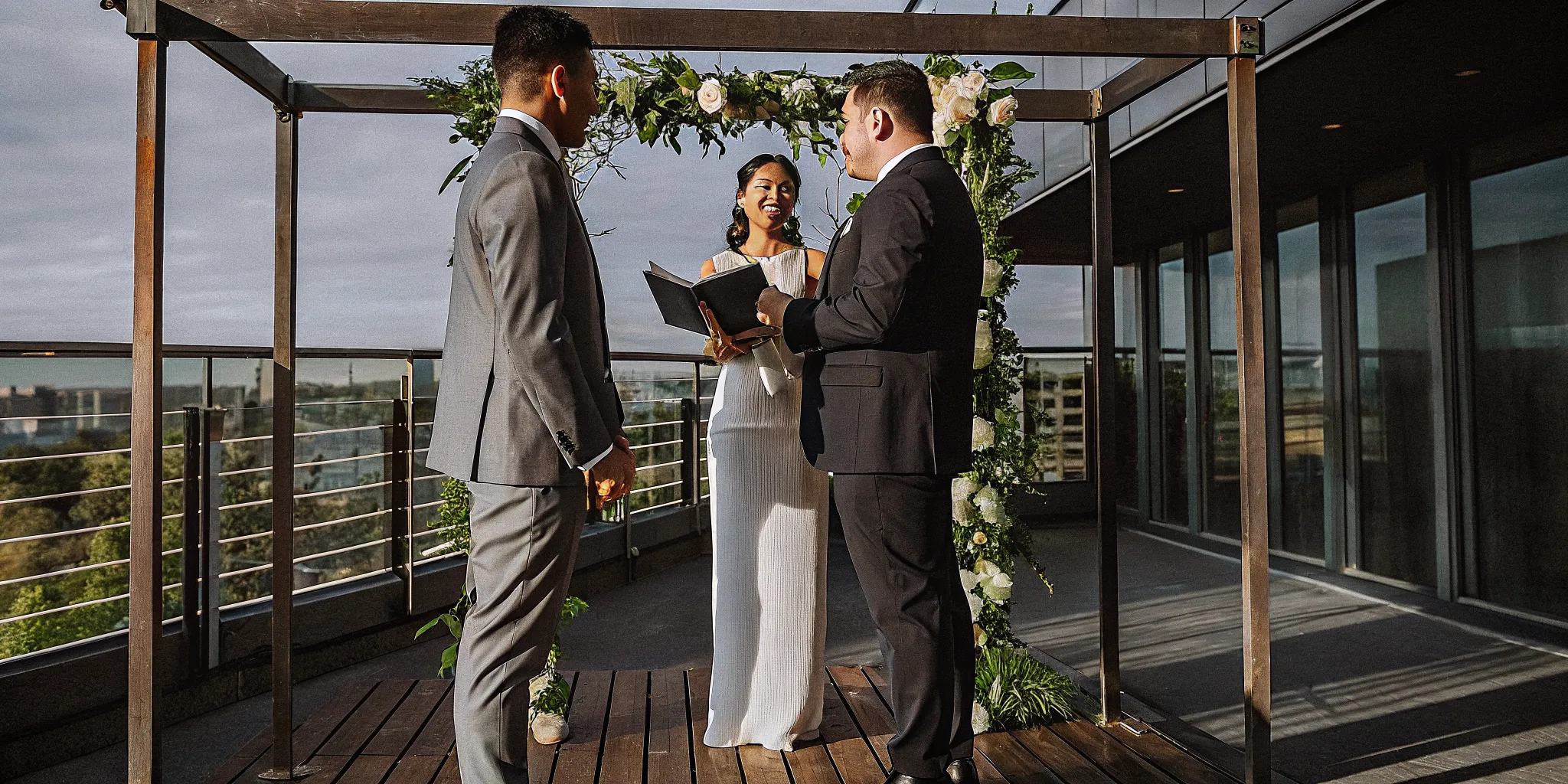

So, your friends just got engaged and asked you to officiate. Congratulations! After you’ve celebrated, you might find yourself typing “how to be a good wedding officiant” into a search bar. It’s a role that feels both incredibly exciting and slightly terrifying. You want to create a ceremony that’s as unique and wonderful as the couple themselves, but the pressure to get it right is real. Don’t worry, you’ve come to the right place. We’ll break down everything you need to know, from the legal steps like getting ordained to the creative process of writing a script that flows. This guide will help you turn your nervousness into confidence and deliver a ceremony with heart.
Key Takeaways
- Handle the legal side first: Your most important job is ensuring the marriage is official, so get ordained, research the specific state and county laws, and know how to correctly complete the marriage license before you focus on writing the script.
- Become their storyteller: A memorable ceremony is built on the couple's unique story, so go beyond a generic script by asking them personal questions, listening to their journey, and weaving those special details into a narrative that feels authentic to them.
- Practice for a polished delivery: Confidence comes from preparation, so rehearse your script out loud, attend the wedding rehearsal to understand the flow, and have a plan for key moments. This planning allows you to be a calm, guiding presence for the couple.
What Makes a Great Wedding Officiant?
Being asked to officiate a wedding is a huge honor. It means a couple trusts you with one of the most important moments of their lives. But what really separates a memorable officiant from a forgettable one? It’s more than just showing up and reading from a script. A great wedding officiant is a storyteller, a stage manager, and a calm presence all rolled into one.
Your main job is to make the ceremony feel personal and true to the couple. This means getting to know their love story and weaving it into the ceremony in a way that feels genuine. It’s their moment, and your role is to shine the spotlight on them, not yourself. This commitment to the couple's best interests is a core part of our Code of Ethics.
Confidence is key, but it’s a quiet confidence that comes from being prepared. When you know the script, understand the flow of the ceremony, and have a handle on the legal details, you can relax and focus on connecting with the couple and their guests. This preparation is what allows you to handle any little hiccups with grace, whether it’s a misplaced ring or a sudden gust of wind.
Ultimately, being a great officiant means you are committed to creating a beautiful experience. It requires a blend of public speaking skills, emotional intelligence, and a solid understanding of your responsibilities. This includes knowing the specific state laws that govern marriage in your area. Our comprehensive wedding officiant training is designed to give you the tools and confidence to master every aspect of the role, from writing the script to filing the paperwork.
How to Legally Officiate a Wedding
Before you can stand up in front of friends and family to unite a couple in marriage, you need to make sure you can legally perform the ceremony. This part might sound a little intimidating, but it’s a straightforward process that ensures the marriage is officially recognized. Think of it as the behind-the-scenes work that gives your words their legal power. The most important thing to remember is that the rules can change quite a bit from one state, or even one county, to the next.
Getting the legal side right is a non-negotiable part of being a wedding officiant. It’s your responsibility to ensure every “i” is dotted and every “t” is crossed so the couple can relax, knowing their union is official. We’ll walk through the four main steps you’ll need to follow: getting ordained, registering with the local government (if required), understanding the marriage license, and knowing your state’s specific laws. Taking care of these details is one of the most important ways you can serve the couple on their big day.
Get Ordained
First things first: you need to get ordained. Ordination is the process of being recognized as a minister by a religious organization, which grants you the legal authority to perform a marriage ceremony. This is the foundational step that makes everything else possible. Without it, you can’t legally sign a marriage license, which means the wedding won’t be official. Thankfully, becoming ordained is often a simple and accessible process. Organizations like All Faith Ministry allow you to apply for ordination online, giving you the credentials you need to start your journey as a wedding officiant. This is your official entry into a community dedicated to celebrating love.
Register with the Local Government
Once you’re ordained, your next step is to check if you need to register with the local government. Some states and counties require officiants to register their credentials with a government office, usually the county clerk, before they can legally perform a wedding. Other places don't require this step at all. Because the rules vary so much, it’s crucial to check the requirements for the specific county where the wedding will take place. You can usually find this information on the county clerk’s website. Be sure to do this well in advance, as some offices can take up to 30 days to process your registration.
Understand the Marriage License
The marriage license is the official document that legally binds the couple. While the couple is responsible for obtaining the license from their local county clerk’s office before the wedding, you, as the officiant, play a key role in making it official. Your job is to properly complete the officiant’s portion of the license after the ceremony, sign it, and ensure it’s returned to the clerk’s office within the required timeframe. Each license has specific instructions, including where to sign and the deadline for returning it. Familiarize yourself with the document before the ceremony to avoid any last-minute confusion.
Know Your State's Laws
If there’s one thing to take away from this section, it’s this: marriage laws are determined at the state level. The requirements in California are different from those in New York, which are different from those in Texas. Some states have very few rules for officiants, while others have a more involved registration process. It is your duty to understand the specific state laws where you plan to perform the ceremony. Taking the time to confirm these details ensures the couple’s marriage is legally sound and protects you as the officiant. This diligence is a hallmark of a true professional and shows your commitment to the couple.
Prepare for the Ceremony Like a Pro
Once you’ve handled the legal requirements, your focus shifts to the heart of your role: crafting and delivering an amazing ceremony. A great officiant doesn’t just show up and read a script; they prepare meticulously to create a seamless and heartfelt experience. This preparation is your secret weapon. It calms your nerves, ensures you honor the couple’s story, and lets you lead the ceremony with warmth and confidence. Let’s walk through the key steps to prepare for the big day.
Connect with the Couple Early
Your first step is to build a genuine connection with the couple. Schedule a meeting (or a video call) long before the wedding day to get on the same page about their vision for the ceremony. What tone are they hoping for: formal, relaxed, humorous, spiritual? This early conversation prevents headaches and rewriting later on. It’s your chance to listen to their story, understand their dynamic, and build the rapport that will allow you to represent them authentically. This foundational step is a core part of our Code of Ethics and ensures you serve the couple with integrity and care.
Ask the Right Questions
To tell their story, you need to know their story. Think of yourself as a friendly journalist gathering the details that will make the ceremony personal and touching. Don't be afraid to ask specific, open-ended questions. Start with prompts like: "How did you two meet?" and "What was your first date like?" Then, go deeper with questions such as: "When did you know they were 'the one'?" or "What does marriage mean to you?" These answers are the raw material for a script that feels uniquely theirs. Our wedding officiant training dives deep into how to conduct these interviews to get the best stories.
Confirm the Logistics
While talking about love stories is the fun part, you also need to cover the practical details. Having a clear conversation about logistics early on prevents any awkwardness or confusion down the line. Discuss your time commitment, including the rehearsal and the ceremony itself. Clarify your role in other wedding events, like pre-wedding parties or photos. It's also important to figure out who is responsible for handling the legal paperwork after the ceremony. Understanding the specific state laws for the marriage license is crucial, so make sure everyone knows their role in making the marriage official.
Attend the Rehearsal
If you can, always attend the wedding rehearsal. This is your opportunity to do a full walkthrough before the main event. You’ll get a feel for the venue, practice the processional and recessional, and figure out exactly where you need to stand so you aren't blocking any views. The rehearsal is also your chance to connect with the other key players, like the wedding planner, DJ, and photographer. Knowing the flow of events and coordinating with the team will make you feel much more confident and prepared on the wedding day. It’s a simple step that makes a huge difference.
Practice Your Delivery
A beautifully written script deserves a confident delivery. Don't let the wedding day be the first time you say the words out loud. Practice reading the ceremony script several times, ideally in front of a mirror or a trusted friend. This helps you find a natural rhythm and pace. As you practice, you might notice some words or phrases that are tricky to say; now is the time to edit them. Time yourself to ensure the ceremony length fits the couple's expectations. You can even grab a stylish ceremony portfolio from our store to hold your script, making you look polished and professional.
Your Day-Of Checklist
On the wedding day, a little preparation goes a long way. Create a simple checklist to make sure you have everything you need. Here are a few essentials:
- Two copies of the script: One for you and a backup, just in case. Print it in a large, easy-to-read font.
- A good pen: You’ll need one to sign the marriage license.
- Tissues: Keep a few tucked away. Happy tears are common, and it’s a thoughtful touch to have a tissue ready for the couple.
- A plan for the kiss: When you say, "You may now kiss," take a step to the side. This ensures the photographer gets a perfect shot of the couple's first kiss without you in the background.
Writing a Ceremony Script That Flows
A great wedding ceremony feels like a story, with a clear beginning, middle, and end that guides guests and the couple through a range of emotions. Your script is the map for this journey. While every ceremony is unique, following a familiar structure helps everyone feel comfortable and know what to expect. This flow typically includes a warm welcome, the couple's story, vows, a ring exchange, and the final pronouncement. Think of these elements as building blocks. Your job is to arrange them in a way that feels authentic to the couple and tells their unique love story from start to finish. A well-structured script is your best tool for creating a memorable and seamless experience for everyone involved.
Craft the Welcome
Your first words set the tone for the entire ceremony. Start by warmly welcoming the guests and thanking them for coming to celebrate this special day. This is also a great time to share a short, personal anecdote about the couple. Maybe it’s a funny story about how you met them or a touching observation about their relationship. This simple act makes the ceremony feel intimate from the very beginning. Before you dive into the main part of the ceremony, it’s also a good idea to make a brief housekeeping announcement, like asking guests to silence their phones. Our wedding officiant training covers how to craft an opening that grabs everyone's attention in a warm and welcoming way.
Share Their Love Story
This is the heart of the ceremony and your biggest opportunity to make it personal. As someone the couple trusts, you have the unique ability to tell their story in a way that feels genuine and true to them. Before you start writing, spend time talking with the couple about their journey. Ask them how they met, what their first impressions were, and what they admire most about each other. Weave these personal details into a narrative that highlights their connection and their hopes for the future. This is the part of the ceremony that guests will remember most, as it’s a beautiful reminder of why everyone has gathered together.
Incorporate Readings and Rituals
A ceremony doesn't have to be just you speaking. Many couples want to include special readings, poems, or unity rituals that reflect their personalities and values. Talk to them about what might be meaningful. This could be anything from a family member reading a favorite poem to a handfasting ceremony, a sand-blending ritual, or another tradition that honors their cultural backgrounds. As an officiant, part of your role is to facilitate these moments. Our Code of Ethics emphasizes the importance of honoring the couple's beliefs, and incorporating their chosen rituals is a perfect way to do just that. Make sure you understand the ritual so you can guide them through it smoothly.
Guide the Vow Exchange
The vow exchange is the emotional peak of the ceremony. Your role here is to create a space for the couple to make their promises to one another. You will introduce this moment and then step back, letting their words take center stage. Some couples prefer the traditional "repeat after me" format, where you provide the lines for them to say. Others choose to write their own personal vows. If they write their own, always have a backup copy on hand just in case nerves get the best of them. A simple introduction like, "[Partner 1], please share the vows you have written for [Partner 2]," is all you need to transition into this powerful moment.
Lead the Ring Exchange
Following the vows, the ring exchange serves as a tangible symbol of the couple's promises. This part can feel a bit clumsy if it’s not planned, so clarity is key. Your job is to provide simple, direct prompts. Know ahead of time who has the rings, which is typically the best man or maid of honor. You can say something like, "May we have the rings, please?" to signal the hand-off. Then, guide each partner through the exchange with clear instructions, such as, "Please place this ring on [Partner's] finger and repeat after me: With this ring, I thee wed." Practicing this sequence during the rehearsal will help everyone feel confident.
Deliver the Declaration and Recessional
This is the moment everyone has been waiting for. The declaration, or pronouncement, is the official statement that legally and joyfully confirms the marriage. You’ll use powerful, celebratory language here. While the exact wording can vary, it often includes a phrase like, "By the power vested in me by the state of..." It's important to know the specific requirements for your area, which you can review on our state laws resource page. After you pronounce them married, announce their first kiss. Here’s a pro tip: step to the side so the photographer can capture a clear shot of the happy couple. Finally, you’ll present them to the guests for the first time as a married couple before they joyfully walk back down the aisle.
Personalizing the Ceremony
This is where the magic happens. A generic script can get the job done, but a personalized ceremony creates a moment the couple and their guests will remember forever. Your role as the officiant is to tell their unique love story in a way that feels authentic and heartfelt. This is your chance to move beyond the standard lines and craft something truly meaningful. By focusing on the details that make the couple who they are, you give them a gift that lasts a lifetime. It’s the key to transforming a simple wedding into an unforgettable celebration of their specific journey together.
Weave in Their Stories
Think of yourself as a story collector. Your first task is to gather the raw material that will form the heart of the ceremony. Talk to the couple, of course, but also consider reaching out to their parents or closest friends for anecdotes and insights. Ask questions like, "How did you know they were the one?" or "What's your favorite memory with them?" These personal details are gold. Weaving these little stories into the script makes the ceremony deeply personal and shows the couple how much you care. Our wedding officiant training can give you more ideas on how to interview couples effectively.
Find a Central Theme
Once you have your collection of stories, look for a common thread. A central theme or metaphor can tie everything together into a beautiful, cohesive narrative. For example, if the couple had a long-distance relationship, your theme could be about building bridges and closing distances. If they love to cook together, you could talk about finding the perfect recipe for a life together. This theme acts as your guide, helping you structure the ceremony and decide which stories to highlight. It gives the entire ceremony a sense of purpose and makes the message more powerful and memorable for everyone listening.
Include Cultural or Family Traditions
Many couples want to honor their heritage or family customs, and it's a beautiful way to add layers of meaning to the ceremony. Ask them if there are any specific rituals, readings, or traditions they’d like to include. This could be anything from a handfasting ceremony or a unity candle to specific prayers that are important to their families. Incorporating these elements shows respect for their background and creates a powerful connection between the past and the future. It’s a wonderful way to make their families feel seen and celebrated as part of the union.
Encourage Personal Vows
The vow exchange is often the emotional peak of the ceremony. While some couples love the idea of writing their own vows, others might feel a little intimidated. As their officiant, you can guide them through the process. Discuss their options: they could write them separately as a surprise, work on them together, or add a few personal lines to more traditional vows. Remind them that their promises don't have to be perfect, just heartfelt. You can even find beautiful vow cards in our store to help them keep their thoughts organized on the big day. This is their moment to speak directly from the heart.
Delivering the Ceremony with Confidence
This is your moment to shine. All the preparation, from getting ordained to writing the perfect script, leads to this point: standing before the couple and their loved ones to lead the ceremony. Your confidence (or lack of it) will set the tone for everyone, so it’s important to feel grounded and ready. Remember, you’re not performing, you’re guiding. You are the steady hand that leads the couple through one of the most significant moments of their lives.
The key to a confident delivery isn’t about being a perfect public speaker. It’s about being prepared, present, and focused on the couple. When you know your material and your role, you can relax into the moment and let the genuine emotion of the day carry you. The following tips will help you manage any nerves and deliver a ceremony that feels authentic, polished, and full of heart. Our comprehensive wedding officiant training also provides in-depth modules on public speaking and ceremony delivery to help you feel fully prepared.
Manage Pre-Ceremony Jitters
It’s completely normal to feel a flutter of nerves before the ceremony begins. The best way to manage them is to shift your focus. Instead of worrying about the crowd, concentrate on the couple. Speak to them as if it’s just the three of you sharing an intimate conversation. Your calm presence will help soothe their nerves as well as your own.
Remember that very little can actually go wrong. If you stumble over a word, just smile and continue. If you appear relaxed and energized, the audience will feel it too. Before you walk out, take a few deep, centering breaths. Trust in your preparation and know that you are there to facilitate a moment of joy. Your primary job is to celebrate the couple, and that’s a beautiful, low-pressure role to fill.
Speak Clearly and Pace Yourself
When you’re nervous, it’s easy to start speaking too quickly. Make a conscious effort to slow down. Speak slowly and project your voice so that even the guests in the back row can hear every word. A measured pace allows the meaning of your words to land and gives the couple and their guests time to absorb the emotional weight of the moment.
Practice reading your script aloud with a timer to get a feel for a natural, unhurried pace. You can even record yourself on your phone to check your volume and clarity. Don’t be afraid to pause between sentences or sections. These small moments of silence create rhythm and give everyone a chance to breathe, reflect, and feel the power of the ceremony you’re creating together.
Use Body Language to Connect
Your words are only part of the story; your body language communicates just as much. Stand with an open, welcoming posture and remember to smile. Make eye contact with the couple frequently, and also scan the audience to draw them into the experience. Your warmth and engagement will make everyone feel more connected to the ceremony.
A simple and effective way to help the couple feel more comfortable is to give them a small piece of direction. After the guests are seated, you can gently say, "Please join your hands together." This small action helps calm their nerves, looks romantic for photos, and creates a physical point of connection between them. It’s a simple cue that shows you are a confident and caring guide.
Engage the Guests
You can start building a connection with the guests before the ceremony even officially begins. Just before the processional, step forward to welcome everyone. This is the perfect time to make a few quick announcements, like asking guests to silence their phones. This simple act breaks the ice and establishes you as a friendly and capable leader.
By addressing the guests directly, you make them feel like active participants rather than just spectators. A warm welcome sets a communal tone and lets everyone know they are part of a shared, joyous occasion. It also handles logistical details smoothly, allowing the couple to make a clean exit straight to their celebration after the ceremony. This small step makes a huge difference in the overall flow and feel of the day.
The Power of the Pause
In a wedding ceremony, silence can be just as powerful as words. Intentional pauses build anticipation, give emotional moments room to breathe, and add a sense of gravity to your delivery. Don’t rush through the most important lines. Pause before the "I do's," after the ring exchange, and before you make the final pronouncement. These moments of quiet allow the significance of the event to sink in for everyone.
As you practice your script, think about its rhythm. Edit it ruthlessly, looking for opportunities to create impact through pacing. Time yourself speaking it aloud to ensure it doesn’t run too long, and mark places in your script where you want to intentionally pause. Mastering the pause will transform your delivery from a simple reading into a truly moving experience.
After You Pronounce Them Married
The ceremony might be over, but your job isn't quite finished. Once the couple shares their first kiss as a married pair and walks back down the aisle, you have a few important responsibilities to handle. These final steps are what make the marriage official, so they are just as critical as the ceremony itself. Taking care of the legal paperwork correctly and thinking about your next steps will ensure a smooth experience for everyone and set you up for success as an officiant.
Handle the Marriage License Correctly
Okay, this is the big one. The marriage license is the legal document that makes everything official, and it’s your job to complete it accurately. Immediately after the ceremony, find a quiet moment with the couple and their required witnesses to sign it. You’ll need to fill in the date, time, and location of the ceremony. When you sign, use your legal title, which is typically "Minister" since you are legally ordained. You can't just sign as "Officiant" if you don't hold a legal ordination. Double-check that every field is filled out correctly before you send it back to the county clerk’s office. Each state has slightly different rules, so always review the specific state laws beforehand.
Avoid These Common First-Timer Mistakes
Performing your first wedding is exciting, but it's easy to overlook a few key details. One of the most common mistakes is not understanding the local legal requirements. Some states or counties require officiants to register with them before performing a ceremony, even if you're already ordained. Being unprepared could cause serious complications for the couple's marriage license. Before you agree to officiate, confirm the rules for that specific location. The best way to start on the right foot is by ensuring your credentials are in order. Getting properly ordained is the foundational step that gives you the authority to sign that license and legally marry the couple, so never skip it.
What's Next on Your Officiant Journey?
Once you’ve officiated your first wedding, you might be wondering what comes next. Maybe you’ve caught the bug and want to help more couples celebrate their love. If you plan to officiate more weddings, especially in different locations, remember that every state has its own laws. The process in one state might not be the same in a neighboring one. Continuing your education is a great way to build your confidence and skills. Our wedding officiant training can help you master everything from scriptwriting to managing your own officiant business. As you grow, you might also want to invest in professional materials, like a clergy badge or a nice certificate holder, which you can find in our AFM Store.
Related Articles
- Become a Wedding Officiant: Step-by-Step Guide & Legal Tips
- The Essential Wedding Officiant Checklist
- How to Become a Wedding Officiant | License, Steps & Career
- The Essential Wedding Officiant Checklist
- Wedding Officiant Etiquette: A Complete Guide
Frequently Asked Questions
Do I need to do anything besides get ordained to be legal? Yes, this is a super important question. Getting ordained is your first and most essential step, but some states or counties require you to register your credentials with them before you can legally perform a wedding. Think of ordination as your national passport and local registration as your specific travel visa. Always check the county clerk’s website for the location where the wedding will take place to see if they have any extra registration requirements. It's your responsibility to make sure you're cleared to officiate in that specific area.
What if I'm not a great writer? How can I still create a personal script? You don't have to be a professional writer to craft a beautiful ceremony. Your main job is to be a great listener. The best scripts are built from the couple's own stories, not from flowery language. Schedule a meeting and ask them open-ended questions about their relationship, their favorite memories, and what marriage means to them. When you write, simply focus on retelling their story in a warm and genuine way. Their words and experiences will provide all the heart you need.
What's the most common mistake first-time officiants make, and how can I avoid it? The most common and most serious mistake is not being prepared for the legal side of things. This includes not getting ordained properly or not understanding the specific marriage laws of the state where the ceremony is held. Another common slip-up is forgetting to step aside for the first kiss, which can ruin the photographer's shot. You can avoid these issues with a little preparation. Confirm the legal rules well in advance, and during the rehearsal, practice exactly where you will stand and when you will move.
How much time should I expect to spend with the couple before the wedding? This can vary, but a good rule of thumb is to plan for at least one initial meeting, which can last one to two hours, where you get to know them and their story. You should also plan to attend the wedding rehearsal, which is typically an hour the day before the wedding. Beyond that, expect a few emails or phone calls to finalize the script and confirm logistics. The more you connect with them beforehand, the more personal the ceremony will feel and the more comfortable everyone will be on the big day.
I'm nervous about filling out the marriage license. Any tips to make sure I get it right? It's smart to be careful with the marriage license, as it's the official document. The best tip is to review it with the couple before the ceremony day, so you know exactly what information is needed and where everyone needs to sign. After the ceremony, find a quiet table and fill it out slowly and deliberately with the couple and their witnesses. Use a good pen with black ink, and double-check everything before you sign. Remember to use your legal title, "Minister," as that is the title your ordination grants you.