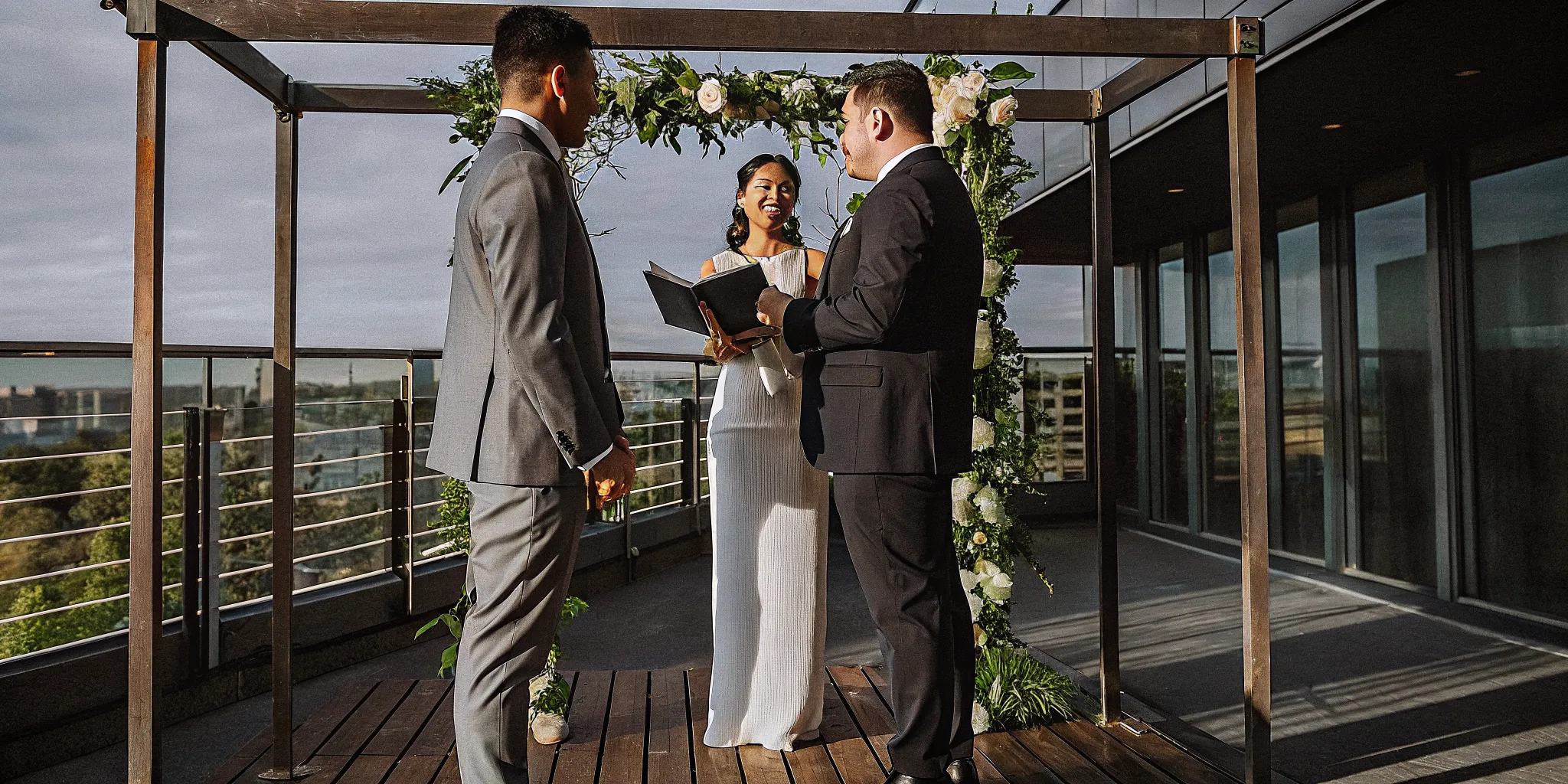

Your best friend just asked you to officiate their wedding. After the initial excitement, a little bit of panic might be setting in. You want to do an amazing job for them, but you have no idea where to start. This is a common and completely normal feeling! While you could try to piece things together from online articles and videos, there’s a better way to prepare. Enrolling in a certified wedding officiant course is the perfect solution for anyone who wants to honor a loved one by delivering a polished, personal, and flawless ceremony. It takes the guesswork out of the process, giving you a clear roadmap for everything from legal duties to public speaking, ensuring you can be fully present and enjoy the moment right alongside them.
Key Takeaways
- Go beyond ordination with practical training: Getting ordained is the first step, but a certification course gives you the essential skills for writing personal ceremonies, speaking confidently, and managing the big day like a professional.
- Confirm your legal duties with the county clerk: Marriage laws change by location, so always call the county clerk’s office where the wedding will happen to get the most accurate registration requirements and ensure the union is legal.
- Choose a course that provides real-world tools: A quality certification program offers more than just a certificate; look for one that includes ceremony templates, guidance on state laws, and access to a supportive community of fellow officiants.
What Is a Wedding Officiant Certification?
So, you’re thinking about officiating a wedding. The first step is getting ordained, which gives you the legal authority to sign the marriage license. But what comes next? That’s where a wedding officiant certification comes in. Think of it as the practical, hands-on training that turns your legal status into a real, valuable skill. It’s the bridge between being legally able to perform a wedding and feeling truly confident and prepared to do so.
A certification course is designed to give you the knowledge and confidence to perform a beautiful, memorable ceremony. It goes beyond the paperwork and teaches you the art of being an officiant, from writing a heartfelt script to commanding a room with grace. It’s the difference between simply being allowed to marry someone and knowing how to do it well. This training equips you with a professional toolkit, ensuring you can handle any situation and create an experience the couple will cherish forever.
What you'll learn
A great certification course is more than just a stack of reading material. It’s an interactive experience designed to build your skills. Through video lectures, practical exercises, and helpful resources, you’ll learn the essential duties of a wedding officiant. A comprehensive wedding officiant training program will guide you through crafting a personalized ceremony script, understanding the flow of events, and managing the legal paperwork with confidence. You’ll also get practical advice on public speaking, so you can deliver your words clearly and emotionally on the big day. The goal is to walk away feeling fully prepared to create a ceremony that truly honors the couple.
Online vs. in-person training
You have two main paths for certification: online or in-person. While in-person workshops exist, online training has become the go-to for its flexibility and accessibility. You can learn at your own pace, from anywhere, which is perfect if you’re balancing this with a job or family. A quality online course provides all the same expert instruction and resources without the need to travel. Since most states recognize online ordination, it makes sense that your practical training can also be completed online. Before you begin, it’s always a good idea to review your local state laws to understand any specific requirements for officiants in your area.
How long does certification take?
It’s important to distinguish between ordination and certification when it comes to time. Getting ordained online can be incredibly fast, sometimes taking just a few minutes. However, a certification course is an investment in your skills and requires a bit more time. Most comprehensive online courses take around 10 to 15 hours to complete. This time is spent actively learning the craft, from legal duties to ceremony writing. While you can apply for ordination quickly, dedicating a few hours to training is what will make you feel confident and prepared when you stand before the happy couple.
Why Get Certified as a Wedding Officiant?
Maybe you were asked to officiate a friend’s wedding, and now you’re wondering what the next step is. Or perhaps you’ve always felt drawn to celebrating love and want to explore a new career path. Whatever your reason, getting certified is a powerful way to prepare for the role. It’s about more than just a title; it’s about gaining the confidence and skills to create a truly unforgettable ceremony for any couple. Certification shows you’re committed to honoring the occasion with the respect and care it deserves.
It prepares you for the legal responsibilities, the creative process, and the public speaking that all come with the job. Think of it as your foundation for becoming a trusted, capable, and sought-after wedding officiant. This preparation ensures you can step into the role with confidence, ready to guide a couple through one of the most significant moments of their lives. When you're certified, you're not just winging it. You have a proven framework to follow, which frees you up to focus on what really matters: the couple and their unique love story. It's the best way to ensure you do justice to their special day.
Gain credibility and professionalism
When a couple entrusts you with their ceremony, they’re placing their most important day in your hands. A certification signals that you take this responsibility seriously. It demonstrates that you’ve invested time in learning the craft, from understanding your legal duties to mastering the art of storytelling. This level of preparation builds immediate trust and gives the couple peace of mind.
Following a professional code of ethics is a core part of this credibility. Proper training equips you with a framework for handling any situation with grace and professionalism, ensuring you can deliver a polished and heartfelt ceremony every single time. It’s the difference between simply reading a script and truly leading a meaningful experience.
Start your officiant career or side hustle
Officiating a wedding for a loved one is often the spark that ignites a new passion. If you’re feeling that spark, certification is your first step toward turning it into a rewarding side hustle or even a full-time career. While friends might not ask for your credentials, paying clients will. A certification legitimizes your services and gives you the confidence to market yourself to a wider audience.
A comprehensive wedding officiant training course provides the structure you need to go pro. You’ll learn how to create personalized ceremonies for diverse couples, manage client contracts, and build a professional portfolio. This knowledge is essential for establishing your business and creating a reputation that brings in referrals, helping you build a fulfilling career celebrating love.
What to Look for in an Officiant Certification Course
Choosing a certification course is a big step, and honestly, not all programs are created equal. You want a course that does more than just hand you a certificate. The right training will give you the confidence and skills to stand in front of a crowd and lead a ceremony that feels both professional and deeply personal. It’s about finding a program that covers all the bases, from the legal paperwork to the art of storytelling. A great course will equip you with practical tools, support you as you grow, and prepare you for the real-world moments that make this work so rewarding. As you compare your options, look for a few key components that separate the best programs from the rest.
Guidance on state laws
First things first: the legal side. Every state has its own rules about who can legally perform a marriage, and these regulations can be surprisingly specific. A top-notch certification course will provide clear and current guidance on the legal requirements in your area. This is non-negotiable. You need to know exactly what steps to take to ensure the marriage is valid, from registering with the local clerk to correctly filling out the marriage license. A course that offers a comprehensive breakdown of state-specific rules will save you hours of confusing research and give you peace of mind knowing you’re operating completely by the book.
Crafting a personal ceremony
This is where the magic happens. Your main job as an officiant is to tell a couple’s love story, and a good training program will teach you how. Look for a course that focuses on the art of ceremony creation. It should provide you with templates, writing prompts, and a solid framework for building a script from scratch. The best wedding officiant training goes beyond the basics, teaching you how to interview couples, weave in personal anecdotes, and structure a ceremony that flows beautifully from start to finish. This skill is what will make your ceremonies memorable and lead to glowing reviews from your couples.
Mastering your public speaking skills
For many new officiants, public speaking is the most intimidating part of the job. That’s completely normal. An effective certification course will include practical training to help you find your voice and speak with confidence. This might include video lessons on projection and pacing, tips for managing nerves, and exercises to help you connect with the audience. The goal isn’t to turn you into a performer but to help you become a calm, warm, and engaging presence. Adhering to a professional code of ethics includes delivering a ceremony clearly and sincerely, ensuring the couple and their guests feel comfortable and focused on the moment.
Understanding different traditions
Every couple is unique, and they bring their own cultural, religious, and family backgrounds to their wedding day. A truly valuable course will prepare you to serve a diverse range of clients by offering insights into various traditions and customs. Whether you’re asked to incorporate a handfasting ritual, a unity candle lighting, or elements from different faiths, having this knowledge is key. It allows you to create a ceremony that feels authentic and respectful to the couple’s beliefs and heritage. This inclusivity is a cornerstone of being a modern, sought-after officiant, and it starts when you apply for ordination with a ministry that values all unions.
Access to a supportive community
Your training shouldn’t end the day you finish the course. Being a wedding officiant can sometimes feel like a solo gig, so having a network of peers is incredibly helpful. Look for a program that offers access to a supportive community, whether it’s through an online forum, a social media group, or mentorship opportunities. This is a space where you can ask questions about tricky situations, share ceremony ideas, and get encouragement from others who understand the work you do. This ongoing support system can be just as valuable as the initial training, helping you thrive throughout your officiant career.
Do You Need Special Credentials in Your State?
Getting ordained is a beautiful and important first step, but it’s not always the last one on your path to officiating a wedding. The United States doesn’t have a single, national law for wedding officiants. Instead, each state, and sometimes even each county, sets its own rules. This means that what makes a marriage legally binding in Nevada might be different from the requirements in New York.
Before you can confidently sign that marriage license, you need to understand the specific legal requirements of the location where the ceremony will take place. This might sound intimidating, but it’s a straightforward process of checking in with the right local authorities. Making sure you’re compliant is a crucial part of honoring the couple’s commitment and ensuring their marriage is official in the eyes of the law. This is a non-negotiable part of your duty as an officiant, and it's a responsibility that shows your professionalism and care for the couple you're serving. Think of it as the final piece of the puzzle that turns a heartfelt ceremony into a legally recognized union.
How state laws impact certification
While you can apply for ordination online in minutes, the timeline for becoming a legal wedding officiant depends entirely on state law. In some states, your ordination certificate is all you need to perform a marriage. In others, you might need to register with the state or a specific county clerk’s office, a process that can take anywhere from a few days to several weeks. For example, some states require you to submit a letter of good standing from your ordaining ministry or other official documents. This is why it’s so important to plan ahead, especially if you’re officiating a wedding in a state you’re not familiar with.
Know your registration requirements
It’s a common point of confusion, but being an ordained minister isn’t always the same as being legally authorized to perform a marriage. Think of it this way: your ordination gives you the religious authority, but the state government grants you the civil authority. In states like Ohio, for instance, an officiant must obtain a specific license from the state to legally marry people. This usually involves filing your ordination credentials with a local government office, like the county clerk. Our wedding officiant training walks you through how to handle these administrative tasks with confidence.
Where to find your state's rules
The most reliable source for information is always the government office that issues marriage licenses in the county where the wedding will be held. This is typically the County Clerk’s office. The best approach is to call them directly or visit their official website. Ask them a simple question: "What are the requirements for a minister ordained through All Faith Ministry to legally perform a marriage in this county?" They will give you the most accurate and up-to-date information. As a starting point, you can also review our guide to state laws, but always confirm the details with the local office before the big day.
How Much Does Officiant Certification Cost?
So, what’s the price tag on becoming a certified wedding officiant? The answer is that it varies quite a bit. You’ll find that some organizations allow you to get ordained online, but that’s often just the first step. The real value, and where you’ll see most of the cost, comes from high-quality training and the official documents you’ll need to perform a ceremony legally and professionally.
Think of it this way: ordination might get your foot in the door, but certification is what teaches you how to walk through it with confidence. A comprehensive training program gives you the skills to write and deliver a moving ceremony, handle the legal paperwork correctly, and manage the unexpected with grace. While some programs offer tiered pricing or separate costs for materials, it’s helpful to look at the total investment required to feel fully prepared. The goal isn’t just to be legally able to officiate a wedding; it’s to be an amazing officiant who creates a memorable experience for the couple.
Factors that affect the price
When you start looking at different programs, you’ll notice that the costs are tied to the resources you receive. While an initial ordination might not cost much, the tangible and educational components usually have a fee. These fees often cover the cost of physical documents like your ordination certificate or a letter of good standing, which you may need to register with a local government.
More importantly, the price often reflects the depth of the education. A thorough wedding officiant training program that teaches you how to craft a ceremony, guide a couple, and run a business will naturally be more of an investment than a simple ordination. These costs support the creation of detailed manuals, video lessons, and access to a community where you can ask questions and get feedback.
Is the investment worth it?
Absolutely. Think of it less as a cost and more as an investment in yourself and the couples you’ll serve. Proper training is what transforms you from someone who is simply authorized to perform a wedding into a confident, capable officiant. It gives you the skills to handle any situation, from writing a deeply personal ceremony script to calming a nervous couple moments before they walk down the aisle. This preparation is what allows you to be fully present and create a truly special moment.
For those looking to build a side hustle or a full-time career, the investment in certification is a foundational business expense that pays for itself. It gives you the credibility to attract clients and the confidence to deliver a flawless experience. Once you feel prepared, you can apply for ordination knowing you have the skills to back it up.
A Look Inside the All Faith Ministry Training Course
Choosing a certification program can feel like a big decision, so let’s take a closer look at what our All Faith Ministry course offers. We designed our wedding officiant training to be a complete, practical guide that prepares you for every part of the job, from the legal paperwork to the final "I do." It’s more than just a certificate; it’s a roadmap to becoming a confident and capable officiant. We believe that being prepared is the key to performing a beautiful, seamless ceremony that honors the couple’s love story.
Our course is built on years of experience, and it’s structured to give you the skills you need to feel ready for your first wedding and every one after. We cover the practical duties, the creative process of writing a ceremony, and the support systems that will help you succeed. Think of it as your all-in-one toolkit for starting a fulfilling journey as a wedding officiant, whether you’re doing it once for a friend or building a new career.
Your legal and post-ceremony duties
Officiating a wedding is a huge honor, but it’s also a legal responsibility. Our course walks you through all the essential duties that happen before and after the ceremony. We provide a trusted, legal path to ordination, giving you the confidence to handle the paperwork like a pro. You’ll learn exactly how to verify and complete the marriage license, what your role is in signing it, and how to ensure it’s returned correctly. We help you understand the specific state laws so you can be sure every union you perform is legally sound, giving both you and the couple total peace of mind.
Personalizing the ceremony
Anyone can read a script, but a great officiant tells a story. Our wedding officiant training ensures that you're not just ordained but fully prepared to create a ceremony that feels authentic and personal. We teach you how to work with couples to draw out the details that make their relationship unique. You’ll learn how to structure a ceremony, write a compelling narrative, and seamlessly weave in readings, rituals, and personal vows. The goal is to give you the tools to craft a wedding that is memorable, meaningful, and a true reflection of the couple standing before you.
Tapping into community support
Starting something new can be intimidating, but you don’t have to do it alone. When you join our course, you’re also joining a network of fellow officiants. We provide the tools, support, and community to help you thrive on the big day and beyond. This is your space to ask questions, share experiences, and get feedback from people who understand what you’re doing. Whether you’re wondering how to handle a tricky family situation or just want a second opinion on a ceremony script, our community is here to support you as you grow your skills and confidence.
Getting ordained and what comes next
Our training course is the first step on a clear path forward. Whether you’re honoring a loved one by officiating their wedding or exploring a new career, we provide the education and support to do it right. The course is designed to lead directly into the next phase of your journey. Once you’ve completed your training, you’ll have all the knowledge you need to apply for ordination with confidence. We make sure you’re prepared not just for your first ceremony, but for every opportunity that follows, equipping you for a fulfilling experience as a wedding officiant.
Your Top Questions About Officiant Certification, Answered
Thinking about becoming a wedding officiant brings up a lot of questions, especially around the legal and practical details. It’s a path that feels both exciting and a little mysterious at first. Let's clear up some of the most common questions so you can feel confident about your next steps.
Is online ordination legal?
Yes, getting ordained online is a legitimate and legally recognized path to becoming a wedding officiant in most of the United States. This modern approach makes ordination accessible, allowing you to complete the process much faster than traditional routes that can take years. However, marriage laws are not one-size-fits-all; they are set at the state and sometimes even the county level. While online ordination is widely accepted, some jurisdictions have specific registration requirements for officiants. Before you perform a ceremony, it’s essential to check the specific state laws where the wedding will take place to ensure you’ve completed all the necessary steps.
Do I need training to officiate for a friend?
While your state may not legally require formal training beyond ordination, I can’t recommend it enough, especially when you’re officiating for someone you care about. A friend’s wedding is a huge honor, and you want to do an amazing job. Proper training gives you the tools to go beyond just reading a script. A comprehensive training course will teach you how to craft a heartfelt, personal ceremony, guide you through the legal paperwork like the marriage license, and help you feel poised and prepared. It’s the difference between simply getting through the ceremony and creating a truly memorable moment for the couple and their guests.
Can anyone become a certified officiant?
For the most part, yes! The primary requirement is a genuine desire to honor a couple's commitment and lead a meaningful ceremony. Different ordaining bodies have different philosophies. Some are tied to specific religious doctrines, while others, like All Faith Ministry, are founded on a more inclusive belief that everyone has the right to marry. We believe that love is the only prerequisite. If you have a passion for celebrating couples and want to facilitate one of the most important days of their lives, you are an excellent candidate. When you feel called to this work, you can apply for ordination and begin your journey.
You're Certified! What's Next?
Finishing your wedding officiant certification is a huge accomplishment—congratulations! You’ve put in the work to understand the craft and responsibilities of guiding a couple through their ceremony. Now, you’re probably wondering what comes between finishing your course and actually standing before a happy couple. With your training complete, it’s time to handle a few final details to make your new role official.
Taking these next steps will ensure you’re operating legally and professionally, giving you the confidence to perform beautiful, memorable ceremonies. Think of it as setting the foundation for your new path as a wedding officiant. Here’s what to focus on next.
Apply for ordination
With your training complete, the first thing on your to-do list is to make it official. Ordination is the legal process that grants you the authority to solemnize marriages, and it’s a crucial step you can’t skip. This is what allows you to legally sign a marriage license and pronounce a couple as married. The process is typically very straightforward. Once you apply for ordination, you’ll receive the credentials you need to prove your status as a minister. This documentation is your key to performing weddings, so keep it in a safe place.
Register with your local government
While ordination gives you legal standing as a minister, some states and counties have one more hoop to jump through: local registration. It’s incredibly important to understand that marriage laws vary significantly from one state, and even one county, to the next. Some areas require you to register your credentials with the local clerk’s office before you can officiate a wedding there. To ensure every ceremony you perform is legally binding, you must check the rules for your specific location. You can find a great starting point for your research on our page covering state laws.
Build your officiant portfolio
Now for the fun part: showing the world what you can do. A professional portfolio is your chance to showcase your style, skills, and personality to potential clients. This collection of materials helps couples see why you’re the right person to officiate their special day. Your portfolio can include sample ceremony scripts, photos from weddings you’ve performed, and testimonials from happy couples. If you’re just starting out, you can create sample scripts for different ceremony styles or collaborate on a styled shoot to get photos. You can also find professional folders and certificate holders in the AFM Store to present your materials beautifully.
How to Choose the Right Certification Course for You
So, you're ready to get certified as a wedding officiant. That's fantastic! But a quick search will show you there are a lot of options out there, and they aren't all created equal. How do you pick the one that’s actually going to prepare you for the big day? It’s not just about getting a certificate to hang on your wall; it’s about gaining the confidence and skills to lead a beautiful, memorable ceremony that the couple will cherish forever. Think of it as choosing a mentor who will guide you through every step.
Choosing the right course is a personal decision, but there are a few key things everyone should look for. You want a program that doesn't just hand you a piece of paper but truly invests in your success as an officiant. Before you enroll, think about what you need to feel prepared standing in front of everyone. Do you want scripts you can adapt? A community to ask questions? Clear guidance on the legal stuff? A great course will give you all of that and more. Let's walk through what makes a certification course worth your time and investment, so you can choose with confidence.
Review the Curriculum
First things first, look at what you'll actually be learning. A great course goes beyond the basics. Does the curriculum cover the legal responsibilities you'll have, like signing the marriage license correctly? Does it teach you how to write and structure a ceremony from scratch? You'll want to find a program that offers practical, step-by-step instruction on everything from the initial client meeting to the moment you pronounce the couple married. Look for modules on public speaking, crafting personal stories, and handling unexpected moments with grace. A detailed curriculum is a good sign that the course is thorough and designed to make you a capable officiant.
Check for State-Specific Guidance
This one is a big deal. Wedding laws aren't the same everywhere, and what's required in California might be different from the rules in Ohio. A top-tier certification course won't just give you generic advice; it will provide clear guidance on how to understand your state's specific rules. Before you commit to a program, see if it helps you find your local requirements. Knowing how to properly register (if needed) and follow the legal protocols in your area is non-negotiable. This knowledge protects you and ensures the couple's marriage is legally sound, which is the most important part of your job.
Look for Practical, Real-World Training
Theory is great, but officiating a wedding is a hands-on job. The best training programs give you tools you can use right away. Do they provide ceremony scripts you can customize? What about checklists for your wedding day prep? Some courses, like our wedding officiant training, offer access to a community of fellow officiants where you can ask questions and share experiences. This kind of support is invaluable, especially when you're just starting out. You want a course that prepares you not just for the ceremony, but for building a successful practice if that's your goal.
Related Articles
- Wedding Officiant Training and Certification 101
- Wedding Officiant Certification Online: The 2026 Guide
- Get Your Wedding Officiant Training to Conduct Lifetime Unions
- The Complete Process of How to Become a Wedding Officiant
Frequently Asked Questions
Is getting ordained online actually legal for performing a wedding? Yes, getting ordained online is a legitimate and legally recognized path in most of the United States. However, the final authority on marriage laws rests with the state and county where the wedding takes place. While your online ordination is valid, some local governments require you to register with them before you can legally sign a marriage license. It's a simple but crucial step to always check the local rules.
I'm only officiating one wedding for a friend. Do I really need a full certification course? While you might not be legally required to take a training course, I strongly recommend it, especially for a friend. A certification course gives you the confidence and skills to do more than just read a script. It teaches you how to write a beautiful, personal ceremony, manage the flow of the day, and handle the legal marriage license correctly. It’s the best way to honor your friend and ensure you create a wonderful experience for them.
Do I need to be religious to get ordained and certified? No, you do not need to be religious or adhere to any specific doctrine. Our ministry is founded on the belief that love and commitment are what matter most. We welcome people from all backgrounds and belief systems. If you have a genuine desire to celebrate a couple's union and facilitate one of the most important moments of their lives, you are a perfect fit for this work.
How quickly can I become a certified officiant after I sign up? Getting ordained can be a very fast process, sometimes taking only a few minutes. Certification, however, is about learning a skill, so it requires a bit more time. Our training course is self-paced, so you can move through it as quickly or as slowly as you like. Most people complete the 10 to 15 hours of material over a few days or weeks, whenever it fits into their schedule.
Once I'm certified, am I ready to officiate a wedding anywhere in the U.S.? Not quite. Certification gives you the skills and knowledge to be a fantastic officiant, but legal permission is location-specific. After you are ordained and certified, you must check the requirements in the specific county and state where the wedding will occur. Some places require you to register your credentials with the local clerk's office. This final step ensures the marriage you perform is completely legal and valid.