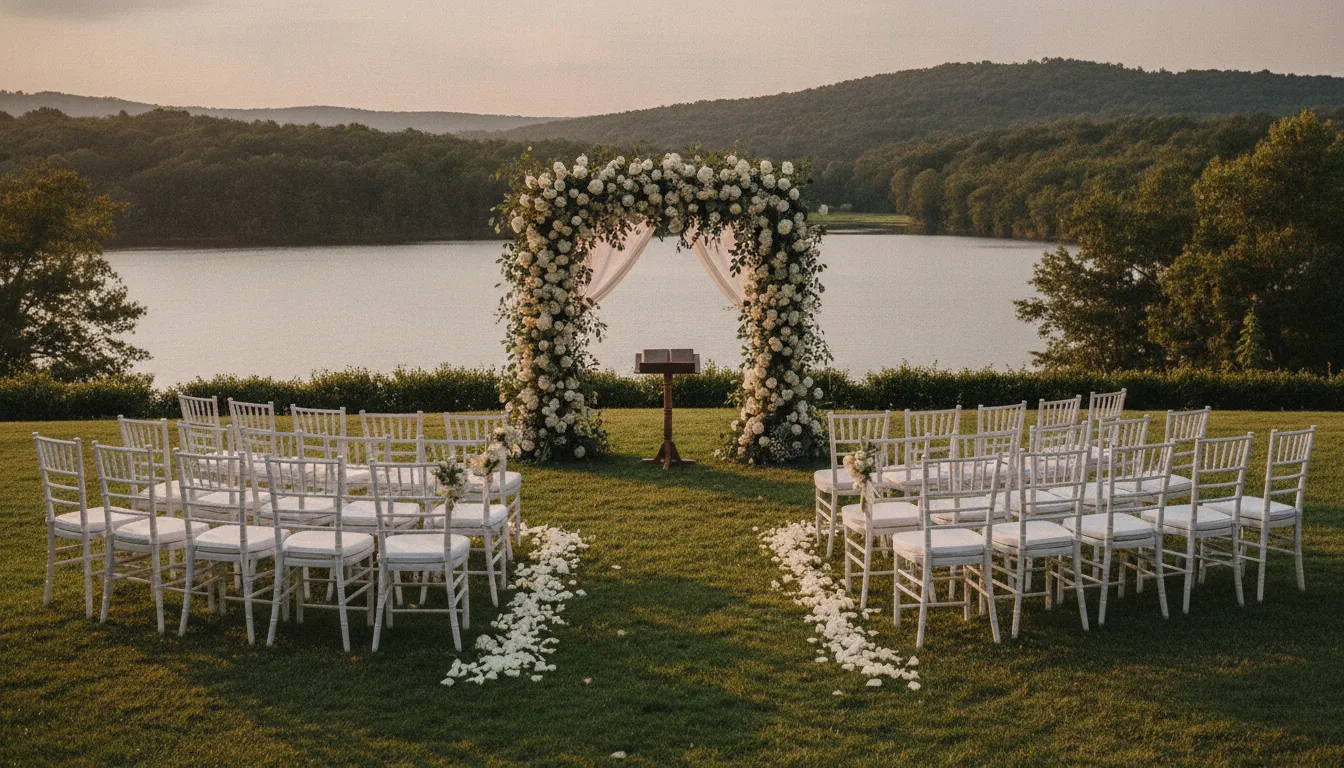




Your friends chose you to officiate their wedding for a reason. You know their story, you’ve seen their love grow, and you understand them in a way a stranger never could. This personal connection is your greatest asset, allowing you to create a ceremony that is deeply authentic and meaningful. But this special role also comes with real legal responsibilities. It’s not just about telling great stories; it’s about ensuring their marriage is valid in the eyes of the law. This guide will teach you how to become a wedding officiant for a friend by blending that personal touch with professional know-how, covering everything from ordination to the final pronouncement.
Key Takeaways
- Focus on the Legalities First: Your primary responsibility is making the marriage official, which means getting legally ordained, knowing your state's specific rules, and understanding how to correctly sign and return the marriage license.
- Make It Personal, Not Generic: Use your unique connection as a friend to craft a ceremony that tells the couple's love story; collaborate with them to include personal anecdotes and rituals that feel authentic to their relationship.
- Practice and Prepare for the Big Day: Walk into the ceremony with confidence by rehearsing your script, coordinating with the other wedding vendors, and having a small kit with essentials like the license and black ink pens.
What Does It Mean to Officiate a Wedding?
So, your friend asked you to officiate their wedding. First, take a moment to celebrate what a huge honor that is. They’ve chosen you to stand with them and guide them into marriage. But what does that job actually involve? At its core, a wedding officiant is the person who performs the marriage ceremony and legally validates the union. You are the one who leads the ceremony, guides the couple through their vows, and signs the marriage license to make it all official. It’s a role that blends public speaking with a very real legal responsibility.
Beyond the legal duties, officiating is about creating a meaningful experience. You get to be the storyteller, weaving together the couple’s history, their personalities, and their hopes for the future into a ceremony that feels uniquely them. This is your chance to work with your friends to incorporate special readings, share personal anecdotes, or lead a unity ritual that reflects their relationship. You’re not just there to handle the paperwork; you’re setting the tone for one of the most important moments of their lives, and your personal connection makes it that much more special.
To perform these duties, you must be legally authorized to do so. The rules for who can solemnize a marriage vary, so it’s crucial to understand your state-specific laws before you do anything else. For most people wanting to officiate for a friend, getting ordained online is the most straightforward and widely accepted path. This ensures you meet the legal requirements and can sign the marriage license with confidence. It’s a position of great trust and professional responsibility, but being the one to officially pronounce your friends as married is an incredibly rewarding experience.
Can You Legally Officiate a Friend's Wedding?
Yes, you absolutely can legally officiate your friend's wedding. What an incredible honor! While the role is deeply personal, it also comes with serious legal responsibilities. Think of yourself as the person who makes the marriage official in the eyes of the law. It’s not just about saying the right words during the ceremony; it’s about ensuring every legal box is checked so your friends' marriage is valid.
This might sound intimidating, but the process is straightforward once you know the steps. The requirements vary quite a bit from one place to another, so your first task is to do a little research. You'll need to understand what your state requires, whether you need to register with a local office, and how to handle the all-important marriage license. Getting these details right is the best way to honor your friends and ensure their special day goes off without a hitch. We'll walk through exactly what you need to know to feel confident and prepared. From getting ordained to filing the final paperwork, following the correct legal procedure is a non-negotiable part of the job. It’s the foundation upon which the beautiful, personal ceremony you create will stand.
Know Your State's Requirements
The first thing to know is that marriage laws are handled at the state level, and they can differ significantly. In most states, the primary requirement to officiate a wedding is that you must be an ordained minister. Getting ordained simply means you've been granted authority by a religious organization to perform marriage ceremonies. Our program at All Faith Ministry is designed to give you that authority. Before you do anything else, you need to confirm the specific state laws where the wedding will take place. Some states may have additional age or residency requirements, so it’s crucial to check the official rules to ensure you’re fully compliant.
Do You Need to Register Locally?
After you become ordained, some states and counties require an extra step: registering as a wedding officiant with the local government. This usually involves filing your ordination credentials with the county clerk's office where the ceremony will occur. For example, states like Ohio and Massachusetts require officiants to register, while others like California do not. This is not a step you want to miss. Imagine showing up on the wedding day only to find out you can't legally sign the marriage license. A quick search on the county clerk’s website will tell you if registration is necessary. Once you apply for ordination, make checking local rules your next priority.
What Happens If You Skip the Legal Steps?
Skipping the legal steps can have serious consequences, the biggest of which is that the marriage may not be legally recognized. This could create major headaches for the couple down the road with things like taxes, insurance, and property rights. As the officiant, your most critical legal duty is to properly sign the marriage license after the ceremony and return it to the county clerk’s office within the specified timeframe. Failing to do this correctly could invalidate the marriage. Following the rules is a sign of professionalism and care, and it’s a core part of our code of ethics. You’re not just performing a ceremony; you’re validating a legal union.
How to Get Ordained Online
Once you’ve confirmed your state’s legal requirements, it’s time for the most important step: getting ordained. For most people officiating a wedding for a friend, getting ordained online is the quickest and most direct path. This process is what legally empowers you to sign the marriage license and pronounce the happy couple as officially married. It might sound like a huge undertaking, but it’s surprisingly straightforward.
The key is to work with a reputable organization that not only provides a legal ordination but also offers the support you need to feel confident on the big day. Think of it this way: the ordination is your license to drive, but the training and resources are your driver's ed. Both are essential for making sure you’re prepared for the road ahead. Choosing the right partner for this step sets the foundation for a smooth, joyful, and legally sound ceremony that your friends will remember forever.
Choose the Right Ordination Program
Your first move is to select an ordination program that feels right for you. You’ll find many options online, but they aren’t all created equal. You need an organization that is nationally recognized and provides a legitimate ordination that will be accepted in the state where the wedding is taking place. It’s always a good idea to double-check the specific state laws to ensure your ordination will be valid.
Beyond simple legitimacy, look for a program that offers ongoing support. At All Faith Ministry, we don’t just hand you a certificate and wish you luck. We believe in equipping our ministers with the tools they need to succeed. When you apply for ordination with us, you join a community dedicated to celebrating love and receive access to resources that will help you every step of the way.
How Our Ordination Process Works
We’ve made our ordination process as simple as possible so you can get to the fun part: planning the ceremony. The first and most important step is to complete our online application. We’ll ask for some basic information to confirm your identity and ensure you meet the requirements. It only takes a few minutes to fill out.
Once your application is reviewed and approved, you are officially an ordained minister with All Faith Ministry. From there, you can order any official documents you might need for registration and get started with our comprehensive wedding officiant training. We provide everything you need to understand your role, write a beautiful script, and lead a ceremony with warmth and confidence. Our goal is to make sure you feel completely prepared to give your friends the amazing wedding day they deserve.
Handle the Post-Ceremony Paperwork
Once the vows are exchanged and the couple shares their first kiss as a married pair, your most important legal duty begins. While the ceremony is emotional, handling the marriage license is what makes the union official. This part can feel intimidating, but it's a straightforward process. As the officiant, you are the one who finalizes the legal document that certifies the marriage. Our wedding officiant training covers these responsibilities in detail, ensuring you feel completely confident when it's time to sign on the dotted line.
What Is a Marriage License?
A marriage license is the official permit from a government body, usually a county clerk's office, that grants a couple permission to get married. The couple is responsible for getting this document before the wedding day. It’s important to know that licenses have an expiration date, and some states have a waiting period between when the license is issued and when the ceremony can legally take place. While it's the couple's job to get the license, a quick reminder from you to check these details can be a huge help and prevent last-minute stress.
Who Handles the Marriage License?
Think of the marriage license as a baton in a relay race. The couple gets it, and then they pass it to you. They are responsible for obtaining the license from their local government office before the wedding. On the day of the ceremony, your first legal task is to see the physical license and confirm it's all in order. After you've pronounced them married, you and the witnesses will sign it. From that point, the responsibility is yours to return the signed license to the issuing office. The specific state laws can vary on who returns it, so it's always best to confirm the rules for your location.
How to Correctly Sign and Submit the License
This is your moment to make it official. Before you sign, read the document carefully. Use a pen with black ink and write neatly. You’ll typically need to provide your name, title (like "Minister"), address, and the date and location of the ceremony. Double-check that everything is filled out completely to avoid processing delays. Once it's signed, take a clear photo for your own records. Then, submit the original license to the correct government office before the deadline. Following the proper procedures ensures your friends' marriage is legally recognized without a hitch and upholds the professional standards outlined in our Code of Ethics.
Write a Personal Wedding Ceremony Script
Once you’re legally ordained and have the paperwork sorted, you get to focus on the most creative and personal part of your role: writing the wedding ceremony script. This is where you truly step into your role as the storyteller and guide for your friends' big day. A great ceremony script is the foundation of a memorable wedding. It weaves together the legal necessities with the couple's unique love story, creating a moment that feels both significant and deeply personal. Don't feel like you have to create it from scratch in a vacuum. The best scripts come from collaboration with the couple.
Your job is to structure the flow of the ceremony, from the moment you welcome the guests to the final, joyful pronouncement. Think of yourself as the director of a short, beautiful play. You'll set the tone, guide the emotional arc, and ensure all the key players know their cues. While every ceremony is different, most follow a familiar pattern: a welcome, a story about the couple, the exchange of vows and rings, and the pronouncement. Our wedding officiant training offers templates and examples that you can adapt, giving you a solid starting point to build upon. The goal is to craft a script that feels authentic to your friends and allows you to officiate with confidence and heart.
Craft the Welcome and Opening
The first words you speak set the tone for the entire ceremony, so make them count. Your welcome should be warm, genuine, and inclusive. Start by welcoming the guests and thanking them for being there to celebrate this special occasion. You can briefly introduce yourself and your connection to the couple, which adds a lovely personal touch, especially since you're their friend. This is also a good moment to ask everyone to silence their phones. The opening, or invocation, officially begins the ceremony. It’s a short statement about the purpose of the gathering: to witness and celebrate the union of two people in love.
Tell the Couple's Love Story
This is the heart of a personalized ceremony and your chance to shine as a friend. Before you start writing, sit down with the couple. Ask them questions about their journey: How did they meet? What was their first date like? When did they know they were in love? What do they admire most about each other? Collect these beautiful, funny, and touching anecdotes. Then, weave them into a short narrative. Your unique perspective as their friend can add a special layer, but always run the final story by the couple. You want to share their story in a way that honors them and feels true to their experience, reflecting the high standards of our Code of Ethics.
Incorporate Readings and Rituals
Readings and rituals are a wonderful way to add layers of meaning and symbolism to the ceremony. Talk to the couple about what might resonate with them. This could be anything from a favorite poem or a passage from a book to a religious text. You can also suggest unity rituals, like a handfasting ceremony, a sand ceremony, or lighting a unity candle. These symbolic actions create powerful visual moments that represent the couple's union. If they choose to include a reading, you can have a special family member or friend perform it. Just be sure to coordinate with that person beforehand so they are prepared and confident.
Guide the Exchange of Vows
The exchange of vows is the emotional peak of the ceremony. It typically has two parts: the Declaration of Intent and the vows themselves. The Declaration of Intent, often called the "I do's," is the legally required part where each person declares their intention to marry. The specific wording can vary, so it's a good idea to check your state laws to ensure you meet all requirements. Following this, the couple will exchange vows. They might choose traditional vows or write their own. If they write their own, have a backup copy for them just in case emotions run high. Your role here is to guide them gently, prompting them line by line if needed.
Deliver the Final Pronouncement
This is the moment everyone has been waiting for. After the vows and rings have been exchanged, it's time for you to make it official. The pronouncement is the powerful declaration that legally and ceremonially seals the marriage. You’ll say the classic lines, "By the power vested in me..." and officially introduce the married couple to their cheering friends and family for the very first time. Work with your friends to decide on the exact wording they’d like. After the pronouncement comes the first kiss, so be sure to step aside to give the photographer a clear shot of this iconic moment. It’s the perfect, joyful conclusion to the ceremony you’ve so carefully crafted.
Use Your Friendship to Personalize the Ceremony
As a friend, you have a unique advantage that no other officiant can offer: you know the couple’s story. You’ve seen their relationship grow, you know their inside jokes, and you understand what makes their partnership special. This personal insight is your superpower. It allows you to craft a ceremony that feels authentic and deeply moving, transforming a standard script into a one-of-a-kind celebration of their love. Your familiar presence will also help the couple feel more relaxed and present during a moment that can often feel overwhelming.
The key to using this advantage well is collaboration. Sit down with your friends to discuss their vision for the ceremony. Ask them about the tone they envision, do they want it to be lighthearted and funny, deeply sentimental, or a blend of both? This is also the time to talk about incorporating specific elements, like personal vows or unity rituals. Having this open conversation ensures that the personal touches you add will enhance their dream ceremony, not overshadow it. Our wedding officiant training can give you the tools to lead these conversations with confidence and care.
While you have a wealth of memories to pull from, choose which stories to share with intention. Focus on anecdotes that highlight their best qualities, both as individuals and as a couple. Think about moments that showcase their kindness, their humor, or the way they support each other. The goal is to honor their journey, not to share an embarrassing story from college. To be safe, always run any personal stories by the couple beforehand. A wedding ceremony is not the place for surprises.
Ultimately, your primary role is to bring the couple's vision to life. This means respecting their wishes completely, whether they want a traditional religious service or a modern, secular celebration. Your job is to honor their beliefs and choices without judgment. This commitment to the couple's desires is a fundamental part of an officiant's professional code of ethics. By combining your personal connection with professional integrity, you can give your friends a truly meaningful gift: a ceremony that is as unique and beautiful as their love story.
Officiate with Confidence: Day-Of Tips
The script is written, the legalities are handled, and the big day is finally here. It’s completely normal to feel a mix of excitement and jitters. After all, you’re about to play a huge role in one of your friend’s most important moments. But with a little preparation, you can step up to the altar feeling calm, collected, and ready to lead a beautiful ceremony. Think of this as your day-of game plan. These tips will help you manage everything from your script to any unexpected surprises, ensuring the ceremony is memorable for all the right reasons. You’ve done the hard work to get here; now it’s time to shine.
Rehearse and Prepare
Confidence comes from preparation, and the best way to prepare is to rehearse. Read your ceremony script out loud several times until the words flow naturally. This helps you catch any tongue-twisters and find a comfortable pace. Try practicing in front of a mirror or recording yourself to check your tone and body language. It’s also a great idea to time your delivery to make sure it aligns with the couple’s timeline. On the day of, bring a polished copy of your script. Print it in a large, easy-to-read font and place it in a discreet, professional-looking folder or binder. You can find beautiful, high-quality ceremony folders in our AFM Store that will look great in photos.
Your Wedding Day Officiant Kit
Think of yourself as the keeper of the ceremony's most important elements. Pack a small "officiant kit" with everything you'll need. The most critical item is the couple's marriage license. Keep it safe, dry, and uncreased. You'll also want to bring a couple of good-quality black ink pens for signing the license, as pens provided by venues can sometimes be unreliable. Of course, include your printed ceremony script. It’s also wise to have the contact information for the wedding planner and a few other key vendors. A bottle of water, some tissues, and mints are also great additions to have on hand. Being prepared with these essentials means you can focus entirely on the ceremony.
Coordinate with the Wedding Team
While you are leading the ceremony, you are also part of a larger team dedicated to making the day perfect for the couple. Arrive at the venue a little early to connect with the other wedding professionals, like the coordinator, photographer, and DJ or musicians. Introduce yourself and confirm any important cues. For example, check with the DJ on the signal to start the processional music and ask the photographer where the best place is for you to stand. This simple coordination ensures everyone is on the same page and helps the ceremony flow seamlessly. This level of professionalism is a cornerstone of our officiant Code of Ethics.
Manage Nerves and Handle the Unexpected
Even seasoned officiants get a little nervous before a ceremony. Take a few deep, calming breaths before you walk to the front. Remember, you’re there because the couple trusts you. Channel that nervous energy into excitement for your friends. Weddings are live events, and sometimes things don’t go exactly as planned. A flower girl might get shy, a ring could be dropped, or a microphone might cut out. Your job is to remain calm and flexible. A warm smile and a steady presence can smooth over any minor hiccup. If you can handle the unexpected with grace, the couple and their guests will feel at ease. Our wedding officiant training is designed to help you build this exact kind of on-your-feet confidence.
From Friend to Pro: Should You Officiate Full-Time?
So, you did it. You officiated your friend’s wedding, and it was incredible. You stood up there, shared their story, and felt the energy of the crowd. Now, you’re left with a warm, fuzzy feeling and a big question: could you do this for a living?
That spark of joy is often the first sign that you’ve found something special. But turning a passion into a profession involves more than just a love for love stories. Going from a one-time favor for a friend to a full-time career means you’re not just an officiant; you’re a small business owner. This shift requires some real business acumen, from marketing yourself to attract couples, to managing contracts and finances.
Before you print business cards, take a moment to assess the market demand in your area. Are couples looking for the unique, personalized ceremonies you want to offer? Many successful officiants start by taking on a few weddings a year as a side gig. This approach lets you gain experience and see if the reality of the job matches your passion, without the pressure of it being your only source of income.
If you decide to move forward, remember that professionalism is key. This means having a deep understanding of the legal side of marriage in your state and adhering to a strong ethical code. To truly succeed and build a reputation, you need to be a trusted, reliable guide for every couple you work with. Investing in professional development, like a comprehensive wedding officiant training program, can give you the skills and confidence to create meaningful ceremonies for any couple that comes your way.
Related Articles
- The Complete Process of How to Become a Wedding Officiant
- How to Become a Wedding Officiant | License, Steps & Career
- How to Become a Wedding Officiant | Step-by-Step Guide
- Become a Wedding Officiant: Step-by-Step Guide & Legal Tips
Frequently Asked Questions
Is getting ordained online really enough to legally marry my friends? Yes, in most states, getting ordained online through a recognized ministry is a completely valid way to gain the legal authority to perform a marriage. The most important thing is to choose a reputable organization and then check the specific laws for the state and county where the wedding will take place. Some areas require you to register with a local clerk's office after you're ordained, so confirming those local rules is a crucial step you can't skip.
Once I'm ordained, what's the most important legal task I need to handle? Your most critical legal duty is correctly handling the marriage license. The couple is responsible for getting the license before the wedding, but you are responsible for signing it after the ceremony and returning it to the government office by the deadline. Before you sign, double-check that all the information is correct and use a pen with black ink. This piece of paper is what makes the marriage official, so treating it with care is your top priority.
I'm not a writer. Where do I even start with writing a wedding ceremony? You don't need to be a professional writer to create a beautiful ceremony. Start by talking with your friends about their story: how they met, what they love about each other, and the feeling they want for their ceremony. Use that conversation as your guide. Most ceremonies follow a simple structure: a welcome, the couple's story, the vows, the ring exchange, and the final pronouncement. You can use a template as a starting point and fill it with the personal details that only you, as their friend, would know.
What are the top things I should do on the wedding day to make sure everything goes smoothly? First, arrive a little early to connect with the wedding planner, photographer, and DJ. Confirming cues with them ensures a seamless flow. Second, have a neat, easy-to-read copy of your script in a professional folder. And third, keep the marriage license and a good black ink pen somewhere safe until it's time to sign. A calm, prepared presence is the best gift you can give your friends, and yourself, on the big day.
How do I make the ceremony personal without sharing embarrassing stories? This is a great question. The goal is to honor your friends, not roast them. Before you write, ask them what stories or qualities they would like you to highlight. Focus on anecdotes that showcase their love, their kindness, or their shared sense of humor. Think about what makes them a great team. Always, always run the personal stories by the couple before the ceremony. A wedding is not the right time for surprises.