How to Get Ordained in Minnesota: Step-by-Step for New Officiants
Minnesota is home to thousands of weddings every year — from lakeside ceremonies in the Boundary Waters region to urban celebrations in Minneapolis and St. Paul, and elegant barn weddings across the countryside. With such a vibrant wedding scene, the demand for qualified, legally ordained officiants is steady and growing.
If you've been asked to officiate a wedding in Minnesota, or if you're considering becoming a professional wedding officiant in the Land of 10,000 Lakes, this guide walks you through exactly what the state requires, how to get ordained quickly, and how your All Faith Ministry credential holds up under Minnesota law.
Who Can Legally Officiate a Wedding in Minnesota?
Under Minnesota Statutes § 517.04, a marriage may be solemnized by an ordained minister of any religious denomination. Minnesota courts and county offices have consistently recognized ordained ministers from online religious organizations as meeting this requirement, provided the organization is established and legitimate.
All Faith Ministry is a legally recognized religious organization. When you receive your AFM ordination credential, you are ordained as a minister in good standing — fully authorized to solemnize marriages throughout the state of Minnesota.
Is Online Ordination Legal in Minnesota?
Yes. Minnesota does not restrict ordination to a specific denomination or require officiants to be ordained through a traditional in-person religious institution. Online ordinations from established religious organizations — including All Faith Ministry — are legally recognized for the purpose of solemnizing marriages in Minnesota.
Your AFM ordination is valid statewide — from the Twin Cities metro to Duluth, Rochester, and every county in between.
How to Get Ordained in Minnesota: Step by Step
Getting ordained through All Faith Ministry is fast and entirely online. Here's the complete process:
Step 1: Apply for Ordination Online
Visit the All Faith Ministry ordination page and submit your application. The process is entirely digital — no in-person visit, no waiting period, and no extensive background requirements.
Step 2: Receive Your Ordination Credentials
Once approved, you'll receive your official AFM ordination documents confirming your status as an ordained minister in good standing. Print these and bring them to every ceremony.
Step 3: The Couple Obtains a Marriage License
In Minnesota, the couple must apply for a marriage license from the county court administrator in the county where either person lives — or in the county where the ceremony will take place if neither person is a Minnesota resident. There is a 5-day waiting period after the license is issued before the ceremony can take place. The license is valid for 6 months.
Step 4: Perform the Ceremony
As an ordained AFM minister, you are authorized to perform the ceremony anywhere in Minnesota. There is no requirement to pre-register with a state agency or county office before officiating.
[H3] Step 5: Sign and Return the Marriage License
After the ceremony, you and the couple must sign the marriage license. The signed license must be returned to the county court administrator's office that issued it. The marriage is not officially recorded until the office receives the signed license — do not delay this step.
Do You Need to Register as an Officiant in Minnesota?
No. Minnesota does not require officiants to register with a government office before performing a wedding ceremony. Your AFM ordination credential is the only document you need. There is no state registry for officiants and no government-issued officiant permit.
It is always a good practice to bring a printed copy of your ordination credential to the ceremony. While it will rarely be requested, having it available demonstrates professionalism and can quickly resolve any questions from venue staff or the couple's family.
The 5-Day Waiting Period: What Officiants Need to Know
Minnesota is one of a smaller number of states that requires a 5-day waiting period between the issuance of the marriage license and the date of the ceremony. This is an important detail to communicate to couples early in the planning process.
As the officiant, make sure the couple is aware of this requirement and has applied for their license with enough lead time. A couple that applies for their license the day before the wedding cannot legally have their ceremony the next day in Minnesota.
The only exception is if the court grants a waiver of the waiting period — which requires a court order and is not guaranteed. Always plan ahead.
Officiating Weddings Across Minnesota
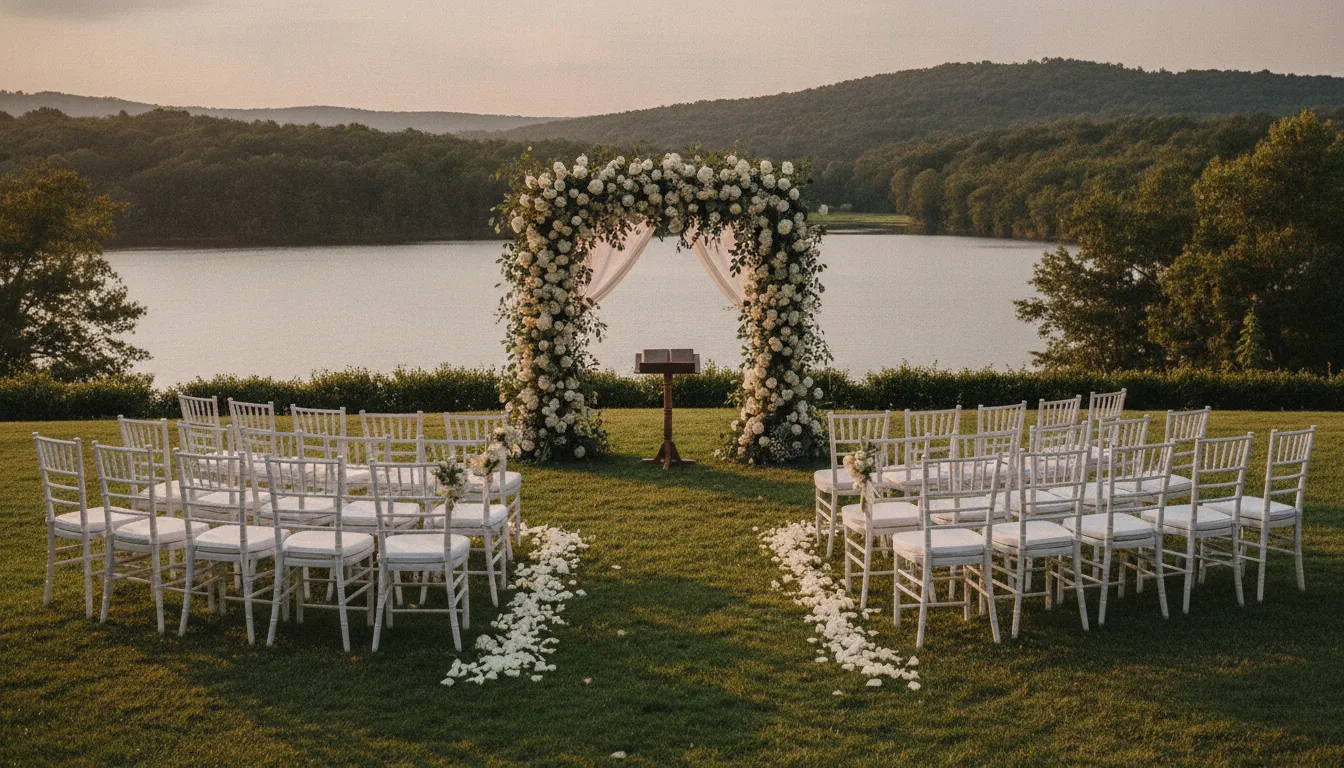
Minnesota offers a remarkable variety of wedding settings. The Twin Cities metro area hosts hundreds of weddings annually in historic venues, rooftop spaces, and urban gardens. Northern Minnesota draws couples seeking lakeside and wilderness ceremonies, while southern Minnesota's rolling farmland and barn venues are perennially popular.
As an AFM-ordained officiant, you can perform ceremonies anywhere in the state. A few practical notes:
Winter Weddings
Minnesota winters are serious. If you are officiating an outdoor or semi-outdoor ceremony between November and March, plan for extreme cold and have a clear indoor backup option confirmed with the couple.
Venue Requirements
Many Minnesota venues — particularly popular barn and estate venues — have preferred vendor lists. As an independent officiant, confirm with the venue that outside officiants are welcome before the couple books.
Northern Minnesota and Remote Locations
For ceremonies in remote northern Minnesota locations, confirm the county clerk's office location and license return procedures in advance, as some rural counties have limited office hours.
How Much Do Wedding Officiants Make in Minnesota?
Wedding officiants in Minnesota typically charge between $150 and $350 per ceremony, with experienced officiants in the Twin Cities metro earning more for personalized or full-ceremony packages. The market is strong year-round, with peak season running from May through October.
Whether you are officiating one ceremony for a friend or building a professional officiating business, your AFM ordination is the legal credential that makes it possible.
Get Ordained in Minnesota Today
All Faith Ministry makes it simple to become a legally ordained wedding officiant in Minnesota. The ordination process is fully online, takes only minutes, and gives you the credential you need to perform ceremonies anywhere in the state.
Once ordained, you'll be ready to lead ceremonies across Minnesota — from a lakeside dock in the Boundary Waters to a rooftop venue in downtown Minneapolis — with the legal credentials to back it up.
Minnesota's officiant requirements are clear and straightforward. Get ordained with All Faith Ministry, make sure the couple has their license from the correct county with enough lead time to clear the 5-day waiting period, perform a ceremony you're proud of, and return the signed license promptly.
Frequently Asked Questions
Does Minnesota recognize online ordination?
Yes. Minnesota law recognizes ordained ministers of any religious denomination, and courts throughout the state have consistently recognized online ordinations from established organizations like All Faith Ministry.
Do I need to register as an officiant in Minnesota?
No. Minnesota does not require officiants to register with a government office before performing a ceremony. Your AFM ordination credential is sufficient to legally officiate weddings anywhere in the state.
What is the 5-day waiting period in Minnesota?
Minnesota requires couples to wait 5 days after their marriage license is issued before the ceremony can take place. Make sure the couple applies for their license well in advance of the wedding date. The license is valid for 6 months.
Can I officiate a wedding in Minnesota if I live in another state?
Yes. Minnesota has no residency requirement for officiants. As long as you are ordained by a recognized religious organization like All Faith Ministry, you can officiate a wedding anywhere in Minnesota regardless of where you live.