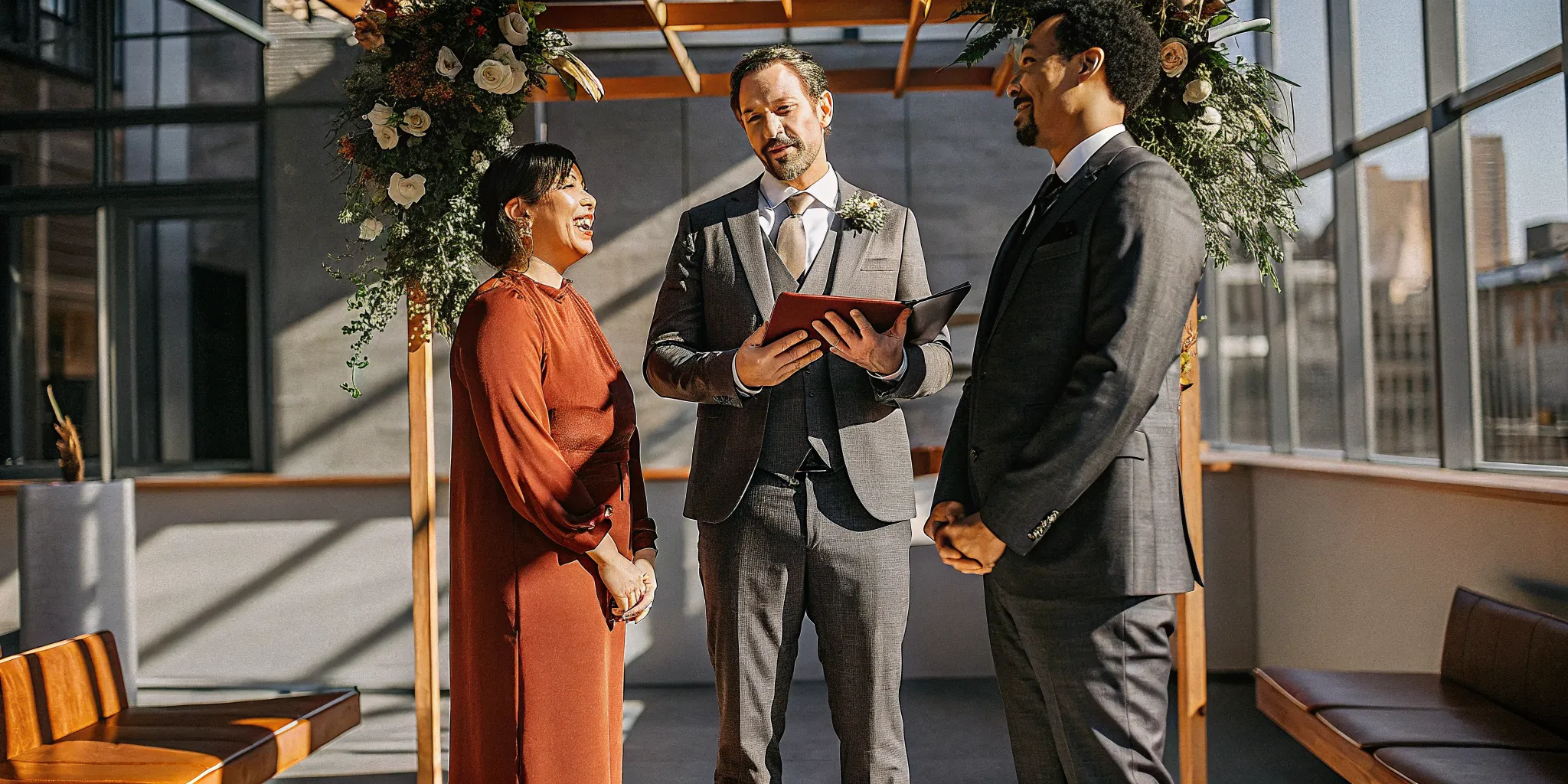




The beauty of a non-religious wedding is the freedom it offers. You and the couple have a blank canvas to create a ceremony that is a true reflection of their love story. But that freedom can also be a little intimidating. How do you structure a ceremony that feels complete without relying on traditional prayers or readings? The answer lies in focus and intention. A great ceremony doesn’t need to be long to be powerful. This guide will show you how to build a short and sweet wedding ceremony script non religious in style, focusing on the elements that matter most: the couple’s story, their promises, and the celebration of their union. We’ll cover how to make every word count, creating a ceremony that is both concise and deeply meaningful.
Key Takeaways
- Build on a solid framework: A great ceremony flows naturally from one moment to the next. Use the five key parts (welcome, declaration of intent, vows, rings, and pronouncement) as your foundation to create a complete experience that also meets all legal requirements.
- Focus on the couple's story: The most memorable ceremonies are built on personal details. Ask the couple about their journey, what they love about each other, and their hopes for the future to create a script that is truly theirs, not just a generic template.
- Rehearse for a flawless delivery: Confidence comes from preparation. Read your script aloud multiple times to get comfortable with the pacing and smooth out any awkward phrasing. This practice ensures you can be a calm, present guide for the couple on their big day.
What Makes a Wedding Script Short and Sweet?
A short and sweet wedding script isn’t about rushing through the ceremony. It’s about creating a meaningful, focused experience that celebrates the couple without any unnecessary filler. Modern ceremonies have very few rules, giving you and the couple the freedom to design something that feels authentic. The goal is to craft a script that is both concise and complete, hitting all the essential notes while keeping the spotlight firmly on the couple's love and commitment. This approach often results in a more intimate and personal event that guests will remember for its heartfelt sincerity, not its length.
The Must-Have Components of Any Script
Even the briefest non-religious ceremony has a few essential parts. While you have a lot of creative freedom, there are two components that are legally required in most places: the Declaration of Intent (the "I do's") and the Pronouncement of Marriage. These are the moments that make the marriage official. To create a smooth flow, you’ll want to frame these legal requirements with a few other key elements. A typical structure includes a procession, welcoming words to the guests, the Declaration of Intent, and finally, the pronouncement. Understanding your local state laws is crucial to ensure every ceremony you perform is legally sound.
Why a Shorter Ceremony Can Be Better
A shorter ceremony keeps the energy high and the focus tight. When a script is direct and heartfelt, every word carries more weight. This helps you create an intimate atmosphere where the couple’s commitment is the main event. Instead of filling time with generic readings or long-winded anecdotes, you can zero in on what makes the couple unique. This honors the principle that a great marriage is a partnership built day by day, a truth that doesn't require a lengthy explanation. As an officiant, your role is to facilitate a moment that is genuine and memorable, and sometimes, the most powerful way to do that is with a beautifully concise script.
What Are the Key Parts of a Non-Religious Ceremony?
When you strip away the religious traditions, what’s left? A whole lot of heart, that’s what. A non-religious ceremony focuses entirely on the couple, their love story, and their commitment to each other. While you have a ton of creative freedom, most secular ceremonies follow a familiar structure. This flow helps the event feel both personal and official, guiding the couple and their guests through a meaningful experience. Think of it as a narrative arc: it has a beginning, a middle, and a celebratory end.
Understanding these key components is the foundation of officiating a beautiful ceremony. It gives you a framework to build upon, allowing you to collaborate with the couple to create something that truly reflects who they are. From the moment you welcome the guests to the final pronouncement, each part has a distinct purpose. Mastering this structure is a core part of our wedding officiant training, as it ensures you can lead any ceremony with confidence and grace. The five essential parts are the welcome, the declaration of intent, the exchange of vows, the exchange of rings, and the pronouncement. Let’s look at what each one involves.
The Welcome and Opening Remarks
This is your opening act. The welcome, or invocation, is where you greet the guests and set the tone for the entire ceremony. You’ll start by welcoming everyone and thanking them for being there to celebrate with the couple. This is your chance to create a warm, intimate atmosphere and draw everyone’s attention to the present moment. You might say something like, "Welcome, friends and family. We are gathered here today to celebrate the incredible love between [Partner A] and [Partner B] and to witness the beginning of their next chapter together." Your opening remarks should be genuine and heartfelt, making everyone feel included in this special occasion.
The Declaration of Intent
Often called the "I do's," the declaration of intent is a pivotal moment. This is where each partner formally and publicly affirms their desire to marry the other. As the officiant, you will ask each person a direct question about their intention to enter into marriage. For example: "[Partner A], do you take [Partner B] to be your partner in life, to love, honor, and cherish, from this day forward?" Each partner’s response of "I do" or "I will" is their verbal contract. This step is not just symbolic; it’s a legal requirement in many areas, so it’s crucial to understand your local state laws.
Exchanging Vows
The vows are the heart and soul of the wedding ceremony. This is when the couple makes their promises to one another, sharing the commitments they will uphold in their marriage. Many couples in non-religious ceremonies choose to write their own vows, which adds a deeply personal touch. Whether they write their own or choose to repeat traditional lines after you, your job is to guide them through this emotional exchange. You can find more inspiration in our complete non-religious wedding ceremony script guide. This moment is all about their unique promises, and it’s often the most memorable part for everyone involved.
Exchanging Rings
After the vows, the couple exchanges rings as a physical symbol of their promises. The rings represent their unending love and the commitment they’ve just made to each other. As the officiant, you can introduce this part by explaining the symbolism of the rings. You might say something like, "These rings are a visible sign of your vows. Their circular shape represents the eternal nature of your love and the promises you’ve shared today." The act of placing the ring on each other's finger is a powerful, tangible moment that reinforces the vows and solidifies their union in a beautiful, visual way.
The Pronouncement of Marriage
This is the grand finale! The pronouncement is your official declaration that the couple is legally married. After they have exchanged vows and rings, you get to deliver the line everyone has been waiting for. With joy and authority, you can say, "By the power vested in me, I now pronounce you married!" This is typically followed by the much-anticipated first kiss. The pronouncement marks the end of the ceremony and the beginning of the celebration. It’s a truly joyful moment, and being the one to make it official is one of the greatest honors of being an officiant. If you're ready to take that step, you can apply for ordination with us.
How Long Should a Non-Religious Ceremony Be?
One of the most common questions couples ask is, "How long should our ceremony be?" The honest answer is that there’s no magic number. Most non-religious ceremonies land somewhere between 15 and 30 minutes. This is the sweet spot that feels significant without losing the attention of guests. Your main goal as an officiant is to help the couple create a ceremony that reflects their personality and love story, whether that takes 10 minutes or 25. The right length is whatever feels authentic to them.
Finding the Right Length for Your Ceremony Style
The ideal ceremony length really depends on the couple's vision for their day. Are they looking for something short, sweet, and to the point so they can get right to the celebration? In that case, a 10 to 15-minute ceremony with the core components is perfect. This style is great for elopements or more casual weddings. If the couple wants a more personalized and story-driven ceremony with special readings or rituals, you’ll likely be looking at the 20 to 30-minute range. Our Wedding Officiant Training can help you master the art of pacing for any ceremony style, ensuring you feel confident guiding your couples to the perfect timeline for their big day.
What Factors Influence Ceremony Length?
Several elements can add time to a ceremony script. The biggest factor is personalization. If the couple writes their own vows, that can add several minutes compared to standard "repeat after me" vows. Other common additions include readings by family or friends, musical performances, or a unity ritual like a sand ceremony or handfasting. Even the processional and recessional can affect the timeline, especially with a large wedding party. As the officiant, you can help the couple map out these moments to build a ceremony that flows beautifully and feels just right. It’s all about balancing the meaningful moments with a pace that keeps everyone engaged from start to finish.
How to Personalize a Non-Religious Wedding Script
A great non-religious script moves beyond a generic template and truly reflects the couple standing before you. Personalization is what makes a ceremony feel authentic and memorable for everyone involved. It’s your job as the officiant to draw out the details that make the couple’s relationship unique and weave them into a ceremony that feels completely their own. By focusing on their story, values, and community, you can create a short and sweet ceremony that is packed with meaning.
Weave in the Couple's Love Story
The heart of any wedding ceremony is the couple's love story. This is your chance to share how they met, what they love about each other, and the journey that brought them to this day. Before you start writing, sit down with the couple or send them a questionnaire to gather these special details. Ask about their first date, the moment they knew they were in love, or a funny anecdote that captures their dynamic. Weaving these personal stories into the opening remarks helps guests feel more connected to the ceremony and reminds the couple of their shared history. Our wedding officiant training can help you master the art of storytelling for ceremonies.
Add Meaningful Readings or Quotes
Readings add depth and emotion to a ceremony, and in a non-religious script, you have complete freedom to choose passages that resonate with the couple. Think beyond traditional texts and consider quotes from their favorite books, lines from a meaningful song, or excerpts from poetry that speak to their vision of marriage. You could even use a quote from a movie they both love. The goal is to select words that reflect their personalities and values. This is a simple way to incorporate different voices into the ceremony while staying true to the couple’s unique style and our Code of Ethics which encourages tailoring each ceremony.
Include a Unity Ceremony or Ritual
A unity ceremony is a beautiful way to add a symbolic and visual element to the proceedings. Since you aren’t bound by religious traditions, you and the couple can get creative. Popular options include a sand ceremony, where the couple pours two different colors of sand into one container to symbolize their lives blending together. Other ideas include a handfasting ritual, planting a tree, or even mixing a cocktail they both enjoy. This ritual creates a tangible representation of their union and gives them a special moment to share. Just be sure the ceremony complies with all state laws and venue rules.
Get Guests Involved in a Creative Way
A wedding is a community celebration, so why not invite the guests to participate? Involving friends and family makes the ceremony feel more intimate and engaging. You could do a ring-warming ceremony, where the wedding bands are passed among the guests for them to hold and imbue with good wishes before the exchange. Another simple idea is to ask guests to stand and offer a collective vow of support for the couple. These moments don’t take much time, but they create a powerful sense of connection and shared joy. If you're ready to lead these moments, you can apply for ordination with us today.
Sample Scripts for a Short, Non-Religious Ceremony
Having a few go-to scripts in your back pocket is one of the best ways to feel prepared as a wedding officiant. Think of these as templates, not rigid rules. They provide a solid structure that you can adapt and personalize for each unique couple you work with. Whether your couple wants a quick "I do" or a slightly longer ceremony that shares a piece of their story, these frameworks will help you craft a beautiful, memorable, and secular celebration.
The key is to find a length and style that feels authentic to the couple. Some people dream of a simple, straightforward ceremony, while others want to include more personal touches. Your role is to guide them through the options and build a script that reflects their relationship perfectly. Below are three sample outlines for short, non-religious ceremonies, ranging from a quick five-minute exchange to a more detailed fifteen-minute celebration. Each one can be a great starting point for your wedding officiant training and practice. Use them to build your confidence and develop your own unique officiating style. Remember, the goal isn't just to read words, but to create an atmosphere of love and celebration that honors the couple's commitment.
The 5-Minute Express Script
This script is for the couple who wants a ceremony that is simple, modern, and straight to the point. It’s perfect for elopements, courthouse-style weddings, or for couples who just want to get to the celebration. The focus here is purely on the commitment. You’ll include the absolute essentials: a very brief welcome to the guests, the declaration of intent (the "I do's"), the exchange of rings, and the final pronouncement. There are no long readings or stories, just the core components that make a marriage official. Even in a quick ceremony, your warm and steady presence helps make the moment feel significant and joyful.
The 10-Minute Classic Script
The ten-minute ceremony is a popular choice because it strikes a wonderful balance. It’s long enough to feel substantial and personal, yet short enough to hold everyone’s attention. This script includes all the elements of the express version but adds a little more warmth and personality. You might start with a slightly longer welcome and some opening remarks about love and commitment. This is also a great place to include a short, secular reading or a brief anecdote about the couple that you gathered during your planning conversations. It allows for a bit more storytelling without making the ceremony feel drawn out, giving the couple a complete and heartfelt experience.
The 15-Minute Personalized Script
For couples who want a short ceremony that is deeply personal, the fifteen-minute script is the perfect fit. This option provides enough time to weave in more of the couple’s unique story. You can expand on the opening remarks, share how the couple met, or talk about what their commitment means to them. This is also the ideal length to incorporate a unity ritual, like a handfasting or sand ceremony. You could even invite a friend or family member to share a reading. While this script requires more collaboration, it’s an opportunity to create something truly one-of-a-kind. Just remember to ensure all the legal requirements outlined by your state laws are still clearly met.
Common Script-Writing Mistakes to Avoid
Crafting a wedding script is one of the most rewarding parts of being an officiant. It’s your chance to tell a beautiful story and create a moment the couple will cherish forever. But as with any creative process, a few common slip-ups can happen along the way. Knowing what to watch out for will help you write and deliver a ceremony that feels polished, personal, and professional. From keeping the timing just right to making sure all the legal boxes are checked, avoiding these simple mistakes will ensure the ceremony is memorable for all the right reasons. Let’s walk through some of the most frequent missteps and how you can sidestep them with a little planning.
Don't Let the Ceremony Drag On
One of the biggest advantages of a non-religious ceremony is its focus on the couple’s unique story and shared values. However, it’s easy to get carried away and pack in too much detail, causing the ceremony to feel long and drawn out. Remember, the goal is to captivate the guests, not put them to sleep. A great ceremony is tight, focused, and purposeful. Every reading, story, and ritual should have a clear reason for being there. Keep your script concise and impactful to hold everyone’s attention and let the most important moments shine.
Don't Overlook Legal Requirements
While personalization is key, a wedding is also a legal contract. It’s absolutely essential that you include the legally required elements to make the marriage official. These moments, like the Declaration of Intent (the "I do's") and the final pronouncement, are non-negotiable. Every state has slightly different rules, so it’s your responsibility as the officiant to understand the specific legal requirements for where the ceremony is taking place. Building a beautiful, custom ceremony is wonderful, but ensuring the couple is legally married is your most important job.
Avoid Generic, Impersonal Content
It can be tempting to pull a generic script from the internet, but these often feel hollow and disconnected from the couple. They can be filled with clichés that lack the sense of occasion a wedding deserves. Your role is to create a ceremony that reflects the couple’s personalities and relationship. Take the time to talk with them, ask questions, and listen to their stories. Weaving in personal anecdotes and inside jokes makes the ceremony authentic and meaningful. Our wedding officiant training can help you learn how to draw out these important details from your couples.
Don't Forget to Practice
Even the most beautifully written script can fall flat without a confident delivery. Practice is not optional. Read the entire ceremony out loud multiple times to get comfortable with the flow and timing. This helps you catch any tongue-twisters or awkward phrases before the big day. A great practical tip is to write the couple’s names on the top of every page to avoid any slip-ups. Make sure you know how to pronounce everyone’s names correctly, especially those in the wedding party. A little rehearsal goes a long way in helping you feel calm and prepared at the altar.
How to Write Meaningful, Non-Religious Vows
Vows are the heart of the wedding ceremony. For many couples, especially those opting for a non-religious service, this is the moment to share promises that truly reflect their unique relationship and shared values. As their officiant, you can guide them in crafting words that are both personal and profound. Your role is to help them find the right balance between heartfelt emotion and the sincere gravity of the occasion. By offering structure and encouragement, you empower the couple to create a central part of their ceremony that they will remember for a lifetime. Our wedding officiant training provides in-depth techniques for helping couples through this creative process.
Choosing Between Personal and Traditional Vows
One of the first conversations to have with a couple is whether they want to write their own vows or use a more traditional format. Many couples today want to write personal vows, seeing it as an opportunity to make their ceremony deeply meaningful. This allows them to speak from the heart and share promises specific to their partnership. On the other hand, some couples feel intimidated by the idea of writing or may prefer the simplicity of a classic vow exchange. In a non-religious context, "traditional" can simply mean a straightforward call-and-response, like "I do" or "I will." Your job is to present both options without pressure, ensuring the couple chooses what feels most comfortable and authentic to them.
Tips for Vow Length and Structure
When a couple decides to write their own vows, they often ask for guidance on length and format. A good rule of thumb is to aim for vows that take about one to two minutes to read aloud. This is long enough to be meaningful but short enough to hold everyone's attention and be memorable. Suggest a simple structure to help them get started. They can begin by sharing what they love about their partner, then make a few clear promises for their future together, and finally, close with a concluding thought about their shared life. For example: "I promise to support your dreams, to stand by you through challenges, and to create a life filled with laughter, adventure, and love." This framework provides direction while leaving plenty of room for personalization.
How to Keep Vows Authentic and Secular
The key to powerful non-religious vows is authenticity. Encourage couples to avoid clichés or gimmicky lines they’ve seen in movies. The most moving vows are rooted in the couple's real-life love, respect, and shared journey. They should reflect the couple’s personalities, inside jokes, and genuine feelings for one another. Remind them that secular doesn't mean the vows lack seriousness. The weight of the moment comes from the sincerity of the promises being made. These vows are not bound by any external tradition but are instead a testament to their personal commitment. As an officiant, you must uphold a code of ethics that respects the couple's beliefs and helps them craft a ceremony that is a true reflection of their union.
How to Be the Perfect Officiant for a Non-Religious Ceremony
Officiating a non-religious ceremony is a special honor. Your role is to create a space that celebrates the couple's unique love story and commitment, completely separate from religious traditions. Instead of following a prescribed format, you get to help the couple build a ceremony from the ground up that feels authentic to who they are. This means being more than just a speaker; you become a guide, a collaborator, and the steady presence that brings their vision to life.
One of the most rewarding parts of being an officiant is helping a couple craft a ceremony that truly reflects their personalities. To do this well, you’ll need to listen carefully, ask thoughtful questions, and work with them to write a script that feels just right. It’s a creative process that puts their relationship at the very center of the celebration. By focusing on collaboration and personalization, you can help them create a moment that is deeply personal and memorable for everyone involved.
Qualities of a Great Non-Religious Officiant
A great non-religious officiant is a fantastic listener and a gifted storyteller. Your main job is to help the couple create a moment that feels deeply personal and authentic to them, without any religious components. This requires warmth, confidence in public speaking, and a genuine interest in the couple's story. You should be organized enough to guide them through the planning process and flexible enough to adapt to their vision. Upholding a professional standard, as outlined in our Code of Ethics, ensures the couple feels supported and respected every step of the way. Ultimately, your calm and joyful presence will set the tone for the entire ceremony.
Questions to Ask Your Couple
To write a script that truly honors the couple, you need to get to know them. I recommend sending them a questionnaire to fill out together. This helps them reflect on their relationship and gives you the material you need to personalize their ceremony. Ask about how they met, what they love most about each other, and what their hopes are for the future. It’s also essential to ask about their preferred pronouns and names to ensure the ceremony is inclusive and respectful. Our wedding officiant training covers how to gather this information thoughtfully, so you can craft a ceremony that feels like it was made just for them.
How to Collaborate with the Couple on Their Script
Think of yourself as the director of the couple’s vision. Your role is to guide the process, transforming their ideas and stories into a beautiful, flowing ceremony. Start by creating a basic outline and then work with them to fill in the details. Share drafts and be open to their feedback; this is their day, and the script should sound like them. While creativity is encouraged, be cautious of overly gimmicky elements that can take away from the significance of the moment. You can find helpful script-writing resources in the AFM Store to get you started, but the best material will always come directly from the couple’s own words.
How to Make a Short Ceremony Feel Complete
A short ceremony doesn’t have to feel rushed or incomplete. In fact, some of the most memorable weddings are brief and beautiful. The secret isn't about adding more time; it's about making every moment count. By focusing on personalization, connection, and a seamless flow, you can create a ceremony that feels full, heartfelt, and perfectly paced. A shorter runtime keeps guests engaged and puts the spotlight right where it belongs: on the couple's commitment. As the officiant, your role is to shape those few minutes into an experience that feels just right.
Create Emotional Moments, Even with Limited Time
The fastest way to make a ceremony feel significant is to ground it in the couple's unique story. Instead of relying on generic phrases, focus on what makes their relationship special. A great non-religious wedding ceremony script celebrates the couple’s shared values and their journey together. Ask them about the moment they knew they were in love, a funny story from their first date, or what they admire most about each other. Weaving just one or two of these personal details into the opening or before the vows creates an instant emotional connection. It shows everyone present why this union is so special, making the ceremony feel rich with meaning, no matter how short it is.
Involve Family and Friends in Meaningful Ways
Guests want to feel like they are part of the celebration, not just watching from the sidelines. Including them in a small, meaningful way can make a short ceremony feel incredibly warm and complete. You could incorporate a "community vow," where you ask the guests to collectively promise their love and support for the couple. Another beautiful option is a ring warming, where the wedding bands are passed among a few close family members or friends to hold and bless before the exchange. These simple acts create a powerful sense of shared joy and connection, making everyone feel included in the couple's commitment and upholding the spirit of our Code of Ethics.
Ensure a Smooth and Seamless Flow
Your most important job as an officiant is to guide the ceremony with confidence. A smooth, uninterrupted flow is essential for a short wedding because there’s no room for awkward pauses or confusion. This is where practice becomes your best friend. Know the script inside and out, understand your cues, and coordinate with the couple and any other vendors beforehand. A well-structured ceremony moves gracefully from one element to the next, building emotional momentum without feeling hurried. This polished delivery ensures the focus stays on the couple and their commitment, giving the ceremony the sense of occasion it deserves. Our wedding officiant training covers exactly how to master this flow.
How to Rehearse and Deliver the Script with Confidence
Why Rehearsal Is So Important
Practicing your script is about more than just memorizing words; it’s about mastering the flow of the ceremony. Your role as the officiant is to guide the couple through a moment that feels personal and authentic to them. Rehearsal helps you do this without stumbling over names or awkward phrases. It’s also your chance to ensure you’ve included the key legal elements required to make the marriage official. Each state has slightly different rules, so it's wise to review the specific state laws for the ceremony location. Reading the script aloud helps you find a natural pace, identify where to pause for effect, and get comfortable with the emotional weight of the words. This preparation allows you to be fully present on the wedding day, focusing on the couple instead of your notes.
How to Manage Nerves on the Big Day
It’s completely normal to feel a few butterflies before the ceremony begins. The key is to channel that energy into a confident delivery. A simple but powerful trick is to write the couple's names at the top of every page of your script. Before you walk out, repeat their names to yourself. This small act centers your focus on them and their love story, which is what the day is all about. Remember to take a few slow, deep breaths before you speak. Make eye contact with the couple and offer them a reassuring smile. This connection will ground you both. The more prepared you are, the more your confidence will shine through. Our wedding officiant training is designed to give you the skills and practice you need to feel poised and ready.
Have a Backup Plan for Common Hiccups
Even the most well-rehearsed ceremony can have a surprise or two. Being prepared for common hiccups is what separates a good officiant from a great one. For example, always have a backup copy of the script, perhaps on your phone or with a trusted wedding party member. If you're outdoors, use a binder or tablet to keep your pages from blowing away. What if the microphone fails? Practice projecting your voice so you can proceed without it if needed. It’s also critical to double-check the marriage license for accuracy before signing. I’ve seen officiants accidentally write the wrong date or city, which can cause a headache for the couple later. A little foresight ensures you can handle any small issue with grace, keeping the focus on the happy couple.
Related Articles
- The Ultimate Non-Religious Wedding Ceremony Script Guide
- Short Wedding Ceremony Script: A Simple Guide
- The Ultimate Non-Religious Wedding Ceremony Script Guide
- Your Complete Non-Denominational Wedding Officiant Script
- Short Wedding Ceremony Script: A Simple Guide
Frequently Asked Questions
What are the absolute must-have parts of a short ceremony? While you have a lot of creative freedom, every wedding ceremony needs to accomplish two key legal tasks: the Declaration of Intent, where the couple agrees to be married, and the Pronouncement, where you officially declare them as such. These are the moments that make the marriage legally binding. Everything else, from the welcome to the ring exchange, serves to frame these legal requirements and create a meaningful, personal experience for the couple and their guests.
How do I get personal stories from a couple without being nosy? The best approach is to make it a fun part of their wedding planning. I recommend sending a simple questionnaire for them to fill out together. Ask open-ended questions like, "What's a favorite memory from your first year together?" or "What do you admire most about your partner?" This gives them a chance to reflect on their relationship and provides you with wonderful, authentic details to weave into the script. It feels less like an interview and more like a collaborative storytelling project.
Can a wedding ceremony actually be too short? As long as you include the legally required elements, there's really no such thing as "too short." A five-minute ceremony can be just as powerful and heartfelt as a twenty-five-minute one if it genuinely reflects the couple. The goal is to create a moment that feels authentic, not to fill a certain amount of time. A ceremony's success is measured by its sincerity and joy, not by the clock.
What if the couple has no idea what they want for their ceremony? This is very common, so don't worry. Your role is to be their guide. Start by asking them about the overall feeling they want for their day: relaxed, romantic, funny, or simple. Then, you can walk them through a basic script structure as a starting point. Showing them a simple framework often makes the process feel much less overwhelming and gives them something concrete to react to, helping them discover what they do and don't like.
Do I need to memorize the entire script? I strongly advise against it. Trying to memorize the script can make your delivery sound stiff or robotic, and it adds unnecessary pressure. Instead, focus on practicing it until you are deeply familiar with the flow and content. You should be able to look up and connect with the couple and their guests, not be reading word-for-word. I recommend having your script printed in a large, easy-to-read font and placed in a professional-looking binder or on a tablet.