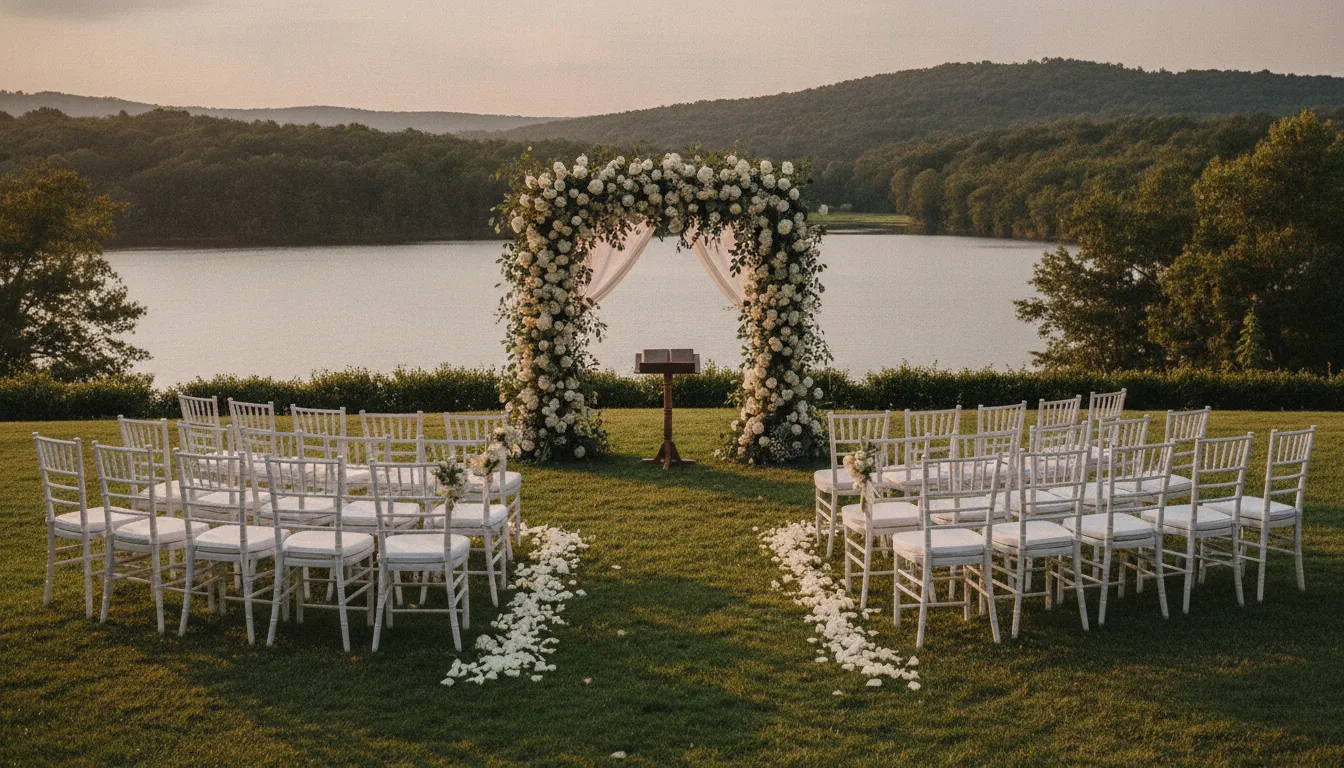
Every couple has a unique story, and their wedding ceremony should be a reflection of that. While traditions provide a beautiful foundation, the real magic happens when you personalize the celebration. The ceremony order of service is the framework you’ll use to build this unique experience. It’s more than just a checklist of events; it’s the narrative structure that tells their story. By understanding the classic building blocks, from the processional to the recessional, you can confidently guide your couple in choosing which elements to keep, which to adapt, and where to add their own personal touches, creating a day that feels authentically theirs.
Key Takeaways
- Master the classic ceremony structure: Use the traditional wedding order, from the processional to the recessional, as your foundational roadmap. This reliable framework helps you guide couples in planning a ceremony that flows logically and feels complete.
- Make it personal: A memorable ceremony reflects the couple's unique story. Guide them in writing personal vows, incorporating meaningful family traditions, and choosing music that tells their story, transforming a standard outline into an authentic and heartfelt experience.
- Direct the ceremony logistics: Your role is more than just speaking; you are the ceremony's director. Ensure a flawless flow by running an efficient rehearsal, communicating clearly with vendors, and managing the pace to create a stress-free and joyful experience for everyone.
What Is a Ceremony Order of Service?
Think of the ceremony order of service as the script or roadmap for the wedding day's main event. It’s a detailed outline that walks everyone through the sequence of events, from the moment the first guest arrives to the final celebratory exit. As the officiant, this is your guide to creating a smooth, meaningful experience. It ensures you, the couple, and the guests all know what’s happening next. A well-planned order highlights the most significant moments of the ceremony, making sure nothing important gets missed in the excitement of the day. It’s the framework you’ll use to build a personal and memorable ceremony for the couple.
The Classic Wedding Ceremony Structure
While every ceremony is unique, most follow a familiar flow. This classic structure provides a great starting point for planning with your couple. A typical ceremony lasts about 30 to 60 minutes and includes these key parts:
- Prelude: This is the music that plays as guests find their seats.
- Processional: The wedding party and the couple make their entrance.
- Opening Remarks: You’ll welcome everyone and set the tone.
- Readings or Music: A moment for a special poem, passage, or song.
- Vows and Ring Exchange: The couple makes their promises and exchanges rings.
- Unity Ceremony: An optional ritual, like lighting a candle, to symbolize their union.
- Pronouncement and Kiss: You officially pronounce them married, followed by the first kiss.
- Recessional: The newly married couple and wedding party exit.
Why the Ceremony's Order Matters
The order of the ceremony does more than just keep things on schedule; it sets the entire mood for the celebration. A thoughtfully arranged flow helps tell the couple’s story and makes the ceremony feel authentic and personal. When the order is clear and logical, guests can relax and be fully present for each special moment without wondering what’s coming next. Your role as the officiant is to help the couple create an order that feels right for them. The goal is to showcase the couple's personalities and love story, ensuring they feel completely happy and comfortable as they say their "I dos." A great ceremony flow is the key to making that happen.
The Building Blocks of a Wedding Ceremony
Every wedding ceremony is a unique reflection of the couple, but most are built from the same fundamental parts. Think of these as the building blocks you can arrange and customize to create something truly special. For you, as an officiant, understanding this classic structure is the first step toward guiding a couple through their big day with confidence. The ceremony is the heart of the wedding; it’s the moment everything has been leading up to, so planning its order is essential.
From the moment guests arrive to the final celebratory walk back down the aisle, each element has a purpose. The flow typically moves from a welcome and introduction to the core commitments of the vows and rings, and finally to the official pronouncement and celebration. By mastering these components, you can help couples craft a ceremony that feels both timeless and deeply personal. We’ll walk through each of these building blocks, from the processional to the recessional, so you know exactly how to construct a beautiful and memorable service.
The Prelude and Guest Seating
Long before the first person walks down the aisle, the ceremony experience begins with the prelude. This is the period, typically 15 to 30 minutes before the official start time, when guests arrive, find their seats, and mingle. Music is almost always a key feature here, setting the tone and atmosphere for everything that follows. Whether it’s a live string quartet or a curated playlist of the couple’s favorite songs, the prelude music helps build anticipation and makes guests feel welcomed. As an officiant, you won’t be directly involved in this part, but it’s important to know that it’s happening so you can coordinate your own timing. It’s the gentle opening that allows the energy in the room to settle before the main event begins.
The Processional
The processional marks the official start of the wedding ceremony. This is the moment everyone has been waiting for, when key family members and the wedding party make their way down the aisle. The order can vary, but it often begins with grandparents and parents, followed by the wedding party, and culminates with the entrance of one or both partners. You, the officiant, will typically be the first one to take your place at the front, signaling to guests that things are about to begin. The music often shifts to something more significant during the processional, creating a powerful and emotional entrance. This is a highly customizable part of the day and a wonderful opportunity for the couple to express their personality.
Opening Remarks
Once everyone is in place, it’s your time to shine. Your opening remarks, or invocation, serve as the official welcome to everyone present. This is your chance to greet the guests, thank them for coming, and set the tone for the ceremony. You can speak about the importance of the day, the beauty of marriage, and share a few personal words about the couple. This is a key moment to connect with the audience and the couple, creating a warm and inclusive atmosphere. Your words ground everyone in the present moment and remind them why they’ve gathered: to celebrate the love between two people. As an officiant, your professionalism and warmth here are guided by a strong Code of Ethics.
Readings and Music
After the initial welcome, many couples choose to include readings or musical performances to add another layer of meaning to their ceremony. This is a wonderful opportunity to involve friends or family members who aren’t in the wedding party. Readings can be anything from religious scripture and classic poetry to excerpts from a favorite book or even song lyrics that are special to the couple. A solo musical performance can also create a beautiful, reflective moment. These elements serve as a way to further personalize the ceremony and share stories or sentiments that resonate with the couple’s journey and values. As the officiant, you’ll introduce the reader or performer and ensure a smooth transition into and out of this segment.
The Declaration of Intent and Vows
This is the heart of the ceremony. The Declaration of Intent, often called the "I do's," is the part where you ask each partner if they have come to be married of their own free will. It’s a clear, verbal confirmation of their intention. Following this, the couple will exchange vows. These are the sacred promises they make to one another for their future together. Some couples prefer to use traditional vows, while others choose to write their own, making this a deeply personal and emotional high point of the ceremony. Your role is to guide them through this, either by prompting them line by line or simply creating the space for them to speak from the heart.
The Ring Exchange
Immediately following the vows, the ring exchange provides a tangible symbol of the promises the couple has just made. You will typically begin by saying a few words about the symbolism of the rings, how their circular shape represents unending love and commitment. Then, you will prompt each partner to place the ring on the other’s hand and repeat a short phrase, such as, "With this ring, I thee wed." This simple, powerful action serves as an outward sign of their lifelong commitment. It’s a classic tradition that beautifully seals the vows. For couples looking for the perfect ceremony items, our AFM Store offers a selection of accessories to complement this moment.
Unity Ceremonies
A unity ceremony is an optional but increasingly popular element that visually represents the joining of the couple. There are many variations, such as a unity candle ceremony, where the couple each takes a lit taper candle and lights a central pillar candle together. Another common choice is a sand ceremony, where each partner pours a different colored sand into a single vessel, creating a new, inseparable pattern. Other options include handfasting, tree planting, or even wine blending. This ritual provides a beautiful, symbolic moment that can also be a way to include children or other family members in the ceremony, representing the blending of two families into one.
The Pronouncement and First Kiss
This is the moment of celebration and the climax of the ceremony. After the vows and rings have been exchanged, it is your honor and legal duty to make the official pronouncement. With words like, "By the power vested in me by the state of..." you officially declare the couple as married. It’s crucial to understand the specific state laws to ensure your wording makes the union legally binding. Following this declaration, you will invite the couple to share their first kiss as a married couple. This joyful moment signals to the guests that the formalities are complete and it’s time to celebrate.
The Recessional
The recessional is the grand exit and the official end of the ceremony. It’s essentially the reverse of the processional, with the newlyweds leading the way back down the aisle for the first time as a married couple. They are typically followed by the wedding party, often in pairs, and then their parents and grandparents. The music shifts to something upbeat and celebratory, setting a joyful tone as the couple moves toward their reception. As the officiant, you might step to the side after the first kiss or be the last person to exit after the wedding party. Your final task is often to make an announcement, directing guests on what to do next, whether it’s heading to a cocktail hour or a photo session.
Exploring Cultural and Religious Variations
As an officiant, you’ll have the honor of working with couples from all walks of life. Understanding the beautiful tapestry of cultural and religious wedding traditions is part of what makes this work so rewarding. While some couples will want a completely modern ceremony, others will want to incorporate rituals that have been passed down for generations. Familiarizing yourself with these variations will help you guide your couples in creating a ceremony that feels authentic and meaningful to them. It’s not about being an expert in every single tradition, but about being open, respectful, and ready to learn what matters most to the two people standing before you. This knowledge allows you to ask the right questions and confidently lead a ceremony that honors their heritage and their love story.
Christian Ceremony Traditions
Many Western wedding ceremonies are based on Christian traditions, so you’ll likely see these elements often. In a classic setup, the bride's family and guests are seated on the left side of the aisle, while the groom's family sits on the right. The processional has a familiar order: the officiant and groom often enter first, followed by the wedding party. The bride’s entrance is the grand finale, and she is frequently escorted down the aisle by her father. While this is a classic structure, many modern couples adapt it to fit their own family dynamics. It’s a beautiful framework that can be personalized to reflect the couple’s unique story while still feeling timeless and familiar to many of their guests.
Jewish Wedding Customs
Jewish weddings are rich with beautiful symbolism and distinct traditions. Unlike many Christian ceremonies, grandparents are often honored with a special place in the processional. The seating is also reversed, with the bride’s family on the right and the groom’s family on the left as they face the chuppah, or wedding canopy. The processional order typically begins with the groomsmen and the groom, followed by the bridesmaids. The bride then makes her entrance, often escorted by both of her parents, which is a lovely touch that symbolizes the union of two families. These ceremonies are a beautiful blend of ancient rituals and personal celebration that you can help bring to life.
Hindu Ceremony Elements
Hindu weddings are vibrant, joyful, and often span several days of celebration. The main ceremony is filled with color and deeply meaningful rituals. It often begins with the groom's grand arrival, called the Baraat, which is a lively procession with music and dancing. This is followed by the Milni, where the families formally greet each other. Key moments during the ceremony include the Kanyadaan, when the bride's parents give her away, and the Jaimala, a playful exchange of flower garlands between the couple. As an officiant, understanding the flow and significance of each part of a Hindu wedding ceremony is essential to honoring its sacredness and guiding the couple through these cherished moments.
Islamic Wedding Ceremonies
The heart of an Islamic wedding is the Nikah, the official marriage ceremony. During the Nikah, the couple signs a marriage contract in front of at least two witnesses, making their union official in the eyes of their faith. The ceremony itself can vary greatly depending on the couple’s cultural background, but it is often a simple and deeply spiritual event focused on commitment and family. Following the Nikah, many couples host a Walima, which is a celebratory reception to announce the marriage to the community. It’s a wonderful feast that brings friends and family together to share in the couple’s happiness and new life together.
Non-Religious and Secular Options
For couples who aren't religious, a secular ceremony offers complete freedom to create a day that is entirely their own. This is where you can truly collaborate with the couple to build a wedding ceremony order from the ground up. They can write personal vows that speak directly to their relationship, choose readings from literature or poetry that resonate with them, and include unique unity ceremonies that symbolize their partnership. A secular wedding puts the couple's story at the very center of the celebration, resulting in a ceremony that is deeply personal, authentic, and unforgettable for everyone in attendance. It’s a fantastic opportunity to get creative and craft something truly one-of-a-kind.
How to Personalize the Ceremony Order
While a traditional ceremony structure provides a great framework, the real magic happens in the personal touches. As an officiant, your role is to help the couple move beyond a generic script and create a ceremony that truly reflects who they are. This is your chance to guide them in weaving their unique story, personalities, and values into every moment of the service. By focusing on personalization, you help create an experience that feels authentic and memorable for both the couple and their guests.
Encouraging couples to customize their ceremony is a core part of an officiant's responsibility. It's about listening to their story and finding creative ways to bring it to life. From the music they choose to the vows they exchange, every detail is an opportunity for them to share a piece of their relationship with their loved ones. This commitment to honoring their vision is central to our Code of Ethics, ensuring every ceremony is as unique as the couple themselves. The following ideas are great starting points for brainstorming with your couple.
Writing Personal Vows
Personal vows are often the heart of the ceremony. This is the moment when the couple makes their promises to each other in their own words. While some may prefer to use traditional vows, writing their own adds a deeply intimate and powerful element to the service. As their officiant, you can help them get started by providing prompts or a basic structure. Encourage them to think about their favorite memories, what they admire most in each other, and their hopes for the future. Our wedding officiant training covers how to guide couples through this beautiful and sometimes challenging process.
Incorporating Family Traditions
Weddings are a beautiful blend of two families coming together, and incorporating traditions is a wonderful way to honor that union. Ask the couple if there are any cultural, religious, or family rituals they’d like to include. This could be anything from a handfasting ceremony to jumping the broom or including a specific prayer. These elements make the ceremony more meaningful and help family members feel connected and included. It’s about finding a balance that respects their heritage while staying true to the couple’s own style. You can find more ideas and resources in our learning center.
Selecting Meaningful Music
Music sets the emotional tone for the entire ceremony, so it’s important to choose songs that resonate with the couple. Encourage them to think beyond the traditional wedding march. Maybe there’s a song from their first date, a favorite artist they saw in concert, or a piece of music that simply feels like them. Music can be used during the prelude as guests arrive, for the processional, during a quiet moment like a unity ceremony, and for the celebratory recessional. The right soundtrack makes every moment feel more personal and impactful.
Creating a Unique Processional
The processional is the grand entrance, and there are no hard-and-fast rules anymore. This is a fantastic opportunity for a couple to express their personality. They might choose to walk down the aisle together, be escorted by both parents, or even include their beloved pet. The most important thing is that the processional feels special and meaningful to them. As the officiant, you can help them think through the logistics and symbolism of different options to create a moment that perfectly kicks off their ceremony.
Including Your Guests
Making guests feel like active participants rather than just spectators can create a powerful sense of community. You can suggest several ways to do this. A close friend or family member could share a special reading, poem, or a short story about the couple. Another popular option is a ring-warming ceremony, where the wedding rings are passed among the guests to be "warmed" with their blessings and good wishes before the exchange. You can find beautiful items for these rituals, like unity candles or sand ceremony sets, in our AFM Store.
How to Time the Perfect Ceremony
One of the most important jobs of an officiant is to be a good steward of time. A wedding ceremony should feel meaningful and momentous, not rushed or drawn out. While the average ceremony lasts between 20 and 30 minutes, the perfect length is one that feels just right for the couple and their guests. Your goal is to create a rhythm that allows for moments of laughter, tears, and reflection without ever losing the crowd's attention.
Think of yourself as the conductor of an orchestra. You guide the tempo, ensuring each part of the ceremony gets its moment to shine before smoothly transitioning to the next. This requires careful planning with the couple beforehand and a confident, steady presence on the wedding day. When you master the timing, the ceremony flows beautifully, leaving everyone feeling like they were part of something truly special. Our wedding officiant training covers how to structure a ceremony and manage its pace, giving you the tools to lead with confidence. It’s about more than just watching the clock; it’s about feeling the energy of the room and guiding it. A well-paced ceremony respects everyone’s time while giving the couple the unforgettable, heartfelt moment they deserve.
Pacing Each Part of the Ceremony
To create a ceremony with a natural and comfortable flow, it helps to have a general timeline in mind. While every wedding is unique, you can use this structure as a starting point when planning with your couple. The processional, when the wedding party and couple make their entrance, usually takes about three to six minutes. Your opening remarks and welcome should be warm and concise, lasting around two to three minutes. Any special readings, poems, or musical performances can be slotted in next, typically taking five to ten minutes. The heart of the ceremony, including the declaration of intent, vows, and ring exchange, deserves about five to seven minutes of focused time. Finally, the pronouncement, first kiss, and the joyful recessional wrap everything up in the last five minutes.
Keeping Guests Engaged
A memorable ceremony is one where the guests feel included, not just like spectators. You can keep them engaged by maintaining a warm and inviting presence. Make eye contact with the audience from time to time, smile, and speak clearly and with genuine emotion. If the couple is open to it, consider incorporating a moment of guest participation. This could be a community vow, where guests pledge their support for the couple, or a simple request for them to share a moment of good wishes. These small touches make a big impact, transforming the ceremony into a shared experience for everyone present.
Balancing Meaningful Moments with a Good Flow
While a timeline is a helpful tool, the real art of officiating is knowing when to stick to the plan and when to let a special moment breathe. The ceremony's structure should serve the couple's story, not the other way around. Work with them to decide which elements are most important. Perhaps they want to share longer, personal vows or include a unique unity ceremony that requires extra time. Your job is to adjust the other parts of the ceremony to accommodate their vision while upholding your professional responsibilities, as outlined in our code of ethics. A perfectly timed ceremony feels personal, heartfelt, and flows with an easy, unhurried grace.
The Officiant's Role in Planning the Ceremony
As the wedding officiant, your role extends far beyond simply reading a script on the big day. You are the couple's guide, their anchor, and the steady hand that shapes the entire ceremony experience. From the moment you begin working with a couple, you become a key collaborator in bringing their vision to life. You help them structure the flow, manage the timing, and ensure every element feels personal and authentic. At the same time, you are responsible for handling the crucial legal details that officially mark the start of their marriage. It’s a position of great trust and responsibility, blending creative storytelling with official duties to create a seamless and memorable celebration of love.
Guiding the Ceremony's Flow
One of your most important jobs is to set the tone right from the start. As the ceremony begins, you are the first person to address the guests, and your opening words create the atmosphere for everything that follows. You will welcome everyone, share the significance of the gathering, and often include personal anecdotes about the couple. This initial welcome helps guests feel connected and invested in the moment. By guiding the ceremony's narrative, you ensure that it feels cohesive and heartfelt, moving smoothly from one element to the next while keeping the couple's love story at the center of it all. This is your chance to captivate the audience and prepare them for the beautiful moments ahead.
Coordinating Transitions
A great ceremony has a natural rhythm, and as the officiant, you are the conductor. It’s your responsibility to keep an eye on the clock and manage the pacing so the ceremony doesn't feel too rushed or drag on for too long. You’ll guide the transitions between readings, vows, the ring exchange, and any unity rituals the couple has chosen. Your calm and confident presence helps prevent awkward pauses and ensures that vendors, like the photographer and musicians, know what’s coming next. This behind-the-scenes coordination is essential for creating a polished and stress-free experience for both the couple and their guests, allowing them to stay fully present in the moment.
Supporting the Couple's Vision
Every couple is unique, and their ceremony should be a true reflection of their personalities and relationship. Your role is to help them discover and create a ceremony that feels right for them. Modern weddings have moved past rigid traditions, so there's no single "correct" way to do things anymore. You can help couples explore their options, whether they want to write their own vows, include a special reading, or design an unconventional processional. By listening carefully and offering creative suggestions, you empower the couple to build a ceremony that is deeply personal and meaningful to them. You are their trusted advisor, helping them make choices that feel authentic.
Meeting Legal Requirements
Beyond the beautiful words and heartfelt moments, you have a critical legal function to perform. You are the one who officially pronounces the couple as married, a moment that carries legal weight. It is your duty to ensure all legal requirements are met, which includes saying the correct declaration of intent and pronouncement. You must also be familiar with the specific state laws for marriage licenses, ensuring the document is filled out correctly and signed by the appropriate parties. Fulfilling these legal obligations is a non-negotiable part of your role and is what makes the marriage official. This responsibility is what separates a professional officiant from a simple public speaker.
Coordinating the Ceremony Logistics
Once you and the couple have perfected the ceremony order, the next step is to make sure it happens just as you planned. As the officiant, you play a central role in bringing all the moving parts together. A beautifully written ceremony can fall flat if the logistics aren't handled with care. Your job is to be a calm, organizing presence, ensuring every vendor is on the same page and every transition is seamless. This coordination is what transforms a good ceremony into an unforgettable one.
Working with the Venue
Your first point of contact on the big day will likely be the venue coordinator. It’s a great idea to connect with them before the ceremony begins to confirm a few key details. Find out where you should stand, check the sound system and microphone, and clarify the plan for guest seating. One of the most important things to discuss is the contingency plan for weather. If the ceremony is outdoors, you need to know exactly what the backup plan is for rain or extreme heat. A quick chat with the venue staff shows professionalism and helps you prepare for the unexpected, ensuring you can lead the ceremony with confidence, no matter what.
Syncing with Photographers and Vendors
A wedding ceremony is a team effort, and clear communication with other vendors is essential. Before the ceremony starts, take a moment to connect with the photographer, videographer, and DJ or musicians. Let the photographer know about any special moments, like a unity ceremony, so they can get the perfect shot. For the final pronouncement and first kiss, you can even plan to step to the side to give them a clear view. Syncing with the DJ or lead musician on music cues for the processional, a specific reading, or the recessional ensures the soundtrack for the ceremony is flawless. This simple coordination prevents awkward pauses and helps create a smooth, polished experience for the couple and their guests.
Managing the Processional and Recessional
Getting the wedding party down the aisle is one of your most important logistical duties. If there isn't a wedding planner, you'll likely be the one to line everyone up and send them down the aisle at the right time. Give clear, simple instructions to the wedding party about spacing and pace. Once the couple is at the front, guide them to their spot and remind them to face each other and hold hands. For the recessional, remind the couple to pause at the end of the aisle for a moment. It makes for a fantastic photo and gives them a chance to take in the happy faces of their loved ones before heading off to celebrate.
Creating a Detailed Timeline
A well-paced ceremony feels intentional and keeps guests engaged. While the couple sets the overall wedding day schedule, you can help them create a detailed timeline specifically for the ceremony. Break down each element, from the processional to the recessional, and assign a realistic time for it. For example, the vows might take five minutes, while the ring exchange takes two. This detailed plan is your roadmap. It helps you guide the flow, ensures you don't rush through meaningful moments, and keeps everything on track. Mastering this skill is a key part of our wedding officiant training, as it helps you deliver a consistently professional and heartfelt ceremony every time.
Common Mistakes to Avoid When Planning the Ceremony
As the wedding officiant, you are more than just the person who leads the ceremony; you’re a guide for the couple. Part of that role is helping them sidestep common planning mistakes that can add stress or detract from the magic of the moment. By gently steering them away from these pitfalls, you help ensure their ceremony is memorable for all the right reasons. It’s about being a supportive, knowledgeable presence they can rely on.
Guiding a couple through the planning process is a key part of the job, and it’s something you can learn to do with confidence. Our wedding officiant training is designed to give you the skills to not only perform a beautiful ceremony but also to be an invaluable resource for your couples from start to finish.
Rushing Through Important Moments
A wedding ceremony can feel like it’s over in a flash. One of the biggest regrets couples have is not being present for it. They get so caught up in the logistics and nerves that they forget to soak in the moment they officially become a married couple. As their officiant, you can build intentional pauses into the ceremony script. Encourage them to take a deep breath before they speak their vows or to look out at their loved ones for a moment after the ring exchange. These small, quiet beats allow them to connect with each other and create lasting memories, turning a whirlwind event into a series of cherished moments.
Forgetting Guest Comfort
It’s easy for couples to get wrapped up in the big picture, but the small details of guest comfort make a huge difference. No one will remember the beautiful floral arrangements if they were shivering in the cold or squinting into the direct sun for 30 minutes. Gently prompt the couple to think through the guest experience. Will elderly relatives have a long walk from the parking lot? Is there a shaded area or water available for a hot summer ceremony? Considering these factors shows their guests they are cared for, which creates a warm and welcoming atmosphere for everyone. A comfortable guest is an engaged and happy guest.
Communicating Poorly with Your Team
A wedding ceremony is a team effort. The officiant, photographer, DJ or musicians, and venue coordinator all need to be on the same page for things to run smoothly. A common mistake is assuming everyone knows their cues. As the officiant, you can be the communication hub. Before the ceremony, connect with the other vendors. Confirm the music cue for the processional, let the photographer know about any special elements like a unity candle lighting, and check in with the coordinator on timing. This level of professionalism, as outlined in our Code of Ethics, prevents awkward pauses and ensures every part of the ceremony flows seamlessly into the next.
Lacking a Backup Plan
Hope is not a strategy, especially when it comes to live events. Many couples, particularly those planning outdoor ceremonies, simply cross their fingers and hope for good weather. It’s your job to gently bring up the need for a Plan B. What happens if it rains? Or if there’s a heatwave? The backup plan extends beyond weather, too. What if the microphone cuts out? Having a printed copy of your script and projecting your voice can save the day. Encouraging the couple to have a solid contingency plan for major elements reduces stress and ensures that no matter what happens, their ceremony will go on beautifully.
Tips for a Flawless Ceremony Flow
A beautiful ceremony doesn’t just happen; it’s the result of thoughtful planning and coordination. As the officiant, you are the steady hand that guides the couple and their guests through one of the most important moments of their lives. A smooth, seamless flow allows the emotional weight of the day to shine without any distracting hiccups. Think of yourself as the director of a live performance. Your goal is to ensure every transition is smooth, every participant knows their role, and the overall experience feels effortless and heartfelt.
Putting in the work beforehand makes all the difference. From running a detailed rehearsal to having a plan for the unexpected, your preparation sets the stage for a memorable event. When you can confidently manage the logistics, you free up the couple to be fully present in the moment, which is the greatest gift you can give them. It’s about more than just reading a script; it’s about creating an atmosphere of calm and celebration. These tips will help you lead with confidence and ensure the ceremony is remembered for its joy and love, not for any awkward pauses or logistical stumbles.
Run a Thorough Rehearsal
The wedding rehearsal is your best tool for ensuring a smooth ceremony. It’s a chance for everyone in the wedding party to walk through their roles, from the processional to the recessional, so there’s no confusion on the big day. This is your opportunity to take charge, answer questions, and set a calm, confident tone.
During the rehearsal, you can practice cues with the musicians, confirm the standing order of the wedding party, and do a soundcheck with the microphone. It’s also the perfect time to connect with the couple and their loved ones, building a sense of trust and camaraderie. Our wedding officiant training covers exactly how to lead an efficient and effective rehearsal, turning potential chaos into organized calm.
Prepare for the Unexpected
Even with the best planning, things can go sideways. A sudden rain shower might appear, a ring might be misplaced, or a microphone could cut out. Your ability to handle these moments with grace is what makes you a true professional. Always have a backup plan, especially for outdoor weddings. Talk with the couple and venue coordinator about what you’ll do in case of bad weather.
It’s also wise to carry a small emergency kit with items like tissues, safety pins, and a stain-remover pen. Most importantly, always have a printed copy of the ceremony script and the marriage license paperwork handy. Knowing the specific marriage state laws and having all documents in order prevents any last-minute legal snags.
Communicate Clearly with Everyone Involved
You are the central hub of communication for the ceremony. Before the prelude music even begins, make a point to connect with the other key players. Introduce yourself to the venue coordinator, the photographer, and the DJ or lead musician. Confirm cues with them so everyone is on the same page. For example, let the photographer know where the first kiss will happen and signal to the DJ when it’s time for the recessional music to start.
This simple act of coordination prevents misunderstandings and ensures seamless transitions between each part of the ceremony. Upholding this level of professionalism is a core part of our Code of Ethics, as it shows respect for the couple and all the vendors working to make their day special.
Manage the Ceremony's Length and Pace
A great ceremony has a natural rhythm. If it’s too long, guests can get restless; if it’s too short, it can feel abrupt. Your job is to find the perfect pace. A typical non-religious ceremony runs about 20 to 30 minutes, which is usually the sweet spot for keeping guests engaged. Practice reading your script aloud to get a feel for the timing.
Remember to build in moments for quiet reflection, laughter, and applause. Don’t rush through the vows or the ring exchange. These are the emotional peaks of the ceremony, and they deserve space to breathe. By managing the flow, you honor the couple’s story and create a comfortable, enjoyable experience for everyone present.
Related Articles
- Wedding Outline for Officiant: The Complete Guide
- Your Guide to Officiating a Friend's Wedding
- The Essential Wedding Officiant Checklist
- Wedding Officiant Qualifications: A Simple Guide
- Wedding Officiant Qualifications: A Simple Guide
Frequently Asked Questions
How long should a wedding ceremony actually last? While the average non-religious ceremony clocks in around 20 to 30 minutes, there's no magic number. The perfect length is one that feels meaningful to the couple without losing the attention of their guests. Your job is to help them find that sweet spot by balancing their must-have elements, like personal vows or a unity ceremony, with a pace that feels natural and engaging.
What if the couple wants a ceremony order that's completely non-traditional? That's wonderful. Your role is to help them create a ceremony that is an authentic reflection of their relationship. The classic structure is just a starting point, not a strict set of rules. You can help them rearrange, add, or remove elements to build something unique. The only parts that are non-negotiable are the legal components required by the state, like the Declaration of Intent and the official pronouncement.
As the officiant, what's the most critical part of the ceremony for me to get right? Legally, the most critical moment is the pronouncement, where you officially declare the couple married according to state law. This is the part that makes the union official, so the wording must be correct. Emotionally, your opening remarks are incredibly important. Your welcome sets the tone for the entire ceremony, so delivering it with warmth and confidence creates a comfortable and celebratory atmosphere for everyone.
How can I help a couple write their own vows without being too intrusive? The best way to help is by providing structure, not words. You can offer them a simple framework to get started, such as suggesting they each share a favorite memory, mention a few things they love about their partner, and then make a few promises for their future together. This gives them a helpful starting point while ensuring the final vows come straight from their hearts.
What's the best way to handle unexpected interruptions, like a crying baby or a microphone failure? The key is to remain calm and graceful. If a baby gets fussy, a simple, warm smile in their direction shows compassion without stopping the ceremony. For a technical glitch like a failed microphone, having a printed copy of your script and being prepared to project your voice is the best backup plan. Your confident and unruffled presence will keep the couple at ease and the ceremony moving forward smoothly.