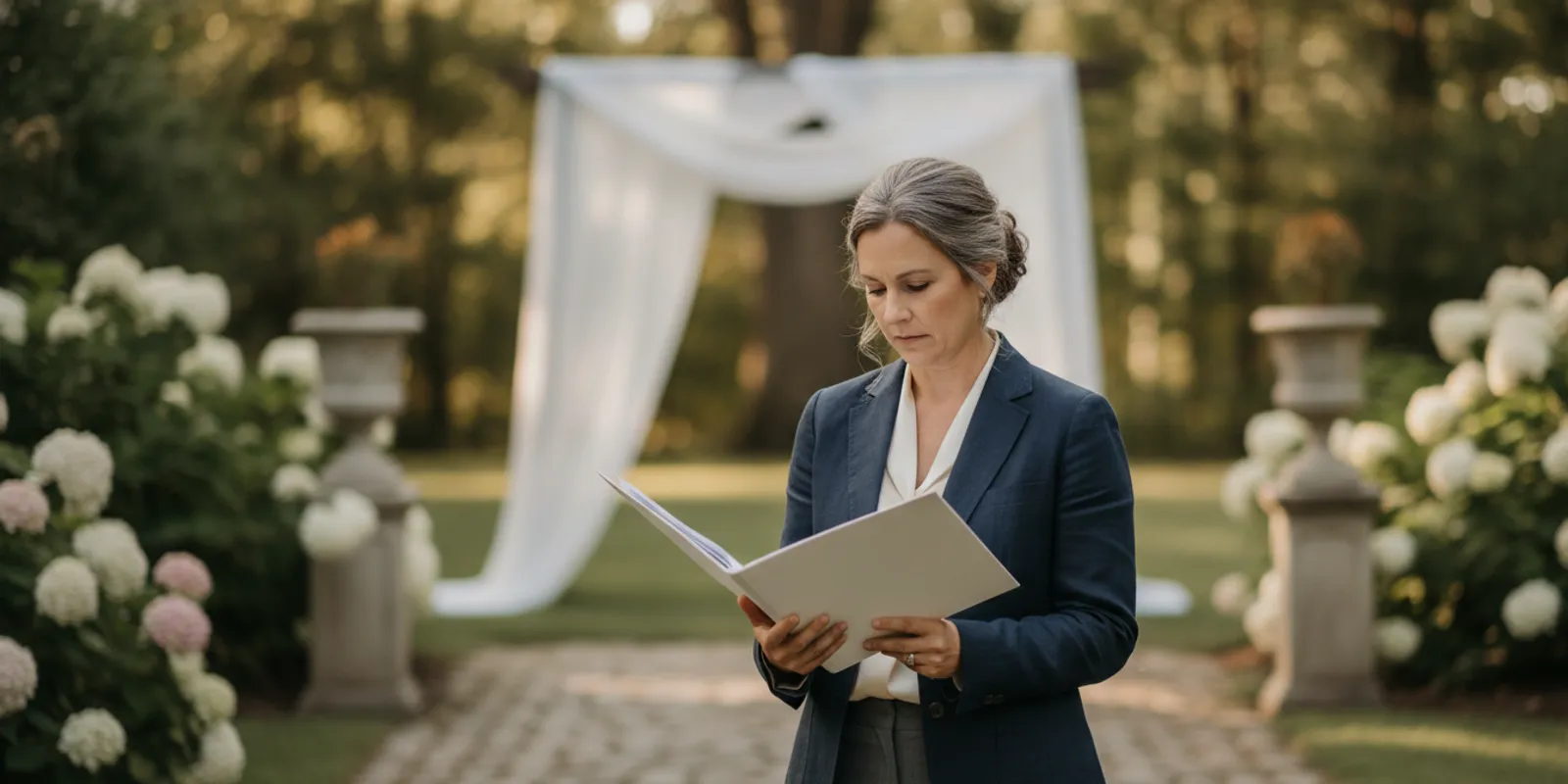

When a couple asks you to officiate their wedding, they are placing an immense amount of trust in you. They’re trusting you to tell their story, to guide them through their vows, and to handle the legal details that make their union official. Fulfilling that trust goes beyond simply getting ordained. It means being fully prepared to create a seamless, beautiful, and legally sound ceremony. Choosing one of the many online officiant training programs is an act of service to the couples you will work with. It shows you are committed to honoring their big day with the professionalism and care it deserves. This article will help you find a program that equips you to be the calm, confident, and capable officiant every couple hopes for.
Key Takeaways
- Go beyond ordination with practical training: A quality program teaches you the essential skills for officiating, including how to write a personal ceremony, handle legal documents correctly, and lead with a calm, professional presence.
- Prioritize legal compliance above all else: Marriage laws differ by state and county, so you must confirm your ordination's validity, get the required documents, and follow local registration rules to ensure every union is official.
- Choose a program that offers long-term resources: Your growth as an officiant continues after certification, so look for an organization that provides ongoing support through ceremony scripts, advanced training, and a professional community.
What Will You Learn in an Online Officiant Program?
So, you're thinking about becoming a wedding officiant. It’s an incredible way to be part of a couple's most important day, but there's more to it than just getting ordained online. A quality training program gives you the confidence and skills to lead a ceremony that’s both beautiful and legally sound. It’s the bridge between having a certificate and feeling truly prepared to stand before a couple and their loved ones.
A comprehensive program will teach you the three core pillars of officiating: crafting the ceremony, handling the legal paperwork, and mastering your public presence. You'll learn how to translate a couple's love story into a script that feels authentic and personal. You'll also get a firm grasp on the legal duties involved, so you can sign the marriage license with confidence, knowing everything is in order. Finally, you'll get practical advice on public speaking and managing the flow of the ceremony, so you can be a calm, guiding force on the big day. It prepares you for the moments you expect and the ones you don’t, ensuring you can create a memorable experience for everyone. Let’s look at the key skills you’ll develop.
Crafting the Ceremony
This is where the magic happens. A great officiant program teaches you how to structure a ceremony from start to finish. You’ll learn how to write a compelling script that tells the couple’s unique story, whether you’re starting from scratch or personalizing a template. Training will guide you on weaving together different elements, like personal vows and readings, to create a seamless flow. You’ll also get access to resources and examples to inspire your writing. This foundation helps you craft a ceremony that truly reflects the couple’s personality, and you can find helpful guides in our AFM Store to get started.
Handling Legal Paperwork
While crafting the ceremony is the creative part, handling the legal side is just as important. A thorough training program will walk you through the process of correctly completing and filing a marriage license. Since requirements can change from one place to the next, you’ll learn why it’s critical to check the specific state laws where the wedding is taking place. Some counties require officiants to register in person before the ceremony, and your training will prepare you for these administrative steps. Understanding these legal responsibilities ensures the couple's marriage is official, giving you and them complete peace of mind.
Mastering Public Speaking and Etiquette
Standing in front of a crowd can be nerve-wracking, but the right training helps you lead with poise and warmth. You’ll learn practical public speaking techniques to project your voice, manage your pacing, and connect with the audience. Beyond just speaking, you’ll cover wedding day etiquette, like where to stand and how to gracefully handle any unexpected hiccups. Our wedding officiant training is designed to build your confidence so you can focus on what matters most: celebrating the couple. You’ll feel less like a nervous speaker and more like the calm, reassuring presence every ceremony needs.
How to Choose the Right Officiant Training Program
Picking an officiant training program can feel like a big decision, but it doesn't have to be complicated. Think of it as finding the right partner for your new journey. You want a program that’s reliable, thorough, and gives you the confidence to perform a beautiful ceremony. A great program won’t just hand you a certificate; it will equip you with the skills and resources to create meaningful experiences for couples. When you’re comparing your options, focus on three key areas: the depth of the training, the legitimacy of the ordination, and the support you’ll receive after you’re certified.
Look for Comprehensive Training
A solid training program should cover more than just the basics of what to say during a ceremony. You’re learning how to craft an entire experience, so you need a curriculum that prepares you for every aspect of the job. Look for programs that teach you how to write a personalized ceremony script, guide the couple through the process, and handle all the necessary legal paperwork. Our wedding officiant training is designed to be thorough, giving you the practical tools to manage the ceremony flow and feel prepared for the big day. The goal is to walk away feeling like a professional, not just someone with a new title.
Verify Ordination Legitimacy
This part is crucial. For a marriage to be valid, your ordination must be legally recognized in the location where the wedding is taking place. Before you commit to a program, do a little digging to ensure the organization is a legally established entity with the authority to grant ordinations. You’ll want to confirm that their ordinations are accepted in the state where you plan to officiate. We provide a helpful resource on state laws to make this step easier. Taking the time to verify an organization's legal standing will give you, and the couples you serve, complete peace of mind.
Seek Ongoing Support and Resources
Your journey as an officiant doesn’t end once you complete your training. The best programs offer a community and a library of resources to help you continue to learn and grow. What happens when you have a question about a unique unity ceremony or need inspiration for a script? Look for organizations that provide ongoing support, like access to a network of fellow officiants, ceremony resources, and continuing education. We believe in supporting our ministers long-term, which is why we have a strong Code of Ethics and a community to guide you. This kind of support system is invaluable as you build your skills and confidence.
Understanding the Costs of Getting Ordained
When you start looking into becoming a wedding officiant, you’ll notice that the costs can seem a little murky. Some programs advertise ordination with no upfront fee, while others have a clear price tag attached to their training packages. So, what’s the deal? The truth is, the cost of getting ordained involves more than just the initial ordination itself. It’s a combination of the ordination, the necessary legal documents, and the quality of the training you receive. Let’s break down what you can expect to pay for and why each component is important for your journey as a professional and confident officiant.
What's Included in the Price?
Many online organizations allow you to apply for ordination without an initial fee. You can typically fill out an application and become an ordained minister in just a few minutes. This initial step grants you the legal status required to perform a wedding. However, this is just the starting point. While the ordination itself might not have a cost, it doesn’t automatically equip you with the documents or the skills you need to actually stand in front of a couple and legally marry them. Think of it as getting your name on the roster; now you need the uniform and the playbook to actually play the game.
The Cost of Official Documents
Once you're ordained, you need to be able to prove it. Most county clerks require official documentation before they will accept a marriage license signed by you. This is where the first real costs usually appear. You will likely need to purchase physical documents, such as your Ordination Certificate or a Letter of Good Standing, from the organization that ordained you. These items serve as legal proof of your status. You can often find these documents and other helpful supplies for your role in an organization's AFM Store. Don't skip this step; having your papers in order is essential for ensuring the weddings you perform are legally sound.
Investing in Quality Training
Here’s the most important part: being ordained and having the paperwork doesn’t automatically make you a great officiant. An investment in quality wedding officiant training is what will give you the confidence and skills to create and perform a beautiful ceremony. Comprehensive training teaches you how to write a personalized script, guide a couple through their vows, manage the legal paperwork correctly, and speak with poise. It’s the difference between simply being qualified and being truly prepared. Understanding the specific marriage laws in your area is also critical, so look for a program that provides resources on state laws to ensure every union you officiate is official.
Your Step-by-Step Guide to Getting Ordained
Becoming a wedding officiant is an exciting path, and getting ordained is your first major milestone. The process is more straightforward than you might think. It’s about finding a reputable organization, completing the necessary steps, and ensuring you have what you need to legally perform a ceremony. Think of it as a clear, four-step journey that takes you from an aspiring officiant to a legally recognized minister, ready to create unforgettable moments for couples. Let’s walk through each step together so you can feel confident and prepared.
Step 1: Choose Your Ordination Program
Your first decision is the most important: selecting an organization to get ordained through. You want a partner that not only provides a legal ordination but also supports you for the long haul. Look for a ministry that offers comprehensive resources, a strong ethical foundation, and a community you can count on. At All Faith Ministry, we believe ordination is the beginning of your journey, not the end. We provide the tools and wedding officiant training to help you become a skilled, confident, and professional officiant who brings joy and meaning to every ceremony you perform.
Step 2: Complete the Application
Once you’ve found the right program, it’s time to make it official. The application process is your first concrete action toward becoming an officiant. It’s designed to be simple and clear, ensuring you meet the foundational requirements for ministry. You’ll typically provide your basic information and affirm your commitment to the organization's principles. Take a moment to fill out the paperwork thoughtfully, as it marks your formal entry into this fulfilling role. When you’re ready to take this exciting step, you can apply for ordination and begin your journey with us.
Step 3: Receive Your Ordination
After your application is reviewed and accepted, you will officially be ordained. This is a meaningful moment when you are formally recognized as a minister, empowered to solemnize marriages. Upon ordination, you become part of a larger community of officiants who share a passion for celebrating love. You’ll receive your credentials, which serve as proof of your new standing. It’s important to hold yourself to a high standard of conduct, and we encourage all our ministers to review and uphold our Code of Ethics to ensure every ceremony is handled with professionalism and care.
Step 4: Get Your Legal Documents
With your ordination complete, the final step is to secure the necessary legal documents. While your ordination grants you the title of minister, state and local governments have specific requirements for who can legally perform a marriage. These rules vary widely, so it’s crucial to understand what your local jurisdiction requires. You may need to register with a county clerk or present official proof of your ordination, such as a Letter of Good Standing. You can find essential documents and other helpful resources in the AFM Store. We also provide a guide to help you research your state’s marriage laws.
Are Online Ordinations Legal in Your State?
One of the biggest questions aspiring officiants have is about the legality of online ordinations. It’s a great question, and the short answer is: yes, in most places. However, the rules and regulations for who can legally perform a marriage ceremony are determined at the state, and sometimes even the county, level. This means the requirements can vary quite a bit depending on where the wedding is taking place.
Getting ordained online is a common and accepted path for becoming a wedding officiant across the United States. The key is to understand and follow the specific laws for the location of the ceremony. Taking the time to get this right is a crucial part of your role, ensuring the couple's marriage is legally sound. Let’s walk through what you need to know to perform a ceremony with confidence.
Why Recognition Varies by State
The legal recognition of your ordination depends entirely on state and local laws. There is no single federal law governing marriage officiants, which is why you'll find different rules from one state to the next. While most states recognize ordinations from organizations like All Faith Ministry, some have specific requirements. For example, a few states may require the officiant to be a resident, while others have no such rule. It’s your responsibility to check the laws in the jurisdiction where the wedding will be held. This step is non-negotiable, as it protects you and, most importantly, ensures the couple’s marriage is valid.
What Documents You'll Need as Proof
When you go to the county clerk’s office, they will likely want to see physical proof of your ordination. Simply saying you’re ordained isn’t enough. You’ll need official documents to verify your status as a minister. Common documents include your Ordination Credential, a Letter of Good Standing, or a clergy ID card. These items serve as tangible evidence of your authority to perform a marriage. You can find these essential documents in our AFM Store after you are ordained. Having a professional folder with your credentials ready shows the couple and the local officials that you are serious and prepared for your role.
State Registration Requirements to Know
Beyond having your documents in hand, some states and counties require you to register with them before you can legally officiate a wedding. This process can vary widely. Some jurisdictions might have a simple form to fill out, while others may require you to present your ordination credentials in person at the county clerk's office. It is absolutely essential to research these requirements well in advance of the wedding day. Our wedding officiant training covers the importance of these legal steps, helping you understand your duties so you can perform every ceremony correctly and professionally.
How to Find Your State's Marriage Laws
So, where do you find all this information? The best place to start is with a reliable, centralized resource. We’ve compiled a guide to help you understand the specific requirements for each state. You can explore our state laws resource to get a clear picture of what’s needed in the location where you plan to officiate. This guide is designed to be your starting point for understanding local regulations. Always remember to double-check with the specific county clerk's office where the couple will get their marriage license, as they are the final authority on local rules.
What Happens After You're Ordained? A Look at Ongoing Support
Getting your ordination certificate is a huge milestone, but it’s really just the beginning of your journey. After the initial excitement, you might find yourself wondering, "Now what?" This is where the quality of your ordaining organization truly shows. The best programs don't just hand you a credential and wish you luck. They provide a foundation of ongoing support to help you grow from a newly ordained minister into a confident, capable officiant. From your first ceremony to building a full-fledged business, having access to the right resources, training, and community makes all the difference.
Access to Ceremony Scripts and Resources
That moment when a couple officially asks you to marry them is incredible. Then comes the follow-up thought: what do I actually say? Having access to a library of ceremony scripts, readings, and templates is a game-changer, especially when you're just starting out. A great organization provides these resources to help you understand the flow of a ceremony and find inspiration. You can use these examples to craft a personalized script that feels authentic to the couple. Beyond scripts, look for helpful items like vow books and professional folders in the AFM Store to make sure you look polished and prepared on the big day.
Continuing Education and Training
Your first wedding is a huge learning experience, but your education shouldn't stop there. As you officiate more ceremonies, you'll encounter new situations and unique requests from couples. This is why ongoing training is so valuable. Quality wedding officiant training can cover everything from advanced public speaking techniques to handling tricky family dynamics with grace. It can also teach you the business side of things, like marketing your services and setting your prices. Committing to continued learning helps you refine your skills and serve your couples with even more confidence and professionalism, turning a one-time event into a fulfilling practice.
Finding a Supportive Community
Let’s be honest, being an officiant is a unique role, and your friends and family might not always understand the specific challenges or joys that come with it. Joining an organization with a strong community means you have a network of peers who just get it. It’s a place to ask for advice on a tricky ceremony element, share a heartwarming story, or simply find encouragement when you need it. This sense of belonging is invaluable. A professional community is also bound by shared values, often reflected in a code of ethics that guides your work and builds trust with the couples you serve.
Tools for Building Your Officiant Career
If you plan to turn your passion for officiating into a side hustle or a full-time career, you’ll need more than just a good heart and a strong voice. You’ll need business tools. The right ordaining body will offer resources to help you succeed professionally. This includes guidance on creating a website, marketing yourself effectively, and managing client inquiries. It also means having easy access to information on local rules and regulations. Understanding the specific state laws for marriage is critical for operating a legitimate and trustworthy business, giving you and your couples complete peace of mind.
Related Articles
- 5 Best Wedding Officiant Training Online Programs
- Get Your Wedding Officiant Training to Conduct Lifetime Unions
- How to Get Wedding Officiant Training (The Easy Way)
- 5 Best Wedding Officiant Training Online Programs (Blog)
Frequently Asked Questions
Is an online ordination enough to legally marry someone? Your ordination is the essential first step that grants you the title of minister. However, to legally perform a marriage, you must also meet the specific requirements of the state and county where the ceremony takes place. This usually involves presenting official documents, like your ordination credential or a letter of good standing, to the local clerk. Think of it this way: your ordination gives you the authority, but following local laws makes the marriage official.
How much should I expect to spend to become an officiant? While many organizations allow you to apply for ordination without an upfront cost, becoming a prepared and professional officiant involves a few key investments. You will need to purchase official documents to prove your legal standing as a minister. The most significant investment, however, is in quality training. A comprehensive course gives you the skills and confidence to handle everything from writing the script to filing the marriage license correctly, which is truly invaluable.
I'm not a writer. How will I know what to say during the ceremony? You absolutely do not need to be a professional writer to be a wonderful officiant. A great training program will teach you the structure of a ceremony and provide you with templates and script examples. These resources give you a solid foundation to build upon, so you can work with the couple to personalize the words and tell their story in a way that feels genuine. The goal is to give you a framework, not to have you start from a blank page.
Do I really need to take a training course if I'm only officiating one wedding for a friend? That's a great question, and it's a common situation. Even for a single ceremony, training is incredibly helpful. It prepares you to handle the legal paperwork correctly, which is crucial for ensuring your friend's marriage is valid. It also gives you the public speaking skills and ceremony management techniques to be a calm, guiding presence on a day that can be full of nerves. Proper preparation allows you to honor your friend's trust and create a beautiful, stress-free experience for them.
What happens if I have questions after my training is over? Your journey doesn't end once you receive a certificate. A supportive organization will provide ongoing resources and a community you can turn to long after your initial training is complete. This means you'll have access to a network of fellow officiants for advice, a library of ceremony resources for inspiration, and continuing education opportunities. You'll have a support system to help you with any new questions or unique situations that come up as you continue your work.