


Being a wedding officiant requires you to wear two very different hats. On one hand, you’re a storyteller and a guide, crafting a ceremony that reflects a couple’s unique love story. On the other hand, you’re a legal official, responsible for ensuring their marriage is properly documented and recognized by the state. Balancing the heart and the law is the key to doing this job well. It’s about creating a beautiful, emotional experience while meticulously handling the critical paperwork behind the scenes. This guide will show you how to master both sides of the role. We’ll give you the tools and knowledge you need for how to officiate a wedding with professionalism, warmth, and confidence.
Key Takeaways
- Master the Legal Details First: Your primary responsibility is to make the marriage official. Before you write a single word of the script, confirm the local marriage laws, double-check the license for accuracy, and know the exact process for signing and returning the paperwork on time.
- Tell Their Unique Love Story: A memorable ceremony goes beyond generic templates. Get to know the couple by asking thoughtful questions about their relationship, then weave their personal stories and inside jokes into the script to create a celebration that feels truly authentic to them.
- Practice for a Confident Delivery: Your calm presence sets the tone for the entire day. Instead of trying to memorize your script, practice reading it aloud to get your pacing right. Leading a thorough rehearsal will also help you, the couple, and the wedding party feel prepared and relaxed.
What Are the Legal Requirements to Officiate a Wedding?
Before you start writing a beautiful ceremony script or picking out your outfit, let's talk about the most important part of your role: the legal side. Making sure a marriage is legally binding is your primary responsibility as an officiant. It might sound intimidating, but it’s completely manageable once you know what to look for. The rules can change quite a bit from one state to another, and even from county to county, so doing a little homework upfront is key.
Think of it this way: the couple is trusting you with one of the biggest moments of their lives. Getting the legal details right is the foundation of a successful ceremony. It ensures their marriage is officially recognized, which is, after all, the whole point. We’ll walk through the three main areas you need to understand: your state’s specific laws on who can perform a marriage, any age or residency rules you need to meet, and how to handle the all-important paperwork. Getting these things sorted out first will give you the confidence to focus on creating a personal and memorable experience for the couple.
Know Your State's Ordination Laws
The very first question to answer is: "Does this state recognize my ordination?" For most people officiating a wedding in the U.S., the answer is a resounding yes. The majority of states don't distinguish between an officiant ordained online through an organization like All Faith Ministry and one who attended a seminary for years. As long as you are an ordained minister, you have the legal authority to perform a wedding.
However, laws are not universal. A few states have stricter requirements or specific registration processes. That’s why it’s essential to check the specific state laws for the location where the wedding will take place. This is a crucial detail, as the legal requirements are tied to the ceremony's location, not where you or the couple live.
Check Age and Residency Requirements
Beyond ordination, most states have a couple of other basic requirements you’ll need to meet. The most common one is age. You typically need to be at least 18 years old to legally officiate a wedding ceremony. This is a fairly standard rule across the country, so if you’re an adult, you’re likely in the clear on this front.
Residency requirements are less common for wedding officiants, but they do exist in some areas. A few jurisdictions might require the officiant to be a resident of the state or county. It’s always a good idea to double-check this when you’re researching the local marriage laws. A quick call or visit to the website of the county clerk’s office where the wedding will happen can usually clear up any questions.
Handle Registration and Paperwork
In some places, getting ordained is the only step you need to take. In others, you may also need to register with a local government office before you can legally perform a ceremony. This usually involves visiting the county clerk’s office (the same place the couple gets their marriage license) and presenting your ordination credentials. They’ll let you know what documents you need, which might include an ordination certificate or a letter of good standing.
You can find official documents like these in the AFM Store. Before the ceremony begins, it is your legal duty to review the marriage license to make sure all the information is accurate. This simple check prevents headaches for the couple later on and confirms you are officiating a valid union.
How to Get Ordained to Officiate a Wedding
Becoming legally ordained is the most important first step to officiating a wedding. This is the process that grants you the legal authority to perform a marriage ceremony and sign the marriage license. While it might sound intimidating, getting ordained is often a straightforward process that you can complete online. The key is to work with a reputable organization that provides the proper credentials and support to ensure you are fully prepared and compliant with the law. Once you have your ordination, you can confidently move forward with helping a couple celebrate their special day.
Get Ordained Online with All Faith Ministry
The quickest and most common way to become a wedding officiant is to get ordained online. Organizations like All Faith Ministry offer a clear path to ordination, giving you the legal standing required to perform marriages throughout the United States. The process is designed to be simple, allowing you to focus on what really matters: creating a beautiful and memorable ceremony. When you apply for ordination with us, you receive the documentation and recognition you need to begin your journey as a professional and respected wedding officiant.
What About Traditional Ordination?
It’s a common myth that you need years of seminary training to legally officiate a wedding. While that is one path, many states do not legally distinguish between ministers ordained online and those with traditional religious schooling. As long as you are ordained through a recognized religious organization, you have the same legal authority to perform a marriage. This modern approach makes becoming an officiant accessible to anyone with a passion for celebrating love. Always be sure to check your local state laws to understand the specific requirements in your area.
Do You Need a Temporary Permit?
After you’re ordained, your next step is to check with the local government office where the wedding will take place, which is usually the county clerk. Some jurisdictions may require you to register your credentials before the ceremony, while others might not. You may need to present your ordination certificate or a letter of good standing from your ordaining ministry. Making this quick call or visit well in advance of the wedding day ensures you have all the necessary paperwork in order and can sign the marriage license without any issues.
The Essential Parts of a Wedding Ceremony
While every wedding ceremony should feel unique to the couple, most follow a familiar structure. Think of these essential parts as the building blocks for creating a meaningful and memorable experience. As the officiant, your role is to guide the couple and their guests through these key moments, from the opening words to the final pronouncement. Understanding this flow will help you craft a ceremony that feels both personal and complete, ensuring you hit all the right notes.
The Opening and Declaration of Intent
Your first words set the tone for the entire ceremony. Start with a warm welcome to the guests and a brief introduction. This is also the perfect time for a little housekeeping, like kindly asking everyone to silence their phones. After the opening, you’ll move to the Declaration of Intent. This is the part where you ask each partner if they are here to marry the other, and they respond with "I will" or "I do." It’s the first official affirmation of their commitment, and it’s a powerful moment that signals the start of their new journey together.
The Vow and Ring Exchange
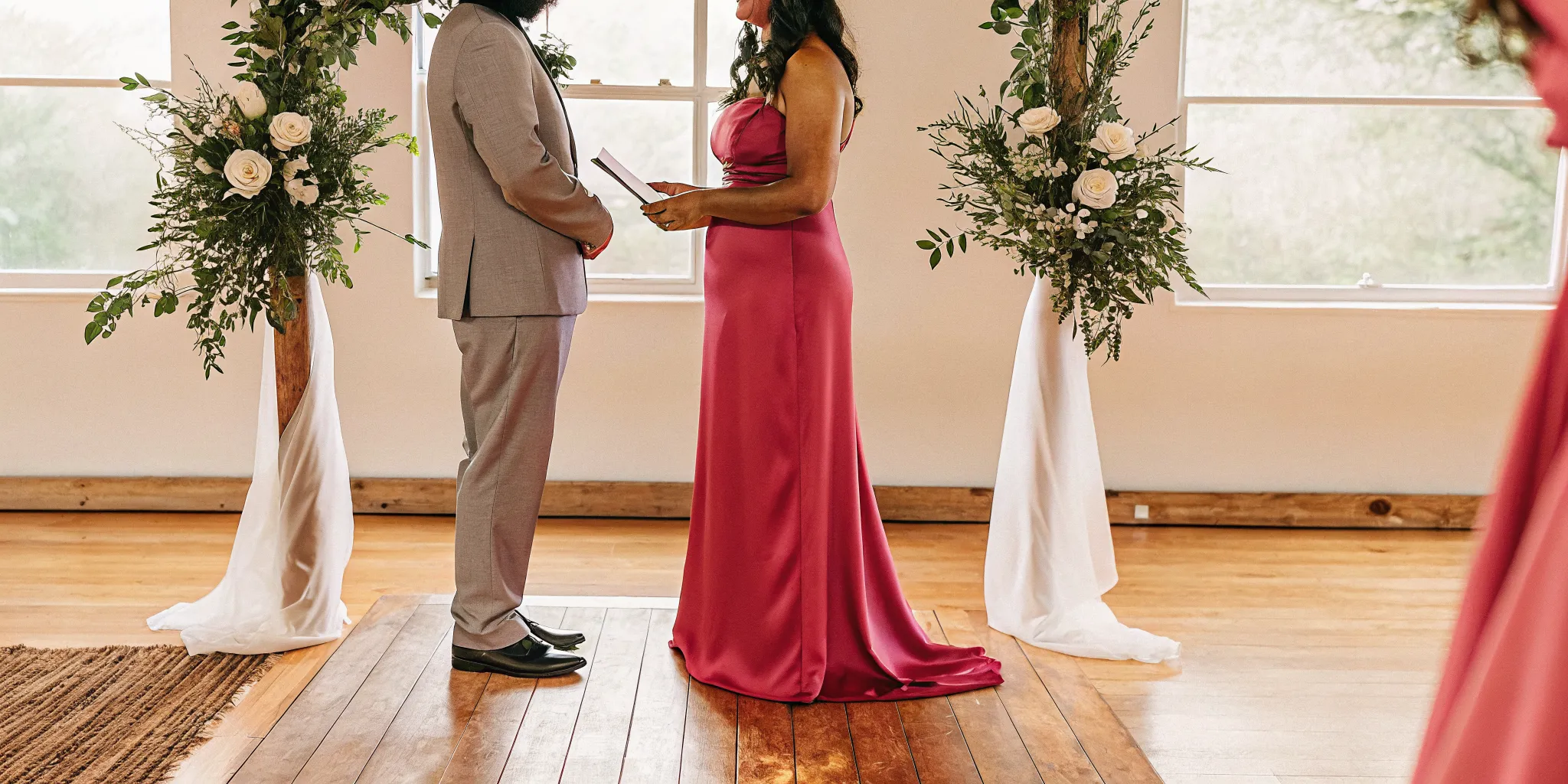
This is the heart of the ceremony. The vows are the personal promises the couple makes to one another, and they are often the most emotional part of the day. Whether they write their own or use traditional words, your job is to create a space for them to share these promises sincerely. Following the vows, you will guide them through the ring exchange. As they place the rings on each other’s fingers, they are giving a tangible symbol of their commitment. Our Wedding Officiant Training can give you more ideas on how to make this moment special.
Unity Rituals and Other Traditions
Many couples want to include a special ritual to symbolize their union in a visual way. This is a wonderful opportunity to personalize the ceremony and reflect their unique story. Popular options include a unity candle lighting, a sand ceremony, or even a handfasting ritual. These traditions can be a beautiful way to involve family members, like parents or children, in the ceremony. You can help the couple choose a ritual that feels authentic to them and seamlessly weave it into the flow of the service.
The Pronouncement of Marriage
After the vows and rings have been exchanged, it’s time for the grand finale: the pronouncement. This is the moment everyone has been waiting for. With the authority vested in you, you will officially declare the couple as married. This declaration is the legal and celebratory conclusion of the ceremony. It’s followed by the much-anticipated first kiss, which cues the guests to cheer and celebrate. Make sure you understand the specific legal requirements for your state by checking the state laws to ensure the marriage is official.
How to Create a Personalized Ceremony Script
The ceremony script is the heart of the wedding. It’s what transforms a legal proceeding into a personal and memorable celebration of the couple’s love story. Your role as the officiant is to craft a narrative that feels authentic, engaging, and deeply meaningful to the couple and their guests. While it might seem like a big task, breaking it down into smaller steps makes it manageable and even fun. The key is to move past generic templates and create something that truly reflects the unique bond the couple shares. It’s about telling their story in a way that honors their journey and sets the tone for their future together.
This is your chance to set the tone for the entire day. A great script makes guests laugh, cry (in a good way), and feel like they’ve witnessed something truly special. It’s not just about reading words off a page; it’s about creating an experience. Think of yourself as a storyteller, and the script as your guide to sharing the most important story of the day. The following steps will help you gather the right details and structure them into a ceremony that feels both professional and deeply personal.
Get to Know the Couple
To write a script that resonates, you first need to understand the couple on a deeper level. The best way to do this is by asking thoughtful questions. Send them a detailed questionnaire to fill out together or separately. Ask about how they met, their first date, the proposal, and what they love most about each other. Dig into their favorite shared memories, inside jokes, and the challenges they’ve overcome as a team. These details are the raw material for a beautiful ceremony. The more you know about their relationship, the easier it will be to craft a script that feels like it was written just for them.
Weave in Their Personal Stories
Once you’ve gathered all those wonderful details, it’s time to weave them into a compelling narrative. The goal is to tell their unique love story in a way that lets guests feel more connected to the couple. You don’t need to share every single detail, but select a few key anecdotes that highlight their personalities and the strength of their bond. Maybe it’s a funny story about a disastrous first date or a touching moment that revealed they were meant to be. By sharing these personal stories, you give guests a glimpse into the couple’s journey and make the ceremony an intimate and engaging experience for everyone.
Structure the Script for a Natural Flow
A well-structured script ensures the ceremony flows smoothly from one moment to the next. While every ceremony is different, most follow a general format. You’ll typically start with opening remarks and a welcome to the guests, followed by your speech about the couple. Then comes the declaration of intent (the "I do's"), the exchange of vows and rings, and finally, the pronouncement of marriage. You can also include readings or unity rituals. Having a clear framework helps you organize your thoughts and ensures you hit all the essential elements. Our wedding officiant training offers in-depth guidance on building scripts for all types of ceremonies.
Move Beyond Generic Templates
While looking at script templates can be a helpful starting point, don’t rely on them completely. A generic script will feel impersonal and disconnected from the couple you’re celebrating. Use templates for structure, but make sure the words you speak are tailored to the couple’s personality and relationship. Are they lighthearted and funny, or more serious and traditional? Let their style guide your tone. The most memorable ceremonies are the ones that feel completely authentic. Your job is to create a space where the couple’s love story can shine, using words that truly represent who they are.
How to Handle the Marriage License
This is arguably the most important part of your job. The ceremony is for the heart, but the marriage license is for the law. Handling this document correctly is what makes the marriage official, so it’s a responsibility you can’t take lightly. Don't let that scare you, though. With a little preparation, managing the paperwork is straightforward and simple. Your role is to verify the information, sign in the right places, and return it to the proper authorities on time. Think of yourself as the final checkpoint ensuring the couple’s union is legally recognized.
Getting this right gives the couple peace of mind and solidifies your role as a professional and trustworthy officiant. It’s a simple process, but every step matters. From understanding local rules to signing on the dotted line, we’ll walk through exactly what you need to do to handle the marriage license with confidence and care. The couple is counting on you to finalize their legal union, and a smooth process reflects well on your services. It’s the behind-the-scenes work that is just as meaningful as the ceremony itself. Before the big day, make sure you are clear on the specific requirements of the state and county where the wedding will take place, as these details can change from one location to another.
Know Your State's License Requirements
First things first: every state, and sometimes even every county, has its own rules. Before the wedding, you need to contact the office that issues marriage licenses (usually the county clerk) where the ceremony will be held. Ask them exactly what documentation you need to present as an ordained minister. They might ask for a copy of your ordination certificate or a letter of good standing. Don’t assume the rules are the same everywhere. Taking a few minutes to confirm the local state laws will save you and the couple a major headache later on. This proactive step shows your professionalism and ensures everything is legally sound.
Review the Paperwork Before the Ceremony
Before you begin the ceremony, take a moment to carefully review the marriage license with the couple. This is your chance to catch any errors that could cause legal issues down the road. Check that their full legal names are spelled correctly and that all dates and personal information are accurate. Make sure the couple has filled out their sections completely. This pre-ceremony check is a crucial step. It confirms that the document is ready for your signature after the vows are exchanged and prevents any last-minute panic or delays in making their marriage official. It’s a simple but vital quality check that reflects the professionalism outlined in our code of ethics.
Complete and File the Marriage Certificate
After the couple says "I do" and you've made the pronouncement, it's time to sign the paperwork. Find a quiet spot away from the celebration to complete this task. You, the couple, and sometimes one or two witnesses will need to sign the marriage license. Use black ink and write clearly. Once it's signed, the responsibility of filing it is usually on you, the officiant. Be aware of the deadline, as you typically have a limited window (from a few days to a month) to return the completed license to the county clerk's office. I recommend making a copy for your records before you mail it or drop it off.
How to Prepare Before the Wedding Day
With your script finalized and the legal requirements understood, it's time to focus on a flawless delivery. A memorable ceremony is the result of thoughtful preparation. Taking the time to connect with the couple, lead a rehearsal, verify your legal duties, and practice your delivery will build your confidence and ensure you’re ready to create a beautiful experience for everyone involved.
Meet with the Couple
Building trust with the couple is your first priority. Before the wedding, schedule a meeting to walk them through your plan for the ceremony. This is your chance to show them you're prepared and to listen to their vision. Go over each part of the script, from the opening remarks to the final pronouncement, and ask for their input. This is the time to confirm what they want to include and what they’d prefer to leave out. Getting on the same page ensures the ceremony feels personal and authentic to them. It also helps them see you as a confident guide for their big day, putting everyone at ease.
Plan and Lead the Rehearsal
The rehearsal is your chance for a full run-through, and you should lead it. Since you know the script best, you’re the perfect person to direct the ceremony portion. Practice the entire flow: where everyone stands, when the music plays, and how the procession and recession will work. This is also the time to sort out clunky transitions, check microphone levels, and answer questions from the wedding party. A well-organized rehearsal calms everyone’s nerves (including yours) and ensures the actual ceremony goes off without a hitch, allowing the couple to be fully present on their wedding day.
Create a Legal Checklist
Don’t leave the legal details to chance. Before the wedding, contact the local county clerk’s office to confirm all requirements. You can get a head start with our breakdown of state laws. Make a simple checklist: has the couple obtained the license? When does it need to be signed and returned? On the day of, review the marriage license before the ceremony starts to make sure all the information is accurate. This simple step is crucial for ensuring the marriage is legally binding and protects everyone from potential issues.
Practice Your Delivery
How you deliver the ceremony is just as important as what you say. Practice reading your script out loud multiple times. A key tip is to speak much slower than you think you should; nerves can make you rush, so a deliberate pace sounds more natural. To make your script easier to follow, use a large font and break up long paragraphs. This helps you keep your place if you look up to engage with the couple. For more in-depth coaching, our wedding officiant training can help you build confidence.
How to Deliver a Confident, Engaging Ceremony
The script is written, the license is ready, and the couple is waiting. Now, it’s your moment to shine. Delivering the ceremony is about more than just reading words from a page; it’s about creating an atmosphere of love, joy, and celebration. Your presence sets the tone for the entire event. A confident and engaging delivery can turn a simple ceremony into an unforgettable experience for the couple and their guests. The key is to be prepared, present, and connected to the moment. Let’s walk through how you can command the stage with grace and warmth.
Master Your Voice and Pacing
Your voice is your most important tool. To make sure every word lands, speak clearly and much slower than you normally would in a conversation. When you’re nervous, it’s natural to speed up, but a deliberate pace gives your words weight and allows everyone, from the front row to the back, to follow along. It also gives the couple a moment to breathe and absorb what’s happening. Practice reading your script aloud, perhaps even recording yourself to check your speed. Our comprehensive wedding officiant training includes modules on public speaking to help you find the perfect rhythm and project confidence from the first word to the last.
Manage Pre-Ceremony Nerves
It’s completely normal to feel a few butterflies before the ceremony begins. The secret is to channel that energy into your performance. Remember, the day isn’t about you; it’s about the couple. Your primary job is to make them feel calm, supported, and confident in your ability to lead their ceremony. When you shift your focus to their comfort, your own nerves often take a backseat. Arrive early, take a few deep breaths, and run through your script one last time. Being thoroughly prepared is the best way to quiet any anxiety and step into your role with a sense of purpose and professionalism, which is a core part of our code of ethics.
Connect with the Couple and Guests
A great ceremony feels like an intimate conversation, even with a large crowd. You can build this connection by making eye contact with the couple throughout the ceremony, reminding them that you are there for them. It’s also important to welcome the guests and make them feel included. A simple, warm greeting like, "Good afternoon, everyone!" can instantly create a friendly atmosphere. If the crowd is a bit quiet, you can even playfully encourage them to cheer for the couple. By sharing your plan with the couple beforehand, you build their trust, allowing them to relax and be present. This connection is what makes the ceremony feel personal and heartfelt.
Use Humor (Appropriately)
A touch of humor can be a wonderful way to lighten the mood and reflect the couple’s personality. However, it’s crucial to get the tone just right. The best approach is to discuss humor with the couple during your planning meetings. Are they jokers, or are they more reserved and romantic? Some couples love a funny story, while others might prefer that the most sacred moments, like the pronouncement, remain sincere and loving. Your humor should always feel authentic to them, not like a generic joke you pulled from the internet. Tailoring your approach ensures the laughter feels genuine and adds to the joy of the day, a skill you can refine through dedicated wedding officiant training.
What to Expect on the Wedding Day
The big day is here! All your preparation leads to this moment. Your role is to be a calm, steady presence for the couple. While every wedding is unique, a few key things will happen on the day of the ceremony. Knowing what to expect helps you stay focused and deliver a beautiful experience for everyone involved. From your arrival to your final signature on the marriage license, here’s a look at how the day will unfold.
Your Arrival and Setup Plan
Plan to arrive at the venue about 45 minutes before the ceremony is scheduled to begin. This gives you plenty of time to get settled without feeling rushed. Once you’re there, run through a quick mental checklist to ensure everything is in place. Touch base with the DJ or musician to confirm music cues, and do a quick soundcheck with the microphone. Make sure any items for a unity ceremony are set up and ready to go. Finally, discreetly check in with the person holding the rings to confirm they have them. This simple routine will calm your nerves and set a professional tone for the event.
Coordinate with Vendors and the Wedding Party
You are a key part of the wedding day team, and clear communication is essential. Start by finding the wedding planner or venue coordinator, as they will be your main point of contact. Connect with the photographer and videographer to let them know about any special moments in the ceremony so they can be ready to capture them. A quick chat with the wedding party can also help ease any last-minute jitters. While the rehearsal is the best place to practice the flow of the ceremony, these day-of check-ins ensure everyone is on the same page. Our wedding officiant training covers how to work effectively with other vendors.
Handle Unexpected Moments with Grace
Even with perfect planning, things can happen. A ring might get dropped, a toddler might have a meltdown, or the microphone could suddenly stop working. Your job is to handle it with a calm and reassuring smile. If something minor happens, a little light humor can put everyone at ease. If the issue is bigger, simply pause, take a breath, and allow the coordinator or a family member to step in. After the ceremony, your most important task is to complete the marriage license. Find a quiet spot with the couple and their witnesses to sign the paperwork, ensuring every detail is correct according to your state’s marriage laws.
Common Mistakes First-Time Officiants Make
Your first ceremony is exciting, but it can also be a little nerve-wracking. It’s natural to worry about making a mistake. The good news is that most common slip-ups are completely avoidable with a bit of preparation. From fumbling with legal paperwork to simple miscommunications, knowing what to watch out for can make all the difference.
Think of it this way: your job is to create a seamless, beautiful experience for the couple, and that starts long before you stand at the altar. By focusing on a few key areas, you can sidestep the most frequent errors new officiants make. We’ll walk through how to handle the legal side of things, why you shouldn’t try to memorize your script, the importance of clear communication, and the one mistake you absolutely want to avoid: getting the names wrong.
Avoiding Legal Blunders
Of all the mistakes you could make, legal ones are the most serious. The most critical task you have is to ensure the marriage is legally binding. A common and costly error is failing to review the marriage license before performing the ceremony. You must verify that all the information is correct and that the license is valid for the state and county where the wedding is taking place. Each state has its own rules, so understanding the specific state laws is non-negotiable. Don’t assume the couple knows everything; it’s your responsibility as the officiant to guide them through the legal requirements and properly file the paperwork afterward.
The Myth of Memorizing Your Script
Many first-time officiants think they need to have the entire ceremony script memorized. This belief adds a ton of unnecessary pressure and can actually make your delivery feel stiff and unnatural. The reality is, it’s completely acceptable and professional to have your script with you. You can use a tasteful binder, a folder, or a tablet. This shows you’re prepared, not forgetful. Instead of memorizing, focus on practicing your delivery. Know the script well enough that you can look up, make eye contact with the couple, and connect with the guests. Our wedding officiant training covers practical tips like this to help you feel comfortable and confident.
Preventing Poor Timing and Communication
A smooth ceremony flow doesn’t just happen; it’s the result of great coordination. Poor timing and communication can lead to awkward pauses and confused guests. Practice the entire ceremony, including cues for music, readings, and rituals. Simple, clear announcements are your best friend. Knowing when to say "Please be seated" or "Please stand for the bride" keeps everyone on the same page. It’s also part of your job to briefly connect with the other vendors, like the photographer and DJ, before the ceremony starts. This ensures everyone is working together to create a flawless experience for the couple.
Getting the Names Right
This might sound obvious, but you would be surprised how often it happens: an officiant mispronounces or uses the wrong name for one of the partners. This is one of the most personal and jarring mistakes you can make. To avoid it, confirm the correct pronunciation of their full names with the couple beforehand. Write the names phonetically in your script if you need to. I recommend highlighting their names every time they appear in your script so they visually pop off the page. Practice saying their names out loud until it feels completely natural. Getting this small detail right shows respect and care, which is what being a great officiant is all about.
Resources for a Successful Officiant Career
Getting ordained is your first step, but becoming a great wedding officiant is a craft you can develop. It’s about creating a meaningful experience for the couple and their guests. Having the right resources and a commitment to improving your skills will make all the difference, helping you lead every ceremony with confidence and grace.
Professional Officiant Training
While most states don’t distinguish between ministers ordained online and those from a seminary, professional training sets you apart. Your legal authority comes from ordination, but your ability to perform a ceremony well comes from preparation. Our wedding officiant training provides the practical skills to handle any situation. You’ll learn to structure a ceremony, work with couples, and manage legal paperwork with confidence. This preparation helps you move from feeling like an amateur to performing like a seasoned professional, ensuring the couple’s day is memorable for all the right reasons.
Your Officiant Toolkit
Every professional needs the right tools. Start building your officiant toolkit with a high-quality binder for your script, which looks more polished than loose papers. You don’t need to memorize the ceremony; having your script is perfectly acceptable and keeps you on track. Also, carry a couple of nice pens for signing the marriage license. You can find essential items like these in the AFM Store. Being prepared with these simple tools shows your professionalism and helps you feel more in control on the wedding day.
Script Builders and Planning Checklists
A well-written script is the foundation of a beautiful ceremony. It should include every detail, from processional cues to the exact words you and the couple will say. This document is your roadmap for the event. Using a script builder can help you structure the ceremony and personalize it with the couple’s story. Planning checklists ensure you don’t miss crucial steps, like confirming legal requirements. These organizational tools are central to upholding a high standard of service, which is a core part of our Code of Ethics.
Build Your Skills and Confidence
Public speaking can be nerve-wracking, but confidence comes from practice. The wedding rehearsal is your best opportunity to prepare. Use that time to run through the entire ceremony, including your script, music cues, and where everyone will stand. Practice using the microphone to check your volume and pacing. Before the rehearsal, read your script aloud at home. The more familiar you are with the flow, the more natural your delivery will be on the wedding day. Your calm presence helps set a joyful tone for the entire ceremony. If you have questions, please contact us.
Related Articles
- The Complete Process of How to Become a Wedding Officiant
- What's the Age Requirement to Officiate a Wedding?
- Marriage Officiant Requirements: A State-by-State Guide
Frequently Asked Questions
Is an online ordination from All Faith Ministry legally recognized in every state? In the vast majority of states, yes, your ordination is legally valid and grants you the authority to perform a marriage. However, laws can vary, and a few locations have specific registration rules. The most important thing you can do is check the requirements for the specific county and state where the ceremony will take place, as the laws of that location are what matter.
I just got ordained. What is the absolute first thing I should do before a wedding? Your very first step should be to contact the county clerk’s office where the wedding will be held. Introduce yourself as the officiant and ask them what, if anything, they require from you. Some offices need you to register your credentials in person beforehand, while others do not. Clarifying this detail early ensures you are fully compliant and avoids any last-minute legal surprises.
Do I have to be a great writer to create a good ceremony script? Not at all. A heartfelt ceremony comes from authenticity, not perfect prose. Your main job is to tell the couple's story in a way that feels true to them. The best scripts are built on the personal details, inside jokes, and meaningful moments you gather from talking with the couple. Focus on creating a clear structure and weaving in their unique story, and the ceremony will feel genuine and special.
What happens if I make a mistake on the marriage license? Preventing mistakes on the marriage license is one of your most important duties. Before the ceremony even begins, sit down with the couple and carefully review the document to ensure all their personal information is correct. When it's time to sign, use black ink and write clearly. If an error does happen, it can usually be corrected by working with the office that issued the license, but it can cause significant delays and stress for the couple.
How can I seem confident during the ceremony if I'm actually really nervous? Confidence comes from preparation, not a lack of nerves. The best way to feel calm is to know your material inside and out. Practice reading your script aloud several times, and remember to speak much more slowly than you think you need to. It is also completely professional to have your script with you in a nice binder or folder. Most importantly, shift your focus from the audience to the couple. When you concentrate on supporting them, your own anxiety tends to fade into the background.