

Becoming an ordained minister is a simple, supported path to legal ordination and meaningful ministry. Whether you want to officiate a wedding for a friend, serve your community, or begin a professional ministry journey, this guide explains how ordination works, what is required, and what to expect after you are ordained.
Your Journey to Becoming an Ordained Minister
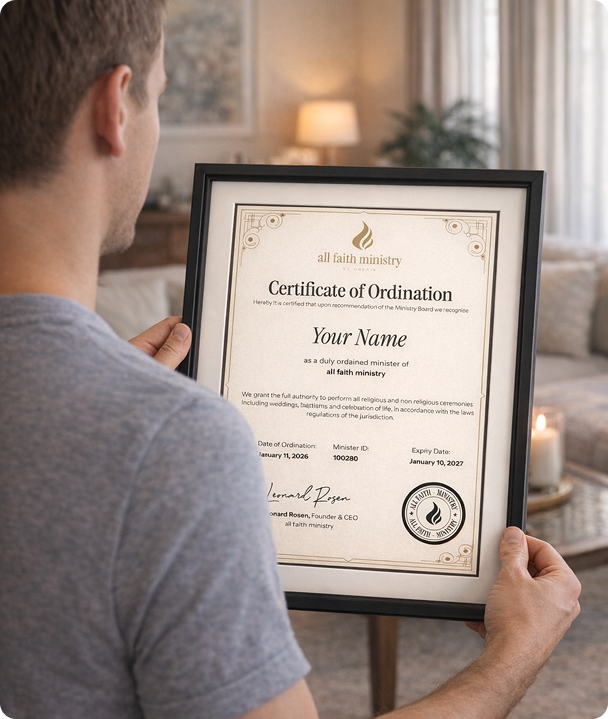
Yes, you can become an ordained minister online. With All Faith Ministry, the process is fast and legally recognized in most U.S. states, allowing you to get ordained in minutes.
If you are wondering how to become an ordained minister, this guide walks through the process step by step. You will learn how online ordination works, what is required legally, and how to prepare for the responsibilities that follow.
All Faith Ministry provides a recognized path to ordination without requiring a formal religious background. The streamlined process helps you get ordained quickly while giving you access to documentation, training, and ongoing support.
Ordained Ministry: Meaning, Role, and Eligibility
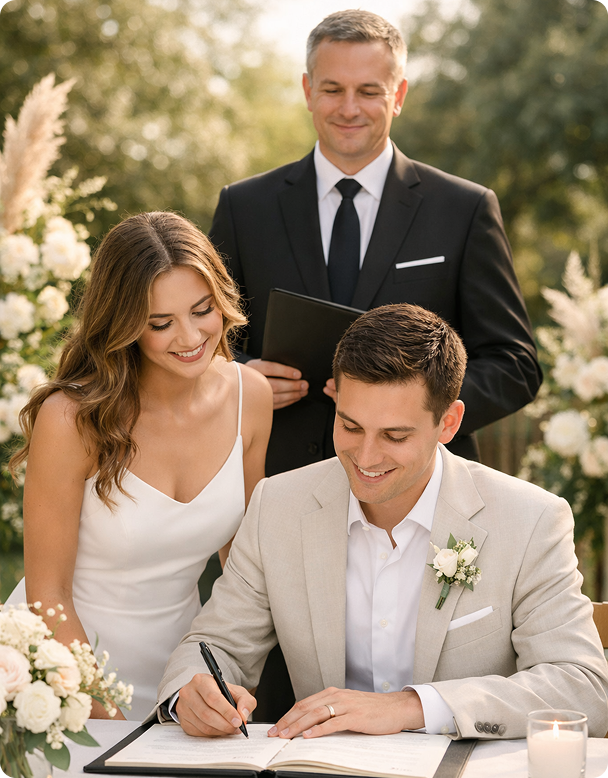
An ordained minister is someone formally recognized by a religious organization to perform ceremonies such as weddings, baptisms, and other ministerial services while offering spiritual guidance and support. Unlike an officiant who may focus only on solemnizing marriages, an ordained minister can serve a broader role within the community.
Ordination is accessible to most adults and does not generally require formal religious education. Individuals typically must be at least 18 years old, be of good moral standing, and satisfy any applicable state or local requirements. Requirements vary by location, so review where All Faith Ministry serves and confirm the rules with the appropriate local authority before performing a ceremony.
How to Become an Ordained Minister Online
Becoming an ordained minister through All Faith Ministry can open the door to officiating weddings, offering spiritual guidance, and leading meaningful ceremonies. No advanced theological background is required.
1. Get Ordained
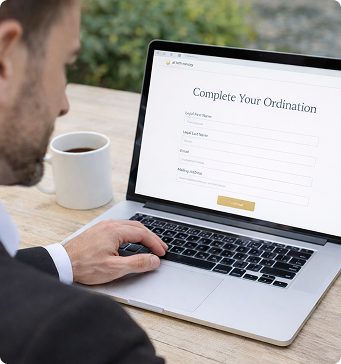
Choose the ordination option that fits your goals, create your account, and complete the online application. The application generally asks for your contact details, your intention to become ordained, and your agreement to the ministry's terms and code of conduct.
2. Access Your Credentials
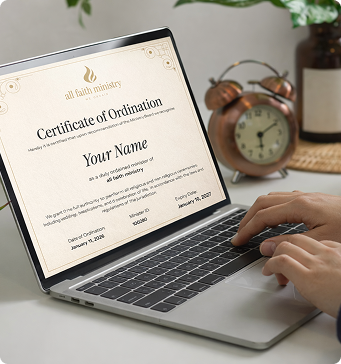
After approval, access your official certificate and ordination documents from your account. Keep your ordination certificate and any letter of good standing available because a county clerk or other local authority may ask to review them.
3. Prepare to Officiate

Ordination establishes your ministerial standing, but preparation helps you lead ceremonies confidently. Review local laws, practice your delivery, learn how to handle the marriage license, and consider completing professional wedding officiant training.
The Complete Process: How to Get Ordained as a Minister
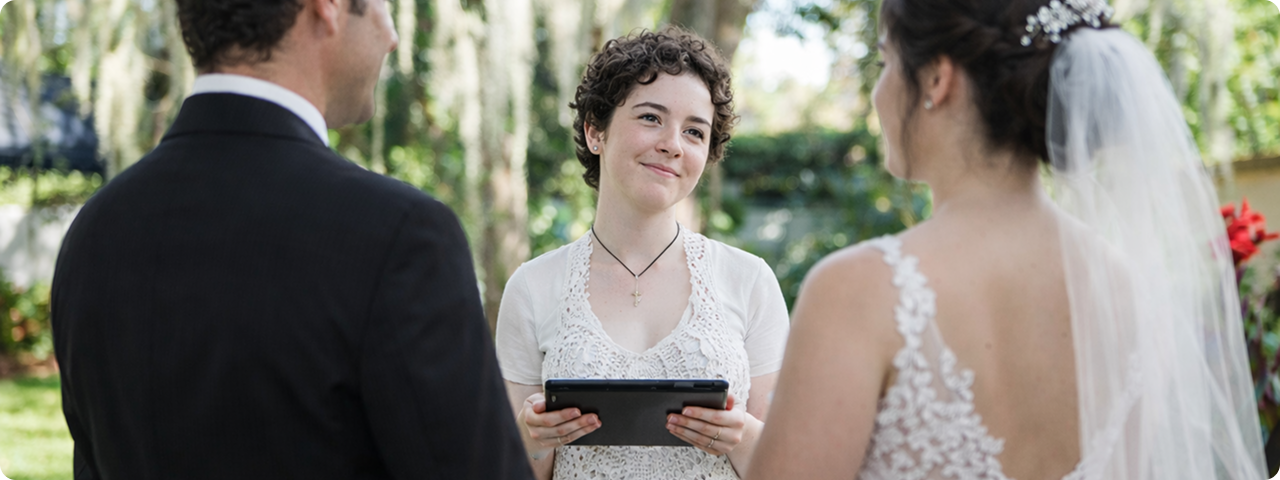
Choose a Reputable Ordaining Organization
Start by selecting an established organization that supports your goals. Consider:
- The legitimacy and recognition of its credentials
- Whether people from different faith backgrounds are welcome
- The cost of ordination, certificates, and additional services
- The availability of training, legal guidance, and ongoing support
- Whether the organization publishes a professional code of ethics
Complete the Application
Most online ordination platforms use a straightforward application. Provide your legal name and contact information, state your intention to become ordained, and agree to the organization's terms and standards.
Receive and Verify Your Credentials
Once the application is approved, you will receive confirmation of your ordination and access to supporting documentation. Before performing a ceremony, verify that your credentials satisfy the requirements in the state and county where the event will occur.
Understand the Cost and Timeline
Online ordination can often be completed on the same day. Costs vary depending on the credentials, training, and support included. Review the available ordination options so you know exactly what documents and services you will receive.
Confirm That Your Ordination Is Legally Sound
Online ordinations are recognized in most U.S. states, but requirements may differ by state and county. Read the guide to online ordination legal requirements and contact the local county clerk responsible for the marriage license.
Online Ordination vs. Traditional Ordination

Both online and traditional ordination can support meaningful ministry, but they serve different needs.
Online Ordination
- Fast and convenient, often completed in less than 24 hours
- Recognized in most U.S. states for performing weddings and ceremonies
- Accessible to people from a wide range of backgrounds and beliefs
- Well suited to someone preparing to officiate a wedding for a friend or relative
Traditional Ordination
- Typically involves affiliation with a church, denomination, or seminary
- May require formal theological education and supervised training
- Can provide a structured path toward congregational leadership
- Often includes mentorship and long-term denominational support
Why Becoming an Ordained Minister Can Be Life-Changing
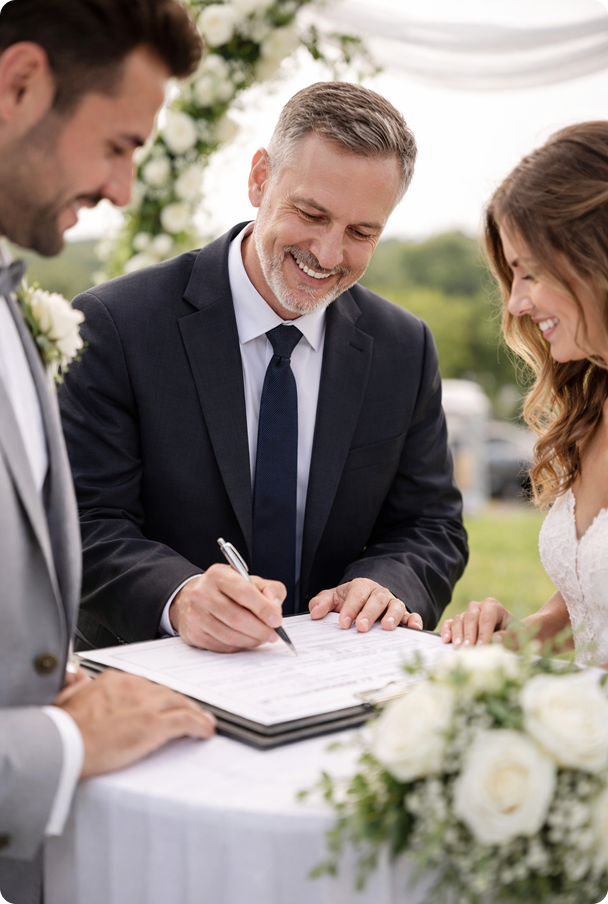
Spiritual Fulfillment
Ordination allows you to turn a desire to serve others into meaningful action. It is not only about holding a title; it is about supporting people during important moments in their lives.
A Broader Scope of Service
Depending on your organization and local laws, an ordained minister may officiate weddings, perform baptisms, conduct spiritual services, and offer pastoral support.
Community Impact
Ministers serve their communities by offering guidance, support, and leadership. The role can create lasting relationships with couples, families, and community organizations.
Personal Growth
The responsibilities of ministry encourage preparation, empathy, public speaking, and a deeper understanding of your own beliefs and values.
State and Local Requirements for Ministers
Requirements for wedding officiants vary by state and sometimes by county. Common requirements include:
- Registration: Some jurisdictions require ministers to register with a government office before officiating.
- Proof of ordination: You may need to provide an ordination certificate or letter of good standing.
- Active status: Some authorities may ask whether you remain in good standing with the ordaining organization.
- Age verification: Most jurisdictions require the officiant to be at least 18 years old.
Always verify the rules for the ceremony location. Start with the All Faith Ministry service-area information, then confirm the current requirements with the county clerk or other responsible authority.
Handling the Marriage License and Legal Requirements
When you officiate a wedding, you are not only leading the ceremony—you may also be responsible for completing and returning the marriage license correctly.
Your Main Responsibilities
- Complete all required officiant fields on the license.
- Collect the signatures of the couple and any required witnesses.
- Review the document for missing or incorrect information.
- Return the license to the office that issued it within the required deadline.
Filing deadlines vary. Some jurisdictions require the license to be returned within several business days, while others use a different timeline. Never rely on a general deadline; confirm the instructions printed on the license or contact the issuing office directly.
How to Officiate a Wedding as an Ordained Minister
Officiating a wedding is both an honor and a legal responsibility. For a more detailed walkthrough, read how to officiate a wedding.
Meet the Couple
Discuss the couple's vision, preferred tone, and any religious, cultural, or personal elements they want included. Understanding their story will help you create a ceremony that feels authentic.
Check Local Laws
Confirm whether you must register or file your credentials before the ceremony. Contact the county clerk responsible for the marriage license if the requirements are unclear.
Write the Ceremony Script
Create a clear structure that includes a welcome, a message about the couple, vows, a ring exchange, and the declaration of marriage. Use the guide to writing a wedding ceremony script for additional help.
Practice Before the Wedding
Read the script aloud several times and attend the rehearsal when possible. Practicing helps you control your pacing, pronunciation, and transitions.
Conduct the Ceremony
Arrive early, dress appropriately, speak clearly, and keep the focus on the couple. Remain calm if an unexpected moment occurs.
Sign and Return the Marriage License
After the ceremony, obtain all required signatures, check the document carefully, and follow the issuing office's instructions for returning it.
Becoming a Professional Ordained Minister

If you plan to offer ministerial services regularly, treat the work as a professional service. The guide to becoming a professional wedding officiant can help you plan the next steps.
Build Your Brand
Create a clear identity that communicates your values, ceremony style, location, and services.
Launch a Website
A professional website should explain your experience, list the ceremonies you offer, feature testimonials, and make it easy for couples to contact you.
Collect Reviews and Testimonials
Ask couples to share honest feedback on your website, social profiles, and relevant wedding platforms. Reviews establish trust and help future clients understand what it is like to work with you.
Join Directories and Build Vendor Relationships
Wedding directories can improve visibility, while relationships with planners, photographers, DJs, and venues can generate referrals.
Set Up the Business Properly
Depending on your location and activity level, you may need to register a business name, obtain a local license, maintain financial records, and report income. Review the guide to starting a wedding officiant business and consult qualified local professionals where necessary.
Frequently Asked Questions
Is online ordination legal?
Online ordination is recognized in most U.S. states. However, marriage laws and registration requirements vary, so always verify the rules for the state and county where the wedding will occur.
How long does it take to become an ordained minister?
The online application can often be completed in minutes, and confirmation may be provided quickly after approval. Obtaining physical documents or completing local registration can take additional time.
Do I need to be religious to become an ordained minister?
No specific religious background is required by All Faith Ministry. People from diverse beliefs may pursue ordination when they feel called to serve others and agree to the organization's standards.
Can I officiate a wedding for a friend or family member?
Yes. Many people become ordained specifically to officiate for someone they know. You must still satisfy all legal requirements for the ceremony location.
What if I make a mistake during the ceremony?
Minor speaking mistakes rarely diminish the celebration. Pause, correct yourself if necessary, and continue calmly. Accuracy is especially important when completing and returning the marriage license.
Can I officiate in multiple states?
Your ordination may support officiating in multiple states, but each jurisdiction can impose different registration and documentation rules. Verify the requirements before every out-of-state ceremony.
Start Your Ordination Journey
Whether you are officiating for someone you love or building a professional path, ordination can help you lead meaningful ceremonies with the appropriate credentials, preparation, and support.