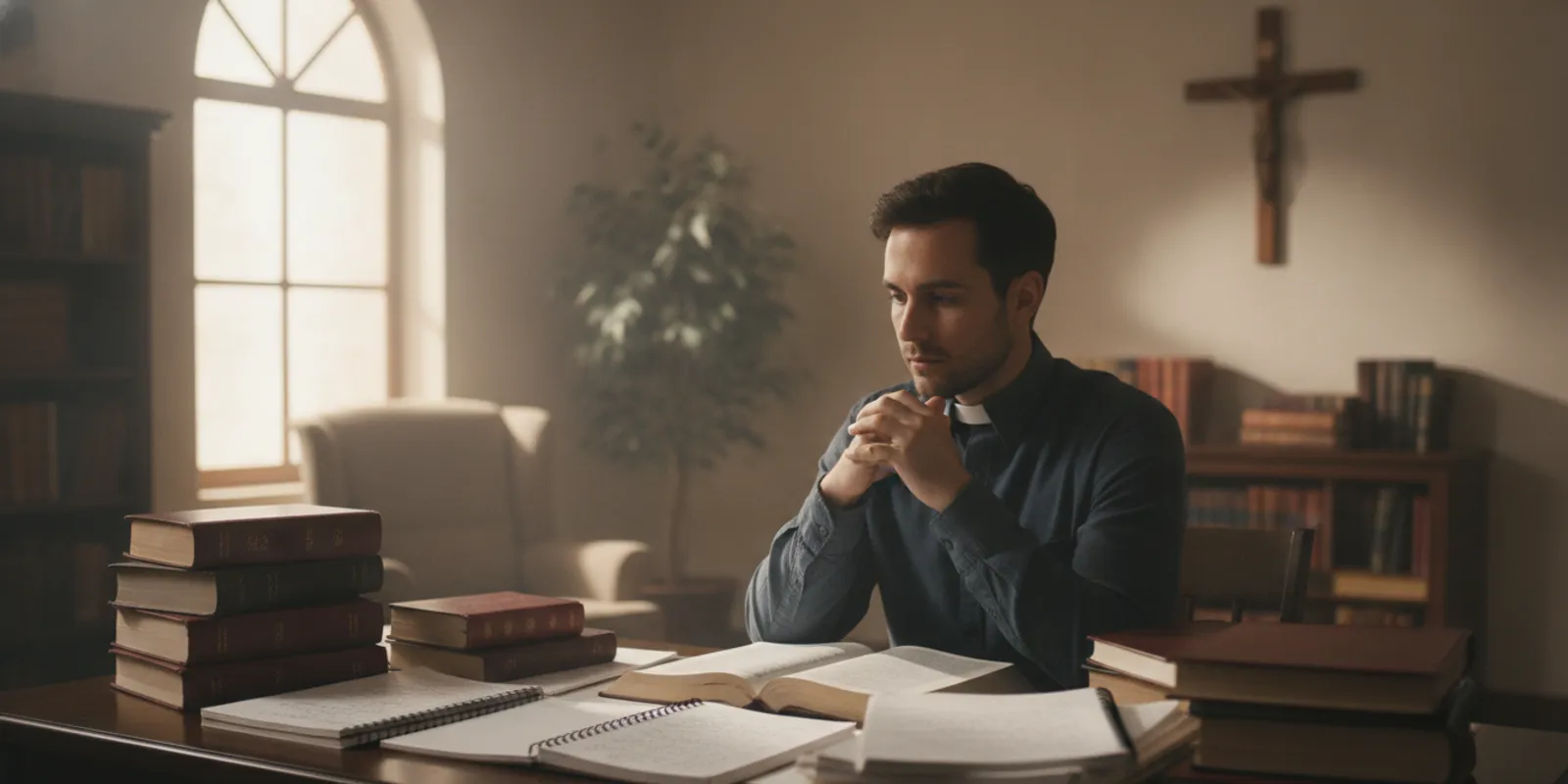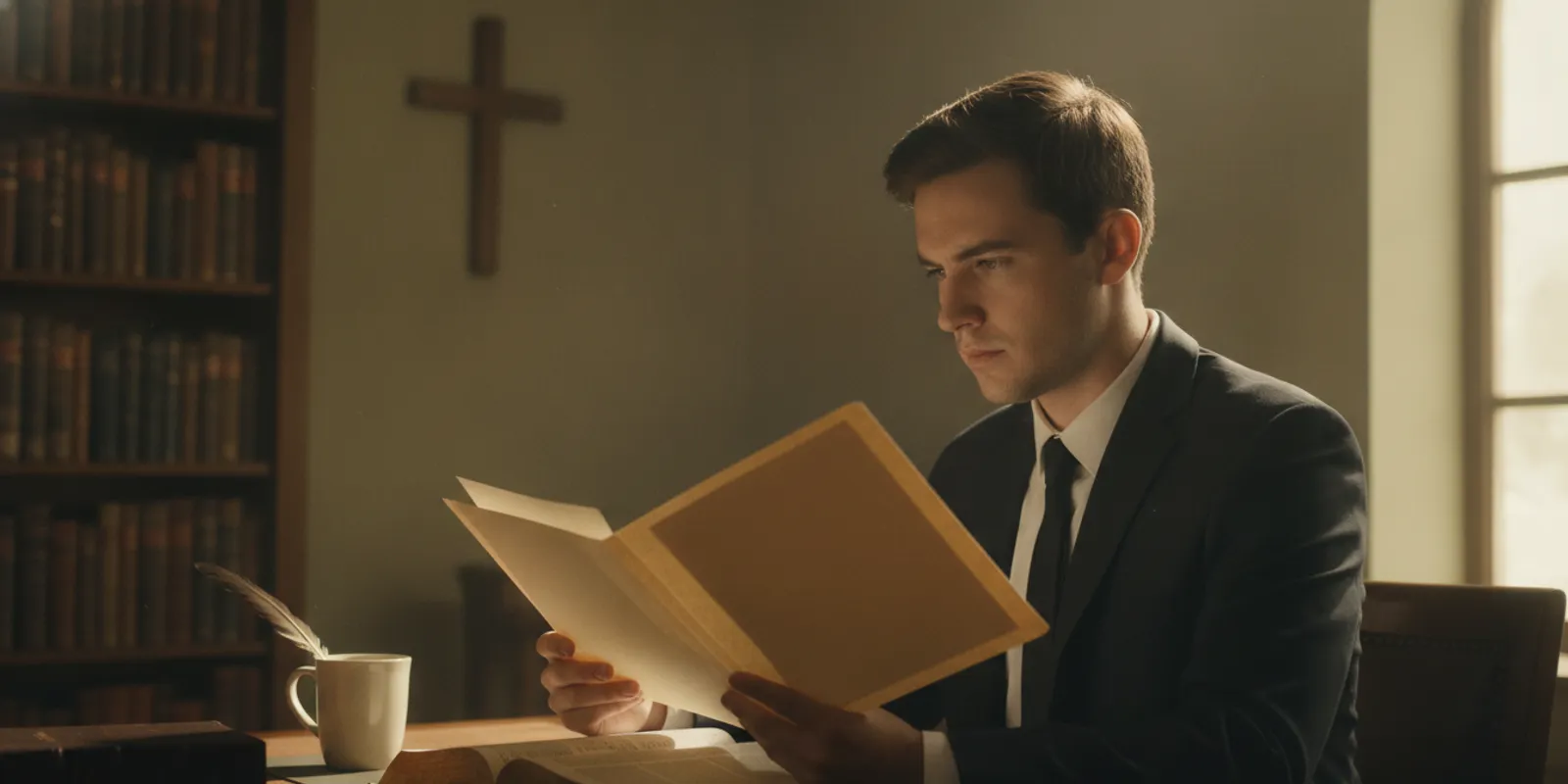

Staring at a blank page can be the most intimidating part of officiating a wedding. You want to create something beautiful and meaningful, but it’s hard to know where to begin. How do you balance tradition with personal stories? What are the essential parts you can't forget? This guide is designed to take the pressure off. Think of it as your blueprint for building a ceremony from the ground up. We’ll provide the structure and walk you through the key elements, offering practical tips on how to write a wedding ceremony script. You’ll learn how to create a solid foundation and then weave in the couple's story to make it shine.
Key Takeaways
- Make it Their Story, Not Just a Ceremony: Your most important job is to collaborate with the couple. Use their unique stories, inside jokes, and shared values to transform a standard script template into a deeply personal narrative that could only belong to them.
- Build on a Solid, Legal Foundation: Always start with the essential structure that covers the non-negotiable legal requirements, like the Declaration of Intent and the Pronouncement. Once that framework is in place, you can creatively add personal readings, rituals, and stories.
- Practice Aloud for a Confident Delivery: A script is meant to be spoken, not just read. Reading it aloud multiple times is the key to finding a natural pace, smoothing out awkward phrases, and building the confidence to look up from your notes and connect directly with the couple.
What Is a Wedding Ceremony Script?
Think of a wedding ceremony script as the blueprint for one of the most important moments in a couple's life. It’s a structured document that outlines the entire flow of the ceremony, from the moment the first person walks down the aisle to the final pronouncement. It contains all the spoken words, including your opening remarks, any readings or poems, the couple's vows, the ring exchange, and any special rituals they want to include.
But a script is so much more than a list of things to say. It’s the narrative thread that weaves together the couple’s story, their promises, and the legal declarations that make their union official. It ensures the ceremony runs smoothly, hits all the right emotional notes, and feels authentic to the two people at the center of it all. As the officiant, you’ll be the one to bring this document to life, so learning how to craft a beautiful one is a cornerstone of your role. Our wedding officiant training is designed to help you master this essential skill.
A great script gives you, the officiant, a solid foundation to stand on, allowing you to lead with confidence and grace. It also gives the couple peace of mind, knowing that their ceremony will reflect their personalities and love for one another. It’s a collaborative effort that transforms a list of proceedings into a memorable, heartfelt experience for everyone involved.
Why Every Ceremony Needs a Script
A script is what sets the tone for the entire wedding day. A personal, heartfelt ceremony makes everyone feel connected and joyful, and that feeling carries through the rest of the celebration. The best part is that creating a meaningful ceremony doesn't depend on a big budget—it depends on thoughtful words and a clear plan. A well-written script has a huge emotional impact.
Practically speaking, a script ensures you don’t miss any crucial moments or legal requirements. It eliminates awkward pauses and keeps the ceremony flowing naturally, allowing the couple to relax and be fully present. It’s your guide to making sure everything from the vows to the ring exchange happens seamlessly and in accordance with the specific state laws governing marriage.
Who Writes the Wedding Script?
As the wedding officiant, you will typically take the lead in writing the script. However, it’s never a solo project. The best scripts are born from close collaboration with the couple. Your job is to listen to their story, understand their values, and ask questions to draw out the details that will make their ceremony unique. You’ll guide them through the process, offering ideas and structuring their vision into a cohesive narrative.
Most couples know they want to say vows, exchange rings, and share a first kiss, but they rely on you to build the framework around those key moments. Crafting a script that truly reflects the couple is a fundamental skill for any celebrant and a core part of our professional Code of Ethics. It’s your responsibility to translate their love story into a ceremony they’ll cherish forever.
The Anatomy of a Wedding Ceremony Script
Think of a wedding script as a roadmap for the ceremony. While every couple's journey is unique, most ceremonies follow a familiar path that guides everyone from the first step down the aisle to the final, joyful exit. Understanding this structure is the first step to crafting a ceremony that feels both timeless and deeply personal. It ensures you hit all the essential moments while leaving plenty of room for the couple's personality to shine through. Let's walk through the key parts of a wedding ceremony script, piece by piece.
The Opening: Processional and Welcome
The ceremony begins with the processional, the moment the wedding party and the couple make their entrance. It’s a beautiful sequence that builds anticipation for what’s to come. Once everyone is in place, it’s your turn to shine with the opening remarks. This is your chance to welcome the guests, acknowledge the importance of the day, and set a warm, celebratory tone. You can share a brief thought on love or marriage that resonates with the couple. Our wedding officiant training covers how to craft a welcome that instantly connects with everyone present, making them feel like a cherished part of the celebration from the very first word.
The Heart: Vows and "I Do's"
This is the emotional core of the ceremony. It starts with the Declaration of Intent, more commonly known as the "I do's." This is the part where each person formally declares their intention to marry the other. It’s a simple but powerful public agreement. Following this, the couple will exchange their vows. These are the promises they make to one another for their future together. Whether they choose traditional wording or write their own, this is often the most moving part of the ceremony. It’s also important to be aware of any specific language required by state laws to ensure the marriage is legally recognized.
The Symbols: Rings and Unity Rituals
After the vows, the couple exchanges rings. These rings are a tangible symbol of the promises they just made—a circle with no beginning and no end, representing their eternal commitment. As the officiant, you’ll typically say a few words about the significance of the rings as they are placed on each other's fingers. Many couples also choose to include a unity ceremony at this point. This is an optional ritual that visually represents their union. From lighting a unity candle to a sand pouring ceremony, there are many beautiful wedding ceremony rituals that can add another layer of meaning to the day.
The Finale: Pronouncement and Recessional
Here comes the moment everyone has been waiting for: the pronouncement. This is your official declaration that the couple is married, followed by the iconic first kiss. It’s a peak moment of joy and celebration. After the kiss, you’ll offer some brief closing remarks, perhaps a final blessing or a word of congratulations, before introducing the newlyweds to their guests for the first time. This leads directly into the recessional, where the happy couple and their wedding party exit down the aisle, usually to upbeat music. It’s a triumphant and happy conclusion to the ceremony, marking the beginning of their new life together.
How to Personalize the Ceremony Script
A wedding ceremony script is more than just a sequence of events; it’s the narrative of a couple’s commitment. While the core components—vows, rings, the pronouncement—are essential, the magic truly happens in the personal touches. This is your opportunity as an officiant to transform a standard ceremony into a one-of-a-kind celebration that reflects the couple's unique journey, personalities, and shared values. A personalized script makes the couple feel seen and celebrated, and it invites their guests to witness something truly authentic.
Your role is to be a storyteller, weaving together the threads of their past, present, and future. This involves more than just asking them to fill out a questionnaire. It requires genuine curiosity and thoughtful conversations to uncover the details that make their relationship special. By focusing on personalization, you create a ceremony that resonates deeply, leaving everyone with a lasting memory of a day that was undeniably theirs. This is the heart of what makes a great officiant, and it’s a skill you can develop with practice and care.
Weave in Their Love Story
Every couple has a story, and it’s the perfect place to begin the ceremony. Sharing how they met, the details of their first date, or the moment they got engaged immediately draws guests in and sets a warm, intimate tone. Ask the couple specific questions to get the best details: What was your first impression of each other? When did you know you’d found your person? What’s a favorite memory you’ve made together? A great wedding ceremony script uses these personal details to build a narrative that feels both grand and deeply personal, reminding everyone why they’ve gathered to celebrate.
Share Meaningful Anecdotes
Anecdotes are the small, specific stories that bring a couple’s personality to life. Maybe it’s a funny story about a disastrous cooking attempt, a touching moment that revealed their partner’s character, or a shared quirk that only they understand. These little moments are what make a relationship real. A heartfelt ceremony that includes these personal stories feels genuine and connects with everyone in the room. With the couple’s permission, you could even reach out to a few close friends or family members to gather sweet or humorous insights that add another layer of warmth and personality to the script.
Honor Their Values and Beliefs
A ceremony should be a true reflection of the couple's core values and beliefs, whether they are religious, spiritual, or secular. Your job is to create a ceremony that honors their unique perspective. This might mean blending traditions from different cultures or faiths, incorporating a favorite poem or song lyric, or focusing entirely on their shared humanistic values. It’s crucial to have an open conversation about what is meaningful to them. This respect for the couple's beliefs is a cornerstone of our Code of Ethics and ensures the ceremony is an authentic representation of their union.
Essential Elements for Your Wedding Script
A truly memorable wedding script does more than just guide the ceremony—it tells a story, honors traditions, and, most importantly, fulfills the legal requirements to marry two people. Think of it as a blueprint that balances structure with heart. Before you get lost in the creative details, it’s helpful to understand the core components that every script needs. These elements are the foundation upon which you’ll build a beautiful, personalized, and legally sound ceremony.
From the non-negotiable legal declarations to the personal anecdotes that make everyone tear up, each piece has a purpose. Getting these essentials right is a core part of your responsibility as an officiant. It’s what separates a simple reading from a powerful, official ceremony. You are the one who ensures the moment is not only emotionally significant but also legally binding. This involves a thoughtful blend of three key areas: the legal necessities that make the marriage official, the traditional structures that give the ceremony a familiar and comfortable flow, and the personal touches that make it uniquely about the couple standing before you. Mastering this blend is what will make your script shine and give the couple a memory they'll cherish forever. Let’s walk through how to handle each of these essential elements with care and confidence.
Covering the Legal Bases
First things first: let's talk legalities. While you have a lot of creative freedom, a couple of key moments in the ceremony are required to make the marriage official. These are the "Declaration of Intent" (where the couple agrees to marry, often the "I do's") and the "Pronouncement" (where you officially declare them married). These parts are non-negotiable. Your primary job as an officiant is to ensure the union is legally binding, so it’s crucial to understand the specific requirements. While the core elements are similar everywhere, wording and other details can vary. Always check the marriage state laws where the ceremony is taking place to be certain you’ve covered all your bases.
Balancing Tradition and Personal Touches
Most weddings follow a familiar flow: processional, welcome, readings, vows, ring exchange, and recessional. This structure is a great starting point, but it’s not set in stone. The real magic happens when you weave the couple's unique personality into this traditional framework. Work with them to choose readings that resonate, or encourage them to write their own vows. A great script makes guests feel like they’ve gotten to know the couple even better. You can achieve this by sharing a short, sweet story about how they met or what you admire about their partnership. This balance of familiar tradition and heartfelt personalization is what makes a ceremony feel both significant and uniquely theirs. Honoring the couple's vision is a core part of an officiant's code of ethics.
Incorporating Cultural or Religious Elements
Many couples want to honor their heritage or faith by including specific rituals in their ceremony. From the Jewish tradition of breaking a glass to a Chinese tea ceremony or an Irish handfasting ritual, these moments add a rich layer of meaning and connection. As the officiant, your role is to facilitate these traditions with respect and understanding. Talk with the couple to learn about the rituals that are important to them and their families. Do your homework to understand the history and symbolism behind each one so you can introduce it thoughtfully. Our wedding officiant training can help you get comfortable with a wide range of traditions, ensuring you can confidently create a ceremony that is a true reflection of the couple's values and background.
Popular Unity Rituals and Symbolic Gestures
Beyond the vows and rings, many couples want to include a symbolic gesture that visually represents their union. This is where unity rituals come in. These are tangible, memorable moments that add another layer of meaning and personality to the ceremony. As an officiant, you can help your couple choose a ritual that truly reflects their story, values, and the new life they’re building together. From ancient traditions to modern twists, there are countless wedding ceremony rituals to explore.
The key is to find something that feels authentic to the couple. A ritual shouldn't feel like just another box to check; it should be a highlight of the ceremony that resonates with them and their guests. When you discuss options, encourage them to think about what they want to symbolize. Is it the blending of their families? The foundation they’re building? The community that supports them? Your role is to present ideas and then help them seamlessly weave their chosen ritual into the ceremony script, explaining its significance to everyone present. This creates a powerful, shared experience that makes the day even more special.
Classic Rituals: Unity Candles and Sand Ceremonies
Two of the most popular unity rituals are the unity candle and the sand ceremony. The unity candle ceremony typically involves the couple each taking a lit taper candle and using them to light a single, larger pillar candle together. This symbolizes their two individual lives joining to become one. It’s a visually beautiful and classic choice, especially for indoor ceremonies where a flame is safe. You can also involve the mothers or other family members by having them light the individual taper candles at the start of the ceremony.
The sand ceremony is another fantastic option, particularly for outdoor or beach weddings. The couple pours sand from two separate containers—often different colors—into one larger vessel. As the grains of sand mix, they can never be separated, symbolizing the couple's inseparable union. This ritual is also perfect for blended families, as children can be invited to pour their own color of sand into the vessel, representing the joining of the new family unit.
Historic Traditions: Handfasting and Wine Ceremonies
If your couple loves history or wants to honor their heritage, they might be drawn to a ritual with ancient roots. Handfasting is a beautiful Celtic tradition where the couple’s hands are gently bound together with a cord or ribbon as they say their vows. This is where the phrase “tying the knot” comes from! It’s a powerful symbol of their connection and commitment. The cords can be customized with colors that hold special meaning for the couple, adding another layer of personalization to their ceremony.
Another meaningful option is a wine ceremony. The couple can either share a single cup of wine or pour two different wines into one glass and then drink the blend. This act symbolizes their individual lives blending into one and their commitment to sharing all of life’s experiences, both sweet and bitter. Many cultures have rituals that celebrate marriage, and incorporating one like this can add a deep sense of tradition and significance to the day.
Unique Ideas: Tree Planting and Ring Blessings
For couples looking for something a bit different, there are plenty of creative options that can make their ceremony stand out. A tree-planting ceremony is a wonderful, eco-conscious choice. The couple adds soil (perhaps from their childhood homes) to a potted sapling and waters it together. This act symbolizes their relationship putting down roots and growing stronger over time. Plus, they have a living memento of their wedding day that they can plant and watch flourish for years to come.
A ring blessing, or ring warming, is a beautiful way to involve guests directly in the ceremony. Before the ring exchange, the wedding bands are passed among the guests. Each person briefly holds the rings, warming them with their hands while offering a silent prayer, wish, or blessing for the couple. It’s a deeply moving way to surround the couple with the love and support of their community, infusing their rings with good wishes before they’re placed on their fingers. These creative rituals can make a ceremony feel incredibly personal and unique.
How to Write a Script That Wows
Once you have all the components, it’s time to bring them together into a script that feels special and sounds incredible. This is where your skill as an officiant truly shines. You’re not just reading words; you’re setting the stage for a major life moment. The goal is to create a ceremony that feels authentic to the couple and leaves every guest feeling like they witnessed something truly meaningful. A great script balances structure with personality, making space for both laughter and happy tears.
To do this, you’ll need to find the right emotional tone, mix old and new traditions, and build moments that create a real connection. Think of yourself as a storyteller, weaving together the couple’s past, present, and future into a single, beautiful narrative. Our wedding officiant training can help you master this art, but let’s start with the fundamentals of crafting a script that truly wows.
Find the Right Tone and Voice
The best ceremonies reflect the couple’s personality. Are they quirky and fun-loving, or more reserved and romantic? Your script’s tone should match their vibe. The key is to be authentic. A heartfelt ceremony that truly shows their feelings will make everyone happy, so much so that they won't even notice if other details are missing. Talk with the couple about the atmosphere they want to create. Ask them for words that describe their ideal ceremony: formal, casual, spiritual, humorous, or deeply sentimental. This will guide your language and delivery, ensuring the ceremony feels like a true representation of who they are.
Blend Traditional and Modern Elements
Most weddings follow a familiar format: processional, welcome, readings, vows, ring exchange, and recessional. But within that structure, there’s so much room for creativity. You can make a ceremony completely their own by changing up the readings, verbiage, and incorporating creative rituals. Even if a couple wants a traditional religious wedding, you can still find ways to make it deeply reflect their personal values. You could swap a classic poem for lyrics from their favorite song or adapt a time-honored ritual to fit their unique story. This blend of the familiar and the personal is what makes a ceremony memorable.
Craft Moments That Connect
A powerful ceremony comes from a place of true emotion and connection to the couple. Start with a basic structure and think of it as an outline. You'll fill it in with readings, vows, and other personal touches that tell their story. This is your chance to build an emotional arc. Begin with a warm welcome that draws guests in, share a story that highlights the couple’s bond, and guide them through their vows with sincerity. Look for opportunities to create small, impactful moments—like having them pause to look out at their loved ones or sharing a private word before the first kiss. These are the moments that resonate long after the day is over.
How to Deliver the Script with Confidence
Once you’ve written a beautiful script, the next step is bringing it to life. Your delivery is what transforms words on a page into a heartfelt, memorable experience for the couple and their guests. Confidence isn't about being a perfect public speaker; it's about being prepared enough to feel present and connected during the ceremony. When you’re comfortable with the material, you can focus on the couple and the incredible moment you’re all sharing.
A calm, confident presence sets the tone for the entire event. It helps the couple feel relaxed and assured, allowing them to fully soak in their vows and promises. The good news is that this kind of confidence is something you can build with intention and practice. By focusing on a few key areas—thorough preparation, mastering your pacing, and knowing how to handle your nerves—you can step up to the front of that ceremony feeling ready and centered. Our comprehensive wedding officiant training is also designed to help you build these essential skills from the ground up, ensuring you feel prepared for any situation.
Practice, Prepare, and Perfect
The single most effective way to ensure a smooth delivery is to practice. Read the entire ceremony script aloud several times before the wedding day. This does more than just help you memorize the words; it allows you to find the natural rhythm of the sentences and identify any phrases that feel awkward or clunky. As you practice, you’ll become so familiar with the flow that you can look up and make eye contact with the couple without losing your place. Consider timing yourself to make sure the ceremony length aligns with what the couple expects. For a professional touch, print the script on quality paper and place it in a discreet, elegant binder, which you can find in the AFM Store.
Master Your Pacing and Projection
When nerves kick in, it’s common to start speaking too quickly. To avoid rushing, format your script for easy reading. Use a large, clear font and break the text into short paragraphs or stanzas, almost like a poem. This creates visual cues that remind you to pause and breathe naturally between thoughts. Your projection is just as important. Speak from your diaphragm and project your voice to the back row, especially for outdoor ceremonies without a microphone. Remember to make eye contact. Look at the couple, smile, and occasionally glance out at their loved ones. This small gesture creates a warm, inclusive atmosphere and shows that you’re a guide, not just a narrator. It's a key part of professional conduct, which is central to our Code of Ethics.
Handle Nerves and Unexpected Hiccups
It’s completely normal to feel a few butterflies before officiating. It means you care about doing a great job! A simple trick to ground yourself is to take a deep breath and, just before you begin, look at the couple and quietly ask, "Are you ready?" This brief moment connects the three of you and centers everyone’s focus. If you stumble over a word or lose your place, don’t panic. Just pause, take a breath, find your spot, and continue with a warm smile. The guests will barely notice. Remember, the day is about the couple’s love, not a flawless performance. Your genuine presence is far more important than perfection. Our wedding officiant training includes practical tips for managing these moments with grace.
Common Script-Writing Mistakes to Avoid
Crafting a beautiful script is a huge part of your role, but a few common missteps can take away from the magic of the moment. By being mindful of these potential pitfalls, you can ensure the ceremony you write and deliver is seamless, heartfelt, and memorable for all the right reasons. Think of this as your checklist for avoiding ceremony regrets and creating an experience the couple will cherish forever.
Keep It Personal and Concise
One of the biggest mistakes is using a generic, one-size-fits-all script. The most powerful ceremonies feel like they could only be for that specific couple. Weave in details about their story, inside jokes, or what makes their bond unique. At the same time, avoid the temptation to write a novel. A ceremony that is heartfelt but concise will keep guests engaged and focused on the couple. A shorter, impactful ceremony is always better than a long one that causes guests to lose interest.
Collaborate Closely with the Couple
Remember, this is their day, not your performance. Failing to communicate and collaborate closely is a recipe for a disconnected ceremony. Your job is to bring their vision to life. Start by getting to know them and what they want. Send drafts, ask for feedback, and be open to making changes. This partnership ensures the final script truly reflects their personalities and love story. Our wedding officiant training covers how to master this collaborative process, making you an invaluable guide for your couples.
Plan for Tech and Have a Backup
Logistical hiccups can easily derail a beautiful ceremony. Will you be using a microphone? Test it beforehand. Who is in charge of the rings? Confirm this at the rehearsal. It’s also wise to ask the couple if they want an "unplugged" ceremony and be prepared to make a polite announcement for guests to put their phones away. Always bring at least one physical copy of your script, even if you plan to use a tablet. Technology can fail, but paper is reliable.
How to Finalize the Script Before the Big Day
With a solid draft in hand, you’re in the home stretch. But the work isn’t quite done. The final steps are all about polishing the script and preparing for a flawless delivery. This is where you transform the words on the page into a living, breathing ceremony that feels effortless and authentic. It involves collaborating with the couple one last time, getting comfortable with your own delivery, and making sure everyone involved is on the same page. Think of this as the dress rehearsal for your words—it’s the key to walking into the ceremony with total confidence.
Review and Refine with the Couple
This is the couple’s day, and the script should feel like it belongs to them. Send them the full draft and give them plenty of time to read it over. I find it’s helpful to schedule a brief call to walk through it together, page by page. This gives them a chance to ask questions, correct pronunciations of names, and request any last-minute tweaks. Getting their final, enthusiastic approval is your green light. This collaborative process is a core part of the job, and our wedding officiant training covers how to manage this relationship with grace and professionalism.
Read It Aloud to Check Flow and Timing
Words look different on paper than they sound in the air. The only way to know if your script flows naturally is to read it aloud—multiple times. Use a timer to see how long it actually takes. You might find that a sentence that looks fine is a bit of a tongue-twister, or that a transition feels abrupt. Practice in front of a mirror or record yourself on your phone. This helps you find a comfortable pace and rhythm. The more familiar you are with the script, the more present and connected you’ll be during the actual ceremony, allowing you to make eye contact and truly engage with the couple and their guests.
Coordinate with Everyone for the Rehearsal
The wedding rehearsal is your chance for a full run-through with all the key players. Bring a printed copy of the final script and confirm cues with the couple, the wedding party, and any vendors like the DJ or musicians. When does the music change? Who has the rings? Knowing these small details prevents awkward pauses on the big day. Arrive a little early to connect with the venue coordinator and the couple to ensure nothing has changed. Being prepared and organized is a cornerstone of our Code of Ethics and shows the couple they’re in capable hands.
Wedding Ceremony Script Templates to Get You Started
Staring at a blank page can be one of the most intimidating parts of officiating a wedding. Where do you even begin? The good news is, you don’t have to reinvent the wheel. Using a template is a fantastic way to build a solid foundation for the ceremony. Think of these scripts not as rigid rules, but as a flexible framework you can adapt, combine, and personalize to perfectly match the couple’s vision. A great script is one of the most important tools in your officiant kit, and having a few go-to structures will make your preparation process so much smoother and less stressful.
The key is to use a template as a starting point. You can pull the processional from a traditional script, the vows from a modern one, and a unity ritual from an interfaith ceremony. This mix-and-match approach allows you to craft something that feels both timeless and deeply personal. As you gain more experience through our wedding officiant training, you’ll develop your own style and a library of favorite phrases and readings that you can turn to again and again. Below are three common script structures to help you get started on the right foot and build your confidence.
A Classic, Traditional Script
When you think of a wedding, a certain flow probably comes to mind. That’s the power of a classic script. It’s familiar, elegant, and provides a sense of comforting structure for both the couple and their guests. A standard wedding ceremony script typically follows a ten-part sequence: the processional, opening remarks, a speech about the couple, readings, the declaration of intent ("I do's"), the exchange of vows and rings, a unity ceremony, the pronouncement of marriage, and finally, the closing remarks and recessional. This format has stood the test of time because it works, guiding everyone through the emotional arc of the ceremony with grace and purpose.
A Modern, Non-religious Script
For couples who aren’t religious, a modern script offers the freedom to focus entirely on their love story, values, and shared commitment. Writing a non-religious ceremony can feel a bit overwhelming since there isn’t a set liturgy to follow, but this is where your creativity as an officiant truly shines. You can help the couple find examples and piece together a ceremony that feels authentic to them. The structure might be similar to a traditional one, but the content will be centered on their journey, personal promises, and hopes for the future, creating a ceremony that is deeply meaningful and uniquely theirs.
An Interfaith Ceremony Script
Officiating an interfaith wedding is a beautiful opportunity to blend two families, cultures, and sets of beliefs into one cohesive celebration. The goal is to create a ceremony that honors both partners’ backgrounds in a respectful and balanced way. This often involves weaving together different rituals, readings, and symbols. For example, you might incorporate a Chinese tea ceremony to honor one family’s heritage alongside the Jewish tradition of breaking a glass to celebrate the other. These real wedding ceremony scripts show how you can thoughtfully combine diverse elements to create a rich, inclusive, and unforgettable experience that reflects the couple’s shared path forward.
Related Articles
- How to Craft a Unique Wedding Ceremony Script for Officiant
- Short Wedding Ceremony Script: A Simple Guide
- Wedding Ceremony Script Examples: A Complete Guide
- Funny Wedding Ceremony Script: A 5-Step Guide
Frequently Asked Questions
How long should a typical wedding ceremony be? While there's no strict rule, the sweet spot for most wedding ceremonies is between 20 and 30 minutes. This is long enough to feel meaningful and include personal stories, vows, and any special rituals, but short enough to hold everyone's attention before the celebration begins. The final length will depend on the elements the couple chooses to include, so it's always a good idea to time a full read-through of your script beforehand.
What if the couple wants to write the entire script themselves? That’s wonderful! When a couple is that invested, it makes the ceremony even more personal. Your role simply shifts from writer to expert guide. You can help them structure their ideas, ensure the script flows smoothly, and most importantly, make certain all the necessary legal declarations are included correctly. Think of yourself as their trusted editor and director, ensuring their beautiful words are delivered perfectly on the big day.
Do I need to be legally ordained to officiate a wedding? Yes, this is the most important legal requirement of the job. Your ordination is what gives you the legal authority to pronounce a couple married and sign their marriage license, making their union official in the eyes of the law. Since requirements can differ from place to place, it's essential to get ordained through a reputable organization and familiarize yourself with the specific state laws where the wedding will take place.
Where can I find good ideas for readings or poems? The best readings are the ones that feel true to the couple. Start by asking them about their favorite books, songs, or movies. You can find beautiful options in poetry collections, classic literature, or even in the lyrics of a meaningful song. The goal isn't just to find pretty words, but to find words that genuinely reflect their relationship and what their commitment means to them.
Besides the "I do's," what's the one thing I absolutely can't forget? The pronouncement is the other critical, non-negotiable moment. After the vows and rings, this is your official declaration that the couple is legally married. While the "I do's" signal their intent, the pronouncement is the action that seals the deal. It’s the verbal confirmation of the new legal status, and it’s the moment that leads directly to the first kiss. Also, never forget to bring a printed backup copy of your script