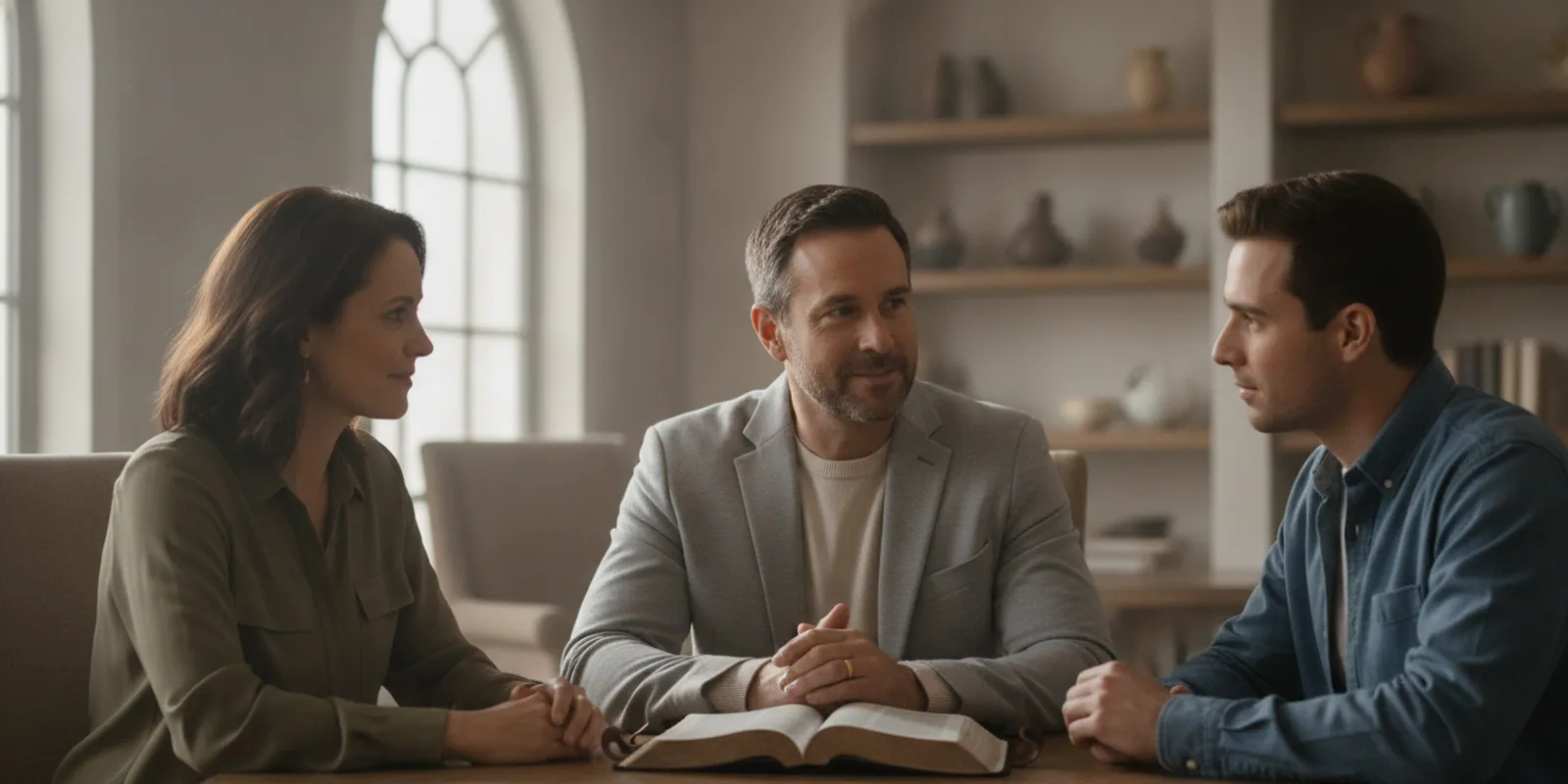


A friend or family member just asked you to officiate their wedding. It’s a huge honor, but after the initial excitement, a wave of questions probably hit you. Can I actually do this legally? What paperwork is involved? It’s a common starting point for many officiants. The great news is that becoming ordained online is a legitimate and straightforward path to performing a beautiful, legal ceremony. The key is understanding the specific online ordination legal requirements that apply to the wedding's location. This article is your complete guide to getting it right. We’ll cover the documents you’ll need, how to check local rules, and what to expect so you can confidently accept the honor and focus on creating a memorable day for the happy couple.
Key Takeaways
- Your Ordination is Legal, but Local Laws Rule the Day: While online ordination is legally recognized across the U.S., the specific rules for officiating a wedding are set at the state and county level. Always contact the county clerk’s office where the ceremony will take place to confirm their registration requirements.
- Keep Your Official Documents on Hand: To prove your standing as a minister, you will need physical credentials like an ordination certificate and a Letter of Good Standing. These documents are often required for government registration and are essential for legally completing the marriage license.
- A Great Ministry Offers More Than a Certificate: Look for an organization that provides comprehensive support, including practical officiant training, up-to-date legal resources, and a clear code of ethics. This ensures you have the skills and knowledge to perform a beautiful and legally sound ceremony.
Is Online Ordination Legal?
Let’s get straight to the point: yes, online ordination is legal and recognized throughout the United States. If you’re wondering whether a wedding you perform will be legitimate, you can feel confident that it will be. The legality of online ordination is rooted in the First Amendment of the U.S. Constitution, which protects religious freedom. This principle ensures that the government cannot dictate how a religious organization chooses to ordain its ministers.
Courts have consistently upheld that it's not the government's place to decide which religions are "acceptable" or how they should operate. This means that whether you are ordained in a traditional seminary or through an online ministry, your legal standing as a minister is the same.
While your ordination itself is legally sound nationwide, the specific requirements for officiating a wedding can vary. Each state, and sometimes even each county, has its own rules about who can solemnize a marriage. This is the most important detail to focus on. Before you officiate a ceremony, you’ll need to understand and follow the local regulations where the wedding will take place. This often involves a simple registration process, but it’s a step you can’t skip.
The Law Behind Online Ordination
The legal foundation for online ordination rests on the constitutional right to religious freedom. The government can't interfere with how a church or ministry ordains its leaders. This protection allows organizations like All Faith Ministry to offer ordination to anyone who feels called to serve. Once you become an ordained minister, that status is yours for life.
However, being ordained is just the first step. To legally perform a marriage, you must also comply with local laws. Many states simply require you to be an ordained minister, while others have an extra step. You might need to register with a government office, like the county clerk, before the wedding day. It’s essential to check the specific state laws to ensure you have everything in order.
Online Ordination: Myth vs. Fact
There are a few common myths about getting ordained online, so let's clear them up. The biggest misconception is that online ordination isn't as "real" or legitimate as an in-person one. The fact is, the law doesn't distinguish between the methods. The legality of your ordination is based on the standing of the ordaining organization, not the medium it uses. Your authority to officiate a wedding is just as valid.
Another point of confusion is cost. While you can apply for ordination through our ministry, some states require you to present official documents, like a Letter of Good Standing or a physical ordination certificate, to register. These credentials confirm your status as a minister in good standing and are often necessary to file with the local government. You can find these and other professional supplies in the AFM Store.
State-by-State Ordination Requirements
Wedding laws can feel a little intimidating because they change depending on where the ceremony takes place. One state’s rules might be completely different from its neighbor’s. But don’t let that scare you off. Understanding the requirements is usually a simple process of checking with the right local office.
The most important thing to remember is that the laws that matter are the ones for the county and state where the wedding will happen, not where you live. So, if you live in California but are officiating a friend’s wedding in Arizona, you’ll need to follow Arizona’s rules. We’ll walk through the different types of requirements you might encounter so you know exactly what to look for. Think of it as a simple checklist to make sure every marriage you perform is official. This section will help you understand the landscape, from states with very relaxed rules to those that require a bit more paperwork. Getting this part right is a huge part of your responsibility as an officiant, but it's totally manageable once you know what to expect. We're here to make sure you feel confident and prepared for the legal side of things, so you can focus on creating a beautiful ceremony.
States with Straightforward Rules
Let's start with the good news: most states make it very easy for ministers who get ordained online to officiate weddings. In these places, your ordination certificate is often all the proof you need to legally sign a marriage license. There’s no extra paperwork to file with the state or county government. You simply get ordained, and you’re ready to go.
Of course, it’s always a smart move to double-check the specific state laws before the big day, just to be certain. But for the most part, if the wedding is in a state with straightforward rules, the legal side of your job is incredibly simple.
States with Specific Registration Rules
Some states have one extra step for you to complete: registering with a government office. States like New York, Ohio, Hawaii, and Minnesota require ministers to file their credentials, often called a "Letter of Good Standing," with a local authority before they can legally perform a ceremony. This usually means visiting the county clerk’s office where the wedding will take place.
This process is typically just a formality to put you on record as a recognized officiant in that area. It’s not a test or a complicated approval process. Once you’re ordained with us, we provide the documents you’ll need to complete this step smoothly. Just be sure to handle it well before the wedding day to avoid any last-minute stress.
Officiating a Wedding Out of State
So, what happens when you’re asked to officiate a wedding in a different state? It’s a common scenario, and the rule is simple: you follow the laws of the location where the couple says, “I do.” Your home state’s rules don’t travel with you.
This might mean you need to register as an out-of-state officiant, which some states require. For example, Vermont and New Hampshire have specific registration processes for non-resident ministers. Before you agree to officiate, take a few minutes to look up the specific state laws for the wedding’s location. A quick phone call to the county clerk’s office is the best way to get clear, accurate information and ensure you’re fully prepared.
What Documents Do You Need to Officiate Legally?
Once you’re ordained, you’re almost ready to perform a wedding. But before you can officially pronounce a couple as married, you’ll need to get a few key documents in order. Think of it as your officiant toolkit. Having the right paperwork on hand ensures the ceremony you perform is not just beautiful and memorable, but also completely legal and recognized by the government. It’s a straightforward process, and handling it correctly is one of the most important responsibilities you have as an officiant. From your own credentials that prove your standing as a minister to the specific forms required by the local government, each piece of paper plays a vital role. You'll also be the one to handle the most important document of all: the marriage license. Getting these details right is what separates a heartfelt ceremony from a legally binding union. It might sound like a lot, but it's all manageable when you know what to expect. We'll cover your ordination certificate, state and county registration, and how to properly manage the marriage license so you can approach the wedding day with total confidence.
Your Ordination Certificate & Letter of Good Standing
Your ordination certificate is your primary proof of ministry. It’s the official document that shows you have the authority to solemnize a marriage. In some locations, the county clerk may ask to see this credential when the couple applies for their marriage license, or they might require you to present it when you register as an officiant. Along with your certificate, some jurisdictions may ask for a Letter of Good Standing. This letter simply verifies that you are an active minister with your ordaining organization. You can find both of these essential documents in the AFM Store to ensure you have everything you need to show your credentials with confidence.
State and County Registration Paperwork
Wedding laws can change from one state to the next, and sometimes even from one county to another. After you become ordained, it’s essential to check the local rules where the wedding will take place. Some states or counties require you to register with them before you can legally perform a ceremony. This might involve filling out a form and presenting your ordination credentials at the local county clerk’s office. To find out exactly what’s required, you can check our guide to state laws. Always call the specific county clerk’s office ahead of time to confirm their process. This simple step will prevent any surprises and ensure the marriage is legally sound.
How to Handle the Marriage License
The marriage license is the single most important legal document you’ll handle as an officiant. For a wedding to be legally binding, the ceremony must include the couple’s declaration of intent (the "I do's") and your official pronouncement of marriage. After the ceremony, your job is to complete the officiant’s section of the marriage license accurately. You’ll sign it along with the couple and any required witnesses. Then, you are responsible for returning the signed license to the county clerk’s office within the deadline specified by the state. Our wedding officiant training covers this process in detail so you can manage this final step flawlessly.
What Does Online Ordination Really Cost?
When you decide to become a wedding officiant, you’re probably wondering about the financial side of things. The good news is that getting ordained online is very accessible, but it's helpful to understand the full picture of potential costs. Think of it less as a single price tag and more as a series of small, manageable steps that get you from aspiring officiant to a confident, legally recognized minister. The total cost depends heavily on where you'll be performing the ceremony and how prepared you want to be for the big day. Some states have no extra requirements, while others ask for official registration, which comes with a small fee. Beyond the legal minimums, you can also choose to invest in training to help you craft and deliver a truly memorable ceremony. Understanding these different components will help you budget accordingly and move forward with confidence. Let’s break down the three main areas where you can expect to invest: the essential ordination credentials, any government filing fees, and optional training that helps you shine.
Ordination and Credential Fees
While the act of getting ordained online is straightforward, you will need official documents to prove your standing as a minister. Government officials don't just take your word for it; they need to see the paperwork. This is where credential fees come in. After you apply for ordination, you’ll need to order items like your Ordination Certificate and a Letter of Good Standing. These documents serve as legal proof of your status and are often required when you register with a local county clerk. Think of them as your official entry ticket to performing a legal marriage ceremony. You can typically find these essential items in an online ministry’s store.
Government Filing Fees
Once you have your ordination credentials in hand, your next step is to check in with the local government. Some states and counties require ordained ministers to register with them before they can legally officiate a wedding. This process often comes with a small filing fee, which you pay directly to the government office, not the ordaining ministry. The cost can vary quite a bit from one county to another, so it’s a crucial step to research. You can find a great starting point by looking into your specific state laws to see what’s required. This fee ensures you are officially recognized in that jurisdiction and that the marriage you perform is legally sound.
Optional Costs: Training & Supplies
Beyond the legal necessities, you might want to invest in yourself as an officiant. This is where optional costs like training and professional supplies come into play. While you can legally perform a ceremony with just your credentials and registration, quality wedding officiant training can make all the difference. It equips you with the skills to write a beautiful script, manage the ceremony flow, and handle any unexpected moments with grace. Other optional supplies, like a professional binder for your script or a ceremonial stole, can also add a touch of polish. These investments are about building your confidence and ensuring you can provide an unforgettable experience for the couple.
What to Look for in an Online Ministry
Once you decide to become an ordained minister online, the next step is choosing the right organization to get ordained through. While many options exist, they don’t all offer the same level of support or credibility. You’re not just looking for a piece of paper; you’re looking for a partner that will equip you to perform a beautiful, legal, and meaningful ceremony with confidence. A reputable online ministry will stand behind its ordination and provide the tools you need to succeed.
Think of it this way: your ordination is the foundation, but the training, resources, and community are what help you build a fulfilling practice, whether you officiate one wedding for a friend or a hundred for clients. The best organizations are transparent about their beliefs, invested in your growth, and committed to upholding the integrity of the role you’re about to step into. To make sure you’re setting yourself up for success, focus on three key areas: legal legitimacy, comprehensive training, and a supportive community. These elements separate a simple online form from a truly valuable ministry.
Legal Recognition and Legitimacy
First things first, let’s address the biggest question: are online ordinations actually legal? The answer is a resounding yes. In the United States, religious freedom is protected, which means the government doesn't dictate how a religious organization ordains its ministers. The method, whether online or in person, doesn't determine the legality of the ordination. What matters is that you are ordained by a legitimate religious organization.
That’s why it’s so important to choose an established ministry that is recognized and respected. A credible organization will provide you with official documentation and ensure that your ordination is valid for performing wedding ceremonies across the country. When you apply for ordination, you are joining a recognized ministry that stands behind its officiants, giving you and the couples you serve complete peace of mind.
Comprehensive Training and Resources
Your ordination certificate is your license to officiate, but it doesn’t automatically teach you how to create and lead a memorable ceremony. A great online ministry does more than just grant you the title of minister; it gives you the tools to be a great one. Look for an organization that offers robust wedding officiant training and practical resources.
This includes guidance on writing ceremony scripts, public speaking tips, and clear instructions on how to correctly handle the marriage license. Every state has slightly different rules, so access to up-to-date information on local laws is essential. An organization that invests in your education is one that truly cares about your success and the integrity of the ceremonies its ministers perform.
A Supportive Community and Code of Ethics
Officiating a wedding is a profound responsibility, and you shouldn’t have to do it alone. The best online ministries foster a sense of community and hold their members to a high standard of conduct. Look for an organization with a clear mission and a public code of ethics. This demonstrates a commitment to professionalism and ensures that all officiants are aligned in their dedication to serving couples with respect and integrity.
Being part of a larger network provides a support system you can turn to for advice and encouragement. It transforms your ordination from a simple credential into a meaningful affiliation with a community of like-minded individuals who share your passion for celebrating love.
Potential Hurdles and How to Clear Them
Becoming a wedding officiant is an incredibly rewarding path, but like any new venture, it can come with a few questions. You might wonder about local rules, how to respond if someone questions your credentials, or what to do to make sure the marriage is legally sound. Thinking about these things ahead of time is the best way to prepare. With a little knowledge and the right documents in hand, you can handle any situation with confidence and grace.
The key is to remember that your role is grounded in legal and ethical standards. Reputable organizations provide you with the necessary credentials and support to perform your duties correctly. By understanding the process from start to finish, you can focus on what truly matters: creating a beautiful and memorable ceremony for the couple. These potential hurdles aren't roadblocks; they're just small steps on your journey to becoming a trusted and prepared wedding officiant.
Dealing with Different County Rules
One of the first things you'll learn is that marriage laws can be surprisingly local. While your ordination is recognized nationally, the specific rules for officiants can change from state to state, and sometimes even from one county to the next. This is why it’s so important to do your homework before the big day. The best practice is to always check with the county clerk's office where the wedding will take place. A quick phone call or visit to their website can confirm their requirements and ensure the marriage will be legally recognized. You can also review our guide on state laws to get a head start.
What to Do if Someone Questions Your Ordination
While online ordination is legally valid in most places, some people may not be familiar with it. If a couple or a family member asks about your credentials, don't worry. This is a perfect opportunity to explain the process calmly and professionally. Have your ordination certificate and letter of good standing ready to show them. A good ministry will also provide you with comprehensive wedding officiant training that prepares you to answer these questions and perform ceremonies that are both meaningful and legally sound. Your confidence and preparedness will speak volumes about your professionalism.
Making Sure the Marriage is Official
Your duties don't end when the couple says, "I do." The final, crucial step is handling the marriage license correctly. After the ceremony, you, the couple, and any required witnesses must sign the license. It is then your responsibility to return it to the proper government office, usually the county clerk, within the state's specified deadline. Some states may also require you to have specific items, like an official seal or stamp. You can find these supplies and other helpful resources in the AFM Store to ensure you have everything you need to finalize the marriage legally.
Related Articles
- Marriage Officiant Requirements: A State-by-State Guide
- The Complete Process of How to Become a Wedding Officiant
- How to Become a Wedding Officiant | License, Steps & Career
- How to Become a Wedding Officiant: A Complete Guide
- Online Ordination for Weddings: Step-by-Step Legal Guide
Frequently Asked Questions
Is getting ordained online really legal for performing weddings? Yes, it absolutely is. The legality of online ordination is protected by the First Amendment, which prevents the government from dictating how a religious organization ordains its ministers. Your ordination is valid nationwide. The most important thing is to ensure you also follow the local rules for registering as an officiant where the wedding will take place.
Once I'm ordained, can I officiate a wedding anywhere in the U.S.? Your ordination is recognized everywhere, but your authority to perform a specific ceremony depends on local laws. You must follow the rules of the state and county where the wedding is held, not where you live. Some states require you to register with the local county clerk's office beforehand, so always check the requirements for the wedding's location well in advance.
What documents do I actually need to have on hand? At a minimum, you will want your official Ordination Certificate and a Letter of Good Standing from your ordaining ministry. These are the documents that prove your legal status as a minister. Depending on the state, you may need to present these to a government office to register before the ceremony. It's always a good idea to have them with you on the wedding day, just in case.
What are the total costs involved in becoming an officiant? The total cost has a few different parts. First, you will need to purchase your official credentials, like your ordination certificate. Second, some states or counties charge a small filing fee when you register with their office, which you pay directly to them. Finally, you might choose to invest in professional training or supplies to help you feel more prepared, but those costs are completely optional.
What should I do if a county clerk seems unsure about my online ordination? This is rare, but it can happen. The best approach is to be prepared, polite, and professional. Have your official documents, such as your Ordination Certificate and Letter of Good Standing, ready to present. You can calmly explain that online ordination is legally recognized and that you are a minister in good standing. A little confidence and having your paperwork in order usually resolves any confusion right away.