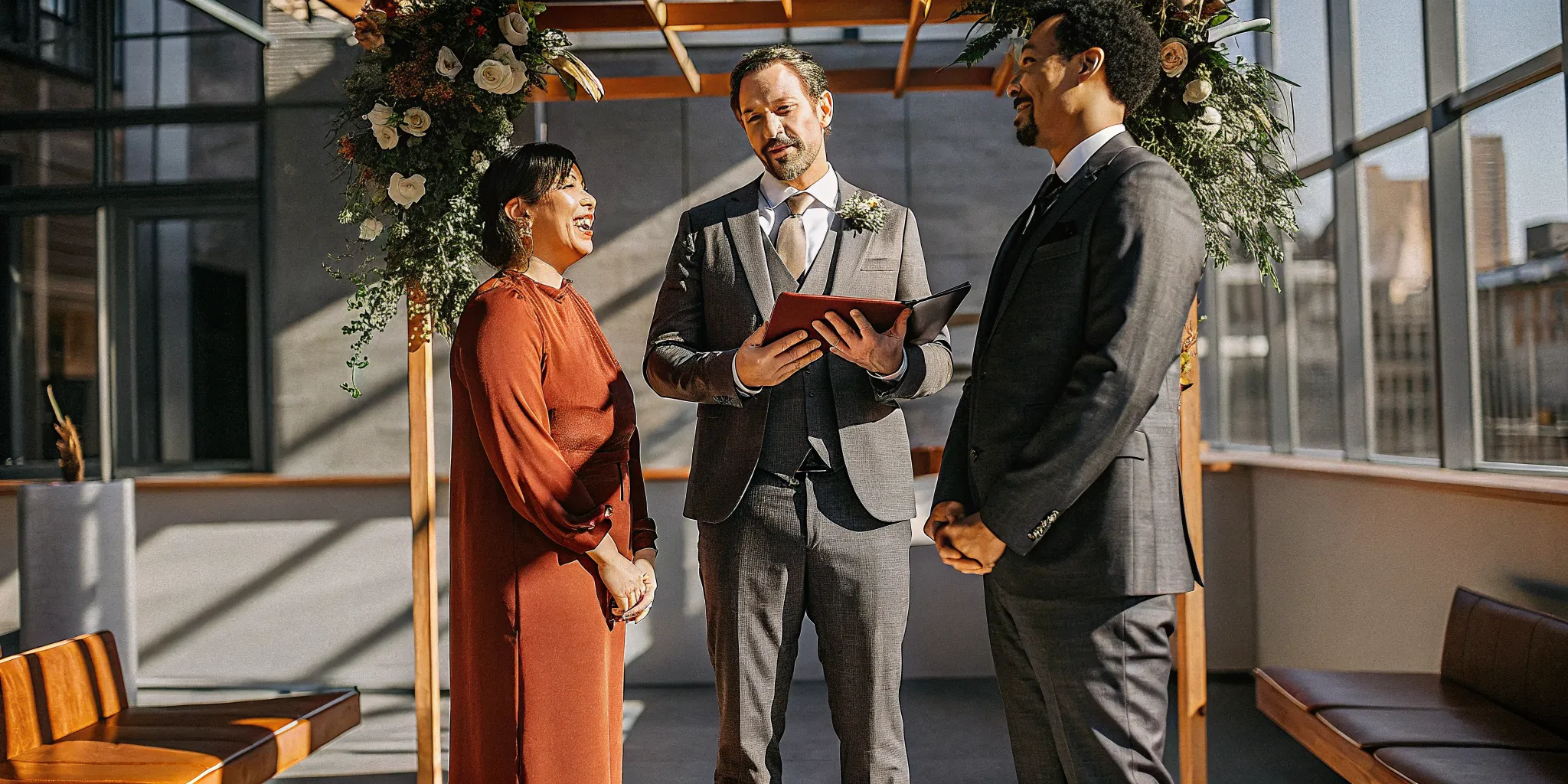


Standing in front of a crowd with all eyes on you is enough to make anyone’s palms sweat. When you’re officiating a wedding for the first time, that feeling can be amplified by a hundred. But what if the secret to managing first time officiant nerves isn’t about you at all? The most powerful shift you can make is to remember that this ceremony is not a performance. It’s an act of service. Your role is to be a calm, steady guide for two people making a profound commitment. When you focus entirely on the couple and their love story, your own self-consciousness begins to fade. This guide is about more than just deep breathing; it’s about reframing your perspective so you can lead with authenticity, warmth, and genuine confidence.
Key Takeaways
- Build your confidence with solid preparation: The most effective way to manage nerves is to be prepared. This means practicing your script out loud, arriving early to familiarize yourself with the venue, and having a plan for common hiccups.
- Focus on service, not performance: Shift your mindset from being a performer on stage to a guide serving the couple. Your main goal is to celebrate their love story, and this perspective removes the pressure to be perfect.
- Have a plan for in-the-moment jitters: When nerves hit during the ceremony, use simple grounding techniques to stay calm. Focus on your breathing or your physical surroundings to bring yourself back to the present moment.
What's Behind Those First-Time Jitters?
Standing in front of a crowd to unite two people in marriage is a huge honor, but it can also feel like a massive weight on your shoulders. If your palms are sweating just thinking about it, you’re not alone. Those first-time officiant nerves are completely normal. Understanding exactly where the anxiety comes from is the first step to managing it. Most of the time, these feelings boil down to a few common, and very human, worries.
The Fear of Public Speaking
Let’s be honest, public speaking is a top fear for many people. As the officiant, you’re not just giving a speech; you are the guide for one of the most important moments in a couple’s life. All eyes are on you, waiting for you to lead the way. This isn't just a performance, it's a profound responsibility, and that pressure can feel intense. Remember that nearly everyone in the room, from the couple to the guests giving toasts, feels a little nervous when speaking at a wedding. Your role is to be a calm, steady presence, and our Wedding Officiant Training is designed to give you the skills to feel confident and prepared for that moment.
The Pressure for a "Perfect" Moment
Couples dream of a perfect wedding day, and as their officiant, you might feel the pressure to deliver a flawless, movie-magic ceremony. It’s easy to get caught up in trying to make every word and every transition absolutely perfect. But here’s a secret: the most memorable ceremonies aren’t perfect, they’re real. A genuine smile, a heartfelt pause, or even a small, happy stumble can make the moment more authentic and relatable. Aim for connection, not perfection. The couple chose you for a reason, so trust that your genuine presence is more than enough to make their day special and meaningful.
Worrying About Forgetting Your Lines
The thought of your mind going completely blank mid-ceremony is enough to make anyone anxious. What if you forget the couple's names or mix up a key part of their story? This fear is why you should never try to wing it. A well-written script is your best friend. Having your entire ceremony printed out and placed in a professional folder, like those available in the AFM Store, isn't a crutch; it's a tool. It frees you from the stress of memorization and allows you to be fully present with the couple, knowing your words are right there when you need them.
Keeping Your Own Emotions in Check
If you’re officiating for friends or family, the ceremony can be just as emotional for you as it is for them. It’s a beautiful thing, but it can also be tricky to manage your feelings while leading the ceremony. The key is to shift your focus. Instead of dwelling on your own nerves or tearing up, concentrate entirely on the couple. Think about how you can best support them and celebrate their love. By turning your attention outward, you can channel your emotions into creating a warm and supportive atmosphere. Your role is to hold that sacred space for them, a commitment that begins when you apply for ordination.
How to Prepare for a Jitter-Free Ceremony
The secret to a calm and confident ceremony isn’t a magic trick, it’s preparation. When you feel fully prepared, you can stop worrying about what might go wrong and focus on what’s going right: the happy couple standing in front of you. Think of preparation as your anchor. It keeps you grounded, present, and able to handle anything the day throws your way. By taking care of the details ahead of time, you build a solid foundation of confidence that allows your authentic personality to shine through. This isn't about being rigid or memorizing every single word. It's about becoming so familiar with the ceremony that you can deliver it from the heart.
A well-prepared officiant is a reassuring presence, guiding the couple and their guests through one of life’s most important moments. The right wedding officiant training can give you the structure and knowledge you need, but putting that knowledge into practice is what truly builds your confidence. The steps below are designed to do just that. They are practical, actionable things you can do in the weeks and days before the wedding to set yourself up for success. Let’s walk through how to prepare for a jitter-free ceremony, so you can feel ready, relaxed, and excited to lead a beautiful celebration.
Practice Your Ceremony Script Until It's Second Nature
Once your script is written, don’t just read it silently. Read it out loud, over and over again. Practice in front of a mirror, record yourself on your phone, or ask a trusted friend to be your audience. The goal isn’t to memorize it word-for-word, but to get so comfortable with the flow and language that it feels like your own. This is how you find your natural rhythm and identify any tongue-twisting phrases that need a rewrite. When you’re not worried about what comes next, you can lift your head, make eye contact, and truly connect with the couple and their guests.
Arrive Early to Get Familiar with the Venue
Showing up early is one of the easiest ways to calm your nerves. Give yourself at least an hour before you need to be in place. This gives you time to walk the space, figure out where you’ll be standing, and test the microphone. Introduce yourself to the wedding planner, photographer, and DJ. These small connections help you feel like part of the team instead of a stranger. Getting comfortable with your surroundings before the guests arrive transforms the venue from an intimidating stage into a familiar, friendly space. This simple step helps you feel grounded and in control long before the ceremony begins.
Create Backup Plans for Common Hiccups
While you can’t plan for everything, you can prepare for the most common issues. What will you do if the microphone cuts out? (Hint: Have your "ceremony voice" ready.) What’s the plan if it suddenly starts to rain at an outdoor wedding? Talk through these possibilities with the couple or wedding planner beforehand. Create a checklist for yourself that includes essentials like the printed script, a pen for the license, and tissues. It’s also wise to double-check that all legal documents are in order according to your specific state laws. Knowing you have a plan B lets you handle any small surprises with grace.
Print Your Script (Don't Rely on Your Phone)
Reading your script from a phone might seem convenient, but it can look distracting in photos and opens the door to technical difficulties like a dead battery, incoming notifications, or screen glare. Instead, print your entire ceremony script in a large, easy-to-read font. Place the pages in a discreet, professional-looking folder or binder. This looks polished and ensures you won’t have any tech-related panics at the altar. You can find beautiful and practical ceremony accessories in our AFM Store that will help you look and feel the part. A printed script is a reliable tool that keeps you focused and present.
Finalize All Details Weeks in Advance
Last-minute scrambling is a recipe for anxiety. Aim to have the ceremony script completely finalized at least a month before the wedding. This gives you plenty of time to practice and make minor tweaks. Confirm the final timeline, processional order, and any special readings with the couple well in advance. The week of the wedding should be for a final run-through and getting yourself into a calm, celebratory headspace, not for frantic writing and planning. Getting everything locked in early shows respect for the couple’s planning process and gives you the peace of mind you need to do your best work.
Use Breathing and Visualization Exercises
When nerves kick in, your body often follows with a racing heart or shallow breathing. You can manage these physical symptoms with simple mindfulness techniques. Try the "4-7-8 breathing" method: inhale for four counts, hold your breath for seven, and exhale slowly for eight. Repeat this a few times to calm your nervous system. You can also practice visualization. In the days leading up to the ceremony, close your eyes and picture everything going perfectly. Imagine the couple smiling, hear the guests laughing, and feel the joy in the air. This mental rehearsal helps your brain associate the event with positive emotions, not fear.
Rehearsal Strategies to Build Your Confidence
Practice is your best friend when it comes to calming nerves. The more familiar you are with your script and the flow of the ceremony, the more confident you’ll feel standing in front of everyone. Rehearsing isn’t just about memorizing words; it’s about building muscle memory for your delivery, timing, and presence. It helps you work out any awkward phrasing, smooth out transitions, and get comfortable with the emotional weight of the ceremony. By the time the wedding day arrives, you won’t be performing something new and scary. Instead, you’ll be leading a ceremony that you know inside and out, allowing you to focus on the couple and the beautiful moment you’re creating for them.
Do a Practice Run with Friends or Family
Before you stand in front of the wedding guests, stand in front of a friendly audience. Gather a few trusted friends or family members and perform the ceremony for them from start to finish. This low-pressure environment is the perfect place to get comfortable speaking the words aloud and finding your rhythm. Ask for their honest feedback. Did you speak too quickly? Were there any parts that felt clunky or confusing? Your loved ones can offer valuable insights and, more importantly, give you a dose of encouragement. This simple step can make a huge difference in building the confidence you need to shine on the big day. Our wedding officiant training also provides a great foundation for building these essential skills.
Record Yourself to See Where You Can Improve
It might feel a little strange at first, but recording yourself is one of the most effective ways to refine your delivery. Use your phone to take a video or even just an audio recording of you reading through the ceremony script. When you play it back, listen for your pacing, tone, and any filler words like "um" or "ah" that you might be using. If you took a video, pay attention to your posture and body language. Are you standing confidently? Are you making eye contact with your imaginary audience? This exercise gives you an objective look at how you come across, helping you make small adjustments that have a big impact on your overall presence and professionalism.
Rehearse with the Couple and Wedding Party
The official wedding rehearsal is your final, full-scale practice session. This is your opportunity to walk through every step of the ceremony with the people who will be standing up there with you. You can finalize where everyone will stand, who will hold the rings, and the exact cues for music or readings. Use this time to confirm the pronunciation of everyone's names in the wedding party. It’s also a great moment to gently remind the couple about any last-minute legal details, like signing the marriage license, which is governed by specific state laws. Leading a smooth, organized rehearsal shows the couple they’re in capable hands and gives you a final boost of confidence.
Run Through "What If" Scenarios
Weddings are live events, and sometimes, the unexpected happens. Instead of letting that possibility create anxiety, prepare for it. Take a few minutes to think through common "what if" scenarios. What if the microphone cuts out? What if a ring gets dropped? What if it suddenly starts pouring rain during an outdoor ceremony? Mentally walk through how you would handle each situation calmly and professionally. Having a simple plan in your back pocket for these potential hiccups means you won't be caught off guard. You’ll be able to handle any little bumps with grace, keeping the focus right where it belongs: on the happy couple.
Time Your Script and Practice Transitions
A well-paced ceremony feels intentional and engaging. The only way to know your timing is to practice it out loud. Read your entire script at a natural, conversational speed and use a timer to see how long it takes. You might be surprised that a script that looks short on paper takes 15-20 minutes to deliver. This is also the time to perfect your transitions. How will you move smoothly from your opening words to a reading, or from the vows to the ring exchange? Practicing these moments ensures the ceremony flows seamlessly from one part to the next. Using a professional binder, like those available in the AFM Store, can also help you stay organized and on track.
How to Manage Nerves During the Ceremony
The moment has arrived. You’re standing at the front, the couple is beaming, and all eyes are on you. It’s completely normal for your heart to start racing. But you’ve prepared for this, and you have the tools to stay centered and confident. Managing nerves in the moment isn’t about eliminating them entirely; it’s about channeling that energy into a warm and heartfelt delivery. The key is to have a few simple, go-to techniques that can ground you when you feel the jitters creeping in. From simple breathing exercises to small mindset shifts, these strategies will help you stay present and focused on what truly matters: celebrating the couple’s love story. You’ve got this.
Use the 4-7-8 Breathing Technique to Stay Calm
When you feel your pulse quicken, your breath is your best friend. The 4-7-8 breathing technique is a simple but powerful way to signal to your nervous system that it’s time to relax. Just before you begin the ceremony, take a quiet moment for yourself. Breathe in through your nose for a count of four, hold that breath for a count of seven, and then exhale slowly through your mouth for a count of eight. Repeat this cycle three or four times. This rhythmic breathing slows your heart rate and brings a sense of calm, allowing you to start the ceremony with a clear head and a steady voice. It’s a discreet tool you can use anytime you need to recenter.
Stay Present with Grounding Techniques
Anxiety often pulls our minds into the future, worrying about what might go wrong. Grounding techniques bring you back to the present moment. Instead of letting your thoughts race, focus on your physical senses. Feel the weight of the ceremony script in your hands. Notice the color of the flowers in the bouquet. Listen to the gentle music playing in the background. Acknowledge the feel of your feet planted firmly on the ground. By tuning into these small, tangible details, you anchor yourself in the here and now. This simple act of mindfulness stops the cycle of "what if" and allows you to be fully present for the beautiful moment unfolding right in front of you.
Shift the Focus from Yourself to the Couple
One of the most effective ways to quiet your nerves is to remember why you’re there. This ceremony isn’t a performance; it’s an act of service for two people you care about. Instead of worrying about how you sound or what people are thinking of you, shift your entire focus to the couple. Look at them. Think about their journey and the love that brought them to this day. Your role is to guide them through this milestone and share their story. When you make it about them, your self-consciousness fades into the background. This perspective aligns with the core principles in our Code of Ethics, which emphasizes the officiant's commitment to the couple above all else.
Connect with Guests Through Eye Contact
Facing a crowd can feel intimidating, but you can make it feel more like an intimate gathering by connecting with the guests. Don't just stare at your script or fix your gaze on a point at the back of the room. As you speak, make gentle eye contact with different people. Find a few friendly, smiling faces in the audience and speak to them directly for a moment. This simple gesture transforms your role from a speaker on a stage to a guide sharing a special moment with a community of loved ones. It makes the experience more personal for everyone, including you, and helps you feel supported and connected to the room’s positive energy.
Embrace Imperfection and Be Authentic
Let go of the pressure to be perfect. The couple chose you because of who you are, not because they expect a flawless, robotic delivery. Your authenticity is your greatest asset. If you stumble over a word or your voice cracks with emotion, it’s okay. It just shows you’re human and that you care. Simply take a breath, smile, and continue. The guests will connect more with your genuine warmth than with a perfectly recited script. True confidence comes from being well-prepared, which is why our wedding officiant training focuses on building the skills you need to feel comfortable being yourself. Remember, a heartfelt ceremony is always better than a flawless one.
Where to Focus Your Attention
When nerves start to creep in, one of the best things you can do is shift your focus away from yourself. Instead of worrying about how you sound or what people are thinking, turn your attention to the reason everyone is gathered together. By concentrating on the couple, the guests, and your role as a guide, you can ground yourself in the moment and let your genuine care shine through. This simple mental shift can transform nervous energy into heartfelt presence, making the ceremony more meaningful for everyone involved, including you.
On the Couple and Their Love Story
Your primary focus should always be the couple. You’re there to celebrate their unique journey and commitment. As a friend or chosen officiant, the greatest gift you can give them is a ceremony that feels personal and true to who they are. Spend time learning their story, what they love about each other, and their hopes for the future. When you stand up there, think of yourself as a storyteller sharing this beautiful narrative. Focusing on their love story takes the pressure off you to be a perfect speaker and allows you to be a genuine conduit for their joy. Our wedding officiant training can help you learn how to draw out these stories and weave them into a beautiful ceremony.
On the Guests as Part of the Celebration
Remember that you’re not just speaking to the couple; you’re guiding their loved ones through a significant moment. The guests are there to support and celebrate, and they’re looking to you for cues. Simple actions, like warmly welcoming everyone or gently reminding them, “You may be seated,” after the processional, make them feel included and comfortable. When you see your role as that of a gracious host, it helps you connect with the audience. You’re all part of a temporary community formed to witness this special union. This perspective helps you feel less isolated at the front and more connected to the room’s collective, positive energy.
On Your Role as a Guide, Not a Performer
It’s easy to feel like you’re on stage, but try to reframe your role. You are a guide, not a performer. Your job is to facilitate a beautiful and seamless experience for the couple. Instead of thinking about your own nerves, concentrate on how you can best support them. Are they looking nervous? Offer a reassuring smile. Did one of them stumble over a word? Give them a moment to breathe. This shift from performance to service is powerful. It reminds you that the day isn’t about you; it’s about them. When you apply for ordination, you’re stepping into a role of service, and that’s a beautiful thing to focus on.
On a Personal Story to Create Connection
A great way to start the ceremony and immediately put everyone at ease is to share a short, personal story about the couple. This could be how you know them, a funny anecdote, or a sweet memory that highlights their bond. This personal touch does a few things at once: it introduces you, welcomes the guests into the couple’s world, and sets a warm, intimate tone for the rest of the ceremony. It shows that you’re not just reading a script; you’re personally invested. This act of sharing creates an instant connection with everyone present and helps your nerves settle as you begin with something familiar and heartfelt.
Mindset Shifts for First-Time Officiants
So much of managing nerves comes down to your perspective. The jitters you feel are completely normal, but they don’t have to control your experience. By shifting how you think about your role and the ceremony itself, you can turn that nervous energy into a calm, confident presence. It’s not about eliminating the butterflies, but getting them to fly in formation. These mental adjustments are some of the most powerful tools you have. They cost nothing, require no special equipment, and can be practiced anywhere. Let’s walk through a few key mindset shifts that will help you step into your role with grace and focus.
Choose Authenticity Over Perfection
The couple didn’t ask you to officiate because they wanted a flawless, robotic performance. They chose you for you. Your unique personality, your connection to them, and your genuine emotions are what will make their ceremony special. So, let go of the pressure to be perfect. If you stumble over a word or your voice cracks with emotion, it’s okay. Just take a breath and keep going. Those small, human moments are often the most memorable and endearing. Your authenticity is your greatest asset, so focus on speaking from the heart. This approach aligns with a core principle in our Code of Ethics: serving the couple with sincerity and integrity.
Reframe Nerves as Excitement
That feeling of your heart racing and butterflies in your stomach? It’s the same physical response your body has for both anxiety and excitement. The only difference is how you interpret it. Instead of telling yourself, "I'm so nervous," try saying, "I'm so excited to celebrate this amazing couple." This simple change in language can transform your entire emotional state. Channel that energy into enthusiasm for the couple's big moment. By shifting your focus from your own potential mistakes to the joy of the occasion, you put the attention back where it belongs: on them. This is a technique we emphasize in our wedding officiant training because it’s so effective.
Remember It's About Service, Not Performance
This is a game-changer. You are not on stage to perform for an audience; you are there to serve the couple by guiding them through a sacred commitment. The spotlight is on their love story, not on you. Your role is to create a warm, supportive, and celebratory atmosphere. The guests will remember the feeling of love in the room far more than they’ll remember the exact words you said. When you see your role as an act of service, the pressure to be a perfect orator melts away. Your calm, happy energy is contagious and will help everyone else feel relaxed and present.
Know That Everyone Is Rooting for You
Take a look out at the guests before the ceremony begins. Every single person in that room is on your side. They are there to witness a happy event and are filled with love and support for the couple. Nobody is waiting for you to mess up. In fact, they want you to succeed because your success contributes to the beauty of the day. The couple, their parents, and their friends are all your allies. Remember that public speaking is a common fear, and many of them are probably thinking, "I'm glad it's them up there and not me!" So take a deep breath and trust that you have a friendly audience.
Prep Your Mind and Body on the Wedding Day
On the day of the wedding, take a few quiet moments for yourself. Don’t get swept up in the chaos. Find a peaceful spot to center yourself before the ceremony begins. Practice a simple breathing exercise, like the 4-7-8 method: breathe in for four counts, hold for seven, and exhale slowly for eight. Repeat this a few times to calm your nervous system. Make sure you’re hydrated and have had a light snack. Feeling physically prepared with a professional stole or a polished ceremony binder from our AFM Store can also give you an extra dose of confidence as you get ready to lead the ceremony.
Related Articles
- Wedding Outline for Officiant: The Complete Guide
- 8 Steps to Become a Professional Wedding Officiant
- How to Handle Nerves & Officiate With Confidence
Frequently Asked Questions
Is it really okay to read my script during the ceremony? I don't want to look unprofessional. Yes, it is more than okay; it's smart. A polished, professional folder with your printed script shows you are prepared, not that you are reliant. The key is to practice reading it aloud so many times that it feels like second nature. This allows you to look up, make eye contact, and connect with the couple and their guests, using the script as your guide rather than a crutch. It frees you from the stress of memorization so you can focus on your delivery.
What's the best way to handle my emotions if I'm officiating for a close friend or family member? Feeling emotional is a sign of how much you care, and that's a beautiful thing. The trick is to channel that emotion. Before the ceremony, give yourself a private moment to acknowledge your feelings. When you're up front, shift your focus entirely from your own emotions to the couple's experience. Concentrate on your role as their calm and steady guide. If you feel your voice start to waver, simply pause, take a slow breath, and smile at them. A brief, heartfelt pause is often more powerful than rushing through the words.
How long should the ceremony actually be? I'm worried about it being too short or too long. A great target for a wedding ceremony is between 15 and 25 minutes. This length feels substantial and meaningful without causing guests to lose focus. The only way to know for sure is to time yourself reading the script aloud at a natural, conversational pace. Don't forget to account for other elements like the processional, any special readings by others, and the recessional, which will add to the total time.
What if the couple decides to skip the wedding rehearsal? If there's no formal rehearsal, you can create a mini-rehearsal on the wedding day. Plan to arrive at the venue a little earlier than you normally would and find a quiet moment to connect with the couple and anyone else with a role in the ceremony. You can quickly confirm where everyone will stand, who has the rings, and review any important cues. A calm, five-minute chat can resolve any last-minute questions and helps everyone feel confident and prepared.
Besides practicing, what's one simple thing I can do right before the ceremony starts to calm down? Find a quiet corner just before you need to be in place. Stand with your feet planted firmly on the ground and take three slow, intentional breaths. Focus on the physical sensation of the air entering and leaving your body. This simple grounding technique takes less than a minute, but it can effectively slow a racing heart and quiet a busy mind. It helps you walk into the ceremony feeling centered and present.