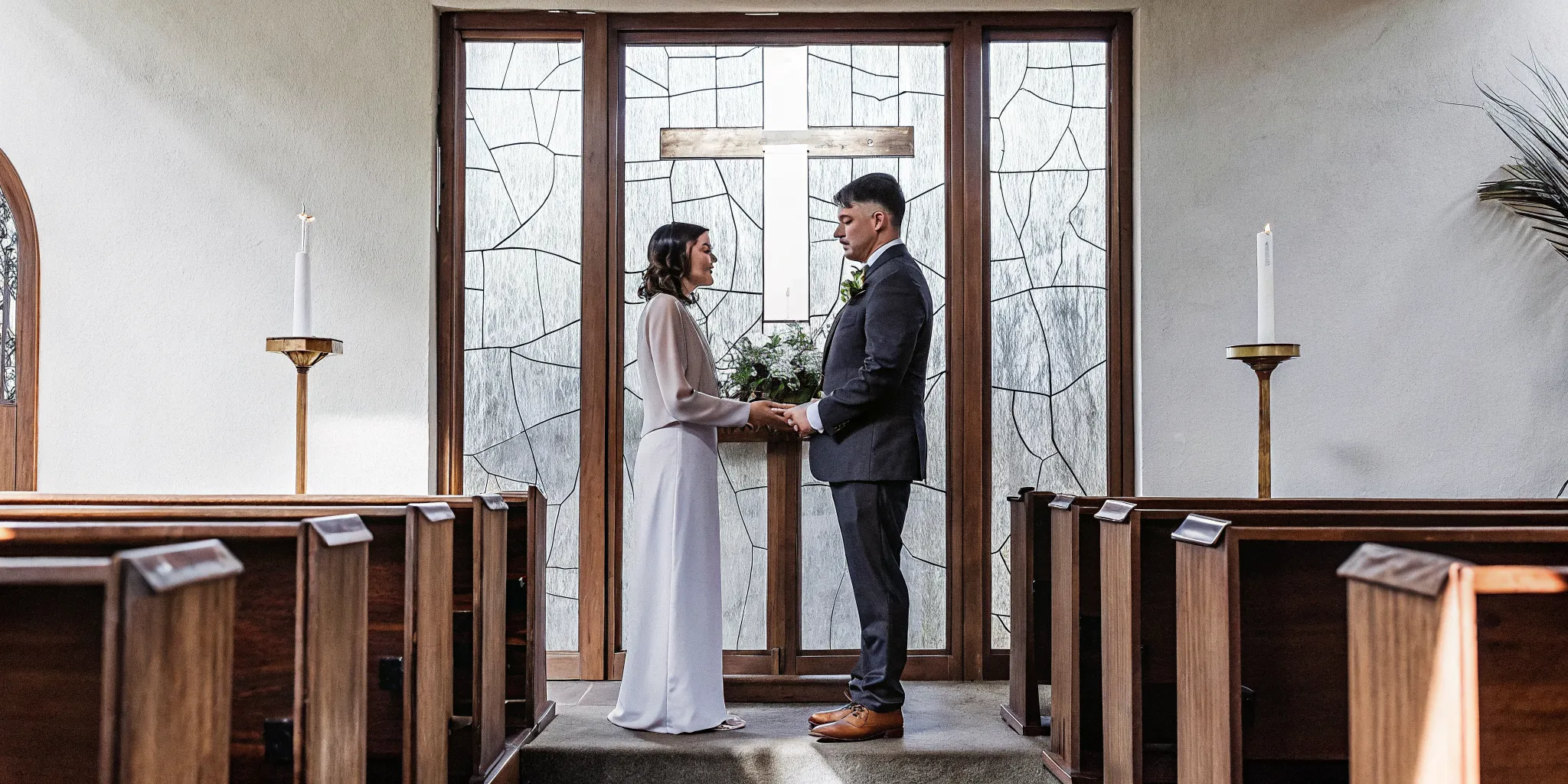

When your friends, one Catholic and one Baptist, ask you to officiate their wedding, the initial joy can quickly be followed by a wave of questions. It’s a tremendous honor, but it’s also a significant responsibility. How do you create a service that feels authentic to them both while respecting two very different Christian traditions? Your role is to be their calm, informed guide. This article is designed to be your roadmap, giving you the confidence to lead them through this process. We will walk you through the key steps to creating a beautiful catholic and baptist wedding ceremony, from understanding church requirements to blending rituals in a way that celebrates their unique love story. This is your chance to provide a truly meaningful start to their marriage.
Key Takeaways
- Understand the Core Requirements: Know the fundamental differences between Catholic and Baptist traditions, particularly the Catholic view of marriage as a sacrament. This allows you to explain concepts like dispensations and help the couple understand the steps they need to take with the Church.
- Guide Communication Proactively: Your role is to help the couple work through sensitive topics with each other and their families. Encourage them to define their priorities and have honest conversations early, which helps them present a united front and reduces planning stress.
- Craft an Inclusive Ceremony: Focus on building a service that celebrates the couple's shared Christian values. You can do this by blending inclusive scriptures and music, adding a symbolic unity ritual, and respectfully omitting sacraments like communion to make sure all guests feel comfortable and included.
Catholic vs. Baptist Weddings: What Officiants Should Know
When a Catholic and a Baptist decide to marry, they’re blending more than just their families; they’re joining two distinct Christian traditions. As their officiant, your role is to help them create a ceremony that feels authentic and respectful to both sides. Understanding the core beliefs and practices of each faith is the first step. It’s not about picking one over the other, but about finding the beautiful harmony between them. This knowledge will empower you to guide your couple with confidence and compassion, turning potential points of conflict into moments of unity.
Key Catholic Traditions
In the Catholic Church, marriage is a sacrament, a sacred and unbreakable covenant witnessed by God and the community. This is a key point to remember. A Catholic wedding ceremony is deeply rooted in liturgy and tradition. It must be officiated by a Catholic priest or deacon to be considered valid by the Church, though another minister can certainly be present and participate. The ceremony often takes place during a full Mass, which includes scripture readings, a homily, and the Eucharist. Respecting these traditions is paramount, and as an officiant, familiarizing yourself with the structure shows your commitment to honoring the couple's faith, a core principle of our Code of Ethics.
Key Baptist Traditions
Baptist weddings, on the other hand, offer more flexibility. While deeply spiritual, the ceremony is not considered a sacrament in the same way. Instead, it’s seen as a beautiful act of worship and a public declaration of the couple's commitment to each other before God. Baptists hold to the "priesthood of all believers," meaning there isn't a formal hierarchy of priests. This belief often translates into a ceremony that is more personal and less liturgical. The focus is on the couple's vows, the minister's message to them, and the support of their friends and family. This flexibility allows for more personalization, a skill you can refine through our wedding officiant training.
How These Differences Impact the Ceremony
The differences between these two traditions can create challenges for couples. Many find themselves struggling to plan a ceremony that satisfies both families and, more importantly, both partners. A primary hurdle is the Catholic Church's requirement for a marriage to be sacramental. For a Catholic to marry a Baptist, they must receive a formal "dispensation," or permission, from their local bishop. As their officiant, you can help them understand and manage these logistical and religious requirements, which can vary by diocese. Helping a couple work through these discussions is a significant part of your role. It’s a chance for them to practice compromise and communication, setting a strong foundation for their life together.
Guiding Couples Through Mixed-Faith Marriage Requirements
When you officiate a wedding for a Catholic and Baptist couple, your role often extends beyond the ceremony itself. You become a guide, helping them understand the unique requirements they may face, particularly from the Catholic Church. Being prepared with this knowledge allows you to support them with confidence and compassion as they blend their lives and faiths. Your awareness of these steps helps the couple feel seen and understood during a process that can sometimes feel complicated.
Explaining Dispensation
One of the first hurdles a mixed-faith couple may encounter is the need for a "dispensation." In simple terms, this is a special permission granted by a Catholic bishop. This permission is necessary for the Catholic Church to officially recognize the marriage as valid when one partner is not Catholic. A dispensation can allow the marriage to happen outside of a Catholic church and even permit a non-denominational minister, like you, to officiate. While you won't be handling the paperwork, understanding this process helps you guide the couple. It’s a key part of understanding the various state and religious requirements that can impact a ceremony.
The Promise to Raise Children Catholic
A dispensation often comes with a significant condition: the Catholic partner must promise to do their best to baptize and raise any children in the Catholic faith. It’s crucial to understand that the Baptist partner is not required to make this promise. Their role is simply to be aware of the commitment their Catholic partner is making. As their officiant, you can gently encourage them to have an open and honest conversation about this. Discussing the spiritual upbringing of future children is a foundational talk for any couple, and your role is to create a supportive space for it, always upholding a professional code of ethics.
Clearing Up Common Misconceptions
Beyond the formal requirements, mixed-faith couples often need to discuss deeply held beliefs to prevent future misunderstandings. You can help by encouraging them to talk about topics that might not come up otherwise. These can include differing views on infant baptism, spiritual leadership in the home, or even how they’ll handle attending church together after the wedding. These conversations are about building a strong foundation for their marriage, not just planning a single day. Learning how to facilitate these moments is a skill that great wedding officiant training can help you develop, making you a more effective and compassionate guide for your couples.
Where Can a Catholic and Baptist Couple Get Married?
One of the first and biggest decisions a Catholic and Baptist couple will make is where to hold their wedding ceremony. This choice often feels loaded because it can signal which faith’s traditions are taking precedence. As their officiant, you can help them move past the pressure by clearly laying out their options. The location often determines who can officiate and what the ceremony will look like, so it’s a foundational piece of the planning puzzle.
Your role is to provide a calm, informed perspective. You can walk them through the three main paths: a Catholic church, a Baptist church, or a neutral venue. Each has its own requirements and offers a different experience. By understanding the nuances, you can empower the couple to choose a setting that feels authentic to them and honors their commitment. Before they finalize a venue, it's also wise to ensure their choice complies with local marriage laws, which can vary by state. Helping them see this not as a conflict but as their first big decision as a team sets a positive tone for the entire process.
In a Catholic Church
For many couples, getting married in a Catholic church is the most direct route, especially if having the marriage sacramentally recognized by the Catholic Church is a priority. In this scenario, the ceremony must be led by a Catholic priest or deacon. The good news is that a Baptist minister is often welcome to be present and even participate by offering a prayer or a reading.
This option doesn't require the Baptist partner to convert, but it does come with specific preparations through the Catholic Church. The couple will need to complete pre-Cana counseling, and the Catholic partner will affirm their intent to continue practicing their faith. This path ensures the wedding is valid in the eyes of the Catholic Church from the start, which can provide peace of mind for the Catholic partner and their family.
In a Baptist Church
If the couple feels more at home in the Baptist tradition, holding the ceremony in a Baptist church is also a possibility. However, for the Catholic Church to recognize the marriage as valid, the Catholic partner must receive special permission, known as a dispensation, from their local bishop. This isn't an automatic approval, but it is a common request in mixed-faith marriages.
Getting this dispensation allows the ceremony to be officiated by a Baptist minister while still being acknowledged by the Catholic Church. This path centers the Baptist faith traditions and can make the Baptist partner and their family feel more included. As an officiant, you can guide the couple on how to approach their local diocese to start this conversation. Our wedding officiant training covers how to handle these kinds of sensitive, practical details with confidence.
Suggesting a Neutral Venue
Sometimes, the best solution is to step away from both churches and choose a neutral location. A beautiful garden, a historic courthouse, or a cozy event space can provide a perfect middle ground that prevents either family from feeling like they "lost." This option gives the couple the ultimate freedom to create a ceremony that is uniquely theirs.
As a non-denominational officiant, this is where you can truly shine. You can help the couple weave together elements from both faiths, selecting prayers, readings, and rituals that resonate with them. A neutral venue removes the constraints of a specific religious institution, allowing the focus to be entirely on the couple's love and shared values. If you feel called to lead these beautifully personalized ceremonies, you can apply for ordination and start helping couples build a wedding day that reflects their story.
How to Create a Unified Catholic-Baptist Ceremony
As an officiant, your role is to help the couple build a ceremony that feels like a true reflection of them, both as individuals and as a new, unified family. When blending Catholic and Baptist traditions, this means finding the beautiful intersection of their beliefs. Your guidance can transform potentially tricky conversations into opportunities for the couple to strengthen their bond. Focus on creating a ceremony that celebrates their shared Christian faith while respectfully acknowledging their unique backgrounds. This is your chance to show them that their differences don't have to be a barrier, but can instead be a foundation for a rich and deeply considered partnership. By helping them thoughtfully select each element, from readings to rituals, you empower them to create a day that feels authentic, inclusive, and joyful for everyone present. Here’s how you can guide them through it.
Selecting Scripture and Prayers
When it comes to readings, encourage the couple to look for common ground. Many passages in the Bible speak to universal themes of love, commitment, and partnership that resonate deeply within both traditions. Suggest they explore verses from 1 Corinthians 13, the Song of Solomon, or Colossians 3:12-17. You can help by providing a curated list of scriptures that are beautiful and neutral. The goal is to find words that feel authentic to both partners. Encourage them to read the passages aloud to each other. This simple act can help them connect with the text and decide together what best represents their love story. By focusing on shared Christian values, you can help them select readings that honor their faith without highlighting doctrinal differences.
Incorporating a Unity Ceremony
A unity ceremony is a fantastic way to visually represent the joining of two lives and two families. Since these rituals are symbolic rather than sacramental, they often fit seamlessly into a mixed-faith ceremony. You can suggest several beautiful options to the couple, like a unity candle ceremony, where each partner’s mother lights a taper that the couple then uses to light a central pillar candle. Another popular choice is a sand ceremony, where the couple pours different colored sands into a single vessel, creating a new, inseparable pattern. This provides a tangible keepsake from their wedding day. As their officiant, you can present these as opportunities to create a deeply personal moment that celebrates their union in a way that all guests can appreciate and understand.
Choosing Music and Hymns
Music is a powerful way to set the tone and honor both families’ traditions. Advise your couple to think about balance. They could choose a classic Catholic hymn like "Ave Maria" for a quiet moment of reflection and a joyful Baptist gospel song for the recessional. The key is to have an open conversation about what songs are meaningful to them and their families. Encourage them to listen to potential selections together. If they need inspiration, you can point them toward hymns that are beloved across many Christian denominations, such as "Amazing Grace" or "How Great Thou Art." Your role is to facilitate a discussion that leads to a soundtrack for their day that feels inclusive and celebratory for everyone involved.
Writing Vows That Honor Both Faiths
Vows are the heart of the ceremony, and they need to feel right for both partners. When a couple is blending faiths, you can guide them to write vows that focus on their shared promises and commitments. Help them use language that centers on their Christian faith as a whole, rather than specific Catholic or Baptist doctrines. You might suggest a structure where they each share personal promises and then recite a common vow you’ve helped them craft. This allows for both individuality and unity. Our wedding officiant training covers these exact scenarios, giving you the tools to empower couples to create vows that are a true expression of their commitment to one another, fully respecting the paths that brought them together.
Addressing Communion and the Lord's Supper
This is often the most sensitive topic, and it requires a clear and compassionate approach. You need to explain to the couple that the Catholic understanding of the Eucharist is very different from the Baptist Lord's Supper. For Catholics, receiving Communion is a sign of full unity with the Church, and it’s reserved for Catholics in a state of grace. In contrast, many Baptist churches practice open communion for all baptized believers. Because of these significant differences, the most inclusive and respectful solution is often to omit this sacrament from the wedding ceremony itself. This approach aligns with our code of ethics by ensuring no guest feels excluded or uncomfortable. You can suggest that the couple honor this part of their faith privately with their respective church communities before or after the wedding day.
Working with Clergy in a Mixed-Faith Wedding
One of the most rewarding parts of officiating a mixed-faith wedding is helping two families come together. Sometimes, this means you won't be the only one leading the ceremony. Working alongside other clergy, like a priest or another minister, requires clear communication and a shared goal: creating a beautiful day for the couple. Understanding everyone's role from the start is key to a smooth and meaningful ceremony that respects all traditions involved. Whether you are co-officiating or leading the service on your own, your ability to guide the process with grace and understanding is what makes you an invaluable part of the couple’s wedding day.
This collaboration is a delicate dance, but it’s one you can lead with confidence. It’s about finding common ground, respecting boundaries, and keeping the couple’s love story at the center of everything. By preparing for these conversations and knowing your role, you can help ensure the ceremony is a beautiful reflection of the couple's united future. Our wedding officiant training can give you the tools to handle these situations with professionalism and care.
Co-Officiating with a Priest and Minister
It’s entirely possible for a priest and a minister to share the stage, but it requires careful planning. The Catholic Church has specific guidelines for interfaith marriages, and often a Catholic priest or deacon must be the one to witness the vows for the marriage to be recognized by the Church. However, another minister can absolutely be present and participate by offering prayers, readings, or a blessing. The key is for the couple to speak with both their priest and minister well in advance. As the officiant, you can encourage this dialogue and offer to join the conversation to help map out a ceremony that honors both roles and creates a seamless experience for everyone.
Your Role as a Non-Denominational Officiant
Many mixed-faith couples decide the best path forward is to have a single, neutral officiant lead their ceremony. This is where you come in. As a non-denominational minister, you offer the couple a blank canvas to create a ceremony that feels authentic to them. You can help them weave together elements from both the Catholic and Baptist traditions or design something completely new that focuses on their shared values and love. This approach gives couples the ultimate flexibility, especially if they want to get married outside of a church. Getting ordained with All Faith Ministry gives you the legal standing to perform these beautifully personalized ceremonies anywhere in the United States.
Qualities of a Great Mixed-Faith Officiant
To successfully lead a mixed-faith ceremony, you need more than just a script. You need to be an excellent listener, a calm facilitator, and an open-minded guide. Your job is to help the couple find the intersection of their beliefs and build a ceremony there. This often means facilitating conversations not just with the couple, but with their families, too. You must be able to ask thoughtful questions and help them define what is most important to them. Adhering to a professional code of ethics ensures you approach every couple with the respect and integrity they deserve, helping you build trust and create a ceremony that truly celebrates their union.
Helping Couples Overcome Common Challenges
As an officiant for a mixed-faith couple, your role often extends beyond the ceremony itself. You become a trusted guide, helping them blend their lives and traditions in a way that feels authentic. When a Catholic and a Baptist decide to marry, they may face unique hurdles, from family opinions to church rules. Your calm, informed presence can help them work through these issues, ensuring the journey to their wedding day is as joyful as the ceremony you’ll perform. By offering practical solutions and a listening ear, you can help them build a strong foundation for their marriage.
Managing Family Expectations
When two families with different religious backgrounds come together, expectations can run high. It’s common for couples to feel stressed trying to please everyone, especially when one family is Catholic and the other is Baptist. Your role is to encourage the couple to communicate openly with each other first, so they can present a united front to their families. Remind them that their wedding is about their union.
You can also gently suggest they have honest conversations with their parents. The goal isn't to create conflict but to foster understanding. A family that approaches the marriage with kindness and an open heart can make all the difference. As a professional, your commitment to the couple’s well-being is paramount, reflecting the high standards outlined in our Code of Ethics. By guiding them with compassion, you help them start these important family discussions on the right foot.
Reconciling Different Vows and Rituals
Couples often need help finding a creative compromise between their distinct traditions. For instance, a Catholic bride might dream of marrying in her home church, while her Baptist groom wants his father, a minister, to officiate. It can feel like an impossible situation, but there are often solutions. This is where your knowledge as an officiant becomes invaluable.
You can inform the couple about options they may not know exist. For example, the Catholic Church has specific rules, but a bishop can sometimes grant a special permission, called a "dispensation," for a Catholic to marry outside of a Catholic church. Understanding the specific religious and state laws that apply can empower the couple to find a path that honors both of their wishes, whether it’s co-officiating or blending rituals in a neutral setting.
Recommending Pre-Marital Counseling
To help couples prepare for a lifetime together, you might suggest pre-marital counseling. Frame this as a positive step: a chance for them to talk through big topics in a safe and supportive space. A neutral third-party counselor, someone not connected to either church, can help them discuss faith, finances, and future expectations without pressure. This proactive approach can prevent small disagreements from becoming larger issues down the road.
Sometimes, a facilitated conversation with key family members, like the priest and the Baptist minister, can also be incredibly helpful. Getting everyone in the same room can clear up misunderstandings and build mutual respect. Our wedding officiant training covers how to support couples with these sensitive topics, giving you the confidence to offer guidance that truly helps. Your recommendation can give them the tools they need to build a strong, united future.
Advising Couples on Family Communication
As an officiant, your role often extends beyond the ceremony itself. For couples blending Catholic and Baptist traditions, one of the most significant hurdles can be managing family expectations. These conversations are rarely just about religious doctrine; they’re deeply tied to family identity, tradition, and emotion. Your job is to empower the couple to communicate as a team. You can provide them with the tools and confidence to have productive discussions with their loved ones, ensuring everyone feels heard and respected. When you step into this role, you're not acting as a family therapist, but as a facilitator who helps the couple find their own voice.
Guiding couples through these sensitive topics is a core part of your professional responsibility. It requires empathy, neutrality, and a focus on the couple's shared vision for their wedding day. By helping them prepare for these conversations, you set them up not just for a smoother planning process, but for a stronger start to their marriage. Our Code of Ethics emphasizes the importance of serving couples with integrity and compassion, which is exactly what this part of the job calls for. Helping a couple build a united front is one of the most meaningful ways you can support them on their journey to the altar.
Help Them Identify Non-Negotiables
Before a couple can present a united front to their families, they need to be on the same page themselves. A great way to help them find clarity is by suggesting a simple exercise. Have them each privately write down their "non-negotiables" for the ceremony in an inner circle. These are the absolute must-haves. In an outer circle, they can list things they are willing to compromise on. When they compare notes, they often find more common ground and flexibility than they expected. This simple activity transforms a vague, emotional conflict into a clear, manageable list of priorities they can tackle together.
Encourage an Early Conversation
Timing is everything when it comes to difficult family talks. Encourage your couple to address religious questions with their families as early as possible. Procrastination only allows anxiety and assumptions to build. This conversation should also include a discussion with their respective clergy, especially the Catholic priest, to understand the official requirements from the start. Remind them that this isn't just about the wedding day; it's about how they will integrate their faiths in their life together. Learning how to have these conversations now is a skill that will serve them throughout their marriage, and our Wedding Officiant Training can equip you with more strategies to guide them.
Find Meaningful Roles for Family
Often, family members just want to feel included and honored. Brainstorm with your couple about ways to give family members meaningful roles in the ceremony. For example, could the Baptist parent, who may be a minister, offer a blessing or a prayer? Could a family member from each side do one of the readings? Sometimes, simply arranging a meeting where the couple, a parent, and the priest or officiant can talk things through can clear up a lot of misunderstandings. The goal is to show respect and create a sense of unity, turning potential critics into active, happy participants in the celebration.
Discussing Future Faith Decisions
As their officiant, your role extends beyond crafting the perfect ceremony. You have a unique opportunity to help the couple lay a strong foundation for their life together. The wedding planning process often brings major life questions to the surface, especially for couples from different faith backgrounds. Guiding them through conversations about their future is one of the most meaningful ways you can support them. Your job isn’t to provide the answers, but to create a safe space for them to talk openly and honestly about their expectations for married life.
Encourage the couple to see these discussions not as hurdles, but as a chance to understand each other on a deeper level. By addressing topics like raising children and shared spiritual practices before the wedding, they can build skills for communication and compromise that will serve them for years to come. This level of care is a core part of an officiant’s responsibility and reflects a commitment to the couple's well-being, which is a principle we uphold in our Code of Ethics. Gently prompting these conversations helps the couple move forward into their marriage with clarity and unity.
Baptism and Religious Education
For a Catholic and Baptist couple, the topic of children’s religious upbringing is one of the most significant conversations they will have. The Catholic Church requires the Catholic partner to promise they will do all they can to baptize and raise their children in the Catholic faith. This can be a difficult point for the Baptist partner to accept. Your role is to encourage a compassionate and open dialogue around this.
You can prompt them with questions like: What does raising children in a specific faith mean to each of you? How will you incorporate traditions from both the Catholic and Baptist faiths into your family life? What are your non-negotiables, and where is there room for compromise? The goal is to help them find a path that honors both of their beliefs and creates a loving, supportive spiritual environment for their future children.
Attending Church Together
Beyond big questions about future children, the simple, weekly act of attending church can become a point of contention if left unaddressed. Help the couple talk through the practicalities of their shared spiritual life. Will they attend Catholic mass one week and a Baptist service the next? Will they choose one church to attend together as a family? Or will they decide to attend services separately and come together to discuss their experiences afterward?
There is no right answer, but making a conscious decision together is key. This conversation helps them define what spiritual community looks like for them as a new family unit. It’s an opportunity to build a shared tradition that feels authentic to them as a couple, rather than letting assumptions or unspoken expectations create distance down the road.
Continuing the Conversation After the Wedding
Remind the couple that these conversations don’t end once they’ve said their vows. A strong marriage is built on ongoing communication, and that includes talking about faith. Beliefs can evolve, and life circumstances change. What feels right today might shift five or ten years from now, especially as their family grows. Encourage them to view this as a continuing dialogue, not a pre-wedding checklist to be completed and forgotten.
Suggest that they commit to checking in with each other about their spiritual lives regularly. This practice ensures they remain aligned and can handle any new challenges together. Learning how to facilitate these crucial conversations is a skill that sets a great officiant apart. Our wedding officiant training is designed to give you the confidence and tools to guide couples through these important moments.
Create a Ceremony That Honors Both Faiths
When you officiate a wedding for a Catholic and Baptist couple, your goal is to create a single, beautiful ceremony that feels true to them both. This is where your creativity and guidance as an officiant really shine. You can help them move beyond an "either-or" mindset and find a meaningful blend that celebrates their union and respects their backgrounds. A great starting point is to suggest a non-denominational ceremony that incorporates elements from both traditions. This approach offers the most flexibility, allowing you to build a service from the ground up that reflects the couple's shared values.
It's also helpful to be aware of specific Catholic options. For instance, if the couple leans toward a Catholic ceremony, they could have one without a full Mass. This is a shorter service that can feel more welcoming to non-Catholic guests. If they want to marry outside of a Catholic church, you can let them know about seeking a "dispensation" from the bishop, which is a special permission that validates the marriage. While you don't handle this process, knowing it exists allows you to guide the couple to have the right conversations with their priest. Our wedding officiant training can give you more tools for handling these sensitive discussions. Ultimately, your most important role is to encourage open communication, helping the couple decide together what their ceremony will look and feel like.
Related Articles
- Can a Baptist Deacon Perform a Wedding? A Guide
- Can a Baptist Deacon Perform a Wedding? A Guide
- The Ultimate Non-Denominational Wedding Officiant Guide
- Marriage Officiant Requirements: A State-by-State Guide
Frequently Asked Questions
My couple needs a 'dispensation' from the Catholic Church. What is my role in that process? Your role is to be an informed guide, not to handle the paperwork. You should understand that a dispensation is a formal permission from a Catholic bishop that allows the marriage to be recognized by the Church, especially if it happens outside of a Catholic building. You can support your couple by encouraging them to start the conversation with their local priest as early as possible. Your job is to provide clarity and support, helping them understand the steps they need to take with their church.
How can I help my couple manage family expectations without getting caught in the middle of family drama? Your primary role is to empower the couple to act as a united team. You can do this by encouraging them to talk privately first to decide on their shared priorities for the wedding. Once they are on the same page, they can present decisions to their families together. You can also help them brainstorm meaningful roles for family members, like doing a reading or offering a prayer, which helps everyone feel included and honored. You are their supportive guide, not a family mediator.
What's the most respectful way to handle communion in a mixed Catholic-Baptist ceremony? Because the Catholic understanding of the Eucharist is very different from the Baptist Lord's Supper, the most inclusive and respectful choice is usually to omit it from the wedding ceremony. You can explain to the couple that including it could make some guests feel uncomfortable or excluded. Instead, suggest they honor this part of their faith in a private way with their respective church communities before or after the wedding day. This ensures the ceremony itself is a moment of complete unity for everyone present.
Can I really co-officiate with a Catholic priest? What does that usually look like? Yes, this is definitely possible, but it requires clear communication. In most cases, for the marriage to be considered valid by the Catholic Church, the priest or deacon must be the one who officially witnesses the couple's vows. Your role as the other minister is often to participate in other meaningful ways, such as offering a blessing, sharing a reading, or delivering a personal message to the couple. The key is for the couple, the priest, and you to discuss the ceremony flow together well in advance.
My couple is stuck on where to get married. How can I help them choose between a church and a neutral venue? You can help by framing this as their first big decision as a team, rather than a conflict. Gently walk them through the options. Marrying in a Catholic church simplifies the process of getting the marriage sacramentally recognized. Marrying in a Baptist church or a neutral venue requires a dispensation but allows for more personalization. Ask them to think about what setting truly reflects their story and what they want the focus of their day to be: tradition, personalization, or a blend of both.