


Specific minister responsibilities after ordination include checking your legal status in your state, signing up with local clerks, and following federal tax laws. Your ordination is valid in all 50 states, but your duties often change based on whether you lead weddings or work as a paid employee. You must also meet local laws for weddings, which may require you to show a notarized letter of good standing before you sign a marriage license. Also, you should keep good records of all your ministry work to ensure you stay in line with the law and ethical standards. Finally, the law sees your role in several ways for marriage, work, and tax needs.
Get Ordained Today and Start Your Ministry
Navigating these tricky rules can feel hard for a new officiant, but following a clear checklist makes the process much more manageable. The very first step to ensuring your ceremonies are valid is to confirm your ordination's legal standing.Minister Responsibilities After Ordination: Confirm Your Ordination's Legal Standing
Your first task after ordination is verifying that your credentials are recognized in your state and county. Although online ordination is valid in all 50 states, local requirements vary, and some jurisdictions require you to register with the county clerk or provide a notarized letter of good standing before you can legally solemnize a marriage.
The first task you must handle after you get ordained is to check your legal status. Your online ordination legal status is valid in all 50 states. But the way the law views your role depends on what you do. Most people seek ordination to lead weddings. The legal reach of your ministry can also affect your tax status and your work rights. You need to know how your local laws define your work to meet every duty.
State and county recognition
Even though your ordination has legal weight across the country, local rules change. You should always check the legal requirements by state before you agree to lead a wedding. In some states, you can start your work as soon as you get your papers. In others, you must sign up with a county clerk or a state office first. This step proves to the local office that you have the right to sign a marriage license.
Missing these local rules can lead to big problems for the couple you help. If an officiant is not signed up in a strict area, the marriage might not be legal. Some cities and counties want to see your proof of ordination. They may also ask for a letter of good standing from your ministry. Always call the local clerk's office in the area where the event will take place. This quick step ensures that your ministry starts on a firm path.
Required documents for your records
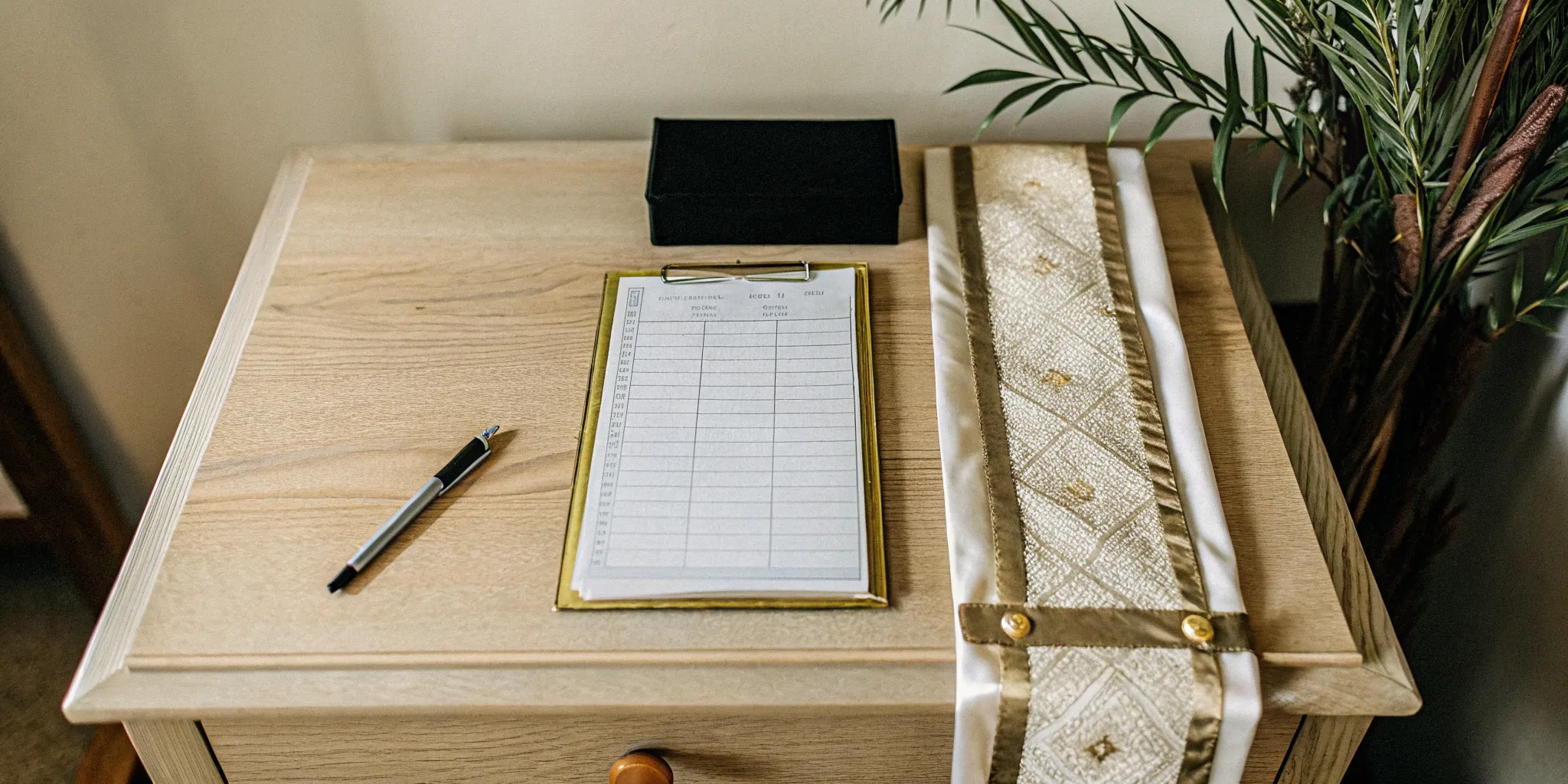
You should keep a set of core papers on hand to prove your status. This usually includes your official ordination certificate and a wallet card. Many areas also want to see a letter of good standing. This is a signed paper that shows you are a member in good standing with your group. Having these papers ready makes it easy to sign up with local offices. It also helps you give proof to venues and families.
It is also wise to keep a log of the weddings you lead and the care you give. This record shows that you are active in your role. Whether you lead a small wedding or a large service, these records protect you and those you serve. By keeping your papers in order, you can focus on the personal parts of your new role. You will not have to worry about legal gaps or missing steps.

Register with the Local County Clerk
One of the most important minister responsibilities after ordination is registering with the county clerk where you plan to officiate. Many jurisdictions require ministers to file proof of ordination before they can legally sign a marriage license. The process typically involves submitting your credentials, paying a small fee, and verifying local witness requirements.
One of the most important minister responsibilities after ordination is to check your legal status with the local government. In many parts of the United States, you must register with the county clerk or a similar person before you can legally lead a wedding. This step makes sure the state sees your right to sign a marriage license.
Check state and local laws
Rules for wedding officiants can change based on where the ceremony happens. While some states do not ask you to register, others have strict rules. You should start by looking up the legal requirements by state to see if your area needs a formal filing. States like Nevada and Hawaii often need more papers than others.
Some cities like New York City, or parts of Virginia and New Orleans, have their own paths. If you are in one of these spots, you may need to file papers with a city clerk instead of a county person. Always check the exact rules for the city or county where the couple plans to marry.
How to register with the clerk
If your area needs you to register, follow these steps to make sure you are ready for the wedding day. Each office may have its own needs, so calling ahead is the best way to save time.
- Find the right office. Look for the county clerk in the county where the wedding will take place.
- Call the office to ask what they need. Ask if they need an original ordination paper or other proof.
- Ask for a letter of good standing. Some spots, like New York City, need a notarized letter from your group.
- Bring your ID. You will likely need a valid state ID or passport when you go to the office.
- Pay the fee. Most offices charge a small fee to list your name as a minister.
- Ask about witness rules. In some states like Kentucky, you must have at least two witnesses at the ceremony.
Ask the right questions
When you call the clerk, be clear about your goal. Ask them exactly what papers you must bring. Find out if they take digital copies or if they need paper with a raised seal. This is also a good time to ask about marriage license procedures for the couple. Knowing these facts will help you guide the couple through their part of the work.
Check if there is a date by which you must register. Some offices want you to sign up weeks before the wedding. Others let you do it on the same day the couple gets their license. Doing this right is a big part of your work as a new minister.
Handle the Marriage License Correctly
Handling the marriage license is one of your most critical duties as a minister. You must verify the license is valid before the ceremony, ensure all signatures are completed correctly using dark black ink, and return the signed form to the county clerk within the legally required window, typically three to ten days.
One of the most vital minister responsibilities after ordination is handling the legal forms for the couple. While you focus on the ceremony, the couple relies on you to make the union legal.
Each state has its own set of rules, but the marriage license is the main paper for every wedding. You must handle this paper with great care to ensure the marriage is valid. If the form is not filed right, the couple is not legally wed.
Learn Your Local Laws
You must learn the rules for the place where you lead the wedding. All 50 states have laws about how to lead a wedding and who can do it. These laws tell you what you must say and what you must sign to make it legal.
Following the right marriage license procedures is the best way to protect the couple. As a new minister, you should call the local clerk if you have any doubts about their specific forms or local rules.
Do not wait until the day of the wedding to look at the license. Ask the couple to show it to you a few days early. You need to check the date it was given and when it ends. Some licenses have a short wait time before you can use them. Others might expire in just 30 days. If the license is too old or too new, you cannot lead a legal wedding service. Taking this step early helps you avoid a big crisis on the wedding day.
Manage the Signing and Witnesses
The signing often happens right after the wedding ends. This is a busy time, but you must stay focused. You will need to fill out your name, your title, and the place of the wedding.
Some states need other people to sign as well. For example, Kentucky state law requires at least two witnesses to be at the wedding. You should find these people before the start of the wedding so they are ready to sign when you are done.
- Verify the license date. Check that the license is active and has not expired before you start the ceremony.
- Confirm the couple's IDs. Make sure the people in front of you are the ones named on the legal paper.
- Use dark black ink. Most clerks will reject any form that uses blue or red ink because it does not scan well.
- Print every word clearly. Do not use cursive for the data fields; the clerk must be able to read every letter easily.
- Avoid all mistakes. If you make a typo, do not use white-out. You may need a new form from the county clerk.
- Check witness count. Ensure you have the right number of witness names as required by the state or county.
- Return the form fast. Mail or hand-deliver the license to the clerk's office within the time limit set by the law.
File the Completed License Promptly
Once the license is signed, your work is not quite over. In most places, it is the duty of the minister to return the form to the county office. Do not give it back to the couple for them to mail.
Most states give you a short window, often between three and ten days, to file the paper. If you miss this date, the couple might have to pay a fee or redo the whole process. Sending it back fast ensures the couple gets their marriage certificate without any stress.
Start Your Ordained Ministry Today
Understand Your Tax Responsibilities as a Minister
Ministers have unique tax obligations under U.S. law. All income from weddings, funerals, and other ministerial services is subject to income tax, and most ministers are treated as self-employed for Social Security purposes. You may qualify for a housing allowance exclusion if your church designates it in writing before payment.
One of the main minister responsibilities after ordination is tracking your money. The tax code for clergy can be hard. You must know how the law looks at your income. Whether you work for a church or act on your own, the IRS expects you to report what you earn. This keeps your ministry in good standing with the law.
Income tax and clergy earnings
Most people know that regular wages are taxable. But for a minister, income can come from many spots. You might get fees for weddings, baptisms, or burials. You might also get small gifts or offerings from guests. All of these earnings are subject to income tax. This rule applies to both employees and those who work for themselves. You should keep clear records of every payment you get for your work. You can find these rules on the IRS website for tax topic 417.
When you start your work, set up a simple way to track your fees. This helps you avoid stress at the end of the year. It also helps you follow the legal requirements by state for your tasks. Many ministers use a book or a phone app to note each event. Proper tracking is a vital part of your new role.
The housing allowance benefit
The tax code has a unique benefit for many ministers. This is the housing or parsonage allowance. If your church gives you a home, you might not pay tax on its rental value. This perk often covers the cost of heat and light as well. It can save you a lot of money each year. To use this, your group must set the amount in writing before they pay you. This is a key part of tax law for clergy in the U.S.
There are limits to this rule. You can only exclude the lowest of three amounts. These are the amount set by your board, the amount you spend on your home, or the fair rental value. You should always save your receipts for home costs. This includes rent, taxes, and repairs. Clear records will help if the IRS asks for proof of your costs. This benefit makes it easier for many to serve their communities.
Your status as an employee or contractor
How the IRS views your job status changes your tax steps. Some ministers are employees of a religious group. Others work as independent contractors. This depends on how much control the group has over your work. If the group tells you when and how to do your tasks, you are likely an employee. If you set your own hours and use your own tools, you might be self-employed. Your status changes how you pay for things like Social Security.
Most ministers have a dual status. They are employees for income tax but self-employed for Social Security tax. This means you might pay self-employment tax on your earnings. This covers your part of the tax and the part a boss would pay. The table below shows the key differences.
| Factor | Employee | Independent Contractor |
|---|---|---|
| Who sets your schedule | The church or organization | You do |
| Who provides equipment | The church provides what you need | You supply your own |
| Income tax filing | W-2 from employer | Schedule C with 1099 forms |
| Social Security tax | Self-employment tax (Form 1040-SE) | Self-employment tax (Form 1040-SE) |
| Housing allowance | Available if designated in writing | Available if designated in writing |
It is smart to talk to a tax expert who knows clergy rules. They can help you file the right forms and pay the correct amount. Staying on top of your taxes lets you focus on your ministry work.
Follow the Minister's Code of Ethics
As an ordained minister, you are expected to uphold a clear code of ethics that includes maintaining professional boundaries, protecting the confidentiality of those you serve, and avoiding conflicts of interest. These ethical standards protect both you and the people who trust you during life's most important moments.
Earning your credentials is only the start of your path. One of the main minister responsibilities after ordination is to serve with high standards. We provide a clear Code of Ethics to help you lead with honor and care. These rules act as a map for your work with the public. They ensure that every person you serve feels safe and heard.
Respect and professional boundaries
You must treat every couple and person with deep respect. As a minister, you hold a spot of trust in your community. You should always keep clear lines between your personal life and your work. This means you do not use your role for personal gain or to push your own views on others. By keeping these bounds, you build a firm base for your practice.
You also need to show kindness to people from all walks of life. Our guide for those who want to become an officiant minister stresses the need for open hearts. You should never judge those who come to you for help. Instead, you focus on providing a service that honors their unique path and values.
Privacy and confidentiality
People will share private details with you during your work. It is your duty to keep this information safe. You should not talk about these facts with others unless you have clear consent. Trust is the most vital part of the bond between a minister and their community. If you break that trust, you hurt your own name and the name of the ministry.
This rule of silence is a key part of minister responsibilities after ordination. It applies to formal talks and casual chats alike. Always think before you speak about the people you serve. If you have any doubt, it is best to stay quiet. This choice shows your commitment to the ethical roles of your new title.
Conflict of interest and integrity
Always act with honest intent in all your dealings. You should avoid any situation where your personal goals might cloud your judgment. For example, do not take gifts that could look like a bribe for your services. Your focus should stay on the well-being of those you serve. This level of truth helps you stay true to your oath and your role.
Integrity means doing the right thing even when no one is watching. It is the heart of our mission at All Faith Ministry. When you follow these rules, you show that you are a pro. You set a high bar for others to follow in the field. This helps grow the trust that the public has in all online ordained ministers.
Build Your Officiant Practice
After ordination, building your officiant practice involves developing your ministerial skills, managing your first bookings, tracking your income for tax purposes, and connecting with others in the wedding and event industry. Starting with friends and family weddings is a safe way to gain experience before expanding your services.
Once you get your papers, you can start your work as a minister. It takes time. Many people find that building a practice needs care. You will have to learn how to manage your new roles. This part of the journey is about more than just services. It is about serving your people and growing as a leader.
Grow Your Minister Skills
After you finish your ordination, you have many new duties. One of the main minister responsibilities after ordination is to provide care for others. You may lead worship services, perform baptisms, or lead funerals. You should also learn the legal requirements by state for these events. Each of these tasks helps you build trust with the people you serve.
As a minister, your role can include many types of work:
- Leading weekly worship services for your group.
- Performing weddings, baptisms, and funerals.
- Providing pastoral care and spiritual support.
- Helping people through big life changes.
You can take more training to feel more ready. All Faith Ministry offers tools to help you become an officiant minister who knows the law and the craft. Taking a class can help you speak better in front of crowds. It also teaches you how to handle the small details of a service. Working on these skills will make you a better leader for any group.

Manage Your First Bookings
Your first few bookings are a big step. You must be set up to keep your practice running well. Many ministers start by helping friends or family. This is a great way to gain skills in a safe space. As you grow, you might start to charge fees for your time and work.
When you take pay for your services, you must track your money. The law has clear rules for this income. Fees you get for doing marriages, baptisms, and funerals are subject to income tax under the IRS. Keeping good records from the start will save you stress later. It also shows that you run your ministry like an expert.
Connect with Your Group
Meeting others is a key way to grow your practice. You should meet people who work in the same field. This includes venue owners, event staff, and other clergy. Building these links can lead to more chances to serve. It also gives you a group of peers to ask for help or advice.
You can also use the web to show what you do. Create a simple site or social page to share your mission. Be sure to follow the All Faith Ministry Code of Ethics in all your posts. This keeps your brand honest and clear. When you act with honor, people will feel good about asking you to lead their big days.
Prepare for Your First Wedding Ceremony
Preparing for your first wedding ceremony means meeting with the couple beforehand to understand their vision, verifying the local legal rules for the county where the wedding will take place, reviewing the marriage license in advance, and having a clear run-of-show for the ceremony itself.
Leading your first wedding is a major step in your ministry. It is a moment of great pride, but it also comes with real pressure. You are now the person who makes the union official in the eyes of the law. To do a great job, you must focus on both the heart of the event and the legal rules. Knowing your minister responsibilities after ordination makes sure that you are ready for every part of the day. You should meet with the couple well before the wedding date. Use this time to build trust and learn what they expect from you. You do not need to plan every second of their day, but you should know the general flow. Ask about the tone they want for the big day. Do they want it to feel grave and deep, or should it be light and joyful? This talk helps you prepare your part so it fits their vision well. Also, ask the couple about the people who will be part of the day. You should know who is in the wedding party and if any guests have special roles. Knowing these names will help you lead the group with ease. It also shows that you care about the small things. You can find more tips on how to become an officiant minister who stays on track. Keeping a simple checklist for each couple you serve helps a lot.
Verify the Local Legal Rules
Every state has its own set of rules for weddings. You must know these laws before you step out to lead the ceremony. For instance, some states require a set number of people to see the wedding. In Kentucky, at least two witnesses must be present along with the couple and the minister. This is a firm rule found in Kentucky state law. Missing this detail could make the entire marriage void. You should also check the local rules for the county where the wedding takes place. Some counties have their own filing steps. Others want you to bring specific papers on the day of the event. Always call the local clerk to verify what they need from you before the wedding date.
Review the Marriage License Early
Ask the couple to show you their marriage license at least a few days before the wedding. This gives you time to check the key details. Look at the issue date and the expiration date. Some states have a waiting period after the license is issued. Others set a strict deadline. If the license expires, you cannot perform a legal ceremony. You should also confirm that the names on the license match the couple's legal IDs. Catching an error early avoids stress on the wedding day. This review step is one of the most practical minister responsibilities after ordination you can adopt.
Plan Your Ceremony Flow
You do not need a full script, but you should know the order of events. Most wedding ceremonies follow a basic structure: a welcome or opening, a reading or message, the exchange of vows and rings, and the pronouncement. Talk to the couple about what they want included. Some couples want a prayer or a moment of silence. Others prefer no religious elements at all. Your job is to guide them through the moment they have planned. Practicing the timing ahead of time helps you feel calm and confident on the day.
Frequently Asked Questions
Can any ordained minister perform a wedding?
While ordination is recognized in all 50 states, laws vary by location. Some areas may require you to register with a local county clerk or show a letter of good standing. Always check the rules in the county where the ceremony will take place.
What are the legal responsibilities of an ordained minister?
A minister has legal duties in three main areas: performing marriages, employment, and taxes. When you lead a wedding, you must follow state laws to ensure the union is valid. For tax purposes, the IRS states that all fees you get for services like weddings or funerals are subject to income tax. You are also responsible for keeping accurate records of your ministerial work and any fees you receive.
Are ministers required to pay taxes on their income?
Yes, ministers must report all earnings from their work as income, including wages, offerings, and fees for services. According to the IRS, these funds are subject to income tax regardless of employment status. It is wise to speak with a tax professional who understands clergy rules.
Do I need to register with the state after I get ordained?
Whether you need to register depends on where you plan to work. Many states do not require any formal filing, but some local jurisdictions have strict rules. For example, some counties in Nevada or Virginia require a notarized letter of good standing to prove your status. Check with the county clerk to ensure your work is fully recognized.
What documents do I need to prove my ordination status?
You should keep your ordination certificate, wallet card, and a letter of good standing from your ministry organization. Some counties may request notarized copies. Having these documents organized and accessible helps you register quickly when a wedding opportunity arises.
Ready to Begin Your Ministry Journey?
Your ordination opens the door to one of the most meaningful roles you can take on: officiating weddings, blessing unions, and standing at the center of life's most important moments. At All Faith Ministry, we give you everything you need to step into that role with confidence. From your ordination credentials to ongoing training and a supportive community of fellow ministers, we are here for every step of your journey.
Get ordained today and join thousands of ministers who are already making a difference.