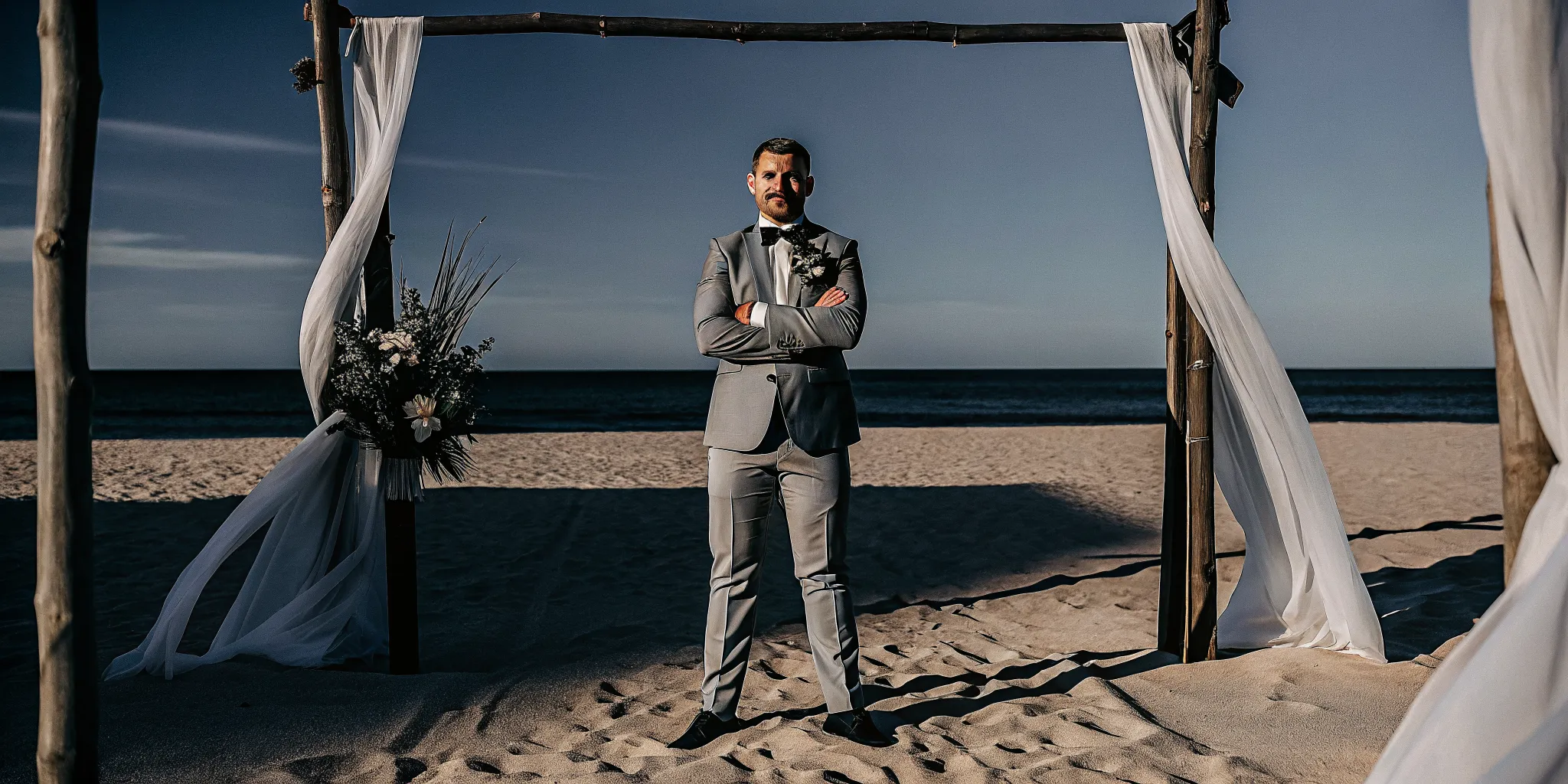

Officiating a wedding on the beach sounds like a dream, but the reality involves more than just a beautiful view. The sound of crashing waves, the persistent coastal wind, and the bright sun can easily turn a heartfelt ceremony into a chaotic one. Your greatest tool for keeping everything focused, meaningful, and running smoothly is a well-crafted beach wedding officiant script. This is more than just a list of words; it’s your anchor in an unpredictable environment. It ensures you hit every legal requirement and personal note with confidence. This guide will walk you through building a script that works with the seaside setting, not against it.
Key Takeaways
- Prioritize Legal and Structural Clarity: Anchor your creative script with the two non-negotiable legal elements: the Declaration of Intent and the Pronouncement. This structure gives you the freedom to personalize everything else.
- Match the Tone to the Setting: Reflect the relaxed beach environment by using warm, genuine language and weaving in the couple's personal story. This approach creates an authentic ceremony that feels connected to the couple and the location.
- Plan for the Environment: Anticipate the unique challenges of a beach wedding by planning for sound, weather, and timing. Recommend a microphone, keep the ceremony under 20 minutes, and always have a backup plan for interruptions.
What Is a Beach Wedding Officiant Script?
Think of a beach wedding officiant script as your roadmap for the entire ceremony. It’s a structured outline that guides you through every part of the event, from the moment you welcome the guests to the final pronouncement of marriage. A well-crafted script ensures all the essential components are included and that the ceremony flows beautifully from one moment to the next. For a beach wedding, this is especially important. The unpredictable nature of an outdoor setting, with its wind and waves, means having a solid plan is key to a smooth, heartfelt celebration.
Your script is more than just a list of things to say. It’s the narrative thread that weaves together the couple’s story, legal requirements, and personal touches. It helps you stay on track, manage timing, and deliver a polished, professional ceremony that still feels deeply personal. Whether you’re working from a template or writing something from scratch, the script is the foundational tool you’ll use to create an unforgettable experience for the couple and their guests. Our wedding officiant training provides in-depth guidance on how to structure and write compelling scripts for any type of ceremony.
Why a Script Is Essential for a Beach Ceremony
The wedding ceremony is the heart of the entire day, and it should feel personal while fitting the beautiful beach setting. While the seaside offers a stunning backdrop, it also comes with distractions like crashing waves, wind, and curious onlookers. A script acts as your anchor, keeping the ceremony focused and meaningful. Even with a lot of creative freedom, it's very important for officiants and couples to prepare well when writing the ceremony. Having a script ensures you won’t forget crucial legal elements, like the declaration of intent, and it gives you the confidence to handle any unexpected interruptions with grace. It’s your key to delivering a seamless ceremony that feels both organized and authentic.
Setting the Tone for a Seaside Celebration
A beach wedding often calls for a more relaxed and intimate tone, and your script is the primary tool for creating that atmosphere. The words you choose are the most important part of the ceremony, setting the emotional stage for the couple's commitment. You can use imagery that reflects the ocean setting, weaving in themes of tides, journeys, and natural beauty. Music also plays a huge role. Suggesting acoustic guitar or beach-themed instrumental songs can complement the script and the environment perfectly. By carefully crafting the language and flow, you establish a mood that feels right for a seaside celebration, making the moment truly special and memorable for everyone involved.
Key Parts of a Beach Wedding Script
Crafting a wedding script can feel like a big task, but it helps to think of it as a collection of smaller, meaningful moments. While every ceremony should reflect the couple's unique story, most follow a familiar flow that guests recognize and appreciate. This structure ensures you hit all the important notes, from the heartfelt welcome to the legal pronouncement, all while keeping the ocean as your beautiful backdrop. Let’s walk through the essential parts of a beach wedding script.
The Welcome and Opening Remarks
This is your moment to officially begin the ceremony and create a warm, inviting atmosphere. Start by welcoming the guests and acknowledging the beautiful setting. For a beach wedding, many guests have likely traveled to be there, so it’s a thoughtful touch to thank them for making the journey. Your opening remarks set the tone for the entire event. You can speak about the significance of marriage, share a brief thought on the couple's love, or simply express the joy of the occasion. The goal is to capture everyone's attention and prepare them for the special commitment they are about to witness.
Declaration of Intent and Legal Must-Haves
This is the part of the ceremony where things get official. The Declaration of Intent, often called the "I do's," is where you ask each partner if they came here today to marry the other. While the exact phrasing can be personalized, the core purpose is a clear and public statement of consent. This is one of the few parts of a ceremony that is legally required for the marriage to be valid. As an officiant, it's your responsibility to understand your state's specific marriage laws to ensure every legal box is checked. This step confirms that both individuals are entering the marriage of their own free will.
Vows and Ring Exchange
The vows and ring exchange are often the most emotional and memorable part of the ceremony. This is where the couple makes their promises to one another. Whether they write their own vows or use traditional ones, your role is to create a space for them to speak from the heart. If they’re writing their own, you can advise them to keep it brief, around 60 to 90 seconds each. Following the vows, the ring exchange serves as a physical symbol of their promises. You’ll prompt them to place the rings on each other’s fingers, often while repeating a short phrase that reinforces their commitment.
Unity Ceremonies and Special Rituals
A unity ceremony is a beautiful way to add a symbolic and personal touch, and it’s especially fitting for a beach wedding. The sand unity ceremony is a popular choice where the couple pours sand from two separate containers into a single, new one. This action represents their two individual lives blending into one inseparable union. Once mixed, the grains of sand can never be separated, just like their new life together. As the officiant, you can explain the symbolism to the guests as it happens. You can find beautiful sand ceremony sets and other ritual supplies in the AFM Store.
Closing Remarks and the Big Pronouncement
As the ceremony winds down, your closing remarks provide a final blessing or word of encouragement for the couple. This is a great time to remind them to pause and soak in the happiness of the moment before they walk back down the aisle. Following your remarks comes the pronouncement, which is the legal declaration that officially seals the deal. With the authority vested in you, you’ll pronounce them married. This is the moment everyone has been waiting for, leading directly to the celebratory first kiss and their presentation to the guests as a newly married couple. Your professionalism here is guided by our Code of Ethics.
How to Personalize a Beach Wedding Ceremony
A beach wedding is already special, but a personalized script is what makes it truly unforgettable. This is your chance as an officiant to move beyond a generic template and create a ceremony that feels deeply connected to the couple and the stunning seaside location. Personalization is about telling their unique story, reflecting their values, and celebrating their love in a way that feels completely authentic to them. It’s the difference between a ceremony that people watch and one that they feel a part of.
Your role is to guide the couple through this creative process. Many couples know they want a personal ceremony but aren't sure where to start. By asking thoughtful questions and offering creative suggestions, you can help them identify the elements that matter most. Think of yourself as a storyteller, weaving together their past, present, and future against the beautiful backdrop of the ocean. This collaborative approach not only results in a better script but also builds a stronger connection between you and the couple, which is central to our Code of Ethics. From sharing their love story to incorporating meaningful rituals, let's look at a few powerful ways to customize a beach wedding ceremony.
Weave in the Couple's Love Story
The heart of any wedding ceremony is the couple's story. Sharing a few personal details about their journey is the easiest way to make the script feel unique and heartfelt. The ceremony script helps set the mood for your wedding day and their marriage, so it’s the perfect place to share what makes their bond special. Before you start writing, send the couple a questionnaire or sit down with them to ask about how they met, their first impressions, the proposal, and what they admire most in each other.
Once you have these beautiful details, you can weave them into the opening remarks or as an introduction to their vows. You don’t need to tell their entire life story, just a few key moments that highlight their connection. This personal touch instantly draws guests in and reminds everyone why they’ve gathered on the shore to celebrate.
Add Meaningful Readings and Quotes
Incorporating readings, poems, or quotes is a wonderful way to add another layer of personality and meaning to the ceremony. You can suggest that the couple choose something that reflects their feelings, their shared values, or even their sense of humor. The options are endless: it could be a classic poem about the sea, lyrics from their favorite song, a passage from a book they both love, or even a quote from a movie that’s special to them.
These readings can be performed by you, or the couple can ask a close friend or family member to participate, which is a lovely way to involve more people in the ceremony. As their officiant, you can provide a few suggestions to get them started, but encourage them to find words that truly resonate. This small addition can add so much depth and emotion to the proceedings.
Include Family and Cultural Traditions
Many couples want to honor their heritage or family by including specific traditions in their ceremony. A beach setting offers a unique opportunity to adapt these rituals or introduce new ones that feel connected to the environment. Many couples add symbolic rituals to their ceremony because they are unique to the beach, look great in photos, and allow friends or family to be involved. For example, a sand unity ceremony, where the couple pours different colored sands into a single container, is a perfect fit.
Other ideas include a shell toss, where guests make a wish for the couple on a seashell and toss it into the waves, or a handfasting with nautical rope. Learning how to facilitate these kinds of rituals is a key part of our wedding officiant training. These moments are more than just symbolic; they are interactive, memorable, and create a powerful sense of connection between the couple and their community.
What Legal Wording Do You Need to Include?
When you’re focused on crafting a beautiful, personal ceremony, the legal side of things can feel a bit intimidating. But here’s the good news: it’s simpler than you think. While you have a lot of creative freedom with the script, there are two key moments that must be included to make the marriage official. These are the Declaration of Intent and the Pronouncement.
Think of these as the legal bookends to the ceremony. No specific, magical words are required by law, but the function of these two parts is non-negotiable. The couple must clearly state their intention to marry, and you, the officiant, must officially pronounce them as married. As long as you hit these two marks, you’ve fulfilled your legal duty. Everything else, from the opening remarks to the readings, is where you can work with the couple to let their personalities shine. We’ll break down exactly what you need to say and do to handle these parts with confidence.
Understand State-Specific Requirements
Before you finalize any script, your first step should always be to check the local laws. Marriage regulations are determined at the state and sometimes even the county level, so what works in one place might not be sufficient in another. While most states don’t have a required script, they do have rules about who can legally perform a marriage and what needs to happen for the union to be recognized. You can find a helpful overview of state laws to get started.
Your main responsibility is to ensure the couple’s intent is clear and that you make an official pronouncement. You also need to properly handle the marriage license, which often requires signatures from the couple, the officiant, and sometimes witnesses. Knowing these details beforehand will ensure the ceremony is not only memorable but also legally sound.
Nail the Declaration of Intent
The Declaration of Intent is the part of the ceremony where the couple gives their verbal consent to be married. It’s the moment everyone recognizes as the “I do’s.” Your job is to ask each partner if they agree to marry the other. The traditional question is, “Do you take this person to be your lawfully wedded husband/wife?” to which they respond, “I do.”
However, the wording is flexible. You can work with the couple to phrase the question in a way that feels authentic to them. For example, you could ask, “Do you choose [Partner’s Name] as your partner in life?” or “Do you commit yourself to [Partner’s Name] in marriage?” As long as the question clearly asks for their intent and they respond with a clear “yes” or “I do,” you’ve met the legal requirement.
Get the Pronouncement and Witness Rules Right
After the vows and ring exchange, it’s time for the Pronouncement. This is your official declaration that the couple is now legally married. It’s the grand finale before the first kiss. Classic wording includes, “By the power vested in me by the state of [State], I now pronounce you married.” Just like the Declaration of Intent, the exact phrasing can be personalized. You could say, “It is with great joy that I now declare you husband and wife,” or simply, “I now pronounce you married.”
This is also a good time to remember the role of witnesses. Many states require one or two witnesses to be present at the ceremony and sign the marriage license. Make sure you know the rules for the location and have a plan for who will be signing. This final step solidifies the legal contract and officially marks the beginning of the couple’s married life.
Add Beach-Specific Elements to Your Script
A beach isn’t just a venue; it’s an active participant in the wedding ceremony. The sound of the waves, the feel of the sand, and the endless horizon all contribute to the atmosphere. As an officiant, your script is the perfect place to connect the couple’s love story to the natural beauty surrounding them. Weaving in elements that are unique to a seaside setting will make the ceremony feel more intentional, personal, and unforgettable for everyone present.
Acknowledge the Ocean Setting
Start by embracing the location in your opening remarks. A beach wedding is a choice, so your words should reflect that. You can use the scenery as a powerful metaphor for the couple’s relationship. Talk about their love being as deep and constant as the ocean, or their future being as bright and open as the horizon. Acknowledging the setting shows that you’ve crafted a ceremony specifically for the couple and their chosen spot, rather than using a generic script. It connects their vows to the environment, creating a moment that feels grounded and deeply meaningful.
Suggest a Sand Unity Ceremony
A sand unity ceremony is a classic for a reason. It’s a beautiful, visual representation of two lives blending into one. Each partner pours a different colored sand into a single vessel, creating a unique pattern that can never be separated. This is a fantastic alternative to a unity candle, which can be nearly impossible to keep lit on a breezy shore. You can even suggest including a third color of sand for their children or to represent their families joining together. We have some lovely sand ceremony sets available in the AFM Store that you can recommend to your couples.
Use Seashell and Nautical Symbolism
Beyond the sand ceremony, there are many other ways to incorporate the beach theme. Consider a shell blessing, where guests hold a seashell and silently offer a wish or blessing for the couple. The shells can then be collected in a vase as a keepsake or tossed into the ocean. You could also incorporate a fisherman’s knot ritual, which is a literal and symbolic way to "tie the knot." Using these tangible symbols makes the ceremony more interactive and memorable for guests. As you guide these rituals, remember to do so with respect and intention, a core principle of our Code of Ethics.
Work With Natural Sounds and Elements
A beach ceremony comes with a few logistical challenges, and a great officiant helps the couple prepare for them. The sound of crashing waves is beautiful, but it can easily overpower your voice. Gently suggest a portable sound system with a lapel microphone to ensure every guest can hear the ceremony. You can also advise the couple on timing. A ceremony planned during the "golden hour" just before sunset provides stunning light for photos and more comfortable temperatures for everyone. Covering these practical details is a key part of the comprehensive guidance we offer in our wedding officiant training.
A Sample Beach Wedding Officiant Script
Seeing a script come together can make the whole process feel more manageable. While every couple is different, most beach ceremonies follow a similar flow that you can adapt. Think of this structure as your starting point, a reliable framework you can build upon to create something truly special and personal. The goal is to craft a ceremony that feels authentic to the couple while hitting all the right notes, from the opening words to the final pronouncement. Below are the key components and some popular rituals that work beautifully in a seaside setting.
The Complete Ceremony Structure
A beach wedding ceremony typically flows through a few key moments. It starts with the Processional, where family and the wedding party make their entrance, followed by the couple. Next, you’ll offer a welcome and introduction to set the tone. This is often followed by optional readings or poems. The heart of the ceremony includes the exchange of vows and rings. Many couples also include an extra ritual before you deliver the pronouncement, officially declaring them married. This leads into the Recessional as the happy couple walks back down the aisle. Our wedding officiant training covers how to master each of these steps.
Customizable Sections for a Personal Touch
Encourage your couple to make the ceremony script their own. While certain elements are necessary, there’s plenty of room to reflect their unique personalities and love story. The two most important parts of any wedding ceremony are the Declaration of Intent (the "I do's") and the Pronouncement, where you officially announce their new marital status. These are the moments that make the marriage legal. However, the specific wording can often be adjusted to feel more personal. As long as you meet the legal requirements for that location, you can work with the couple to choose words that feel right for them.
Popular Rituals and Vows for a Beach Setting
Many couples love adding a symbolic ritual to their beach ceremony. These moments are unique to the setting and create beautiful photo opportunities, especially at sunset. A sand unity ceremony is a popular choice, symbolizing two lives blending into one. Each partner pours a different colored sand into a single vessel, creating a pattern that can never be separated. Other ideas include a shell blessing, where guests imbue a seashell with a wish for the couple, or a hand ceremony. These rituals are a wonderful way to involve friends and family, and you can find beautiful ceremony supplies in our AFM Store.
Common Challenges of Writing a Beach Wedding Script
A beach wedding is a dream for many couples, but for an officiant, it presents a unique set of challenges that you won’t find in a traditional indoor venue. The stunning backdrop of the ocean comes with wind, waves, and other unpredictable elements that can turn a beautiful moment into a chaotic one if you're not prepared. Writing a script that works with this environment, rather than against it, is absolutely key to a successful ceremony. It’s not just about what you say, but how and when you say it, ensuring your words land with the intended impact despite the competing sounds of nature.
The main hurdles you’ll face are managing environmental distractions, finding the right balance between a personal story and a smooth pace, and choosing language that fits the relaxed, natural setting. It might sound like a lot to handle, but trust me, with a little preparation, you can create a beautiful and memorable experience for the couple and their guests. Thinking through these potential issues ahead of time will help you feel confident and prepared on the wedding day, allowing you to focus on what truly matters: celebrating the couple’s love.
Managing Environmental Distractions
The biggest challenge of a beach ceremony is often the sound. The crashing waves and coastal wind, while beautiful, can easily drown out your voice. To make sure every word is heard, you’ll need to plan for amplification. A small, portable sound system with a lapel mic is often the best solution. It keeps your hands free and ensures the couple and their guests can hear the ceremony clearly. You should also advise the couple on their setup, suggesting they position their guests so the wind is at their backs, which helps carry the sound toward them. You can find helpful gear for outdoor ceremonies in our AFM Store.
Balancing Personalization with Pacing
Every couple wants a ceremony that feels uniquely theirs, but a script that’s too long or unstructured can lose the attention of guests, especially in a distracting outdoor setting. The key is to balance personal details with a steady, engaging pace. Start with a solid ceremony structure, then weave in the couple’s story, inside jokes, and meaningful anecdotes at key moments. This approach ensures the ceremony flows smoothly while still feeling intimate and special. Our Wedding Officiant Training provides in-depth guidance on how to structure a ceremony that is both personal and professional, giving you a framework you can adapt for any couple.
Choosing the Right Language and Tone
The language of a beach wedding script should reflect the setting: natural, relaxed, and beautiful. Avoid overly formal or stuffy language that might feel out of place against the backdrop of the ocean. Instead, opt for simple, heartfelt words that speak directly to the couple’s love story. Your authentic voice is what will make the ceremony memorable. Aim for a tone that is warm and genuine, matching the couple’s personality. By speaking from the heart, you create a connection with everyone present, making the ceremony feel both sacred and deeply personal. Always remember to uphold a professional standard, as outlined in our Code of Ethics.
How to Ensure a Smooth Beach Ceremony
A beach wedding is breathtakingly beautiful, but the sand and surf bring a unique set of challenges you won’t find in a traditional venue. As the officiant, your role extends beyond delivering the script. A little extra preparation can make the difference between a chaotic ceremony and a flawlessly executed one. By thinking through the logistics ahead of time, you can help the couple relax and ensure their special moments are remembered for all the right reasons. It’s all about anticipating the environment and having a solid plan in place so you can lead the ceremony with confidence and grace.
Practice the Ceremony Beforehand
The ocean breeze and crashing waves create a magical atmosphere, but they also mean you have to be mindful of time. Most beach ceremonies last between 10 and 20 minutes, which is the sweet spot for keeping guests comfortable in the sun and sand. I always recommend running through the entire script with the couple during a rehearsal. This helps everyone get a feel for the pacing and flow. Practice reading your lines aloud, projecting your voice as if you’re competing with the sound of the waves. This will help you deliver a heartfelt ceremony that feels personal and polished, which is a key part of any good wedding officiant training.
Plan for Weather and Sound
The two biggest variables at a beach ceremony are the weather and the sound. Encourage your couple to schedule their ceremony during the "golden hour" just before sunset. This provides stunning light for photos and a more comfortable temperature for everyone involved. The sound of the ocean is romantic, but it can easily drown out your voice. A portable sound system with a lapel or handheld microphone is a non-negotiable for a beach wedding. This ensures that every guest, from the front row to the back, can hear the vows and pronouncements clearly. It’s a simple step that makes a huge impact on the guest experience.
Create a Backup Plan for Interruptions
Even with perfect planning, the unexpected can happen. A sudden rain shower or high winds can disrupt the ceremony, so it’s wise to have a backup plan. Talk with the couple about a secondary location, like a covered pavilion or a nearby indoor space, just in case. Beyond the weather, think about smaller details. How will you keep your script pages from blowing away? A binder or tablet works wonders. Where will the couple place the marriage license to keep it safe and sand-free? Having a designated person or a protective folder from the AFM Store can prevent a last-minute panic. Thinking through these scenarios beforehand lets you handle any interruption with ease.
Mistakes to Avoid in a Beach Wedding Script
Crafting the perfect beach wedding script is about more than just beautiful words. It’s about creating a seamless experience that honors the couple while respecting the unpredictable nature of a seaside setting. A few common missteps can turn a dream ceremony into a logistical headache. By anticipating potential issues with language, logistics, and legalities, you can ensure the couple’s big moment is memorable for all the right reasons. Let’s walk through the key mistakes to sidestep.
Using Overly Formal Language
A beach wedding is inherently relaxed, and your script should reflect that. Stiff, overly formal language can feel out of place against a backdrop of sand and waves. The most powerful ceremonies come from a real, emotional place that truly shows the couple's love. Instead of using complex, traditional phrasing, opt for words that are warm, genuine, and personal. Your goal is to match the tone of the environment and, more importantly, the couple's personality. This approach builds a stronger connection with the couple and their guests, making the ceremony feel authentic and heartfelt, which is a core part of an officiant's Code of Ethics.
Ignoring Practical Beach Logistics
The beach is a beautiful venue, but it comes with challenges. Wind can carry your voice away, the sun can be intense, and waves can create a lot of background noise. A great script accounts for these factors. Keep the ceremony concise, ideally between 10 and 20 minutes, to ensure guests stay comfortable. You might also suggest a light sound system so everyone can hear. The sound of the ocean is romantic, but not if it drowns out the vows. Our wedding officiant training covers how to manage these environmental factors so you can lead a smooth, professional ceremony no matter the setting.
Forgetting the Legal Components
Even with a casual, toes-in-the-sand vibe, a wedding is a legally binding event. It’s easy to get caught up in the romance of the setting and forget the required legal wording. While you have a lot of freedom to personalize the ceremony, two elements are almost always non-negotiable: the Declaration of Intent (the "I do's") and the Pronouncement. These are the moments that make the marriage official. Before you finalize the script, double-check the specific state laws where the ceremony is taking place. Ensuring all legal requirements are met is one of your most important duties as an officiant.
Craft the Perfect Beach Wedding Script
A great beach wedding script is the foundation of a memorable ceremony. It balances the couple’s unique love story with the essential components that make a marriage official. As the officiant, your role is to help weave these two threads together into a beautiful and seamless experience. Think of the script as your roadmap for the day, guiding everyone through the emotional and legal steps of the ceremony. The key is to create something that feels authentic to the couple while also being clear and well-paced. A thoughtfully prepared script allows you to lead with confidence, so you can focus on delivering a heartfelt ceremony instead of worrying about what comes next.
Make It Personal
The heart of any wedding ceremony is its personal touch. Encourage the couple to share details about their relationship, like how they met, what they love about each other, and their hopes for the future. You can weave these anecdotes into the opening remarks or throughout the ceremony to create a narrative that is uniquely theirs. Many couples also choose to write their own vows, which is a powerful way to express their commitment. Your job is to create a safe and supportive space for them to do this, offering guidance without taking away their voice. The goal is for the guests to walk away feeling like they truly witnessed something special and authentic to the couple.
Include the Essential Elements
While personalization is key, every wedding ceremony must include certain components to be legally binding. Your script needs a clear structure: the processional, a welcome to the guests, any readings or remarks, the exchange of vows and rings, and the final pronouncement. Two of the most critical parts are the Declaration of Intent (the "I do's") and the Pronouncement, where you officially declare them married. These moments are required for legal validity, so it’s important to get the wording right. Since requirements can differ, always check the specific state laws where the ceremony is taking place to ensure full compliance.
Incorporate a Symbolic Ritual
Symbolic rituals can add a beautiful, visual element to the ceremony and make it even more memorable. For a beach wedding, a sand unity ceremony is a perfect fit. In this ritual, the couple pours different colored sands into a single container, symbolizing the joining of their two individual lives into one new, inseparable family. It’s a lovely metaphor for marriage and creates a keepsake they can display in their home. This is also a wonderful opportunity to involve children or other family members, giving them each their own color of sand to pour. It’s a simple yet profound way to mark the occasion.
Guide the Couple on Their Vows
Writing vows can feel daunting for some couples, and that’s where you can offer helpful advice. Suggest that they reflect on a few special moments in their relationship and think about the specific promises they want to make for their future together. Remind them to use simple, honest language that sounds like them. It’s also a good idea to recommend a length of about 45 to 90 seconds each. This is long enough to be meaningful but short enough to be remembered and delivered with confidence. Our wedding officiant training offers more techniques for coaching couples through this important and personal process.
Related Articles
- Your Complete Non-Denominational Wedding Officiant Script
- Short Wedding Ceremony Script: A Simple Guide
- The Ultimate Backyard Wedding Ceremony Script
- How to Write a Wedding Ceremony Script (Step-by-Step)
- Romantic Wedding Ceremony Script: A Complete Guide
Frequently Asked Questions
How long should a beach wedding ceremony actually be? For a beach wedding, the sweet spot is typically between 10 and 20 minutes. This is long enough to feel meaningful and heartfelt but short enough to keep guests comfortable, especially if they are standing in the sun or dealing with wind. A concise ceremony ensures you hold everyone's attention and finish before the beautiful setting becomes a distraction.
What are the absolute must-have legal parts of the script? While you have a lot of creative freedom, two moments are non-negotiable for a legal marriage. The first is the Declaration of Intent, which is when you ask each partner if they consent to the marriage (the classic "I do's"). The second is the Pronouncement, where you officially declare them married. As long as your script clearly includes these two elements, you've covered the essential legal requirements.
My couple isn't sure about a sand ceremony. What are some other beach-friendly rituals? The sand ceremony is a great choice, but it's definitely not the only one. You could suggest a shell blessing, where guests are invited to offer a silent wish for the couple on a seashell before tossing it into the ocean. Another beautiful option is a handfasting ceremony that uses a nautical rope, which is a very literal and symbolic way to "tie the knot."
How can I make sure everyone actually hears the ceremony over the ocean sounds? This is a very real and important concern. The most reliable solution is to use a portable sound system with a lapel microphone for you and perhaps a handheld one for the couple's vows. This ensures that every word is heard clearly above the sound of the waves and wind. It’s a simple step that makes a huge difference for the couple and their guests.
What's the best advice for a couple who wants to write their own vows but feels stuck? I always suggest they start by reflecting on their story. Encourage them to think about a favorite memory, what they admire most in each other, or the promises they truly want to make for their future. Remind them that the best vows use simple, honest language that sounds like them. It also helps to recommend a length of about 60 to 90 seconds each, which feels both meaningful and manageable.