


When your friends ask you to officiate their wedding, they aren’t just looking for someone to handle the legal paperwork. They’re choosing you because you know their story. You have a unique perspective that can make their ceremony deeply personal and meaningful. The challenge is turning those memories and inside jokes into a polished, beautiful ceremony script. You might be wondering what to say when officiating a wedding for the first time to strike that perfect balance between personal and professional. This article will walk you through every step, showing you how to structure the ceremony, personalize the content, and deliver your words with confidence and warmth.
Key Takeaways
- Your confidence comes from solid preparation: A smooth ceremony is the result of practice. Rehearse your script out loud, run an organized rehearsal for the wedding party, and double-check all the legal details beforehand.
- Personalize the script to make it memorable: Go beyond a generic template by weaving the couple's unique story into the ceremony. Include personal anecdotes, shared values, and a tone that matches their style to create a celebration that feels authentic.
- Act as the ceremony's calm director: Your role is more than just speaking. Guide the couple and guests through each moment with clear instructions, a warm presence, and the grace to handle any unexpected hiccups.
Your Role as a First-Time Wedding Officiant
Being asked to officiate a wedding is a huge honor. It means the couple trusts you to stand with them and guide them through one of the most significant moments of their lives. Your role is part storyteller, part guide, and part legal witness, all wrapped into one. Before you even think about what to say, it’s essential to understand that the ceremony is for the couple. Your personal style or what you think would be cool takes a backseat. The goal is to create an experience that feels genuine and deeply personal to them.
Your first step is to get on the same page as the couple. Talk with them about the tone they want for their ceremony. Is it serious and traditional, lighthearted and funny, or somewhere in between? This initial conversation will save you a lot of headaches and rewriting later. A great officiant is a great listener, gathering stories, inside jokes, and meaningful details to weave into the script. This is how you transform a standard ceremony into something truly memorable. Adhering to a professional code of ethics ensures you prioritize the couple's wishes and handle your duties with integrity.
Beyond crafting the perfect words, you are also the ceremony’s director. You’ll guide the couple through their vows, the ring exchange, and the final pronouncement. You also have the important legal duty of verifying the marriage license and ensuring it’s completed correctly according to your local state laws. And don’t forget the little things, like stepping to the side during the first kiss so you’re not in the middle of that iconic photo. Thoughtful preparation is what will help you feel confident and deliver a smooth, heartfelt ceremony. If you want to build a strong foundation, our wedding officiant training can give you the tools and practice you need.
The Key Parts of a Wedding Ceremony Script
Every wedding ceremony is unique, but most follow a familiar flow. Think of it as a roadmap that guides you, the couple, and the guests from the opening words to the final cheer. Understanding these key components will give you a solid structure to build upon. Once you have the framework down, you can work with the couple to fill it with personal stories, meaningful readings, and unique touches that reflect who they are. This structure isn't about being rigid; it's about creating a ceremony that feels both momentous and effortless.
The Welcome and Introduction
This is your moment to set the tone for the entire day. Start by walking to the front, smiling, and warmly welcoming all the guests. Briefly introduce yourself and your connection to the couple. This is also the perfect time for a little housekeeping. You can kindly ask guests to silence their phones and let them know the couple’s wishes regarding photos and social media. Your goal here is to make everyone feel comfortable, included, and excited for the beautiful ceremony they are about to witness. Our wedding officiant training covers how to craft an opening that grabs everyone's attention.
Telling the Couple's Story
Here’s where you make the ceremony deeply personal. Sharing the couple's love story is the best way to draw guests in and remind everyone why they’ve gathered. Talk about how the couple met, what they love about each other, and the journey that led them to this day. You can weave in funny anecdotes, sweet milestones, or even a short quote about love that resonates with their story. This narrative transforms the ceremony from a formal event into an intimate celebration of their specific, one-of-a-kind relationship. It’s the heart of the script and your chance to truly connect with the couple and their guests.
The Vow Exchange
The vow exchange is the emotional core of the ceremony. This is when the couple makes their lifelong promises to one another. The vows can take a few different forms: the couple might write their own, repeat traditional lines after you, or simply respond with "I do" to a series of questions. It's crucial to confirm which format they prefer. Also, some locations have specific legal wording that must be included for the marriage to be valid, so be sure to check the requirements in your area. You can find more information by reviewing the state laws where the ceremony will take place.
The Ring Exchange
Following the vows, the ring exchange provides a tangible symbol of the couple's promises. As the officiant, your role is to guide them through this moment. You’ll prompt each partner to place the ring on the other’s finger and provide a few meaningful words for them to repeat. This part of the ceremony is rich with symbolism, representing their unending love and commitment. The words can be classic or contemporary, but they should reflect the sentiment of the vows that were just spoken. It’s a simple, beautiful ritual that everyone will remember.
The Closing and Pronouncement
This is the grand finale. After the vows and rings, you’ll offer a few closing remarks or a final blessing for the couple. Then comes the moment everyone has been waiting for: the official pronouncement. With joy and confidence, you will declare them legally married. This is typically followed by the famous line, "You may now kiss!" A key tip for first-timers: after you say this, take a step to the side so you’re not in the middle of their first-kiss photos. This final step, made possible once you apply for ordination, officially marks the beginning of their new life together.
What to Say in Your Opening Remarks
The first few moments of the ceremony are your chance to capture everyone’s attention and set the mood for the entire event. Your opening remarks should make guests feel welcome, connected to the couple, and excited for what’s to come. Think of it as the warm-up act that gets the crowd ready for the main event. This is where you transition everyone from simply being attendees to being active participants in a beautiful celebration of love.
Welcome Guests and Set the Tone
Start with a warm, confident greeting. A simple "Good afternoon, everyone!" or "Welcome, friends and family" works perfectly. Your energy is contagious, so smile and make eye contact with the crowd. If the guests seem a bit quiet, you can playfully encourage them to respond. This simple interaction breaks the ice and creates a more relaxed, joyful atmosphere. Your goal is to make everyone feel comfortable and included from the very first minute. This initial connection establishes a tone of warmth and sincerity that will carry through the rest of the ceremony, reflecting the professionalism and care you bring to your role.
Introduce the Couple
After welcoming the guests, shift the focus to the reason everyone is here: the couple. This is your opportunity to tell a piece of their love story. Share a short, sweet anecdote about how they met, a funny story about their first date, or a touching detail about what makes their relationship special. Work with the couple beforehand to choose a story that truly represents them. This personal touch is what makes a ceremony memorable. Instead of just stating names, you’re reminding everyone of the unique journey that led to this day. Learning how to craft these narratives is a key skill for any officiant.
Acknowledge Special Guests
A wedding is a community event, and it’s important to recognize the people who have supported the couple. Take a moment to thank all the guests for being there to celebrate. It’s a thoughtful gesture to give a special mention to those who have traveled a long distance to attend. You can also acknowledge parents, grandparents, or other cherished family members by name, if the couple would like. This simple act of gratitude makes guests feel valued and highlights the strong network of love surrounding the couple. It shows that you see and appreciate the effort everyone has made to be part of this important day.
How to Personalize the Ceremony with the Couple's Story
The heart of any truly memorable wedding ceremony is the couple’s story. As a friend or family member stepping into the officiant role, you have a unique advantage: you know them. You’ve seen their relationship grow, you understand their inside jokes, and you know what makes their love special. Sharing that story is the greatest gift you can give them on their wedding day. This isn’t about just listing facts or dates; it’s about capturing the feeling and essence of their partnership in a way that resonates with everyone present.
Crafting this narrative is a skill, but it’s one you can absolutely develop. It involves listening, asking thoughtful questions, and finding the thread that ties their individual experiences together into a single, beautiful story. By focusing on personalization, you move the ceremony from a generic ritual to a deeply meaningful celebration of two specific people. Learning how to structure this narrative is a core part of our wedding officiant training, where we guide you on how to turn personal details into a compelling part of the ceremony. This personal touch is what makes a wedding feel authentic, and it’s what the couple and their guests will remember for years to come.
Weave in Their Anecdotes and Milestones
To tell their story well, you need to become a bit of a journalist. Start by collecting material from the couple themselves, but don’t stop there. Talk to their parents, siblings, and closest friends. Ask specific questions that get to the heart of their relationship, like, "What was your first impression of them?" or "Can you share a favorite memory you have with the couple?"
Gathering these little details, from their hilarious first date to the moment they knew it was serious, provides the color and texture for your ceremony script. You can weave these anecdotes into your opening remarks or use them as a lead-in to the vows. These personal stories make the ceremony feel genuine and uniquely theirs, reminding everyone why they’ve gathered to celebrate this specific love.
Highlight Their Shared Values
Beyond cute stories, a powerful ceremony speaks to the couple’s shared values. What truly matters to them as a partnership? Is it adventure, family, creativity, or their shared faith? Your job is to identify this core foundation and make it a central theme of the ceremony. This ensures the words you speak reflect what the couple holds most important, making the moment more significant for them.
Prioritizing their wishes over your own ideas or what you think guests might expect is crucial. This commitment to honoring the couple is a key part of an officiant's responsibility. By focusing on their values, you create a ceremony that feels true to who they are. This principle of putting the couple first aligns with our professional Code of Ethics, which emphasizes integrity and respect for each couple's beliefs and desires.
Match Your Language to Their Style
The most moving ceremonies are the ones that sound authentic. Your script should reflect the couple’s personality. Are they formal and traditional, or are they more casual and lighthearted? The tone of the ceremony, from the words you choose to your delivery, should match their style. If they are a fun-loving couple who loves to laugh, injecting some tasteful humor can be a wonderful touch. If they are more reserved and romantic, your language should be more poetic and heartfelt.
Use any script you find as a starting point, not a rulebook. Don’t be afraid to customize sections to fit the couple and to sound more like yourself. When you speak from the heart in a voice that feels natural, your delivery will be more powerful and sincere.
How to Craft Meaningful Vows and Readings
The vows and readings are the heart of the wedding ceremony. This is where the couple makes their promises and shares what their commitment means to them. Your role as the officiant is to guide them toward words that feel true to their relationship. Some couples will want to stick with tradition, while others will want to write something completely original. You can support them by providing examples, asking thoughtful questions, and helping them structure their ideas.
Whether they choose classic vows, modern alternatives, or write their own from scratch, the goal is the same: to express their love and promises in a way that everyone present can feel. The same goes for readings. These selections add another layer of personality and meaning to the ceremony. By helping the couple find the right words, you ensure their ceremony is not just an event, but a genuine reflection of their unique bond. Your preparation here will make the moment they say "I do" even more powerful.
Traditional Vow Examples
For many couples, traditional vows offer a sense of history and timelessness. These are the words that have been spoken by countless others, connecting the couple to a long legacy of love and commitment. They are often beautifully written and carry a weight that feels both serious and comforting. When a couple is unsure where to start, sharing a few classic examples can be a great way to get the conversation going.
One powerful example is Wilfred Peterson's "The Art of Marriage," which captures the essence of partnership: "Because to the depths of me, I long to love one person, with all my heart, my soul, my mind, my body… Because marriage means opportunity to grow in love in friendship… Because marriages do not fail, people fail when they enter into marriage expecting another to make them whole." Presenting options like this can help a couple find words that resonate deeply with their own feelings.
Modern Vow Alternatives
While traditional vows are beautiful, they don’t fit every couple. Modern vows offer a chance for couples to use language that feels more personal and current. These alternatives can be just as meaningful, focusing on the specific dynamics of the couple’s relationship in a way that feels authentic to them. They might be a bit more casual, more direct, or simply use contemporary language to express timeless emotions.
For instance, a modern vow might sound something like this: “You are the calm in my chaos, the place I run to when I've had enough of the world. With you, I'm always home, even when we're far from it.” These kinds of personal wedding vows allow a couple to speak from the heart in a way that feels natural. As their officiant, you can encourage them to think about what makes their partnership unique and find words that reflect that.
Select the Right Readings and Quotes
Readings are a wonderful way to add another layer of meaning and personality to the ceremony. They can be used to set the tone, share a specific sentiment, or involve a special friend or family member in the proceedings. The options are nearly endless, ranging from classic poetry and literary excerpts to romantic quotes from movies and songs. The key is to find something that speaks to the couple and their story.
You can also suggest non-religious wedding readings that focus on universal themes of love, friendship, and partnership. These can be a great fit for secular ceremonies or for couples who want to include sentiments that will resonate with all of their guests, regardless of their beliefs. Help the couple find a reading that feels like a true extension of their own voices.
Help Couples Write Their Own Vows
Encouraging a couple to write their own vows is one of the best ways to make a ceremony deeply personal. It can feel like a daunting task, so your role is to be a supportive guide. Start by suggesting they jot down key memories, inside jokes, and the specific qualities they love about each other. Remind them that vows don’t have to be perfect prose; they just have to be honest.
You can offer them inspiring love quotes to get their creative juices flowing, like David Viscott’s simple but profound line: “To love and be loved is to feel the sun from both sides.” Suggest a simple structure: start by affirming your love, share a few specific promises, and end by looking toward your future together. This framework can make the process feel much more manageable.
How to Lead the Ring Exchange
The ring exchange is a tangible, beautiful symbol of the couple's promises. Your job is to make this moment feel as significant as it is. With clear direction and thoughtful words, you can guide the couple through this iconic part of the ceremony smoothly and gracefully.
What to Say Before the Rings
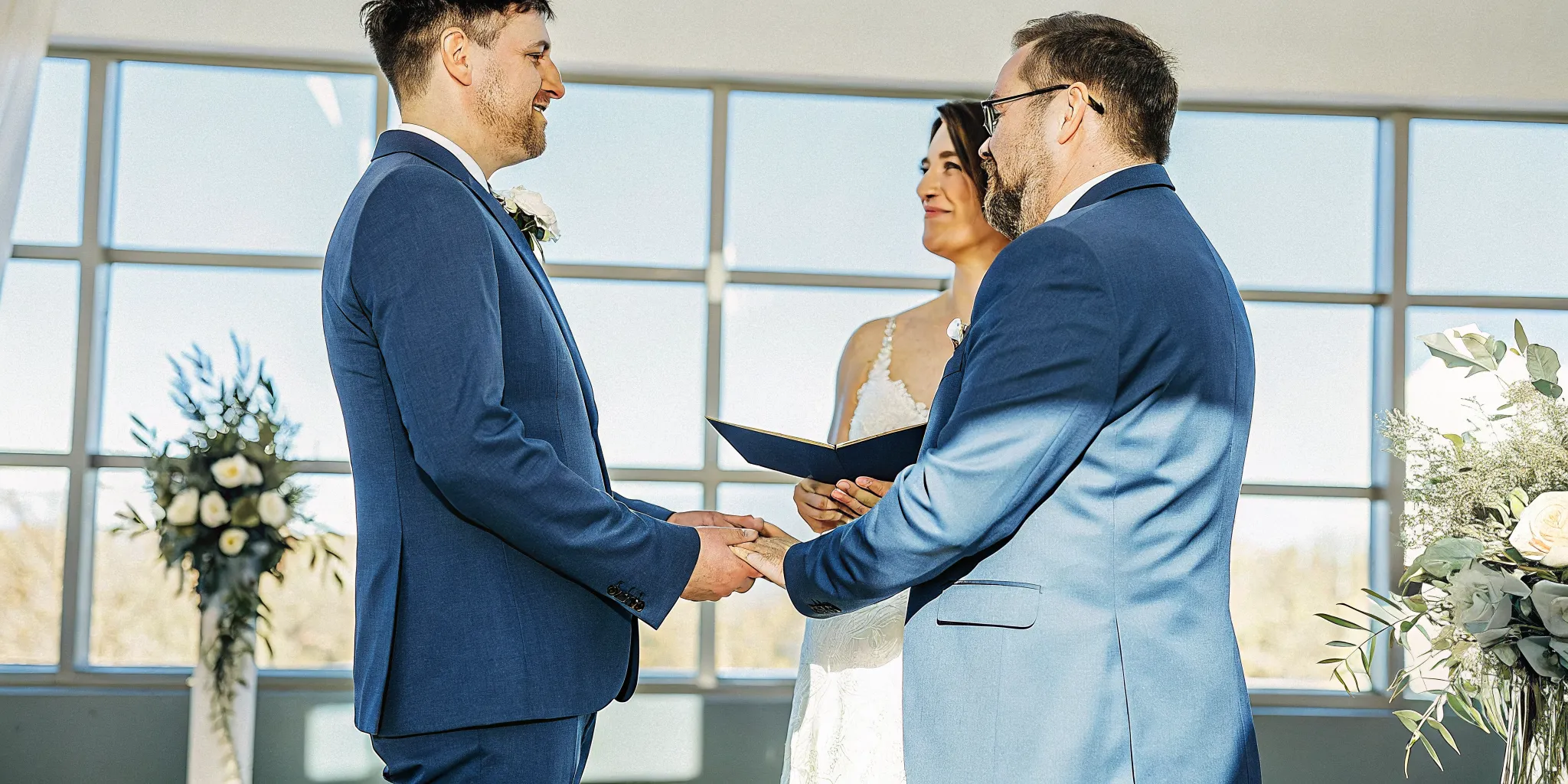
Before the rings are exchanged, create a moment of connection. Ask the couple to face each other and hold hands. This simple physical contact can calm their nerves and makes for a beautiful photo opportunity. You can say something simple like, “[Partner A], please take [Partner B]’s hands.”
Then, you’ll need to get the rings. You can turn to the Best Man or Maid of Honor and say, “May we have the rings, please?” This is a clear, polite cue. Holding this brief pause builds anticipation and ensures everyone is present for the important words to come.
Guide the Couple Through the Exchange
Clarity is your best friend here. The couple will be feeling a mix of excitement and nervousness, so give them simple, one-step instructions. The “repeat after me” format is classic for a reason: it works.
Start with the first partner. You can say, “[Partner A], please place the ring on [Partner B]’s finger and repeat after me.” Then, say the ring vow one short phrase at a time, allowing them to repeat it clearly. Once they’re done, you’ll repeat the process for the other partner. This structured approach is a core part of our wedding officiant training because it guarantees a seamless exchange.
Use Symbolic Language
This is your chance to explain the meaning behind the rings. You can do this right before the exchange begins. Keep it brief but meaningful. Talk about how the ring is a circle, a symbol of endless love and commitment.
For example, you could say, “These rings are a visible sign of your love and the promises you have made today. Their circular shape represents the unending commitment you are making to one another.” This language adds weight and beauty to the action. While you focus on the symbolic words, remember that your ordination is what gives the ceremony its legal standing.
How to End the Ceremony on a High Note
The end of the ceremony is what everyone will remember most vividly. It’s the grand finale that transitions the couple from their vows into their celebration. Your job is to make this moment feel as joyful and significant as it truly is. With a few key phrases and a confident delivery, you can wrap up the ceremony beautifully and send the newlyweds off to their reception on a wave of excitement.
Deliver a Powerful Closing Statement
Before the final pronouncement, take a moment for your closing remarks. This is your chance to leave a lasting impression on the couple and their guests. Start by thanking everyone for being there to witness such a special occasion. Then, offer a few final, heartfelt words about the couple. You could share a short blessing for their future, a piece of advice on love and partnership, or a final reflection on the commitment they’ve just made. Keep it brief but meaningful. Your tone here is everything; speak with warmth and sincerity to wrap the emotional part of the ceremony in a perfect bow. Our Code of Ethics emphasizes sincerity, and this is the perfect moment to show it.
Make the Official Pronouncement
This is the moment everyone has been waiting for. With confidence and clarity, you’ll officially declare the couple as married. The classic line is, "By the power vested in me by the state of [State], I now pronounce you married." You can adapt the wording to fit the couple’s style, but the core message is the same. The phrase "power vested in me" isn't just for show; it signifies your legal authority to perform the marriage. Make sure you understand the specific requirements by checking your local state laws. Practice this line so it comes out smoothly. Project your voice, smile, and deliver it with the gravity and joy it deserves.
Introduce the Newlyweds
After the pronouncement and the kiss, it’s time to introduce the couple to the world with their new status. This is a purely celebratory moment, so your energy should be high. With a big smile, you can say something like, "It is my honor to present to you for the first time, [Couple's new or chosen names]!" This announcement is the official starting pistol for the party. It signals to the guests that it’s time to cheer and applaud as the couple walks back down the aisle. Mastering these final cues is a key part of officiating, something we cover extensively in our wedding officiant training. Once you’ve made the introduction, step to the side and let the happy couple have their moment.
Common Mistakes to Avoid as a First-Time Officiant
Officiating your first wedding is an incredible honor, but it can also feel a little daunting. The good news is that most first-time officiant jitters come from a few common, and completely avoidable, mistakes. By knowing what to look out for, you can step up to the altar with confidence and deliver a ceremony that feels authentic, polished, and memorable for all the right reasons.
The biggest hurdles usually involve a lack of preparation, a case of nerves, or not knowing how to react when something unexpected happens. Let’s walk through how to handle each of these potential bumps in the road so you can focus on what truly matters: celebrating the happy couple. With a bit of foresight, you’ll be able to lead a beautiful ceremony that you and the couple will cherish.
Prepare and Practice
One of the most common misconceptions is underestimating the work involved. Unless the couple hands you a complete script, you’ll likely be guiding them, researching options, and piecing together the ceremony flow. Don’t wait until the last minute. Once you have the script finalized, your next step is to practice it out loud, over and over again. Read it in front of a mirror, record yourself, or run through it with a friend. This helps you find a natural rhythm, catch any tongue-twisting phrases, and make sure the timing feels right. A well-rehearsed ceremony is a smooth ceremony, and our wedding officiant training can give you the foundation you need to feel fully prepared.
Manage Your Nerves and Delivery
It’s completely normal to feel nervous before speaking in front of a crowd. The secret is to channel that energy. When you start the ceremony, take a deep breath and make eye contact with the couple. If you feel your nerves creeping in, focus on them as if it’s just the three of you in the room. Your calm and warm presence will put them at ease. It also helps to engage the guests right away with a friendly welcome. If you appear relaxed and energized, smiling and speaking clearly, the audience will reflect that energy right back at you. Remember, they are there to celebrate, and they are on your side.
Handle Unexpected Moments with Grace
Things happen. A ring gets dropped, a baby starts crying, or you might stumble over a word. The key is not to panic. Very little can actually go wrong in a way that truly matters. If you make a small mistake, just smile, correct yourself if needed, and move on. The couple and their guests will take their cues from you. If you’re relaxed and confident, they will be too. Having a solid plan helps, but so does being flexible. By maintaining your composure, you show everyone that the focus remains on the couple’s commitment. This level of professionalism is a core part of our Code of Ethics, ensuring the ceremony remains a positive and joyful experience.
Build Your Confidence Through Preparation
Feeling a little nervous? That’s completely normal. The best way to calm those jitters is to be so prepared that you can handle anything the day throws at you. Confidence isn't about being perfect; it's about knowing you've done the work and are ready to lead the couple through their ceremony with grace. When you feel prepared, you can be more present and enjoy the moment right along with them.
Think of preparation as your secret weapon. It covers everything from running a smooth rehearsal to making sure your voice is heard and all the legal boxes are checked. By taking the time to walk through the logistics beforehand, you’re not just helping yourself. You’re ensuring the couple and their guests have a seamless and beautiful experience. Let’s break down the key areas where a little planning goes a long way.
Plan Your Rehearsal and Timing
Whatever you do, don't skip the rehearsal. It’s your single best opportunity to get comfortable with the flow of the ceremony and make sure everyone in the wedding party knows their role. As the officiant, you are the best person to run it because you know the script better than anyone. Walk everyone through the processional, show them where to stand, and practice the key transitions, like the vow and ring exchanges. This is also the perfect time to get a feel for the ceremony's length, so you can give the couple an accurate timeline. A well-run rehearsal ensures everyone feels confident and ready for the main event.
Master Your Voice and Mic Technique
Your words are the heart of the ceremony, so it’s essential that everyone can hear them. Practice reading your script out loud multiple times. This helps you find a natural rhythm and catch any phrases that might trip you up. On the day of the wedding, always do a sound check. Test the microphone to make sure it’s working properly and that your voice carries throughout the venue, whether it’s an intimate indoor space or a breezy outdoor setting. Speak slowly, clearly, and with warmth. Remember to project your voice, even with a mic, to convey the joy and importance of the occasion.
Know the Legal Rules and Logistics
Beyond the romantic elements, you have a critical legal responsibility. Before the ceremony, double-check the marriage license to ensure all the information is correct and that you have a working pen for the signatures. It’s also a good idea to quietly confirm that the designated person actually has the rings. Familiarize yourself with the specific state laws for marriage to ensure every detail is handled correctly. Adhering to these legal requirements and professional standards is a fundamental part of your role and shows the couple they can trust you with this significant moment in their lives.
How to Create a Memorable Ceremony for Everyone
A truly beautiful wedding ceremony is more than just a script; it’s a shared experience. While the couple is the center of attention, their guests are the witnesses who carry the memory of this day forward. As the officiant, you are the host of this moment, guiding everyone through the celebration. Your goal is to make every person in the room feel connected to the love story unfolding before them, transforming them from simple observers into active participants in the couple's joy.
Creating an inclusive and engaging atmosphere doesn't require a huge performance. It’s about small, thoughtful actions that turn a formal event into a warm, personal gathering. When you make a conscious effort to include everyone, you honor the community that has supported the couple on their journey. This approach shows respect for the people who traveled to be there and makes the entire event feel more meaningful. By involving the guests, using humor wisely, and keeping the energy up, you can craft a ceremony that resonates with everyone. These simple techniques will help you lead a celebration that feels heartfelt and unforgettable for the couple and all their loved ones.
Encourage Guest Participation
Making guests feel like active participants rather than just spectators is key to a memorable ceremony. You can start with a simple, welcoming instruction. After the processional, once everyone is in place, remember to say, "You may be seated." This small cue prevents guests from standing awkwardly and shows that you’re mindful of their comfort. It’s a simple gesture that sets a relaxed and inclusive tone from the very beginning.
You can also find other moments to involve the guests. For example, you might ask them to offer their blessing or support for the couple with a collective, "We do!" Acknowledging parents or grandparents by name also makes the ceremony feel more intimate. These touches help everyone feel personally invested in the couple's commitment, turning the ceremony into a true community celebration. Our Code of Ethics emphasizes creating a positive and respectful environment for everyone involved.
Use Humor Thoughtfully
A little humor can go a long way in making a ceremony feel personal and joyful. It helps break the ice and showcases the couple's personality. However, it's important to use it carefully. While tasteful humor is usually okay, make sure the laughs aren't at the expense of the couple, or worse yet, just one of them. Avoid inside jokes that only a few people will understand, as this can make others feel left out.
The best approach is to share lighthearted, sweet anecdotes that highlight the couple's relationship. Always run any jokes or funny stories by the couple beforehand to make sure they’re comfortable with them. This simple check ensures the humor adds to their special day instead of causing any awkwardness. Learning how to strike the perfect balance of sincerity and lightheartedness is a skill you can develop through practice and good officiant training.
Keep the Audience Engaged
Your energy as an officiant sets the tone for the entire ceremony. To capture everyone's attention, start by engaging the guests directly. A warm, "Good afternoon, everyone!" is a great way to begin. If the response is quiet, you can playfully encourage them to make some noise for the happy couple. This simple interaction breaks the ice and immediately gets everyone involved in the celebration.
Throughout the ceremony, maintain eye contact with the audience, not just the couple. Speak clearly and with warmth in your voice, varying your tone to keep things interesting. A confident and engaging delivery makes the story you’re telling more compelling. Just as you need to know the legal requirements for the marriage to be official, you also need to command the room to make the moment feel special. Your preparation will ensure the ceremony is both legally sound and emotionally resonant.
Related Articles
- How to Become a Wedding Officiant | License, Steps & Career
- Become a Wedding Officiant: Step-by-Step Guide & Legal Tips
- 8 Steps to Become a Professional Wedding Officiant
- The Essential Wedding Officiant Checklist
- Wedding Officiant Etiquette: A Complete Guide
Frequently Asked Questions
How long should a typical wedding ceremony be? While there's no strict rule, most personalized ceremonies last between 20 and 30 minutes. This is long enough to feel significant and include personal stories, vows, and readings, but short enough to hold everyone's attention. The most important thing is to talk with the couple about what feels right for them and their guests.
What's the most important thing to remember if I'm nervous about officiating? Focus entirely on the couple. If you feel your nerves kicking in, make eye contact with them and remember why you're there: to celebrate their love story. Your role is to guide them through this moment. When you make it about them instead of your own performance, the pressure tends to fade away, allowing you to speak from the heart.
Do I really need to be ordained to legally marry a couple? Yes, in nearly all cases, you must have the legal authority to officiate a wedding, and ordination is the most common way to gain that authority. Each state has its own specific laws regarding who can solemnize a marriage, so it's essential to get ordained and understand the local requirements to ensure the union is legally binding.
How do I start writing the ceremony script from scratch? Begin with a conversation, not with writing. Sit down with the couple and ask them about their story, their shared values, and the overall feeling they want for their ceremony. Once you have that information, create a simple outline with the key parts: the welcome, their story, the vows, the ring exchange, and the pronouncement. You can then fill in each section, using their words and your notes as your guide.
What should I do right after the ceremony is over? Your most important job after the final pronouncement is to handle the marriage license. Find a quiet spot with the couple and their required witnesses to sign the document. Make sure you fill out your section accurately and legibly. Then, confirm who is responsible for filing the license with the proper county clerk's office and be certain it's done within the legal timeframe.


