



Key Takeaways
- Master the Ceremony’s Flow: An ordination script follows a classic structure, from the opening invocation to the final benediction. Understanding these key parts gives you a reliable roadmap to guide the service smoothly and ensure every significant moment is honored.
- Personalization Makes It Memorable: A template is just the starting point. The most impactful ceremonies are customized to reflect the candidate’s unique spiritual journey and faith tradition, transforming a formal rite into a heartfelt celebration.
- Preparation Ensures a Confident Delivery: Your confidence comes from doing the work beforehand. Practice your script aloud to perfect your pacing, double-check all legal and denominational requirements, and plan the logistics to create a seamless and sacred experience for everyone.
What Is an Ordination Ceremony?
So, what exactly is an ordination ceremony? Think of it as a formal, public event that recognizes and affirms an individual’s call to ministry. It’s a significant moment where a person is officially commissioned to serve their community in a spiritual capacity—whether that means officiating weddings, leading a congregation, or serving in other ministerial roles. This ceremony isn’t just a formality; it’s a meaningful rite of passage that marks the beginning of a new chapter of service.
For the person being ordained, it’s a powerful affirmation of their commitment. For the community, it’s a chance to witness this dedication and pledge their support. While the specifics can look very different depending on the faith tradition, the core purpose remains the same: to set someone apart for a special role and bless their journey ahead. It’s a beautiful tradition that honors both the individual’s calling and the community they will serve.
Understanding Its Spiritual Significance
At its heart, an ordination ceremony is a deeply spiritual event. It’s the moment you publicly declare your commitment to a path of service. The ceremony signifies that you are answering a spiritual calling to support others, whether that’s guiding a couple through their wedding vows or providing spiritual care to a wider community. It’s a formal recognition that you are being set apart for the work of ministry.
This isn’t just about receiving a title or a certificate. It’s about accepting a responsibility to serve with integrity, compassion, and faithfulness. The ceremony acts as a touchstone—a moment you can look back on throughout your ministry as a reminder of the promises you made. It solidifies your role and provides a foundation of spiritual authority for the work you are about to do. You can learn more by reading a guide to ordination to see how this applies across different traditions.
Exploring Different Types of Ceremonies
There is no one-size-fits-all script for an ordination ceremony. The rituals and traditions vary widely across different denominations and faiths, each reflecting unique theological beliefs. Some ceremonies are steeped in ancient traditions, while others are more modern and personalized. However, you’ll often find a few common threads running through them.
Many services include prayers, scripture readings, and a sermon or charge to the candidate. A central moment in many traditions is the “laying on of hands,” where other ministers or community elders place their hands on the candidate to offer a blessing. You might also see the presentation of symbolic items, like a Bible or a stole, which represent the new responsibilities. As you prepare for your own journey, it’s helpful to explore these different approaches before you apply for ordination and decide what feels most authentic to you.
The Key Parts of an Ordination Script
While every ordination ceremony has its own unique feel, most follow a traditional structure that has been passed down through generations. Think of this structure as a reliable roadmap for creating a powerful and memorable service. Each part has a specific purpose, from setting a sacred tone at the beginning to sending everyone off with a blessing at the end. Understanding these key components will help you craft a ceremony that flows beautifully and honors the significance of the moment.
This framework isn’t meant to be rigid; it’s a guide to ensure all the meaningful moments are included. You can personalize each section to reflect the candidate’s personality, their specific faith tradition, and the community they will serve. Knowing the flow—from invocation to benediction—gives you the confidence to lead the service with grace. As you prepare, remember that the script is more than just words; it’s the vessel that holds the spiritual weight of the occasion. Whether you’re writing a script from scratch or adapting a template, these are the essential building blocks you’ll want to include to create a ceremony that feels both timeless and deeply personal for everyone involved.
Opening Prayers and Invocation
This is where you set the stage for the entire ceremony. The opening prayer, or invocation, is your formal welcome to everyone present and an invitation for a divine presence to fill the space. It’s a moment to ground the congregation and focus their attention on the sacred act about to take place. The language is often formal yet heartfelt, asking for guidance and blessing upon the candidate and the service. For example, a prayer might ask for the Spirit to be poured out upon the person being ordained, preparing them for the ministry they are about to enter.
Scripture Readings and Sermon
After the opening, scripture readings provide a foundation of wisdom and tradition for the ceremony. These passages are carefully chosen to reflect the nature of ministry, service, and calling. Following the readings, a sermon or a short message connects the timeless words of scripture to the candidate’s personal journey and future work. This is an opportunity to offer encouragement, inspiration, and a charge for the path ahead. The sermon should be personal and speak directly to the candidate, reminding them of the purpose and responsibilities of their new role.
Presenting the Candidate
This is the formal moment when the person to be ordained is officially introduced to the congregation. Typically, a mentor, a senior minister, or a representative from the ordaining body will stand with the candidate and present them for ordination. This act serves as a public affirmation, declaring that the candidate has been examined, found ready, and is worthy of the ministry. It’s a simple but powerful step that signifies the community’s support and formally begins the central rites of the ceremony. This presentation bridges the candidate’s private preparation with their public commitment.
The Vows and Promises
Here, the candidate makes a public declaration of their commitments. They will be asked a series of questions about their beliefs, their calling, and their dedication to serving others. These vows are the heart of their pledge, where they promise to uphold the duties of their ministry with integrity and faithfulness. Answering these questions aloud solidifies their commitment in front of witnesses. These promises often align with a guiding Code of Ethics, ensuring they understand the responsibility that comes with their new title and role within the community.
The Laying On of Hands and Ordination Prayer
This is often the most moving part of the ceremony. The laying on of hands is an ancient tradition where other ordained ministers and community elders place their hands on the head or shoulders of the candidate. This physical act symbolizes the transfer of spiritual authority, the blessing of the community, and an impartation of grace for the work ahead. While their hands are on the candidate, a specific prayer of ordination is offered, asking for strength, wisdom, and divine guidance to be granted to the new minister.
Presenting Symbols and Certificates
Once the vows and prayers are complete, the newly ordained minister is often presented with symbols of their new office. This can include a Bible, a stole, or other items relevant to their tradition. They will also receive their official certificate of ordination, a tangible document that confirms their new legal and spiritual standing. This is also when a “charge” is given—a final set of instructions and words of encouragement to guide them as they begin their ministry. You can find many of these essential items in the AFM Store.
The Closing Benediction
To conclude the ceremony, the newly ordained minister often gives the final blessing, known as the benediction. This is their first official act in their new role and a beautiful way to mark the transition. The benediction is a short prayer of blessing for the congregation, sending them out with a message of peace, hope, and grace. It provides a sense of closure to the service and beautifully marks the beginning of the minister’s journey. It’s a powerful moment that brings the entire ceremony to a meaningful and uplifting end, leaving everyone with a sense of shared purpose.
Writing the Ordination Vows and Promises
The vows and promises are the heart of the ordination ceremony. This is the moment you publicly declare your commitment to your new role and the responsibilities that come with it. While the specific wording can vary, the core purpose is always the same: to make a solemn pledge to serve with integrity, faithfulness, and dedication. Think of this as the spiritual contract between you, your community, and your faith—a powerful exchange that solidifies your calling. Understanding these key commitments is essential, whether you’re writing your own vows or using a traditional script.
Committing to Ministry Duties
This is where you formally accept the responsibilities of your new role. Your promises will center on your commitment to uphold the core beliefs of your faith and to serve your community. You’ll likely pledge to lead by example, guide others with care, and dedicate yourself to continuous learning and spiritual growth. It’s your chance to affirm that you are ready and willing to take on the duties of a minister, guided by a strong ethical and spiritual foundation, much like the one outlined in our Code of Ethics.
Pledging Faithfulness and Service
Beyond specific duties, your vows will also include a broader pledge of lifelong faithfulness and service. This is your promise to remain dedicated to your spiritual path and to serve your community with integrity and compassion. You are committing to being a reliable spiritual guide and a source of support for those you minister to, especially the couples you’ll be joining in marriage. This pledge establishes your role as a trusted leader. Our wedding officiant training is designed to give you the tools and confidence to fulfill this promise with diligence and grace.
Sample Vows to Inspire You
Seeing an example can make writing your own vows feel much more approachable. Here is a sample vow that you can adapt or use as inspiration: “Gracious God, pour out your Spirit upon your servant [Name], whom you have called to this ministry. Grant them a spirit of truthfulness to rightly proclaim your Word and a heart of compassion to serve your people. Fill them with the gifts of your Holy Spirit to build up the community in love and faith.” This vow beautifully captures the essence of asking for divine guidance and the qualities needed to serve well. When you feel ready to make this commitment, you can apply for ordination and begin your own journey.
The Meaning Behind the Laying On of Hands
Of all the moments in an ordination ceremony, the laying on of hands is often the most powerful and moving. It’s a quiet, profound act where the spiritual weight and significance of the moment become tangible. This ancient tradition is more than just a formality; it’s a physical representation of a spiritual transition, marking the official setting apart of an individual for ministry. It connects the candidate to a long line of faith leaders who have come before them and serves as a blessing for the path ahead.
This practice is a cornerstone of the ordination service, rich with historical and biblical meaning. It’s the moment when the community, represented by the ordaining ministers, formally affirms the candidate’s calling. It symbolizes the transfer of spiritual authority and the empowerment needed to serve others. Whether you are being ordained or are leading the ceremony, understanding the depth behind this simple gesture will make the experience even more meaningful for everyone involved. It’s a beautiful, solemn act that visually and spiritually seals the commitments made during the service.
The Biblical Roots of This Tradition
The laying on of hands isn’t a recent invention; it’s one of the most central and biblical parts of an ordination. This practice has clear roots in scripture, where it was used to commission individuals for special service and to impart blessings. In the Book of Acts, the apostles laid hands on the first deacons to set them apart for their ministry. The Apostle Paul also refers to it in his letters to Timothy, reminding him of the spiritual gift he received through the laying on of hands. This tradition connects modern ordination directly to the practices of the early church, showing that the authority to minister isn’t self-proclaimed but is passed down through a community of faith.
What This Act Symbolizes
While it may look simple, the laying on of hands is packed with symbolic meaning. In the Bible, this act was less about conferring a formal job title and more about imparting a spiritual gift and blessing. It signifies the bestowing of authority, responsibility, and divine empowerment for the work of ministry. When other ministers place their hands on the candidate, they are acting as vessels for a blessing from God, asking the Holy Spirit to equip the new minister for their journey. This moment also symbolizes the support and affirmation of the community. It’s a tangible way of saying, “We recognize your calling, and we are with you,” guided by a shared Code of Ethics.
How to Perform It Correctly
The execution of this moment is typically simple and solemn. Usually, the ordination candidate kneels as a sign of humility and submission to their calling. Then, the ordaining ministers, elders, or mentors who are present will come forward and gently place their hands on the candidate’s head or shoulders. This physical connection is held while a dedicated ordination prayer is spoken aloud. The prayer is key. It specifically asks God to fill the candidate with the Holy Spirit, granting them the wisdom, grace, and strength needed for their ministry. If you’re new to this, our wedding officiant training can help you become more comfortable with the ceremonial elements of ministry. The focus should always be on the spiritual significance of the act, creating a sacred space for the candidate to receive their blessing.
Your Complete Ordination Ceremony Script Template
Putting all the pieces together can feel like a puzzle, but a template gives you a solid framework to build upon. Think of this as your starting point—a script you can personalize to reflect the candidate, the community, and your specific tradition. The goal is to create a service that is both sacred and deeply personal. Remember, your confidence and sincerity are what will truly make the ceremony shine. This template walks you through each part of the service, offering language and structure to guide you from the opening words to the final blessing.
The Opening: Welcome and Invocation
Start the ceremony by welcoming everyone and setting a sacred tone. This is your chance to gather everyone’s attention and focus their hearts on the purpose of the gathering. After a brief welcome, you’ll move into the invocation—a prayer calling upon a higher power to be present and bless the service. It’s a beautiful way to begin. For example, you could say something like, “Gracious God, pour out your Spirit upon your servant [Candidate’s Name], whom you have called to this sacred work. Grant them the same mind that was in Christ Jesus.” This officially opens the ceremony and invites a spiritual presence into the space, preparing everyone for the significant moments to follow.
Sample Scripture Readings and Sermon Points
Grounding the ceremony in scripture adds depth and historical context. Many passages are perfect for an ordination, such as 2 Corinthians 4, which speaks of ministry as a treasure, or 1 Timothy 3:1-7, which outlines the qualities of a spiritual leader. After the reading, a short sermon or message is typically given. This isn’t a long speech; it’s a focused reflection on the meaning of the scripture and its connection to the candidate’s calling. You can share a personal story about the candidate or offer words of encouragement for their journey ahead. Our wedding officiant training can help you develop the skills to craft and deliver a message that resonates with everyone present.
Presenting and Examining the Candidate
This is the formal part of the ceremony where the candidate is officially presented for ordination. Typically, a representative from the ordaining body or a mentor will present the candidate to the congregation, affirming that they have met all the necessary requirements. Following the presentation, the candidate is asked a series of questions to publicly confirm their beliefs and commitment. This examination isn’t a test but a public declaration of their readiness and willingness to accept the responsibilities of ministry. It’s a powerful moment of transition, marking their formal step into a new role within their faith community.
Example Vows and Commitments
The vows are the heart of the ordination ceremony. Here, the candidate makes sacred promises before their community and God. These commitments are serious and meaningful, outlining their dedication to their new path. The vows typically include a promise to uphold the teachings of their faith, to serve the community with integrity, and to live a life that reflects their calling. For instance, the candidate might be asked, “Do you believe you are called by God and the church to this ministry?” and “Do you promise to preach the gospel and serve the people with love and compassion?” These vows are a public acceptance of the duties they are about to undertake, guided by a strong code of ethics.
Sample Prayers and Blessings
After the vows, the community offers prayers and blessings for the newly ordained minister. This is often when the “laying on of hands” occurs, where other ordained ministers and community elders place their hands on the candidate’s shoulders. It’s a deeply moving symbol of support, empowerment, and the transfer of spiritual authority. A specific prayer is said during this time, asking for the Holy Spirit to fill the candidate with wisdom, strength, and grace for the ministry ahead. This collective act of blessing reinforces that the new minister is not alone but is supported and uplifted by their entire community as they begin their service.
The Closing: Benediction and Dismissal
To conclude the ceremony, the newly ordained minister often gives their first official blessing, known as the benediction. This is a beautiful, full-circle moment where they immediately step into their new role, offering a prayer of peace and grace over the congregation that just witnessed their ordination. Following the benediction, you will formally dismiss the attendees, often with an invitation to celebrate with the new minister. It’s a joyful and hopeful ending to a significant spiritual milestone, sending everyone off with a sense of peace and purpose. It’s also a great time to present the new minister with their official certificate, which they can display in a frame from our AFM Store.
How to Customize Your Script for Different Faiths
One of the most important parts of your role as an officiant is tailoring the ordination ceremony to reflect the specific faith, tradition, and personality of the person being ordained. While many ceremonies share a common structure, the details are what make the service truly meaningful. Think of a basic script as your foundation—your job is to build a beautiful, personalized service on top of it. This is where you get to honor the candidate’s unique spiritual path and the community that has supported them along the way.
Customizing a script requires thoughtfulness and respect for the traditions you’re working with. It’s a good idea to talk with the candidate and key members of their community to understand what elements are most important to them. Do they have specific prayers, readings, or rituals they want to include? This collaborative approach ensures the ceremony feels authentic and deeply resonant for everyone involved. Remember, your goal is to facilitate a sacred moment that honors both the individual’s calling and their spiritual heritage. Adhering to a professional code of ethics will guide you in serving with integrity and respect.
Adapting for Protestant Traditions
Most Protestant ordination ceremonies follow a similar flow, though specific details can vary by denomination. The service is centered on God’s call, the candidate’s commitment, and the community’s affirmation. A typical outline includes a welcome and opening prayer, scripture readings, a sermon focused on ministry, and the presentation of the candidate. This is followed by the candidate’s vows, the laying on of hands by other ministers or elders, and the official declaration of ordination. Often, the newly ordained minister is presented with symbols of their new role, like a Bible or a stole, before giving a final blessing to the congregation.
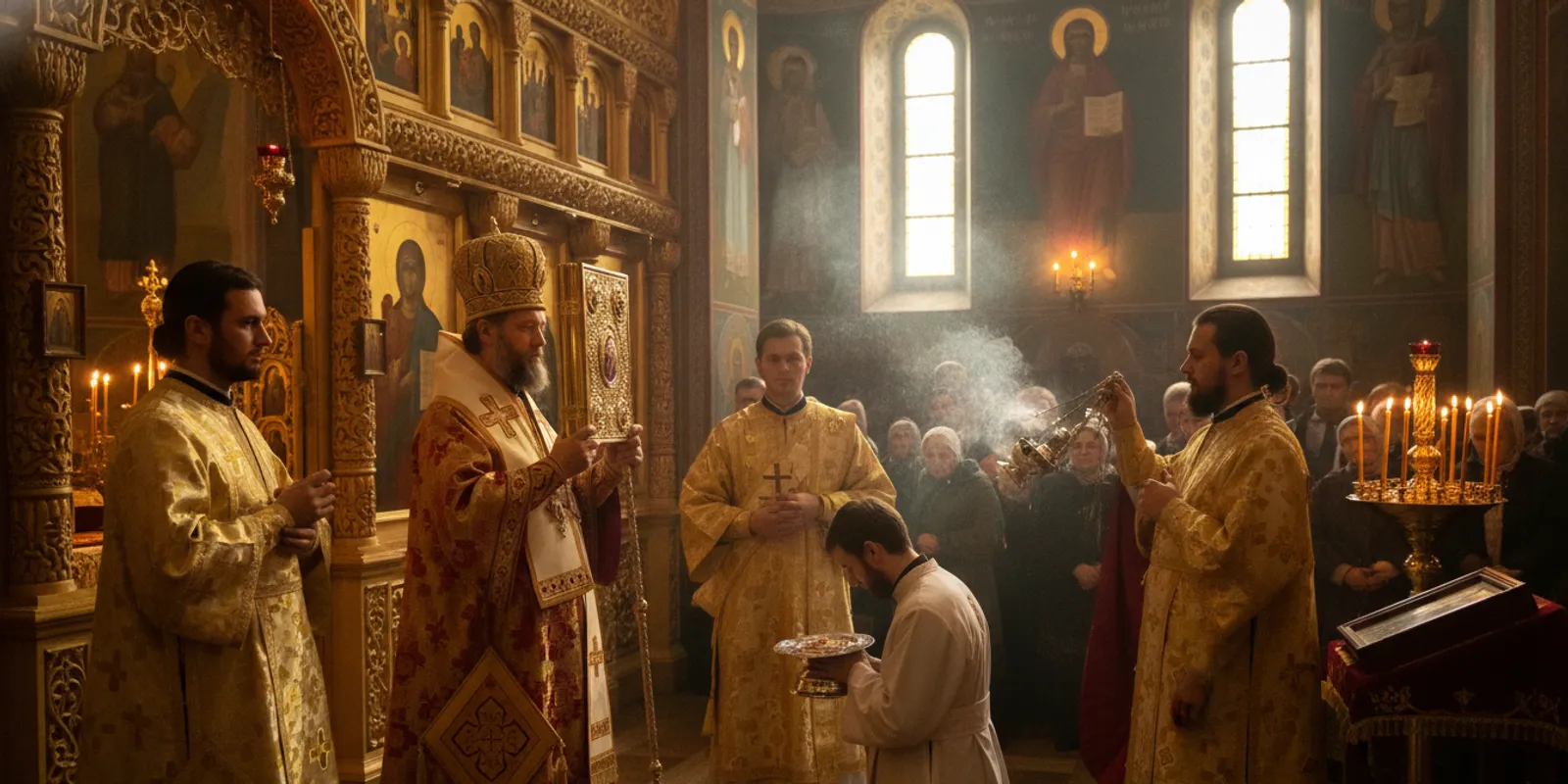
Notes on Catholic and Orthodox Ceremonies
It’s helpful to understand that ordination practices in Catholic and Orthodox traditions are quite different. In these churches, ordination is a sacrament deeply tied to a hierarchical structure and apostolic succession, and it can only be performed by a bishop. The rites are ancient, specific, and unchangeable. As an officiant ordained through a ministry like ours, you would not be called upon to lead these ceremonies. Knowing this distinction is important for respecting the diverse practices across different Christian traditions and understanding the specific context of your own role as a minister or officiant.
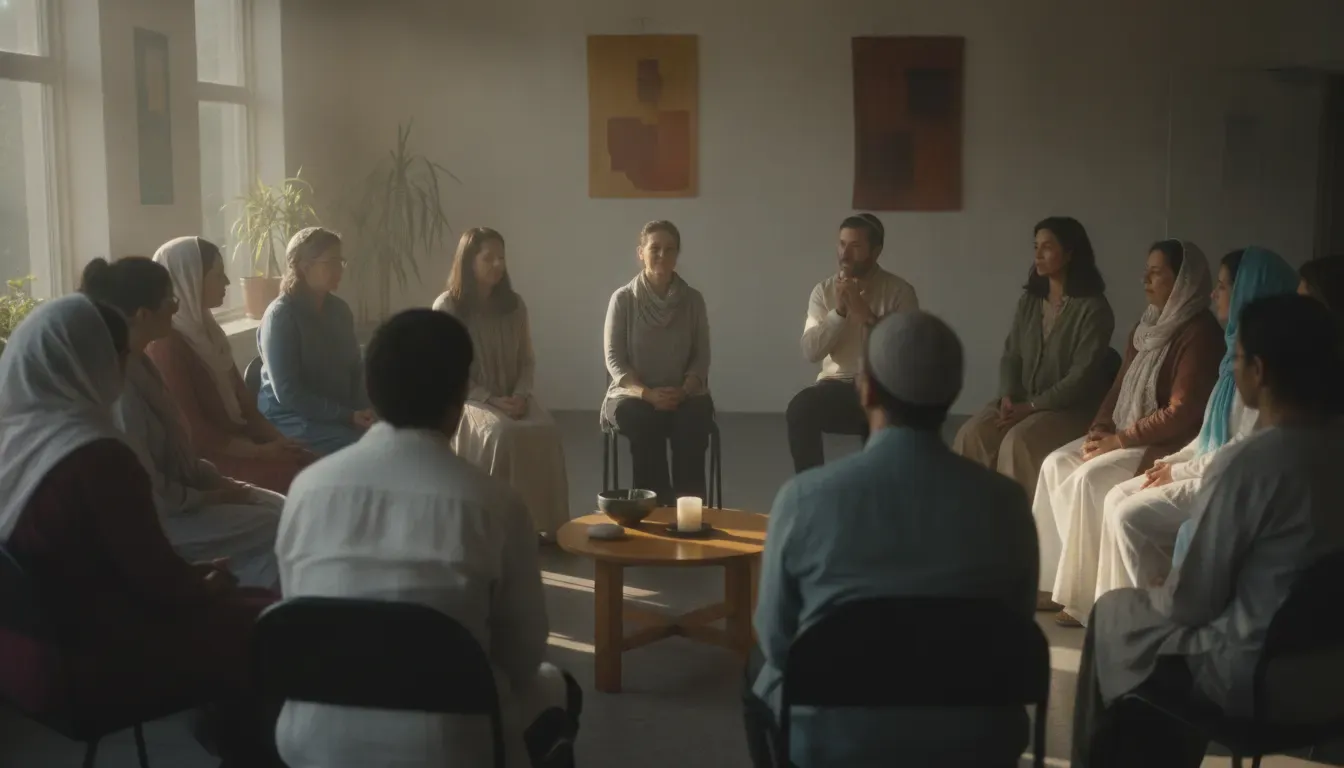
Crafting a Non-Denominational or Interfaith Service
Writing a script for a non-denominational or interfaith ceremony can feel like a big task, but it’s also a wonderful opportunity for creativity. This is where you can truly co-create a service that is unique to the candidate. Start by focusing on universal themes of service, spiritual calling, and community. Work closely with the person being ordained to select readings, music, and rituals that resonate with their personal beliefs. You might draw inspiration from various spiritual texts, poetry, or personal stories. The skills you develop in our wedding officiant training are perfectly suited for crafting these kinds of personalized, heartfelt ceremonies.
Common Questions for New Officiants
Stepping into the role of an officiant is an incredible honor, but it’s completely normal to have a few butterflies. You’re guiding people through a major life moment, and you want to do it well. Below are answers to some of the most common questions new officiants have, with practical tips to help you lead a beautiful and memorable ceremony.
How to Speak with Confidence
If the thought of public speaking makes your palms sweat, you are not alone. The key to confidence is preparation. It all starts with a well-crafted ceremony script that you feel connected to. Once you have your script, practice reading it aloud until the words feel natural. Time yourself, record yourself, or practice in front of a friend. On the day of the ceremony, remember to focus on the people you are honoring. Your role is to facilitate a meaningful moment for them. When you shift the focus from your performance to their experience, it becomes much easier to speak from the heart. Our wedding officiant training can also give you the tools you need to prepare and deliver a flawless ceremony.
Mastering the Ceremony’s Flow
A great ceremony feels seamless, guiding everyone from one moment to the next without awkward pauses. The best way to achieve this is by creating a detailed outline or cue sheet for yourself—this is your roadmap for the service. Before the ceremony begins, connect with any other participants, like musicians or readers, to confirm cues. You can also use simple transitional phrases to move between sections, such as, “And now, the couple will share their vows.” Every ceremony is a learning experience. Handling unexpected moments with grace is part of upholding a professional code of ethics.
Pacing the Service Perfectly
The right pacing is crucial for keeping your audience engaged and honoring the occasion. The biggest mistake new officiants make is rushing through the script because of nerves. Remember to breathe. Speak slowly and clearly, and don’t be afraid of silence. A well-placed pause can add emphasis and give everyone a moment to absorb what’s happening. Vary your vocal tone to convey the emotion of the words you’re speaking. It’s also important to be aware of any specific wording required by state laws for a wedding ceremony, as these are moments you’ll want to deliver with absolute clarity.
How to Plan a Memorable Ordination Service
An ordination is more than just a formal recognition—it’s a deeply personal and spiritual milestone. While having a solid script is essential, the overall planning of the service is what brings it to life. A thoughtfully organized ceremony honors the candidate, engages the community, and creates a truly sacred space for this important transition. It’s about making sure the logistics are so smooth that everyone can focus on the meaning of the moment. By thinking through the details ahead of time, you can ensure the service is both beautiful and impactful for everyone involved.
Your Pre-Ceremony Checklist
Getting the details right starts with a good plan. To keep things running smoothly, consider designating a coordinator—someone other than the candidate—to manage the logistics. This frees up the person being ordained to be fully present. While the coordinator handles the moving parts, the candidate should absolutely be involved in the personal touches. Ask for their input on hymns, special music, and who they’d like to speak. This collaboration ensures the service feels authentic and meaningful. Before any planning begins, the first step is always to apply for ordination to ensure all legal and spiritual requirements are met.
Creating a Sacred Atmosphere
An ordination service should feel special, yet familiar. Think of it as a regular worship service, but with a unique focus. Incorporate the elements your community knows and loves, like congregational singing, prayer, scripture readings, and a heartfelt sermon. The central moment, of course, is the “laying on of hands.” This powerful, ancient tradition symbolizes the blessing and spiritual authority being passed to the new minister. It’s a quiet, profound act that visually represents the spiritual weight of the commitment being made. Upholding this sacredness is a core part of an officiant’s responsibility, as outlined in our code of ethics.
How to Involve the Congregation
Ordination is a community event. It’s not just the candidate making a promise; it’s also the congregation committing to support them. A great way to formalize this is by including a “Charge to the Church.” This is a moment where a speaker addresses the congregation directly, reminding them of their role in encouraging and upholding their new minister. To bring the ceremony full circle, have the newly ordained minister give the final blessing, or benediction. This is a beautiful way for them to step immediately into their new role, serving the community that has just affirmed their calling. This kind of hands-on experience is exactly what our wedding officiant training prepares you for.
Common Mistakes to Avoid
Crafting a beautiful ordination script is a huge accomplishment, but the delivery is just as important. Even the most thoughtful words can lose their impact if the ceremony feels rushed or impersonal. As you prepare for the big day, keep an eye out for a few common pitfalls. Steering clear of these simple mistakes will ensure the service is as meaningful and memorable as it deserves to be. By focusing on pacing, preparation, and personalization, you can create a truly sacred experience for the candidate and everyone in attendance.
Don’t Rush the Sacred Moments
It’s completely normal to feel a little nervous, but don’t let those nerves make you speed through the ceremony. An ordination is a profound moment in someone’s life, and it’s your job to give each part of the service the space it needs to breathe. When you get to a significant moment, like the vows or the laying on of hands, take a deliberate pause. Let the weight of the commitment settle in the room. Remember, silence can be powerful. Allowing these sacred moments to unfold naturally helps everyone present fully appreciate the spiritual significance of the occasion. Proper officiant training can help you master the art of pacing.
Double-Check Legal and Denominational Rules
Becoming an ordained minister comes with both spiritual and legal responsibilities. Before the ceremony, it’s crucial to confirm you’re following all the necessary guidelines. This includes understanding any state-specific requirements that might apply to the ordination itself. Additionally, be sure you are familiar with the rules and expectations of the ordaining organization. Adhering to these protocols ensures the ordination is valid and honors the tradition you represent. At All Faith Ministry, we ask all our ministers to uphold our code of ethics to maintain the integrity of their role and the ceremonies they perform. Taking a few moments to double-check these details shows respect for the process and the person being ordained.
Remember to Personalize the Ceremony
A script is a fantastic starting point, but it shouldn’t be a rigid set of rules. The most memorable ordination ceremonies are the ones that feel authentic to the person at the center of them. Take the time to learn about the candidate’s unique journey, their calling, and what this ministry means to them. Weave these personal details into the sermon, the presentation of the candidate, or even the prayers. This personal touch transforms the service from a formal procedure into a heartfelt celebration of their unique path. It shows you see them not just as a candidate, but as an individual beginning the next chapter of their spiritual journey.