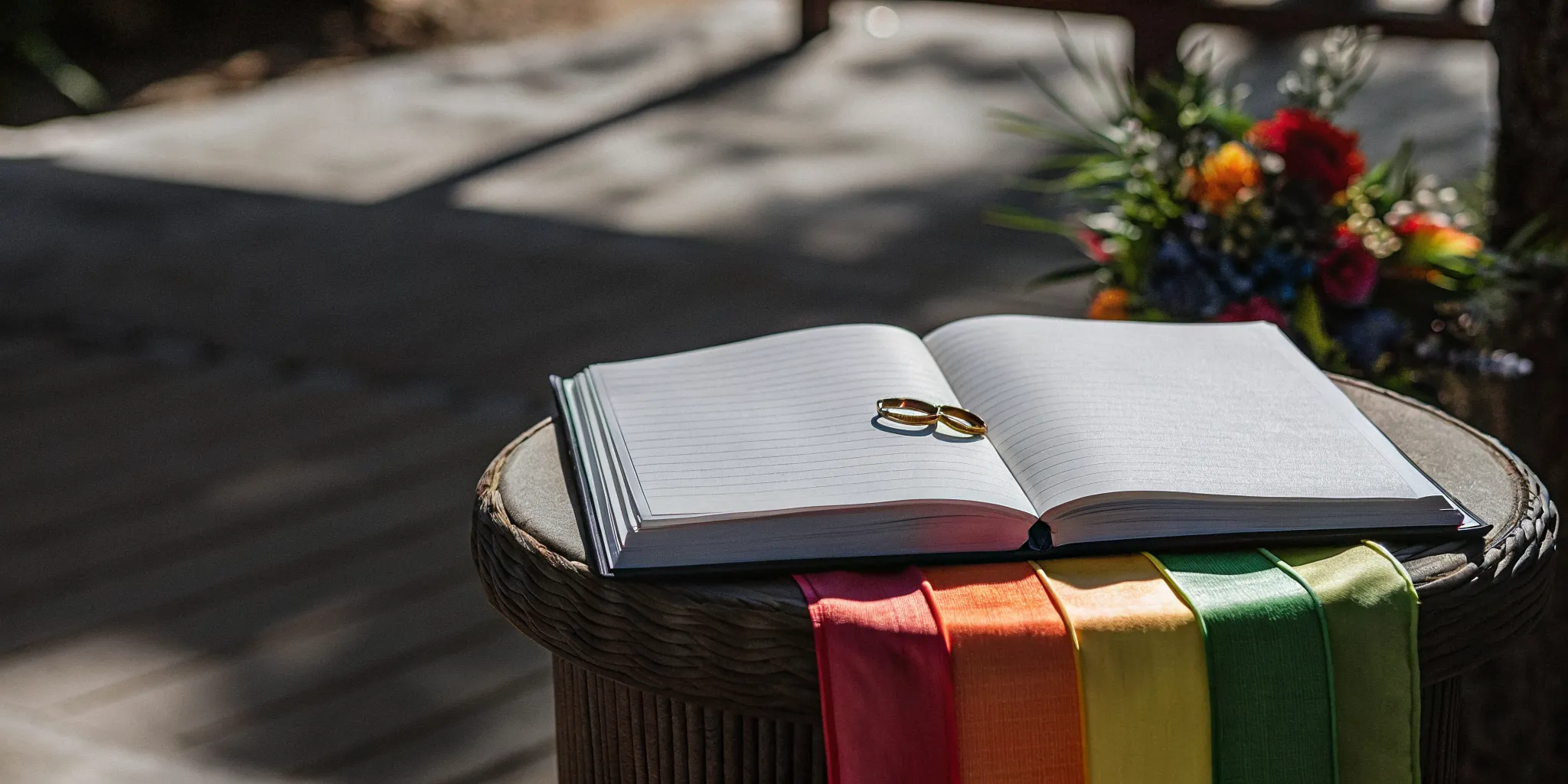

So, you’ve been asked to officiate a wedding for a same-sex or queer couple. You’re excited, but when you start looking for script examples, you find that most are built around outdated, heteronormative language. It can feel overwhelming to start from scratch, but it doesn’t have to be. Creating a ceremony that is both meaningful and legally sound is entirely achievable when you have the right framework. Think of this as your roadmap. We’ll walk you through the building blocks of a modern, inclusive lgbtq wedding ceremony script, helping you craft a celebration that is a perfect reflection of the couple’s unique partnership.
Key Takeaways
- Build the script around their story: A truly great ceremony goes beyond a standard template. Collaborate with the couple to include personal details, inside jokes, and meaningful moments that make the script a genuine reflection of their unique relationship.
- Commit to inclusive language: Creating a welcoming space means more than just using gender-neutral terms. Ask for pronouns, avoid heteronormative phrases, and use language that honors the couple's specific identities and journey together.
- Confirm the legal requirements: Before you focus on the creative details, make sure you understand the local marriage laws. Confirming what needs to be said and done to make the union official is a non-negotiable part of your role as an officiant.
What Makes an LGBTQ+ Wedding Script Unique?
Every wedding script should be a personal reflection of the couple, but an LGBTQ+ ceremony script offers a special chance to create something truly authentic from the ground up. For many couples, the path to their wedding day has been a unique journey of love, resilience, and self-discovery. As an officiant, your role is to help them craft a ceremony that honors every part of their story.
This isn’t just about swapping out a few words; it’s about rethinking the entire structure to build a celebration that feels true to them. You get to move beyond outdated traditions, celebrate their specific journey, and create a welcoming space for everyone present. By focusing on these key areas, you can write a script that is not only beautiful but also deeply meaningful.
Move Beyond Traditional Gender Roles
Many traditional wedding ceremonies are built around specific roles for a "bride" and a "groom." LGBTQ+ weddings beautifully dismantle these expectations, giving you and the couple complete freedom to design a ceremony that reflects their partnership as equals. There’s a common misconception that LGBTQ+ weddings must still assign one person the "bride" role and the other the "groom" role, but that simply isn't true.
Instead of asking "who gives the bride away?" you can create a moment where both partners walk down the aisle together, or with people who have supported them. You can forget the rigid rules about who speaks first or who stands on which side. This flexibility allows you to craft a ceremony that is a genuine expression of the couple's identity and their dynamic relationship.
Celebrate Their Authentic Love Story
An LGBTQ+ wedding script should be a heartfelt celebration of the couple’s one-of-a-kind love story. Personalizing the ceremony with unique vows and rituals makes the day more memorable and authentically reflects their journey together. For many couples, this journey may have included overcoming obstacles or finding profound acceptance, and the ceremony is a powerful place to acknowledge that strength.
As their officiant, you can help them tell their story. Ask them about how they met, the moments that defined their relationship, and their dreams for the future. Weaving these personal details into the script makes the ceremony feel intimate and real. Our wedding officiant training covers how to collaborate with couples to draw out these beautiful stories and turn them into a ceremony they’ll cherish forever.
Address Common Misconceptions
It’s important to recognize that while love is a universal experience, the journey for an LGBTQ+ couple is often different from that of a heterosexual couple. A common misconception is that there is no difference between LGBTQ+ weddings and cishet weddings. Gently acknowledging these differences in the script can create a more inclusive and understanding atmosphere for all the guests.
This doesn’t mean you need to give a history lesson. It can be as simple as including a line in the welcome that thanks the guests for their love and support, which has been essential to the couple’s journey. By using thoughtful and affirming language, you validate the couple's experience and create a safe, celebratory space. This approach aligns with our Code of Ethics, which emphasizes creating ceremonies filled with respect and dignity for all.
The Building Blocks of an Inclusive Script
Every wedding ceremony follows a familiar flow, which is great news for you as an officiant. It means you have a reliable framework to build upon. Think of these components as the essential building blocks for creating a ceremony that feels both timeless and deeply personal. You’ll start by welcoming everyone, share some meaningful words, guide the couple through their vows and ring exchange, and finish with the official pronouncement.
The magic happens in how you customize each of these parts to reflect the couple's unique relationship. This structure isn’t rigid; it’s a flexible outline waiting to be filled with their story, their values, and their love. Your role is to use these building blocks to construct a ceremony that honors their commitment in a way that feels authentic to them. By focusing on these key moments, you can ensure the ceremony is coherent, heartfelt, and memorable for everyone involved. Our wedding officiant training can help you master the art of weaving personal stories into this classic structure.
Processional and Welcome
The ceremony begins the moment the processional starts, but your welcome is what officially kicks things off. This is your first opportunity to set a warm, inclusive tone that makes every single guest feel comfortable and celebrated. A simple, heartfelt greeting is all you need. You could say something like, "Welcome, family and friends. We are gathered here today to celebrate the love and commitment of [Partner 1] and [Partner 2]." This language is universal and immediately centers the ceremony on the couple and the community of people who have come to support them.
Readings and Declarations
Readings are a wonderful way to infuse the couple’s personality and values into the ceremony. This is a great spot to invite a friend or family member to participate, making the moment even more special. The readings can come from anywhere: poetry, literature, song lyrics, or even a personal piece written just for the occasion. The goal is to choose passages that resonate with the couple’s journey and their definition of love. This part of the ceremony helps tell their story and share what commitment means to them, adding depth and emotional resonance to the celebration.
Vows and Ring Exchange
This is the heart of the ceremony. The vows are the promises the couple makes to each other, the foundation upon which they will build their future. You can introduce this moment by offering a simple definition of marriage, such as, "Marriage is a promise between two people who love, trust, and honor each other." Following the vows, the ring exchange provides a tangible symbol of their commitment. As they exchange rings, you can explain that the circles represent their unending love and the promises they’ve just made, creating a powerful and visually symbolic moment.
Pronouncement and Recessional
The pronouncement is the grand finale, the moment everyone has been waiting for. This is when you officially declare the couple as married. Work with them beforehand to choose language that feels right. Instead of traditional phrases, you might say, "You are now spouses for life!" or "I now pronounce you married!" Following this joyful declaration, the couple shares their first kiss as a married pair. The recessional immediately follows, as the happy couple walks back down the aisle, celebrating the start of their new life together. Remember to check your state’s marriage laws to ensure your pronouncement covers all legal requirements.
How to Personalize an LGBTQ+ Wedding Script
A generic script just won’t do. The most memorable wedding ceremonies are the ones that feel deeply personal and true to the couple standing up front. For LGBTQ+ couples, this is especially important. Personalization is your chance to honor their specific journey, celebrate their love in its purest form, and create a moment that reflects who they are, both as individuals and as a partnership.
Think of a standard wedding script as a basic blueprint. Your job as the officiant is to work with the couple to build something beautiful and unique upon that foundation. By weaving in their story, helping them craft meaningful vows, and incorporating rituals that resonate with them, you can create a ceremony that everyone will remember for all the right reasons. It’s about making the day undeniably theirs.
Incorporate Their Unique Love Story
Every couple has a story, and it’s the officiant’s privilege to tell it. The best way to personalize a ceremony is to fill it with the details of their relationship. Ask them how they met, what their first date was like, and when they knew they had found their person. What challenges have they faced together? What are their favorite memories? Weaving these personal anecdotes into the welcome, the address, and even the closing remarks makes the ceremony come alive. It connects the guests to the moment and reminds everyone why they’ve gathered to celebrate. Learning how to draw out these details is a key part of our wedding officiant training.
Write Vows That Reflect Their Journey
Vows are the heart of the ceremony, and they offer a powerful opportunity for personalization. Encourage the couple to write their own promises rather than relying on traditional, pre-written lines. This allows them to speak from the heart and define their commitment in their own words. You can help by providing prompts, such as asking them to reflect on what they love most about each other or what promises they want to make for their future. For many LGBTQ+ couples, this is a chance to voice a commitment that is authentic to their experience, free from language that doesn’t fit their relationship. The result is always more moving and genuine.
Add Meaningful Rituals and Traditions
Rituals add a beautiful, symbolic layer to a wedding ceremony. While some couples might love traditional unity ceremonies like lighting a candle or pouring sand, others may want something completely different. Talk to them about what feels right. Maybe it’s a handfasting ceremony to symbolize their binding union, a tree-planting ritual to represent their growing love, or even sharing a favorite drink. There are no rules here. The goal is to find a symbolic act that reflects their values and their story. You can find supplies for many popular rituals, like handfasting cords, in the AFM Store to help bring their vision to life.
How to Use Inclusive Language in Your Ceremony
The words you choose for a wedding ceremony have the power to create a space of love, respect, and celebration. For an LGBTQ+ couple, using inclusive language isn't just a nice touch; it's a fundamental part of honoring their relationship and their identities. Your script should reflect who they are, both as individuals and as a couple. This means being mindful of everything from pronouns to the stories you tell. By focusing on language that is affirming and welcoming, you ensure the ceremony feels authentic and joyous for the couple and every single guest in attendance. It’s a core part of your responsibility as an officiant and a beautiful way to show your support.
Use Gender-Neutral Terms and Pronouns
One of the simplest yet most impactful ways to create an inclusive script is by using gender-neutral language. Instead of "bride and groom," you can use terms like "the couple," "the spouses," or "the partners." When you first meet with the couple, make it a standard practice to ask for their pronouns and how they’d like to be referred to during the ceremony. This simple question shows respect and ensures you get it right on the big day. This practice aligns with our Code of Ethics, which emphasizes honoring each individual. Remember to apply this to the wedding party as well, using terms like "wedding party" or "attendants" instead of "bridesmaids" and "groomsmen" unless you know the couple prefers those titles.
Avoid Heteronormative Language
Many traditional wedding scripts are filled with language that assumes a heterosexual relationship. Your job is to identify and replace these phrases to better fit the couple you’re celebrating. For example, instead of the classic "I now pronounce you husband and wife," you could say, "I now pronounce you married" or "I now pronounce you partners for life." The language you use should feel welcoming to the couple and all their guests. Our wedding officiant training covers how to adapt traditional elements for modern ceremonies, ensuring every script feels both personal and professional. Small changes like these make a huge difference in creating a ceremony that truly reflects the couple's unique bond.
Make Every Guest Feel Welcome
Inclusivity extends beyond the couple to everyone who has gathered to celebrate with them. Every love story is special, so every wedding ceremony should feel unique and personal. A great way to do this is by sharing a short, personal story about the couple in your welcome message. Maybe it’s a sweet anecdote about how they met or a funny story about a shared experience. This simple touch helps build a sense of community and connection among all the guests, making them feel like active participants rather than just spectators. It transforms the ceremony from a formal event into a heartfelt celebration of a love story they all get to be a part of.
Choosing Readings for an LGBTQ+ Ceremony
Readings are the heart of the ceremony, offering a chance to bring in outside voices that echo the couple's feelings. It’s a beautiful way to add depth and personality to the script. As the officiant, you can guide the couple in selecting passages that truly represent their relationship, whether they come from literature, poetry, or even movie scripts. These selections can be read by you, a close friend, or a family member, making the moment even more special.
The key is to find words that feel true to the couple, moving beyond generic sentiments to something that speaks directly to their unique bond. This is where you can help them explore options that celebrate love in its many forms, ensuring the ceremony feels both personal and profound. A well-chosen reading can set the tone for the entire event, creating a space of warmth, reflection, and joy for everyone present. Your role is to help them find the words that make their hearts sing.
Find Poetry That Celebrates All Love
Encourage the couple to look for poetry that speaks to the universal experience of love without being confined by traditional language. While many classic poems are beautiful, contemporary poets often offer a more inclusive perspective. You can suggest exploring works that focus on partnership, mutual respect, and the simple joy of finding your person. Resources like the Poetry Foundation have extensive collections that can be searched by theme. Remind the couple that the right poem doesn't have to be explicitly about weddings; it just has to feel right to them and their story.
Highlight LGBTQ+ Authors and Voices
Including readings from LGBTQ+ authors is a powerful way to honor the community and add a meaningful layer of representation to the ceremony. It’s a nod to the writers and thinkers who have beautifully articulated the queer experience of love and commitment. You can suggest works from icons like Audre Lorde or James Baldwin, or contemporary voices whose words resonate with the couple. This choice makes a statement that their love is part of a rich and resilient history. A great list of queer love poems can be a wonderful starting point for finding the perfect passage.
Include Personal Letters and Blessings
For a truly personal touch, nothing compares to including the couple's own words. This could involve reading letters they've written to each other, sharing excerpts from early emails, or having a close friend or family member read a personal blessing they’ve prepared. As the officiant, you can help them decide where this fits best within the ceremony's flow. This moment creates a deeply intimate and unforgettable experience for both the couple and their guests. It’s a beautiful way to share their story in their own voices, making the ceremony a true reflection of their journey together.
Add Meaningful Rituals to the Ceremony
Beyond the vows and rings, rituals are a powerful way to show the couple’s union in a tangible, visual way. For many LGBTQ+ couples, this is a wonderful opportunity to choose traditions that feel authentic to their relationship, whether that means adapting an old custom or creating something entirely new. As their officiant, you can help them find a ritual that adds a deeply personal layer to their ceremony, creating a moment that everyone will remember.
Unity Sand and Handfasting
Unity ceremonies are a beautiful way to symbolize two lives becoming one, and they are incredibly easy to adapt for any couple. In a unity sand ceremony, each partner pours a different colored sand into a single vessel, creating a unique pattern that represents their combined life. Handfasting is another popular option with ancient roots, where you gently wrap a cord or ribbon around the couple’s joined hands to symbolize their binding commitment. Both rituals are visually striking and create a lasting keepsake, like the sand vessel or the handfasting cord, that the couple can display in their home.
Honor Cultural and Spiritual Traditions
Encourage your couple to explore their cultural and spiritual backgrounds for meaningful traditions they might want to include. This is a chance for them to honor their heritage in a way that feels true to them. They might choose to break a glass, perform a tea ceremony, or include a specific blessing or reading that connects to their roots. Your role is to help them weave these elements into the ceremony respectfully and seamlessly. By doing so, you help them create a celebration that not only reflects their love for each other but also honors the families and histories that shaped them. Our code of ethics guides officiants in honoring every couple's unique beliefs with integrity.
Create New Traditions Together
Some of the most memorable ceremonies feature rituals that are completely unique to the couple. This is where you can get creative and help them design a tradition from scratch. Brainstorm ideas based on their love story. Did they meet at a coffee shop? They could do a "unity coffee" pour. Do they love to travel? Perhaps they could place pins on a map to mark their past adventures and their future home. This is also a great way to involve their "honor crew" or chosen family. Our wedding officiant training covers how to guide couples through this creative process, helping them establish a new tradition that they can cherish for years to come.
How to Handle Common Challenges
As an officiant, your role goes beyond simply reading a script. You're a guide and a source of support for the couple on one of the most important days of their lives. For LGBTQ+ couples, this support can be especially meaningful. They may face unique hurdles, from dealing with unsupportive family members to simply feeling unseen by an industry built on heteronormative traditions. The journey to the altar can be "fraught with emotional and logistical challenges," and your job is to be their advocate, creating a ceremony space where they feel completely safe, celebrated, and understood.
Approaching these situations with empathy and preparation will make all the difference. It’s about anticipating potential issues and working with the couple to address them head-on. By being a proactive and affirming presence, you can help the couple manage external pressures so they can focus on what truly matters: their love and commitment to each other. This is your chance to show up for them in a powerful way, ensuring their wedding day is filled with nothing but joy. Think of yourself as the calm center of their celebration, helping to smooth over any bumps so their love story can shine. You're not just a service provider; you're a trusted partner in creating a day that authentically reflects who they are, both as individuals and as a couple.
Find the Right Inclusive Language
Using the right words is one of the most fundamental ways to show respect. The language in an LGBTQ+ wedding ceremony should be welcoming not just for the couple, but for every guest in attendance. This means moving beyond simply swapping "bride and groom" for gender-neutral terms. It's about listening to the couple and using the specific language that reflects their identities and their relationship. Ask them directly about their pronouns and the titles they use for each other. This simple act of asking shows you care and are committed to getting it right. Our Code of Ethics is built on this principle of honoring every individual's dignity.
Support the Couple with Family Dynamics
Weddings can bring complicated family dynamics to the surface, and this is often amplified for LGBTQ+ couples. They may be "balancing their cultural or religious backgrounds with their identities," which can create tension with relatives who may not be fully supportive. As their officiant, you can be a steady, grounding presence. Listen to their concerns without judgment. You can help them structure the ceremony in a way that feels safe and authentic, perhaps by giving certain family members non-speaking roles or by carefully wording parts of the ceremony to focus on universal themes of love and family, rather than specific traditions that might feel exclusionary.
Set Clear Expectations for Guests
Sometimes, the biggest challenge for queer couples is "dealing with vendors who don't have queerness in mind," and the same can be true for guests. Some attendees may not have been to an LGBTQ+ wedding before and might not know what to expect. You can help the couple by setting a clear, celebratory, and inclusive tone right from the start of the ceremony. Your welcome message is a powerful tool. Use it to remind everyone that they are there to witness and support a beautiful commitment between two people. This simple framing can guide guest behavior and create a more unified, positive atmosphere. Our wedding officiant training offers practical guidance on commanding a room with warmth and confidence.
How to Collaborate with the Couple on Their Script
Your role as an officiant is to bring the couple's vision to life. When it comes to an LGBTQ+ wedding, this collaboration is especially important. It’s about creating a ceremony that feels authentic, personal, and deeply reflective of their unique relationship. By working closely with the couple, you can move beyond generic templates and craft a script that truly honors their love story. This process involves more than just filling in names; it’s a partnership built on trust, open communication, and a shared goal of making their day unforgettable. Let's walk through how you can be the best possible partner to the couple as you build their ceremony together.
Be an LGBTQ+-Affirming Officiant
Creating a welcoming atmosphere starts with your words. As an affirming officiant, your language should honor the couple and make every single guest feel comfortable and included. Think beyond just the couple's pronouns and names; consider the entire script. Using a gender-neutral wedding ceremony script as a starting point can be a great way to ensure the foundation is inclusive. From there, you can build a ceremony that speaks directly to the couple's identity. This commitment to inclusivity is a core part of our Code of Ethics, ensuring every ceremony is handled with respect and care. Your thoughtful approach will set a warm, celebratory tone for the entire day.
Define the Ceremony's Flow and Tone Together
Every couple has a story, and their ceremony is the perfect place to tell it. Sit down with them and ask questions to help draw out the details that make their relationship special. How did they meet? What was their first date like? What do they admire most about each other? You can weave these personal anecdotes into the welcome message or other parts of the ceremony to make it truly their own. Work together to decide on the overall tone. Do they want something funny and lighthearted, deeply romantic, or a blend of both? This collaborative process is a skill you'll develop with experience, and our wedding officiant training is designed to help you master it.
Know the Legal Requirements
Before you dive into the creative parts of writing the ceremony, you need to handle the legal side. This is the part of your job that officially turns two people into a married couple in the eyes of the law. While the ceremony is a beautiful celebration of the couple's commitment, it’s the legal details that make it binding. For many LGBTQ+ couples, the legal recognition of their marriage is a deeply meaningful milestone, so getting these details right is an essential way to honor their union. Getting this right is a non-negotiable part of being a responsible and professional wedding officiant.
Every state has its own rules, so what works in one place might not be sufficient in another. Your first step is always to research the specific requirements for where the wedding will take place. This includes understanding who can legally perform a marriage, what needs to be said during the ceremony, and how to correctly handle the marriage license after the "I dos." Taking care of these details ensures the couple’s special day is not only memorable but also legally sound. Fulfilling these duties is a core part of an officiant's code of ethics, showing you respect the couple and the commitment they are making.
Check Your State's Marriage Laws
The ceremony script is where the couple's love story shines, but it’s the state that makes their union legal. Before you write a single word, you must get familiar with the local marriage laws. These regulations dictate the specific requirements for a marriage to be legally recognized. You can usually find this information on the county clerk’s website for the location where the ceremony will be held. Taking the time to understand the state laws is a critical step that protects both you and the couple. It ensures that the marriage license is signed and filed correctly and that the ceremony itself meets all legal standards.
Include Legally Required Language
Some states require specific phrases to be said during the ceremony for the marriage to be valid. This is often called the "Declaration of Intent," where the couple verbally consents to the marriage. While many states have become more flexible, allowing for inclusive and personalized language, you still need to confirm if any specific wording is mandatory. As the officiant, it’s your responsibility to know what’s required. Discuss this with the couple ahead of time so you can seamlessly weave any necessary legal language into the beautiful, personalized script you create together. This ensures their ceremony is both heartfelt and official.
Inclusive Script Samples and Templates
Think of these samples as a starting point. The best scripts are born from collaboration with the couple, so use these templates as a foundation and build upon them with personal stories, inside jokes, and heartfelt details that are unique to their relationship. Your goal is to create a ceremony that feels authentic to them.
Sample Openings and Welcomes
The welcome sets the tone for the entire ceremony, so make it warm and inviting. You want every single guest to feel seen and included in this special moment. You can start with something simple and classic or add a personal touch by sharing a brief story about the couple.
A great welcome acknowledges the community that has gathered. For example: "Welcome, friends, family, and loved ones. We are gathered here today to celebrate the union of [Partner A] and [Partner B]. Thank you for being here to witness and support the commitment they are about to make to one another." This approach honors your role while keeping the focus on the couple, which is a core part of our Code of Ethics.
Vow Prompts and Ring Exchange Examples
The vows and ring exchange are the heart of the ceremony. While some couples prefer traditional vows, many appreciate the chance to write their own. As their officiant, you can guide them through this process. Our Wedding Officiant Training offers great resources for helping couples craft their promises.
For the ring exchange, focus on the symbolism. You can say something like: "These rings are a visible sign of your commitment. They are a circle, with no beginning and no end, symbolizing your unending love. As you place these rings on each other's fingers, remember the promises you have made today." This keeps the language universal and meaningful for any couple.
Closing Blessings and Pronouncement Ideas
The end of the ceremony should feel joyful and celebratory. When it comes to the pronouncement, you have many beautiful, inclusive options that move beyond traditional language. Instead of "I now pronounce you man and wife," you can say, "I now pronounce you married," or "By the authority vested in me by the state of [State], I am overjoyed to declare you officially married!"
For the closing, offer a blessing that looks toward the couple's future. Try something like: "May your life together be a beautiful adventure, filled with laughter, support, and endless love. May you continue to grow stronger together with each passing year." Always remember to check your state's specific marriage laws to ensure your pronouncement is legally sound.
Related Articles
- Wedding Ceremony Script Examples: A Complete Guide
- Same Sex Wedding Ceremony Script: A Guide
- Your Complete Non-Denominational Wedding Officiant Script
- Romantic Wedding Ceremony Script: A Complete Guide
Frequently Asked Questions
What's the single most important thing to remember when writing an LGBTQ+ wedding script? The most important thing is to listen more than you talk. Your primary role is to be a collaborator, not just a writer. Start by asking the couple about their story, their pronouns, and how they refer to each other. This simple act of asking shows respect and ensures the script you create together is a true reflection of their relationship, rather than a generic template with their names filled in.
How can I make sure the ceremony is both personal and legally binding? This is the essential balancing act of being an officiant. First, research the marriage laws for the specific state and county where the wedding will take place. Some locations require a specific "Declaration of Intent" or other phrases to make the marriage official. Once you know the legal requirements, you can weave them into the personalized script you build with the couple, ensuring the ceremony is as legally sound as it is heartfelt.
What if the couple is unsure about what kind of ceremony they want? That's completely normal, and it's a great opportunity for you to guide them. Start by asking them questions about the overall feeling they want for their day: is it formal, relaxed, funny, or deeply romantic? You can provide them with sample readings, vow prompts, and ideas for unity rituals to see what resonates. Your job is to be a creative partner, helping them discover the elements that will make their ceremony feel uniquely theirs.
Besides avoiding 'bride' and 'groom,' what are other common heteronormative phrases I should replace? It's about rethinking the concepts, not just the words. Instead of asking "who gives the bride away," you can rephrase it as "who presents these individuals for marriage," or create a new moment where the couple walks in together. For the pronouncement, swap "I now pronounce you husband and wife" for inclusive options like "I now pronounce you married" or "I now declare you partners for life."
How do I handle family members who might not be fully supportive? Your role is to be a calm, affirming presence for the couple and to set the tone for the entire event. You can do this through your welcome message by focusing on the universal themes of love, commitment, and community. By framing the ceremony as a celebration of the couple's love story, you create an atmosphere of joy and support that gently guides all guests to focus on the positive and honor the moment.