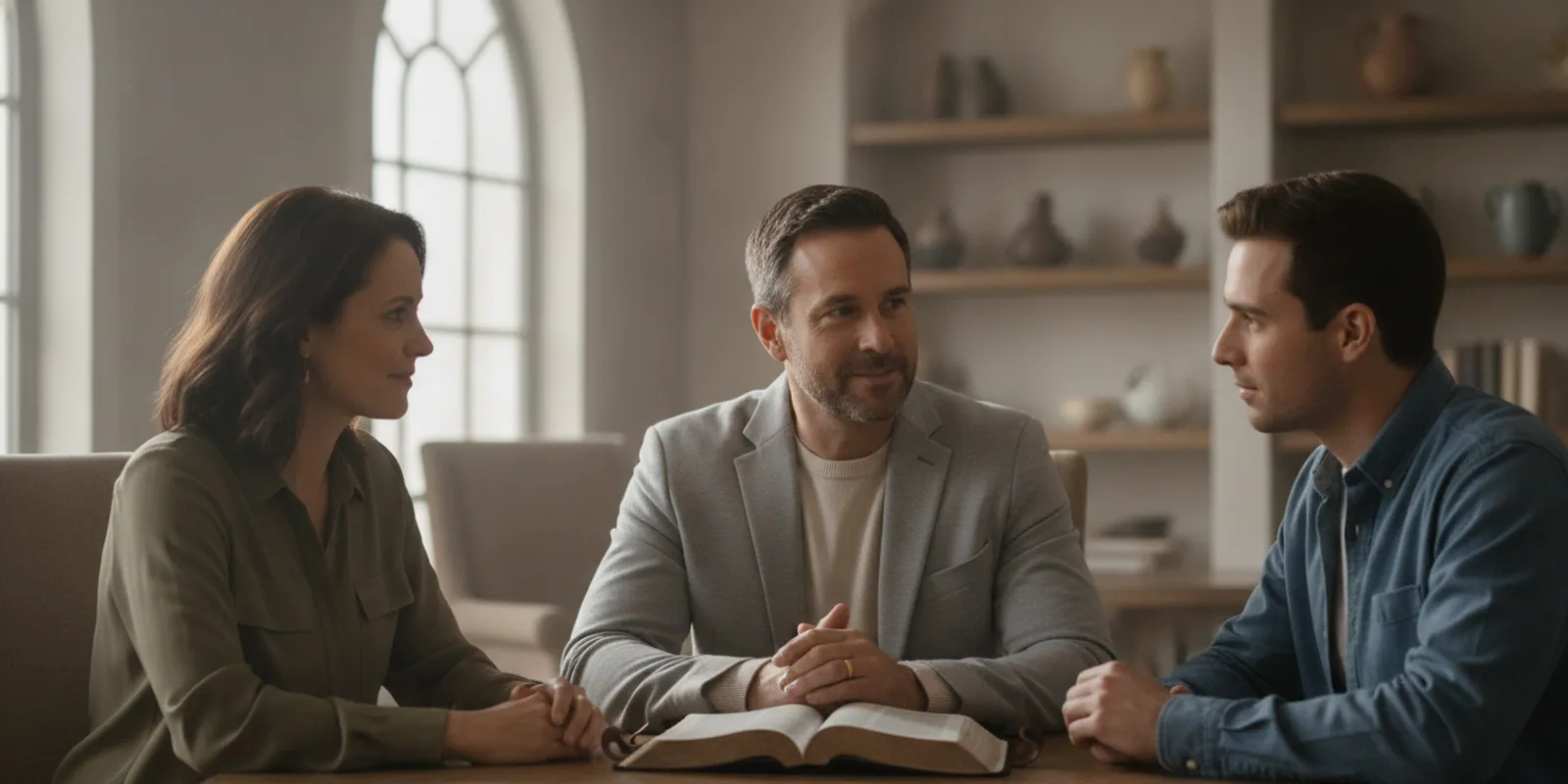

Standing before a crowd to join two of your favorite people in marriage is an unforgettable experience. You get a front-row seat to their commitment and the honor of making it official. But to get to that confident, joyful moment, you need a clear plan. Your role is a blend of heartfelt storyteller and responsible official. While your personal connection is what makes you the perfect choice, understanding the legal process is what makes the marriage stick. This guide will give you the clarity and confidence you need to legally officiate a wedding for a friend, ensuring you handle every detail with professionalism and care.
Key Takeaways
- Handle the legal side with care: Before focusing on the ceremony, make sure you are properly ordained, understand the local marriage laws, and know exactly how to complete and file the marriage license correctly.
- Craft a ceremony that tells their story: Work closely with the couple to weave personal anecdotes and details into the script. Your goal is to create a ceremony that reflects their unique relationship, so practice your delivery to ensure it feels genuine and confident.
- Prepare like a pro to stay calm: Confidence comes from preparation, so invest in practical training, run an organized rehearsal to sort out logistics, and use a checklist on the wedding day to make sure nothing is missed.
What Are the Legal Requirements to Officiate a Wedding?
When your friend asks you to officiate their wedding, the first feeling is usually pure excitement. It’s a huge honor to be chosen for such a central role on their big day. But right after that excitement, a little bit of panic might set in when you think about the legal side of things. What do you actually have to do to make sure their marriage is official? Don't worry, you've got this. While it’s a serious responsibility, the legal requirements are straightforward once you know what to look for. The couple is counting on you to handle the details correctly, so their marriage certificate is valid long after the cake is cut. The process boils down to a few key steps: checking the local laws, getting properly ordained, and handling the marriage license with care. By tackling these legal pieces first, you can move on to the creative and personal parts of the ceremony with total confidence, knowing you’ve built a solid, legal foundation for their marriage.
Check Your State's Officiant Laws
The very first thing you need to do is check the local laws where the wedding will take place. Marriage laws are determined at the state level, so the rules in California will be different from those in New York. Some states are very straightforward, while others have specific requirements for officiants, like needing to register with the local county clerk's office after you're ordained. You can usually find this information on the website of the county clerk that issues the marriage license. Taking a few minutes to research the specific state laws will save you and the couple a lot of potential stress and ensure everything is handled correctly from the start.
Get Ordained and Registered
To legally marry a couple in most states, you must be an ordained minister or another authorized official, like a judge. For most people officiating for friends or family, getting ordained through an organization like All Faith Ministry is the simplest path. The process is typically done online and grants you the legal authority to act as a minister for the purpose of performing a wedding ceremony. While online ordination is widely accepted across the U.S., it's crucial to confirm this is valid in the specific location of the wedding. Once you have your ordination credentials, you may need to complete additional registration steps with the local government, so be sure to check.
Know the Age and Witness Rules
Beyond ordination, there are a few other legal details to be aware of. Most states require one or two witnesses to be present to sign the marriage license. You’ll also need to meet any age requirements for officiants, which is typically 18 years or older. As the officiant, you are responsible for ensuring the marriage license is filled out accurately, signed correctly by you, the couple, and the witnesses, and returned to the proper office within a specific timeframe after the ceremony. This is a critical step because it’s what makes the marriage official in the eyes of the law. Always double-check these details with the couple when they get their license.
How Do I Get Ordained to Legally Officiate a Wedding?
Getting ordained is your first official step toward becoming a wedding officiant. While it might sound intimidating, the process is surprisingly straightforward when you know what to expect. It’s all about finding a credible organization, completing a few simple steps, and understanding the legal responsibilities that come with the role. Think of it as getting your official credentials to perform one of the most important jobs there is. Once you're ordained, you have the authority to sign the marriage license and make a couple's union official in the eyes of the law. This is the foundation upon which you'll build your skills as a confident and capable officiant. The entire process is designed to be accessible, ensuring that anyone with a genuine desire to unite couples in marriage can do so legally and professionally. From choosing where to get your credentials to understanding the fine print of state laws, each step prepares you for the big day. It’s less about religious doctrine and more about legal recognition and your commitment to honoring the couple's wishes. Let’s walk through exactly what you need to do to get ordained and ready to lead a beautiful, legally recognized ceremony.
Choose the Right Ordination Organization
Your first move is to find a reputable organization to get ordained through. This is a crucial choice because the right partner won’t just give you a certificate; they’ll provide the support and resources you need to succeed. Look for an organization with a strong community, clear ethical guidelines, and a commitment to helping its ministers thrive. Online ordination is a common and respected path, but you want to ensure the institution is recognized and has a solid track record. When you apply for ordination with a trusted ministry, you’re not just getting a title, you’re joining a network dedicated to celebrating love and creating meaningful ceremonies.
Complete the Online Ordination Process
The good news is that getting ordained online is typically a quick and simple process. Once you’ve chosen your organization, you’ll usually just need to fill out a straightforward application form with your basic information. There are no long waiting periods or complicated hoops to jump through. After you submit your application, the organization will process it and provide you with your official credentials. This documentation is your proof of ordination, which you’ll need to have on hand. Many officiants choose to order a physical copy of their certificate or a wallet card from their ministry’s online store for their records and to present as proof if required by a county clerk.
Understand Your Legal Authority as an Officiant
Becoming ordained grants you the legal authority to officiate weddings, but your work isn’t quite done yet. Every state has its own specific rules, and it’s your responsibility to know them. Some states require officiants to register with the local county clerk’s office before performing a ceremony, while others do not. Before the wedding day, you must research the specific marriage laws for the state and county where the ceremony will take place. This step is non-negotiable, as it ensures the marriage you perform is legally binding. A great ordaining organization will provide resources to help you understand these requirements, making sure you’re fully prepared to handle your duties professionally and correctly.
How to Handle the Marriage License Correctly
The ceremony is the heart of the wedding, but the marriage license is the legal backbone. Handling this document correctly is one of your most important responsibilities as an officiant. It’s the official paper that makes the marriage legally binding, so there’s no room for error. Don’t let this part intimidate you. With a little preparation and attention to detail, you can manage the paperwork smoothly and professionally, ensuring your friends’ marriage starts off on the right legal foot.
Think of yourself as the trusted steward of this crucial document. From reviewing it before the ceremony to filing it correctly afterward, every step matters. Getting this right is a huge part of what separates a thoughtful, prepared officiant from someone who is just winging it. Let’s walk through exactly what you need to do to handle the marriage license like a seasoned pro.
Before the Ceremony: Review the License
Once the couple has obtained their marriage license from the county clerk, schedule a time to review it with them before the wedding day. This is your chance to catch any potential issues ahead of time. Sit down together and carefully look over every field. Confirm that all names are spelled correctly and that all the information is accurate.
This is also the time to check for any specific instructions. Some counties require a certain color of ink (usually black) or have rules about how the date should be written. A simple mistake, like a smudge or using the wrong pen, could invalidate the license. Understanding these details beforehand will prevent last-minute stress. You can often find specific requirements by checking the local state laws or the county clerk’s website.
During the Ceremony: Follow Signing Procedures
The signing of the marriage license typically happens right after the ceremony, once you’ve pronounced the couple as officially married. Find a quiet spot away from the crowd with a flat surface. You, the couple, and any required witnesses will need to sign the document. The number of witnesses varies by state, with some requiring two and others none at all.
Make sure everyone signs in the correct spot with the designated pen. Your signature as the officiant is what legally validates the marriage, so be sure to fill in your title, address, and any other required information clearly and accurately. Take your time and encourage everyone else to do the same. A clean, correctly signed license is the goal.
After the Ceremony: File the License
Your job isn’t over once the license is signed. As the officiant, you are legally responsible for returning the completed marriage license to the office that issued it, which is usually the county clerk or recorder's office. This is a critical step, as the marriage is not legally official until the license is filed.
Each state has a specific deadline for returning the license, which can range from a few days to a couple of months. Missing this deadline can create serious legal headaches for the couple. Before the wedding, confirm the filing deadline and the correct return address. Plan to send it via certified mail or deliver it in person to ensure it arrives safely and on time. Proper handling of legal documents is a key part of our wedding officiant training.
Avoid Common Marriage License Mistakes
An inexperienced officiant can easily make mistakes with the legal paperwork, causing unnecessary stress for the newlyweds. Common errors include missing the filing deadline, filling out information incorrectly, or having illegible handwriting. These slip-ups can lead to extra fees, delays in receiving the official marriage certificate, or, in the worst-case scenario, the marriage not being legally recognized.
You can avoid these problems by being diligent and prepared. Double-check everything, ask questions if you’re unsure, and take your responsibility seriously. By handling the marriage license with care, you give the couple a wonderful gift: the peace of mind that their marriage is legally secure. Upholding this trust is a core part of an officiant's professional code of ethics.
What to Include in Your Wedding Ceremony Script
Once the legal paperwork is sorted, your focus can shift to the heart of the matter: the ceremony itself. The script is your roadmap for the entire event, guiding you, the couple, and the guests through a meaningful experience. It’s more than just a list of things to say; it’s the narrative that frames the couple’s commitment. A great script balances the required legal declarations with personal touches that celebrate their unique relationship. Collaborating with the couple is key. Decide together who will take the lead on writing, but make sure the final version reflects their personalities and love story.
Cover the Essential Ceremony Elements
Every wedding ceremony follows a general structure to ensure it flows smoothly and includes all the necessary components. Your script should start with a warm welcome to the guests, followed by an introduction that speaks to the purpose of the gathering. The core of the ceremony includes the declaration of intent, where the couple agrees to marry, and the exchange of vows. After the vows, you’ll guide the ring exchange. Finally, you’ll make the official pronouncement of marriage, followed by the much-anticipated first kiss. While this framework is standard, remember to check the specific state laws to ensure you’ve covered all legal requirements for the marriage to be valid.
Personalize the Couple's Story
Your most important job as an officiant is to tell the couple’s love story. This is what transforms a standard ceremony into something truly memorable. Before you start writing, spend time learning about the couple. Ask them how they met, what their first impressions were, and what they admire most about each other. Weave these personal anecdotes and details into the script. Sharing a short, sweet story about their journey adds warmth and authenticity that guests will love. This personal touch shows you’ve taken the time to understand their relationship, making the ceremony feel intimate and genuine. Our wedding officiant training can help you master the art of storytelling.
Incorporate Meaningful Readings and Rituals
To make the ceremony even more special, consider adding readings or unity rituals that resonate with the couple. These elements can reflect their shared values, cultural backgrounds, or unique interests. Readings can be anything from classic poetry and literature to song lyrics or religious passages. Unity rituals, like a handfasting, sand ceremony, or lighting a unity candle, provide a beautiful visual representation of the couple’s union. Discuss these options with the couple to see what feels right for them. You can find inspiration and supplies for these special moments in our AFM Store. These additions create powerful, lasting memories for everyone involved.
How to Deliver a Memorable and Meaningful Ceremony
Once the legal details are sorted, your focus can shift to the heart of the matter: delivering a ceremony that the couple will cherish forever. As their friend, you have a unique ability to make this moment deeply personal and authentic. Your role is to guide them through their vows with warmth, confidence, and a genuine touch. With the right preparation, you can create an experience that is both meaningful for them and enjoyable for you.
Prepare for the Big Day
Your main job is to tell the couple's love story. Before you write a single word of the script, spend time with them. Ask about how they met, their favorite memories, and what they admire most in each other. These personal details are the building blocks of a heartfelt ceremony. Once you have your script, practice it out loud several times. This will help you find a natural rhythm and speak with confidence, so you aren't just reading from a page. Our comprehensive wedding officiant training can give you the structure and skills to prepare like a professional.
Manage Your Nerves and Build Confidence
It’s completely normal to feel a little nervous before officiating. Remember, the focus isn't on you; it's on the happy couple. The guests are there to celebrate them, and they're already on your side. Don't feel pressured to memorize your entire script. Instead, have it printed in a clear, large font and place it in a professional-looking binder or folder. You can find beautiful ceremony folders in our AFM Store. When you get up there, take a deep breath, plant your feet firmly, and speak slowly and clearly. Making eye contact with the couple will help you feel connected and calm.
Create an Engaging, Heartfelt Experience
As a friend, you can share personal anecdotes and inside jokes that a hired professional couldn't. Weave these stories into the ceremony to make it truly unique and engaging for everyone there. Your genuine connection to the couple is your greatest asset. While you want the ceremony to feel personal, it's also important to maintain a sense of occasion and professionalism. By blending your personal touch with a structured ceremony, you honor the significance of the day while celebrating the couple's unique journey. Upholding a professional standard is a key part of our Code of Ethics.
What Training and Resources Do You Need as a Wedding Officiant?
Once you’re legally ordained, you have the authority to perform a wedding. But to create a truly beautiful and seamless ceremony, you’ll want to gather the right training and resources. Think of it like this: ordination is your license to drive, but training is what teaches you how to handle the car with confidence and skill. Investing in your abilities will not only make you a better officiant for your friends or clients but will also make the entire experience more enjoyable and less stressful for you. From mastering the art of storytelling to understanding professional standards, having the right tools at your disposal is key to delivering a ceremony that feels personal, polished, and heartfelt.
Find Essential Officiant Training
While getting ordained is the first legal step, comprehensive training is what will set you apart. A great officiant does more than just read a script; they guide the couple and their guests through a meaningful experience. This is where dedicated wedding officiant training becomes invaluable. It teaches you the practical skills you need, like how to structure a ceremony, write a compelling script, and speak with confidence in front of a crowd. Good training programs cover everything from the initial consultation with the couple to the final pronouncement, ensuring you feel prepared for every moment of the big day. It’s the best way to turn your legal authority into a real, polished skill.
Build Your Officiant Toolkit
Your most important tool as an officiant is a well-crafted ceremony script. Your main job is to tell the couple’s unique love story, so spend time getting to know them and weaving personal details into the ceremony. Once you have a draft, practice reading it aloud to get the timing and flow just right. Most ceremonies last between 15 and 30 minutes, which is a perfect length to keep guests engaged. Beyond the script, consider other professional items for your toolkit. A high-quality binder for your script looks polished, and having a reliable pen for signing the marriage license is a must. You can find helpful resources and accessories in the AFM Store to help you look and feel prepared.
Follow Professional Ethics and Standards
Officiating a wedding is a significant responsibility that requires professionalism and integrity. It’s crucial to understand the specific regulations in the location where the ceremony will take place. Every state has its own rules, so be sure to research the local state laws to ensure you’ve met all requirements. This includes properly handling the marriage license before, during, and after the ceremony. Adhering to a professional code of ethics also builds trust with your couples and demonstrates your commitment to honoring their union. By taking your legal and ethical duties seriously, you show respect for the couple and the institution of marriage.
How to Prepare for Your First Wedding Ceremony
The big day is almost here, and all your preparation is about to pay off. To make sure everything goes smoothly, focus on two key things: running a solid rehearsal and having a checklist for the wedding day. These steps will help you feel calm and confident, allowing you to be fully present for the couple. A well-prepared officiant is the foundation of a beautiful ceremony, ensuring that the couple’s moment is as perfect as they imagined. By taking charge of these final preparations, you set the stage for a heartfelt and seamless experience for everyone involved.
Run the Wedding Rehearsal
The wedding rehearsal is your chance to walk through the ceremony logistics with the couple and their wedding party. This isn't just about practicing the script; it's about coordinating movement, timing, and transitions. Guide everyone through the processional, show them where to stand, and practice any special elements like unity ceremonies or readings. Most importantly, use this time to build your own confidence. You should practice the ceremony many times on your own, not just at the rehearsal. This will help you speak smoothly and make genuine eye contact, rather than reading directly from your notes. Our comprehensive wedding officiant training offers even more techniques for mastering your delivery.
Use a Final Day Checklist
On the wedding day, a checklist is your best friend. It keeps you organized and ensures no small detail is forgotten. Start with this rule: arrive much earlier than you think you need to. Being on time is considered late. Your checklist should include bringing a printed copy of the script (and a digital backup), a good pen for the license, and contact information for the wedding planner. After the ceremony, your most important duty begins. You, the couple, and any required witnesses must sign the marriage license. Then, you are responsible for returning it to the government office that issued it. This final step makes the marriage official, so be sure you understand the specific state laws for filing it correctly.
Related Articles
- The Complete Process of How to Become a Wedding Officiant
- What's the Age Requirement to Officiate a Wedding?
- Marriage Officiant Requirements: A State-by-State Guide
Frequently Asked Questions
Is getting ordained online legally valid for officiating a wedding? Yes, in most places, getting ordained online is a perfectly legal and accepted way to gain the authority to officiate a wedding. However, marriage laws are determined by each state, and sometimes even by the county. Your most important first step is to research the specific requirements for the location where the ceremony will be held. Some states may ask you to register with the local clerk's office after receiving your ordination, so a little homework ensures the marriage you perform is official.
What's the biggest mistake a new officiant can make? The most serious mistake you can make is mishandling the marriage license. This document is the legal proof of the union, and errors can cause significant headaches for the couple. Common slip-ups include missing the filing deadline, using the wrong color ink, or having people sign in the wrong spots. Always review the license with the couple before the ceremony and be absolutely clear on the procedure for returning it to the proper government office afterward.
Do I really need training if I'm only officiating one wedding for a friend? While you can legally officiate without formal training, investing in it is a gift to the couple and to yourself. Good training teaches you how to structure a ceremony, write a personal script, and speak with confidence. It helps you move beyond just reading words on a page to creating a truly meaningful experience. This preparation reduces your own stress and ensures you can be fully present and professional for your friends on their important day.
How long should a wedding ceremony script be? Most wedding ceremonies last between 15 and 30 minutes. This length is generally perfect for including all the key elements, such as the welcome, vows, ring exchange, and pronouncement, along with a personal story or reading. It keeps guests engaged while still feeling significant and heartfelt. The final timing really depends on the couple's vision, so work with them to create a script that feels right for their celebration.
What should I do if I'm nervous about public speaking? Feeling nervous is completely normal, so don't worry. The best way to manage nerves is to be thoroughly prepared. Practice your script out loud many times so you're comfortable with the rhythm and flow, but don't feel pressured to memorize it. On the wedding day, have your script printed in a large, easy-to-read font. Before you start, take a deep breath, plant your feet firmly, and make eye contact with the couple. Remember, they chose you for a reason, and everyone in the audience is on your side.