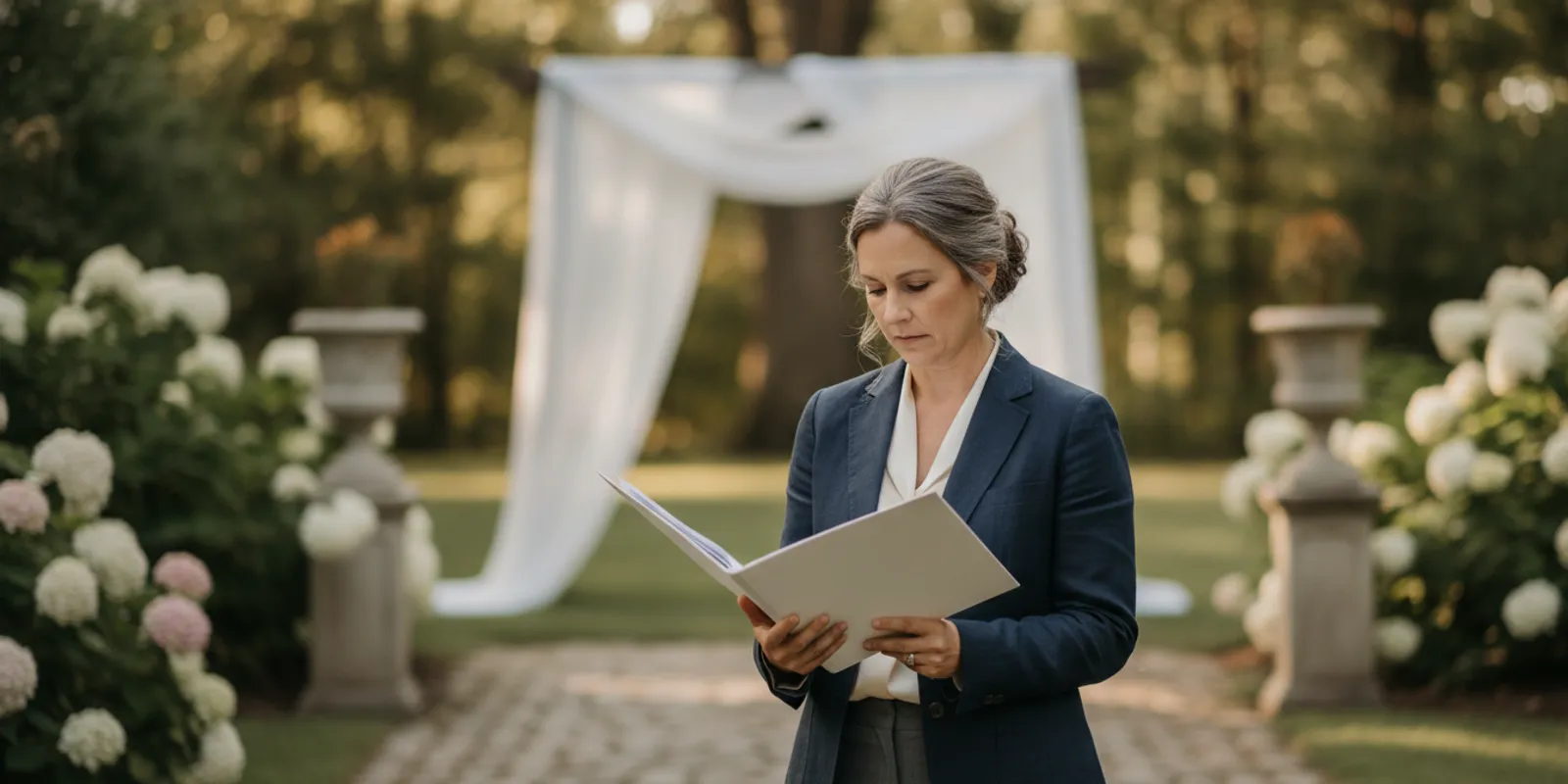

Let’s be honest: when you hear “online ordination,” you might have questions. Is it actually legal? Will the county clerk accept my credentials? Is it a “real” ordination? These are valid concerns, and you deserve clear answers before you agree to perform such an important ceremony. Many people search for 'how to get ordained fast,' hoping for a simple solution, but they worry about cutting corners. This guide is here to demystify the entire process. We will break down the facts, separate myth from reality, and show you how to become a legally recognized minister with an ordination that is respected and valid. You can feel confident knowing you’re taking the right steps.
Key Takeaways
- Confirm your legal standing locally: Online ordination is widely accepted, but marriage laws are determined by each state and county. Always contact the local county clerk's office where the wedding will happen to verify their specific registration rules and document requirements.
- Choose a ministry that prepares you for the role: A quick certificate is not enough to make you a great officiant. Partner with an organization that offers practical training, ceremony resources, and ongoing support to help you feel confident and professional on the wedding day.
- Start the process weeks in advance: While the initial application is fast, becoming legally ready to officiate takes time. You will need to order official credentials and potentially register with local officials, so begin the process well before the ceremony to avoid any last-minute issues.
What Does It Mean to Get Ordained Online?
Getting ordained online is the modern way to become a legally recognized minister or officiant. Think of it as a direct path to gaining the credentials you need to perform weddings, without requiring years of traditional seminary school. This approach allows you to get everything in order from the comfort of your home, making it accessible whether you want to officiate a single ceremony for a loved one or start a new career path. It’s a straightforward process designed for anyone with a passion for celebrating love.
The core purpose of online ordination is to grant you the legal authority to solemnize marriages. When you apply for ordination, you are joining a ministry that entrusts you with this important responsibility. It’s more than just a certificate; it’s a commitment to honoring a couple's special day. A reputable online ministry understands this and won’t just send you a document. Instead, they will provide the training and support necessary to ensure you can perform your duties confidently and professionally. It’s about equipping you with the tools and knowledge to create beautiful, memorable, and legally sound wedding ceremonies for any couple you serve.
Is Online Ordination Legally Recognized?
This is the big question on everyone's mind, and I'm happy to report that the answer is a resounding yes. In most places, online ordination is legally recognized, giving you the full authority to officiate weddings. For example, states like California and New York fully accept online ordinations, allowing ministers to perform legally binding marriage ceremonies. However, the rules can vary significantly from one state, or even one county, to the next. That’s why it’s absolutely essential to check the specific state laws where the ceremony will take place. Doing this homework upfront ensures the couple’s marriage is valid and saves everyone from potential legal headaches down the road.
Religious vs. Civil Ordination: What's the Difference?
It’s also helpful to understand the difference between religious and civil ordination. A religious ordination is typically tied to a specific church or faith organization and its unique set of beliefs. Civil ordination, on the other hand, is a legal recognition that grants you the authority to perform ceremonies like weddings, without requiring you to be affiliated with a particular religious doctrine. Most online ordinations fall into this second category. They provide you with the legal standing to act as an officiant, which gives you the wonderful flexibility to create and lead ceremonies that are perfectly personalized to each couple, whether they are religious, spiritual, or completely secular.
How Quickly Can You Get Ordained?
So, you've decided to become a wedding officiant—that's amazing! One of the first questions that probably comes to mind is, "How long will this take?" You might have seen websites promising instant ordination, and it’s true that the initial online application can be incredibly fast. You can often fill out a form and receive a digital confirmation in just a few minutes. But getting ordained and being legally ready to perform a ceremony are two different things, and it's important to understand the full picture before you commit to officiating a wedding.
The real answer to how quickly you can get ordained depends on more than just a web form. While the first step is quick, becoming a confident and legally recognized officiant involves a few more checkpoints. Think of it less like a sprint and more like a clear, manageable path. Your timeline will be shaped by the specific requirements of the state and county where the wedding is held, as well as the time it takes to get your official documents in order. Understanding these factors from the start will help you set realistic expectations for yourself and the couple. Let’s break down what you can expect from the process so you can plan accordingly and step into your role with total confidence.
The Reality of Same-Day Ordination
It’s true that you can complete an online ordination application in minutes. Many organizations allow you to fill out a simple form and receive an immediate email confirmation. This digital acknowledgment is your first step, confirming that your name has been added to the ministry's records. However, this instant confirmation isn't the final step to becoming a legal officiant. It’s the starting point. Think of it as getting your student ID on the first day of school. You're officially enrolled, but you still have to attend class to be ready for the final exam. True preparedness comes from understanding your legal duties and learning how to create a beautiful ceremony.
What Can Slow Down the Process?
While the initial application is fast, your local government has the final say on the timeline. Before you can legally sign a marriage license, you need to check the specific laws in the state and county where the ceremony will take place. Some jurisdictions require officiants to register in person and present physical documents, like an ordination certificate or a letter of good standing. Ordering and receiving these official credentials by mail can take several days or even weeks, so it’s crucial to plan ahead. Don't wait until the last minute. Researching the requirements as soon as you agree to officiate will ensure you have everything you need long before the wedding day.
Your Step-by-Step Guide to Getting Ordained
Ready to become an ordained minister? The process is more straightforward than you might think. It really comes down to three key actions: picking a ministry, submitting your application, and getting your official credentials. Let’s walk through each step so you know exactly what to expect on your path to officiating your first wedding.
Choose an Ordination Provider
Your first move is to select a ministry to get ordained through. You’ll find a lot of options online, and it’s important to choose one that aligns with your goals. Some organizations focus solely on a quick ordination, but if you want to feel confident and prepared, look for a provider that offers more. A ministry that provides professional training, legal guidance, and ongoing support will set you up for success, whether you’re officiating for a friend or building a business. This choice is the foundation of your new role, so pick a partner who will be there for you.
Complete the Application
Once you’ve chosen your ministry, the next step is to fill out their application. Don’t worry, this isn’t like applying for college. The process is designed to be simple and direct. Most ministries, including All Faith Ministry, have an online application that you can complete in just a few minutes. You’ll provide some basic personal information to confirm your identity and intent. Just find the application form on their website, fill in the required fields, and submit it. It’s a simple step that moves you much closer to your goal.
Receive Your Credentials
After your application is reviewed and approved, you will officially be ordained. The ministry will then issue your credentials. These are the official documents, like an ordination certificate or a letter of good standing, that prove your status as a minister. You’ll need these to legally perform weddings and, in some states, to register with the local county clerk’s office. With All Faith Ministry, your ordination is valid for life, so you won’t have to worry about renewal fees or extra requirements to maintain your standing. You can order your official documents to have on hand whenever you need them.
How to Choose the Right Online Ministry
Getting ordained online is straightforward, but choosing the right ministry to partner with is a decision that shapes your entire experience as an officiant. Not all online ministries are the same. Some simply provide a certificate, while others offer a foundation for you to build a fulfilling practice, whether you're officiating one wedding for a friend or starting a new career. The right organization won’t just ordain you; it will prepare you.
Think of it as choosing a guide for your journey. You want a partner that is established, supportive, and invested in your success. A reputable ministry provides the tools, training, and resources you need to feel confident standing in front of a couple on their big day. It’s about more than just the piece of paper. It’s about the credibility, knowledge, and community that comes with it. Taking a few extra minutes to research your options will pay off immensely, ensuring your ordination is respected and that you’re fully equipped for the responsibilities ahead.
Look for Comprehensive Training
Your ordination is your license to officiate, but your training is what will make you a great officiant. Look for a ministry that offers a comprehensive training program that goes beyond the basics. A quality program prepares you for the legal requirements of the role while also teaching you real-world ceremony skills. You’ll want to learn how to write a personalized script, manage a wedding rehearsal, and speak with confidence. The best training equips you to handle any situation with grace, ensuring the couple has a beautiful and seamless experience. This is what separates a memorable officiant from a forgettable one.
Check for Ongoing Support and Resources
Your journey as an officiant doesn’t end once you receive your credentials. Questions will come up, and you’ll want a reliable place to turn for answers. Choose a ministry that provides ongoing support and resources. This could include access to a community of fellow officiants, a library of ceremony scripts, or updates on changing marriage laws. Having this kind of support system is invaluable, especially when you’re just starting. It shows that the organization is committed to your long-term success, not just your initial ordination.
Verify Their Code of Ethics
A ministry’s code of ethics is a clear indicator of its professionalism and values. Before you commit, take the time to read and understand their ethical framework. A formal code of ethics demonstrates that the organization takes its responsibilities seriously and holds its ministers to a high standard of conduct. This is important for your own integrity and for the couples who place their trust in you. Aligning yourself with a ministry that prioritizes professionalism ensures that your ordination is built on a foundation of respect and accountability.
Ensure They Offer Legal Guidance
The legal side of officiating a wedding is non-negotiable. Marriage laws can be complex and vary significantly from one state to another. A great online ministry will offer clear legal guidance to help you understand your responsibilities. Look for one that provides resources on state-specific laws, including who can perform a marriage, what the licensing requirements are, and how to correctly complete the paperwork. Having access to this information is critical for ensuring every marriage you officiate is legally sound, protecting both you and the couple.
How Much Does Online Ordination Cost?
Let’s talk about the investment required to become a wedding officiant. When you start looking into online ordination, you’ll see a lot of different pricing models, and it can be confusing to figure out what you actually need to pay for. Some organizations advertise a no-cost ordination, which sounds appealing, but it’s crucial to understand what that really includes. Getting ordained is more than just filling out a form; it’s about becoming legally authorized to perform one of the most important ceremonies in a couple’s life. This responsibility requires more than just a title; it requires genuine preparation and official recognition.
Think of it less as a one-time fee and more as an investment in your ability to serve couples professionally and confidently. The cost often reflects the level of support, training, and resources the ordaining ministry provides. While a quick, free sign-up might give you the title, it may not give you the credentials, legal standing, or practical knowledge required to handle a marriage license correctly or craft a beautiful ceremony. A credible organization will be transparent about any costs associated with obtaining official documents, training materials, and ongoing support. This ensures you have everything you need to not only get ordained but to thrive as an officiant, building a reputation for excellence from your very first ceremony.
Breaking Down the Fees
You’ve likely seen websites offering ordination at no initial cost. While the application itself might be free, this is usually just the first step. To legally officiate a wedding, you’ll need official documentation, which almost always comes with a fee. It’s important to look beyond the initial sign-up and see what you get for your investment. At All Faith Ministry, we focus on providing a path to ordination that includes the necessary support and resources to ensure you are fully prepared. When you apply for ordination with us, you are joining a community dedicated to professionalism and heartfelt service, a value that extends far beyond a simple certificate.
Are There Extra Costs for Documents?
Yes, you should always plan for the cost of official documents. After your ordination is processed, you will need to purchase physical credentials. These aren’t just keepsakes; they are essential legal proof of your status as a minister. County clerks often require a Certificate of Ordination or a Letter of Good Standing before they will accept a marriage license signed by you. Couples may also ask to see your credentials for their own peace of mind. These documents typically range in price, but you can find all the essential items you’ll need in our AFM Store. Investing in these official papers is a critical step in establishing your legitimacy as an officiant.
Your Legal Responsibilities as an Officiant
Once you’re ordained, you hold a special responsibility. Beyond crafting a beautiful ceremony, your most important job is to make sure the marriage is legally binding. This might sound intimidating, but it’s a straightforward process once you know the steps. Think of it as the official paperwork that seals the deal for the happy couple. Getting these details right is one of the greatest services you can provide, and it’s what separates a hobbyist from a true professional who is committed to excellence.
Every state, and sometimes even every county, has its own set of rules for marriage solemnization. Taking the time to understand these requirements is a non-negotiable part of being a trustworthy officiant. It protects you and, more importantly, ensures the couple’s marriage is valid from day one, preventing any future legal complications for them. This is your chance to show the couple they made the right choice in trusting you with this pivotal moment. We offer comprehensive wedding officiant training that covers these legal duties in detail, so you can feel confident and prepared when you stand up there on the big day. It’s about honoring the couple’s commitment by handling the legal side with care and precision.
Registering with Your State
Before you can legally perform a wedding, you need to know what your local government requires. Some states have no registration requirements for officiants, while others ask you to file your ordination credentials with a county clerk’s office. The rules can vary widely, so it’s essential to check the specific regulations for the location where the ceremony will take place. Our ministry provides detailed guidance on state laws to help you figure out exactly what you need to do. This should be your first step after receiving your ordination, as it ensures you’re fully authorized to officiate.
Handling the Marriage License
The marriage license is the official document that makes the union legal, and handling it correctly is a critical task. The couple is responsible for obtaining the license from their local county clerk before the wedding day. Your job comes in after the ceremony. You, the couple, and sometimes witnesses will need to sign the license. Pay close attention to the instructions, as most states have a strict deadline, often within a few days, for returning the signed license to the proper government office. Missing this window can cause serious legal headaches for the couple, so make its timely return a top priority.
Providing Documentation to Venues
While it’s not always a requirement, having proof of your ordination on hand is a smart move. Some county clerks or even wedding venues may ask to see your credentials before the ceremony. Couples also often appreciate seeing official documents for their own peace of mind. It adds a layer of professionalism and confirms that you are authorized to perform their marriage. You can find minister credentials, like ordination certificates and letters of good standing, in our AFM Store. It’s a good idea to order these materials several weeks before the wedding to avoid any last-minute stress.
How to Verify Your Ordination Is Valid
Once you’ve completed your ordination, you’ll want to make sure everything is official and recognized. This step is all about peace of mind, ensuring that the marriage license you sign is legally binding and that the couple’s big day goes off without a hitch. Verifying your ordination isn’t complicated, but it does require a little proactive research on your part. It's a professional step that shows the couple you're taking your role seriously.
The key is to understand that legal requirements can vary significantly from one place to another. While online ordination is widely accepted across the country, the specific rules are determined at the state and sometimes even the county level. Think of it in two parts: first, confirming that your ordination is recognized by the state where the wedding will take place, and second, having the right documents on hand to prove it to local officials. Taking these steps will give you the confidence to stand before any couple and perform a beautiful, legally sound ceremony. It’s a crucial part of honoring the trust they’ve placed in you and upholding the integrity of the marriage process. This isn't just about checking a box; it's about ensuring the union you solemnize is valid from day one.
Confirming State Recognition
The first thing you need to do is confirm that your ordination is valid in the state where you plan to officiate. In most places, an ordination from a religious organization like All Faith Ministry is legally recognized, allowing you to perform weddings. However, laws can differ, so it’s essential to do your homework. A great starting point is to research the legal requirements for the specific state in question. This will give you a clear picture of any registration steps you might need to take. Taking a few minutes to check these rules upfront will save you and the couple a lot of potential stress down the road.
Proving You're in Good Standing
After confirming state-level rules, your next step is to check with the local officials. Before the wedding, you should contact the county clerk’s office where the marriage license will be filed. Simply ask them what documentation, if any, they require from the wedding officiant. Some offices may not ask for anything, while others might want to see a copy of your ordination certificate or a letter of good standing. It’s always a good idea to order your credentials several weeks before the ceremony. This ensures you have everything you need in hand, just in case. A quick phone call is the easiest way to get a definitive answer and feel fully prepared.
Essential Training and Resources for New Officiants
Getting your ordination certificate is an exciting first step, but it’s what comes next that truly shapes you into a confident and capable wedding officiant. Think of your ordination as your license to drive; you still need to learn the rules of the road and get comfortable behind the wheel. The best online ministries understand this. They don’t just hand you a piece of paper and wish you luck. Instead, they provide the tools, training, and support system you need to succeed long after you’re officially ordained.
When you’re choosing a ministry, look beyond the initial application. Ask yourself what resources they offer to help you actually perform a beautiful, memorable, and legally sound ceremony. Do they have training programs? Do they provide sample scripts or checklists? Can they help you understand the specific marriage laws in your state? Having access to these resources is the difference between feeling overwhelmed and feeling prepared. It allows you to focus on what really matters: celebrating the couple and creating a ceremony that honors their love story. The right support system will be your co-pilot as you begin officiating weddings for friends, family, or clients.
Wedding Officiant Training
While you don’t need a theology degree to officiate a wedding, some practical training can make all the difference. Comprehensive wedding officiant training teaches you the art and business of performing a ceremony. You’ll learn how to structure a service from the opening words to the final pronouncement, how to write a personalized script that tells the couple’s story, and how to manage the flow of the ceremony with grace. Good training also covers public speaking tips to help you project confidence and connect with the audience. It prepares you to handle any unexpected moments, ensuring the couple’s big day goes off without a hitch. This guidance is what helps you step into your role with poise.
Ceremony Scripts and Resources
Staring at a blank page trying to write your first wedding script can be intimidating. That’s why having access to professional resources is so helpful. Look for an organization that provides a library of ceremony scripts, reading ideas, and vow examples that you can adapt for your own use. These templates give you a solid foundation to build upon, saving you time and taking the guesswork out of the process. Beyond scripts, the AFM Store offers other essential supplies, like professional certificates, folders for the ceremony, and ordination bundles. Having these tools at your fingertips makes you look and feel more professional, allowing you to focus on delivering a heartfelt ceremony for the couple.
Guidance on State Laws
This is a big one. Marriage laws are not the same everywhere; they vary from state to state and sometimes even from county to county. As the officiant, you are responsible for ensuring the marriage is legally binding. This means understanding who can perform the ceremony, what the registration requirements are, and how to correctly fill out and file the marriage license. A reputable online ministry will provide clear and accurate guidance on state laws to help you get it right every time. This legal support is invaluable, as it protects both you and the couple, giving everyone peace of mind that the marriage is official in the eyes of the law.
Access to a Supportive Community
Especially when you’re just starting, you’re going to have questions. What do you do if the marriage license has a mistake? How do you handle a nervous bride or groom? Being part of a supportive community gives you a place to turn for answers and encouragement. Some organizations offer ongoing support through forums, email, or phone, connecting you with experienced officiants and staff who have been in your shoes. This network is a fantastic resource for troubleshooting tricky situations, sharing ceremony ideas, and simply knowing you’re not alone. It’s a reminder that you’re part of something bigger, a group of people dedicated to celebrating love.
Common Challenges for New Officiants (and How to Handle Them)
Becoming a wedding officiant is an incredibly rewarding path. You get a front-row seat to one of the most important days in a couple's life. But like any new role, it comes with a learning curve. It’s completely normal to feel a mix of excitement and nervousness as you prepare for your first ceremony. The good news is that the most common hurdles are things you can absolutely prepare for and handle with confidence, turning potential stress into a smooth, professional experience.
Most new ministers face a few common challenges as they get started, including managing public speaking jitters, setting clear expectations with the couple, and getting a handle on the specific legal rules for their area. Think of these not as problems, but as your first steps toward becoming a skilled and sought-after professional. With a little preparation, you can move past these challenges and focus on what really matters: creating a beautiful and memorable ceremony. Our wedding officiant training is designed to walk you through these exact scenarios, giving you the tools and practice you need to feel ready for the big day. Let’s break down each of these challenges and talk about how to approach them so you can step into your role with poise.
Tackling Public Speaking Jitters
Even seasoned performers get butterflies, so if the thought of speaking in front of a crowd makes your palms sweat, you’re in good company. The key isn’t to eliminate nerves entirely, but to manage them. One of the best ways to calm your system is to practice mindfulness. Simple breathing exercises in the days and hours before the ceremony can work wonders.
Beyond that, preparation is your best friend. Practice reading the ceremony script aloud until it feels natural and familiar. The more comfortable you are with the material, the more confident you’ll feel delivering it. Remember to focus your attention on the couple. This ceremony is about their love story, and you are simply the narrator. When you make them your focal point, the crowd tends to fade away, making the moment feel more intimate and manageable.
Setting Expectations with the Couple
Clear communication is the foundation of a great experience for both you and the couple. Officiating involves more than just showing up on the wedding day, and it’s important to be upfront about the time and work involved. Before you agree to anything, have a conversation to set clear expectations. Discuss who will be writing the ceremony script, how many revisions are included, and how you’ll collaborate.
You should also clarify practical details, like whether you will attend the rehearsal and what your role will be in signing and filing the marriage license. Being transparent about your process from the start prevents misunderstandings and helps the couple feel secure and well-cared for. This professionalism builds trust and ensures everyone is on the same page, leading to a smooth and joyful celebration.
Decoding County-Specific Rules
This is one area where you can’t afford to guess. The legal requirements for officiating a wedding can vary significantly from one state to another, and sometimes even between counties. Understanding the specific rules for the ceremony’s location is one of the most critical parts of your job. It’s your responsibility to ensure the marriage is legally binding.
Before the wedding, you’ll need to confirm what, if any, registration is required for you as the officiant. The best place to find this information is the official website for the county clerk’s office where the couple will get their marriage license. If the website is unclear, don’t hesitate to call them directly. We also offer a helpful guide on state laws to give you a starting point for your research.
Common Myths About Online Ordination
When you tell people you’re getting ordained online, you might get a few raised eyebrows. The process is straightforward and accessible, which sometimes leads to questions about its legitimacy. Let's clear the air and tackle some of the most common myths you might hear. Understanding the facts will give you the confidence to move forward and focus on what really matters: performing a beautiful ceremony.
Myth: It's Not a "Real" Ordination
This is the biggest misconception out there, and it’s simply not true. An online ordination from a recognized religious organization is legally valid. The law in most states doesn't distinguish between ordinations performed online versus in person. What matters is that the ordaining ministry is a legally established entity. Skepticism usually comes from a lack of familiarity with the process, not from any legal precedent. Reputable online ministries operate with a clear structure and expect their ministers to uphold professional standards, which is why we have a Code of Ethics for all our officiants. Your ordination is as real and valid as your commitment to honoring the couple you serve.
Myth: Your Ordination Expires
Another common worry is that your ordination is temporary or requires constant upkeep. You can put that concern to rest. With All Faith Ministry, your ordination is for life. There are no annual renewal fees, mandatory classes, or hoops to jump through to maintain your status. Once you complete the process to get ordained, your credentials don't expire. This means you can officiate a friend's wedding next month or decide to perform ceremonies ten years from now without worrying about your standing. You can focus on developing your skills as an officiant, knowing your foundation is secure and permanent.
Related Articles
- Online Ordination for Weddings: Step-by-Step Legal Guide
- How to Be Ordained Online: The Complete Guide
- How to Be Ordained Online: The Complete Guide
- How to Become a Wedding Officiant Online in 7 Steps
- How to Get Ordained Quickly & Legally Online
Frequently Asked Questions
Is an online ordination actually legal for performing weddings? Yes, in the vast majority of places, an ordination you receive online is legally recognized and gives you the full authority to officiate weddings. The key is that the ministry ordaining you is a legitimate religious organization. However, since laws can differ from one state or county to the next, your most important responsibility is to research the specific requirements for the location where the ceremony will be held.
I need to get ordained for a wedding next month. Is that enough time? While you can complete the initial ordination application in just a few minutes, becoming legally ready to officiate takes a bit more planning. The timeline really depends on the local government's rules. Some counties require you to register in person with physical documents, which can take several weeks to order and receive. My best advice is to start the process immediately and research the local laws today to ensure you have plenty of time.
Once I'm ordained, what's the first thing I should do? Your first step should be to confirm the legal requirements in the specific county where the wedding will take place. Before you start writing the ceremony or planning the details, you need to know if you must register with the local clerk's office. A quick call or visit to their website will tell you exactly what documentation they need from you, which ensures the marriage you perform is official and legally sound.
Do I really need training if I'm only officiating for a friend? While it may not be legally required, professional training is what separates a good ceremony from a truly great one. It gives you the practical skills to write a personal script, lead a rehearsal with confidence, and handle the legal paperwork correctly. Investing in training is a wonderful way to honor your friend's trust in you and ensure their big day is as smooth and beautiful as they imagine.
What if I'm not a great public speaker? Feeling nervous about speaking in front of a crowd is completely normal, so you are definitely not alone. The best way to manage those jitters is to be thoroughly prepared. Practice reading the ceremony script aloud until the words feel like your own. When the moment comes, focus your energy and attention directly on the couple. When you make their love story the center of the moment, the audience tends to fade into the background, allowing you to speak from the heart.