
Perhaps you’ve considered ministry but don’t see yourself leading a congregation. Maybe you feel most alive when offering one-on-one support to people navigating crisis, grief, or major life transitions. If this sounds like you, a career in chaplaincy could be a perfect fit. Chaplains are spiritual caregivers who work in diverse, secular environments, providing a grounding presence to people from all walks of life. But what does it actually take to do this work professionally? The journey involves a significant commitment to education and hands-on training. Here, we’ll explore the essential steps for how to become a chaplain, covering the degrees you’ll need, the clinical experience you must gain, and the certification that validates your expertise.
Key Takeaways
- Follow the structured path to professional chaplaincy: This career requires a specific sequence of steps, including a graduate degree, supervised clinical training (CPE), and formal ordination and endorsement from a faith community.
- Recognize the long-term commitment: Becoming a board-certified chaplain is a multi-year process that requires a significant investment of time and money, so it's important to plan for an extended educational and training period.
- Develop your interpersonal skills: Beyond degrees and certifications, your effectiveness as a chaplain depends on your ability to listen with empathy, show respect for diverse beliefs, and build personal resilience to handle emotionally challenging work.
What Is a Chaplain and What Do They Do?
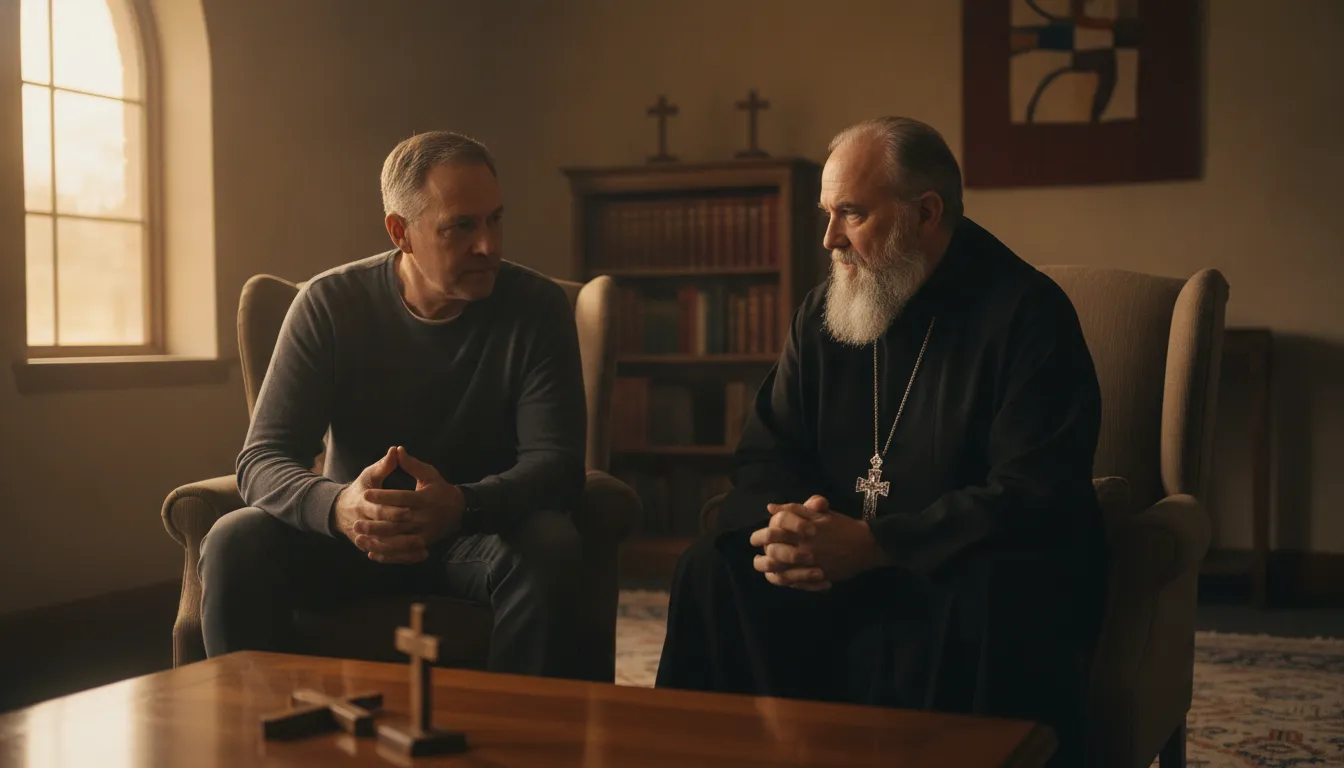
If you feel called to offer spiritual support to people outside of a traditional church setting, you might be interested in becoming a chaplain. A chaplain is a trained religious leader who provides spiritual care and guidance in places like hospitals, military bases, or universities. Their main role is to be a comforting presence for individuals going through challenging or stressful life events, regardless of a person's specific religious beliefs or lack thereof. Think of them as spiritual caregivers who meet people exactly where they are, offering support without judgment.
Chaplains help individuals connect with their spiritual needs, offering a listening ear and a steady hand in moments of crisis, grief, or transition. They are skilled listeners who can help people find meaning and hope in difficult circumstances. While many chaplains are ordained ministers, the path to chaplaincy often involves specialized training to handle the unique demands of these secular environments. If you're already considering getting ordained to serve your community, understanding the role of a chaplain could open up another meaningful way to put your skills to use. It’s a profession built on compassion, empathy, and the ability to support others through some of life’s most profound moments, making a real difference in the lives of people who need it most.
Exploring Different Chaplaincy Roles
So, what does a chaplain actually do day-to-day? Their responsibilities are incredibly varied and depend heavily on where they work. A core part of the job is facilitating religious services and practices for people who can't get to their usual place of worship. This could mean leading a prayer service in a hospital chapel, holding a faith-specific meeting in a prison, or simply offering a quiet moment of reflection.
Beyond group services, chaplains provide essential one-on-one counseling and support. They create a safe space for people to discuss their fears, hopes, and spiritual questions. It’s important to remember that this support is offered to everyone, including those who don't identify with any particular faith. A chaplain’s role is not to convert, but to comfort and guide.
Where Chaplains Work
One of the most interesting aspects of chaplaincy is the sheer variety of places you can find them. Chaplains work in a wide range of settings, bringing spiritual care to communities that might not otherwise have access to it. This diversity means you can often find a role that aligns with your personal interests and passions.
Chaplains can be found in many different environments, including:
- Hospitals, hospices, and care homes
- Universities, colleges, and schools
- Prisons and other correctional facilities
- Police departments and the armed forces
- Professional sports teams
- Large corporations
- Community organizations and even airports
These diverse environments allow chaplains to reach people from all walks of life, providing a grounding presence and spiritual support right where it’s needed most.
What Are the Educational Requirements?
Becoming a professional chaplain is a path that requires a deep commitment to both academic learning and hands-on training. Unlike officiating a wedding for a friend, which you can prepare for relatively quickly, a career in chaplaincy involves a structured educational journey. Think of it as building a house: you need a solid foundation, strong walls, and a protective roof before you can truly make it a home. For a chaplain, that foundation is a bachelor’s degree, the walls are a graduate-level degree in a relevant field, and the roof is specialized clinical training.
Each step is designed to prepare you for the complex emotional and spiritual needs you’ll encounter in settings like hospitals, military bases, or correctional facilities. While your ordination is a vital first step into ministry, professional chaplaincy builds on that with specific academic and experiential credentials. This educational path ensures you have the knowledge, skills, and resilience to offer effective spiritual care to people from all walks of life, often during their most vulnerable moments. It’s a significant investment of time and resources, but it’s what equips you to serve with confidence and compassion.
Your Bachelor's Degree Foundation
Your journey into chaplaincy begins with a bachelor’s degree. This is the non-negotiable first step that lays the groundwork for your graduate studies. While there isn’t one specific major required, degrees in fields like theology, psychology, sociology, or social work can be especially helpful. These subjects give you a strong understanding of human behavior, social systems, and spiritual inquiry.
However, don't worry if your undergraduate degree is in something completely different. Many successful chaplains come from diverse academic backgrounds, from business to the arts. What matters most is that you complete a four-year degree from an accredited institution. This demonstrates your ability to handle rigorous academic work and provides the prerequisite for entering a master’s program, where your specialized chaplaincy training will truly begin.
Master of Divinity and Other Graduate Degrees
After your bachelor’s, the next major step is graduate school. Most professional chaplaincy positions require a master’s degree, with the Master of Divinity (MDiv) being the most common and widely recognized credential. An MDiv program typically involves around 72 credit hours of study in theology, spiritual practices, and pastoral care.
If an MDiv doesn’t feel like the right fit, other graduate degrees can also open the door to chaplaincy, such as a Master of Arts in Pastoral Studies or a Master of Science in Spiritual Care. The key is to meet the educational requirements set by professional certifying bodies. For instance, to become a Board Certified Chaplain (BCC), you’ll need to demonstrate you’ve completed at least 72 hours of graduate-level theological education.
When Experience Can Matter More Than a Degree
While academic credentials are essential, they are only one piece of the puzzle. Chaplaincy is a deeply practical field, and real-world experience is just as important as what you learn in a classroom. In fact, some seasoned chaplains recommend getting your feet wet before diving into a lengthy and expensive graduate program.
Consider completing one unit of Clinical Pastoral Education (CPE) before you even apply to divinity school. This hands-on training places you in a clinical setting, like a hospital, where you provide spiritual care under supervision. It’s an incredible opportunity to see if the day-to-day work of a chaplain truly resonates with you. This experience not only confirms your calling but also strengthens your graduate school applications by showing you’re serious and have a realistic understanding of the profession.
What Is Clinical Pastoral Education (CPE) and Why Is It Important?
If you’re serious about becoming a professional chaplain, you’ll need to complete Clinical Pastoral Education, or CPE. Think of it as a hands-on residency for spiritual care providers. While your academic studies give you a strong foundation in theology and theory, CPE is where you learn to apply that knowledge in real-world situations. It’s a form of supervised, experiential education that places you in clinical settings like hospitals, hospices, or correctional facilities to provide spiritual care to people in need.
This training is so important because it’s where you develop the practical skills and self-awareness essential for effective ministry. You’ll learn how to listen deeply, respond with compassion in moments of crisis, and work alongside a diverse team of professionals. Most healthcare organizations and professional certifying bodies require CPE because it demonstrates you have the experience and emotional maturity to handle the demands of the role. It’s a challenging but incredibly rewarding process that transforms you from a student into a competent, confident spiritual caregiver.
What to Expect from a CPE Program
A single unit of CPE typically involves around 400 hours of training, which includes at least 100 hours of structured group and individual education. The remaining time is spent providing direct spiritual care. You’ll work with a small group of peers and a certified supervisor to review your ministry experiences, reflect on your personal and professional growth, and receive constructive feedback. Most professional certifications, like becoming a Board Certified Chaplain, require you to complete four units of CPE. You can complete these units through intensive full-time summer programs or part-time extended programs that last several months.
The Role of Supervised Clinical Training
The "supervised" part of CPE is what makes it so effective. Your supervisor isn't just a teacher; they are a mentor who guides you through challenging clinical situations and helps you understand your own emotional responses. This structured support system gives you a safe space to practice your skills, make mistakes, and learn from them without causing harm. Through this process, you’ll gain a deeper understanding of yourself and how your personal history impacts your ministry. This guided practice is essential for building the resilience and professional competence needed to provide spiritual care in complex and often stressful environments.
How to Find an Accredited CPE Program
When you’re ready to find a CPE program, you’ll want to look for one that is properly accredited. The primary accrediting body in the United States is the Association for Clinical Pastoral Education (ACPE). Their website features a directory of accredited centers across the country, making it the best place to start your search. Another well-regarded organization is the College of Pastoral Supervision and Psychotherapy (CPSP), which also lists its accredited programs online. Many hospitals, long-term care facilities, and prisons host their own CPE programs, so it’s also a good idea to check with institutions in your local area.
How Do You Get Certified as a Chaplain?
Once you’ve completed your education and clinical training, the next step is getting certified. Certification is a formal process where a professional organization verifies that you meet established standards for chaplaincy. Think of it as a professional seal of approval. It shows employers and the people you serve that you have the necessary skills, knowledge, and experience to provide competent and ethical spiritual care. This credential is often essential for working in specialized environments like hospitals, hospices, or the military, as it provides a clear benchmark of your qualifications.
Getting certified isn't just about adding letters after your name. It’s about joining a community of professionals committed to a high standard of practice. The process typically involves a thorough review of your educational background, clinical training hours, and written materials that demonstrate your understanding of spiritual care. It culminates in an interview where you discuss your work and approach with a committee of experienced chaplains. While it might sound intimidating, this process is designed to ensure that every certified chaplain is prepared for the complex and sensitive nature of the work. It validates your journey and affirms your readiness to support people through some of life’s most challenging moments.
Becoming a Board Certified Chaplain (BCC)
Board Certified Chaplain (BCC) is the highest standard of certification in the field. To achieve this, you’ll need to meet significant educational requirements, typically including a graduate-level theological degree. For example, many certifying bodies require applicants to have at least 72 hours of graduate theological education. This extensive academic background ensures you have a deep understanding of theology, spiritual care, and ethics. The requirements for becoming certified are rigorous because the role demands a high level of expertise. Earning your BCC demonstrates a serious commitment to the profession and opens doors to more opportunities in specialized settings like hospitals and the military.
The Path to Associate Certified Chaplain (ACC)
If you're still working toward the full requirements for a BCC, the Associate Certified Chaplain (ACC) designation is a great option. This path is designed for those who have met some, but not all, of the qualifications for board certification. For instance, you might be eligible if you have completed at least 48 graduate semester hours. The ACC allows you to work professionally as a chaplain while you continue to gain the experience or education needed for the BCC. It’s a practical stepping stone that recognizes your progress and allows you to start your career, providing valuable spiritual care as you continue your professional development.
The Application and Interview Process
After you’ve met the educational and training prerequisites, you’ll move on to the application and interview. This stage is where you demonstrate your practical skills and professional readiness. You’ll submit a detailed application with essays and documentation of your experience. This is often followed by an in-person or virtual interview with a certification committee. They’ll assess your competency, your ability to handle challenging scenarios, and your commitment to a professional code of ethics. Some provisional certifications give you a set period, like two years, to demonstrate full competency, ensuring every certified chaplain is truly prepared for the role.
Do You Need Ordination and Endorsement?
Beyond your academic degrees and clinical training, chaplaincy requires formal recognition from a faith community. This is where ordination and endorsement come in. Think of them as the official credentials that validate your spiritual authority and your fitness for ministry. While the terms might sound similar, they represent two distinct and equally important steps on your path. Ordination is the broad recognition of your role as a minister, while endorsement is a specific approval for the specialized work of chaplaincy. Together, they show hiring institutions that you are qualified, accountable, and supported by a recognized religious body.
When Is Ordination Required?
For most professional chaplaincy positions, ordination is a non-negotiable requirement. It’s the formal process through which a religious organization recognizes you as a minister, granting you the authority to perform spiritual duties. Institutions like hospitals, military branches, and correctional facilities see ordination as a critical credential. It confirms that you have met the theological and educational standards of a faith group and are accountable to its principles. If you're serious about a career in chaplaincy, pursuing ordination is one of the most important foundational steps you’ll take. It’s the key that opens the door to most professional opportunities in the field.
How to Get a Religious Endorsement
An endorsement is different from ordination. It is a formal statement from your faith group declaring that you are in good standing and are suited for the specialized ministry of chaplaincy. Essentially, your religious body is vouching for you, confirming that you have the character, skills, and spiritual maturity to provide care in a pluralistic setting. To become a board-certified chaplain, you will almost always need this official endorsement. It serves as proof to certification bodies and employers that you are connected to and accountable to a faith community, and that you adhere to a high standard of professional conduct, like a code of ethics.
Why Your Denomination Matters
Your denomination or faith group is the community that provides both your ordination and your endorsement. It’s your spiritual home and the source of your theological grounding. Having experience providing pastoral care and leadership within this community is often a prerequisite for getting endorsed. Your connection to a denomination shows that you are part of a tradition and have a support system for your ministry. For individuals from interfaith or non-denominational backgrounds, finding an organization to provide this official backing is a crucial step. This is where a ministry can offer the necessary community and formal recognition to move forward in your chaplaincy career.
What Skills Make a Successful Chaplain?
Beyond the degrees and certifications, being a successful chaplain comes down to your personal skills and how you connect with people in moments of need. While your education provides the foundation, your ability to be present, listen deeply, and offer comfort is what truly makes a difference. These aren't just innate talents; they are skills you can cultivate and strengthen throughout your training and career. Developing these abilities will be central to your effectiveness and your own well-being in this demanding yet rewarding field. Let's look at the core skills that are essential for anyone on the path to chaplaincy.
Essential Communication and Listening
At its heart, chaplaincy is about creating a safe space for people to express their deepest fears, hopes, and questions. This requires exceptional communication and listening skills. It’s more than just hearing words; it’s about active listening, where you pay close attention to tone, body language, and what isn't being said. You’ll need to understand and respond to complex spiritual and emotional needs with empathy and without judgment. This ability to connect is fundamental to building trust, which is the cornerstone of any meaningful pastoral relationship. Upholding a professional Code of Ethics ensures that every conversation is handled with the utmost respect and confidentiality, reinforcing that sense of safety for those you serve.
Cultural Competence and Sensitivity
Chaplains work with individuals from every imaginable background, including people of all cultures, faiths, and those with no faith at all. Because of this, cultural competence is non-negotiable. This means having an open mind and a genuine willingness to learn about and respect beliefs and practices that may be different from your own. It’s not about being an expert in every world religion, but about approaching every person with humility and curiosity. Your role is to meet people where they are, providing support that honors their unique identity and worldview. Our Wedding Officiant Training helps build this skill by preparing you to work closely with diverse couples to create meaningful, personalized ceremonies.
Crisis Management and Resilience
Much of a chaplain’s work involves supporting people through incredibly difficult times, such as illness, grief, or personal crisis. This requires a calm and steady presence, even when situations are chaotic or emotionally charged. You need the ability to think clearly under pressure and provide immediate comfort and support. Just as importantly, you need personal resilience. The emotional weight of this work can be heavy, and learning to process your own feelings and practice self-care is crucial for long-term sustainability in the field. Building a strong support system and developing healthy coping strategies will help you manage vicarious trauma and continue to offer compassionate care to others without burning out.
What Challenges Can You Expect in Chaplaincy Training?
Becoming a chaplain is an incredibly fulfilling path, but it’s also one that comes with its own set of hurdles. Knowing what to expect can help you prepare for the journey and decide if it’s the right fit for you. From the extensive educational requirements to the emotional weight of the work itself, chaplaincy training is designed to equip you for some of life’s most difficult moments. It’s a serious commitment that asks a lot of you, both personally and professionally.
Many people are drawn to chaplaincy because they have a deep desire to help others, which is the perfect starting point. However, this passion needs to be supported by rigorous training and a solid understanding of the profession's demands. The path involves more than just good intentions; it requires academic study, supervised clinical practice, and a significant investment of your time and resources. By understanding these challenges from the start, you can approach your training with a clear perspective and the resilience needed to succeed. Let's look at some of the common myths, the real-world commitments, and the emotional demands you'll encounter as you work toward becoming a chaplain. This isn't meant to discourage you, but to give you a realistic picture of what this important work entails.
Common Myths About Becoming a Chaplain
One of the biggest misconceptions about chaplaincy is that a desire to serve is the only real requirement. While a compassionate heart is essential, the idea that you don't need formal education is a myth. In reality, effective chaplaincy requires specialized skills to support people through crisis and trauma. Without proper training, even the most well-meaning person might not know how to become a chaplain who can truly help when it matters most. This work goes far beyond simply being a good listener; it involves understanding spiritual needs, navigating complex emotional situations, and providing guidance in a structured, professional way.
The Educational and Financial Commitment
Pursuing a career as a board-certified chaplain is a significant investment of both time and money. The entire chaplain certification journey, from starting college to finishing the process, can often take between four and six years. This timeline typically includes earning a bachelor's degree and then a master's-level degree, like a Master of Divinity. On top of that, you’ll need to complete several units of Clinical Pastoral Education (CPE). This extensive educational requirement ensures that chaplains are thoroughly prepared for the complexities of the role. It’s a long-term commitment that reflects the seriousness and professionalism of the field.
The Emotional Demands of Clinical Training
Your Clinical Pastoral Education (CPE) is where theory meets practice, and it can be one of the most challenging parts of your training. This hands-on experience is invaluable for your personal and professional growth, but it will also test your emotional resilience. During your CPE, you’ll work directly with people who are facing illness, loss, and other intense life events. It’s emotionally demanding work that requires you to process difficult situations while providing steady support to others. This is why supervised training is so critical; it gives you a safe space to start your journey, reflect, and develop the coping skills you’ll need for a sustainable career.
How Long Does It Take to Become a Chaplain?
If you’re considering a career in chaplaincy, one of your first questions is probably about the time commitment. Becoming a professional chaplain is a marathon, not a sprint. It’s a journey that requires dedication to academic study, hands-on clinical training, and a formal certification process. While the exact timeline can vary depending on your educational background and the path you choose, you should plan for a multi-year commitment.
Think of the process in three distinct phases: your formal education, your supervised clinical training, and the final certification. Each step is designed to build on the last, equipping you with the knowledge, skills, and emotional resilience to provide spiritual care in demanding environments. It’s a significant investment of time and energy, but it ensures you are fully prepared for the profound responsibilities of the role. Let’s break down what you can expect from each stage of the journey.
Your Educational Timeline
The educational foundation for chaplaincy is the most time-consuming part of the process. From the moment you start college, you can expect the academic portion to take between four and six years. This typically begins with a four-year bachelor’s degree in any subject, though fields like psychology, sociology, or religious studies can be especially helpful. After completing your undergraduate degree, you will usually need to earn a graduate degree, such as a Master of Divinity (M.Div.), which often takes another two to three years of full-time study. This advanced degree provides the theological and pastoral grounding essential for the role. Many find that becoming an ordained minister during this time helps solidify their path in ministry.
CPE Completion Time
After your academic work, you’ll move on to the hands-on portion of your training: Clinical Pastoral Education (CPE). This is where you apply your classroom knowledge in real-world settings under supervision. To become a board-certified chaplain, you generally need to complete four units of CPE. If you complete them back-to-back, this phase typically takes about 1.5 to 2 years. Each unit involves around 400 hours of intensive, supervised training in a clinical environment like a hospital or hospice. This practical experience is crucial for developing the skills you’ll use every day as a chaplain, from crisis intervention to providing compassionate support. You can find accredited programs through organizations like the Association for Clinical Pastoral Education.
Certification Processing Time
Once you’ve completed your education and clinical training, the final step is the certification process itself. This is the formal procedure where you submit your credentials to a professional certifying body. This last phase can take anywhere from four to 12 months to complete. During this time, you’ll be gathering extensive documentation, filling out applications, writing essays, and preparing for a final interview with a certification committee. This interview is where you demonstrate your competency and readiness for the role. It’s the culmination of years of hard work, and it ensures that all certified chaplains meet a high standard of professional and ethical conduct, similar to the principles outlined in our Code of Ethics.
What Resources Can Help You on Your Path?
Embarking on the path to becoming a chaplain is a significant undertaking, but you don’t have to figure it all out on your own. A wealth of resources is available to guide you through your education, training, and certification. These organizations and programs are designed to provide structure, support, and community as you develop the skills needed for this important work. From professional associations that set industry standards to specialized training programs and mentorship opportunities, tapping into these resources can make your journey smoother and more fulfilling. Think of them as your support system, ready to help you at every stage of your development.
Professional Chaplaincy Associations
Professional associations are the backbone of the chaplaincy community. They establish the ethical and educational standards for the profession, offer certification, and provide a space for chaplains to connect and grow. Joining an association gives you credibility and access to a vast network of peers and resources. For example, the Association of Professional Chaplains (APC) is one of the largest organizations of its kind, offering Board Certified Chaplain (BCC) credentials that are recognized across the country. These groups often host conferences, publish journals, and provide guidelines that help you stay current in your practice, ensuring you are well-prepared to offer compassionate spiritual care.
Training and Continuing Education Programs
Your education doesn’t stop once you have your degree. Chaplaincy requires a commitment to lifelong learning, and specialized training programs are key to honing your skills. These programs can offer deep dives into specific areas like palliative care, crisis intervention, or interfaith ministry. For instance, programs like the one offered by The Chaplaincy Institute provide a structured path to ordination and equip you with the practical tools needed for effective spiritual care in diverse settings. Participating in continuing education not only strengthens your abilities but also shows your dedication to providing the best possible support to those you serve.
Networking and Mentorship Opportunities
Connecting with experienced chaplains is one of the most valuable things you can do. A good mentor can offer practical advice, share personal insights, and provide encouragement when you face challenges in your training or career. Networking within the chaplaincy community helps you build relationships that can lead to job opportunities and collaborative partnerships. Organizations like the International Fellowship of Chaplains (I.F.O.C.) are designed to connect you with a community of peers and mentors who understand the unique demands of the role. Building this support system is essential for long-term success and resilience in this rewarding field.
Your Next Steps to Becoming a Chaplain
If you feel called to serve as a chaplain, the path forward involves a combination of education, hands-on training, and formal recognition. It’s a deeply rewarding journey that requires dedication. Here’s a look at the key steps to get you started.
First, focus on your education. Most professional chaplaincy positions require a bachelor’s degree, often followed by a graduate degree in theology, divinity, or a related field. This academic foundation gives you the theological and ethical framework for your work. After your formal education, you’ll need to complete Clinical Pastoral Education (CPE). This isn’t just classroom learning; it’s supervised, real-world experience in settings like hospitals, military bases, or hospices. CPE is where you develop the practical skills to support people through difficult times.
Next, you’ll need to secure an endorsement from a recognized faith group. This endorsement validates your spiritual authority, and getting your ordination is the foundational step. Your endorsing body confirms that you are qualified and accountable to a spiritual community. With your education, CPE, and endorsement in hand, you can pursue professional certification. This is the formal credential that shows you meet national standards. You can apply to become a Board Certified Chaplain (BCC) through professional organizations, which typically involves documenting your training and demonstrating your skills. Finally, remember that your journey doesn’t end with certification. Connecting with other chaplains provides ongoing support, mentorship, and continuing education that will help you grow in your role.
Related Articles
Frequently Asked Questions
I'm already ordained to officiate weddings. Is that enough to become a hospital chaplain? While getting ordained is a crucial first step for any ministry, becoming a professional chaplain in a specialized setting like a hospital requires much more. Think of ordination as your foundational license to practice ministry. Professional chaplaincy, however, is a specialized field that requires a graduate-level degree, extensive supervised clinical training (known as CPE), and formal certification from a professional board. These additional steps ensure you're fully equipped to handle the complex spiritual and emotional needs you'll encounter in a clinical environment.
Do I really need a master's degree and all that clinical training? For most professional chaplaincy positions, yes, these credentials are non-negotiable. The extensive education and hands-on training are what prepare you to provide competent and ethical care in high-stress situations. This isn't just about being a kind person who listens well; it's about having a deep understanding of theology, psychology, and crisis intervention. The requirements are rigorous because the work is incredibly sensitive, and institutions need to know that their chaplains are prepared for the responsibility.
What's the difference between ordination and endorsement? Ordination is the formal process where a religious body, like All Faith Ministry, recognizes you as a minister. It's the broad affirmation of your calling. An endorsement is a specific, formal recommendation from that same religious body stating that you are qualified and in good standing to work in the specialized field of chaplaincy. You can think of it as your faith group vouching for your suitability for a particular role. To get certified as a chaplain, you will almost always need both.
How do I know if I have the emotional strength for this kind of work? That's a great question, and it’s one that many aspiring chaplains ask. The truth is, you often discover your own resilience through the training process itself. The best way to test the waters is to complete one unit of Clinical Pastoral Education (CPE). This supervised, hands-on experience will give you a realistic look at the day-to-day emotional demands of the job. It’s designed not only to teach you skills but also to help you grow in self-awareness and determine if this path is a sustainable one for you.
This seems like a lot. What's the best first step if I'm just exploring the idea? The best first step is to gather information and get a feel for the work before you commit to a degree program. You could start by reaching out to a chaplain at a local hospital or hospice and asking for an informational interview to hear about their experience. An even better step is to look into completing a single unit of Clinical Pastoral Education (CPE). This allows you to experience the work firsthand and see if it truly resonates with you before you invest years in formal education.