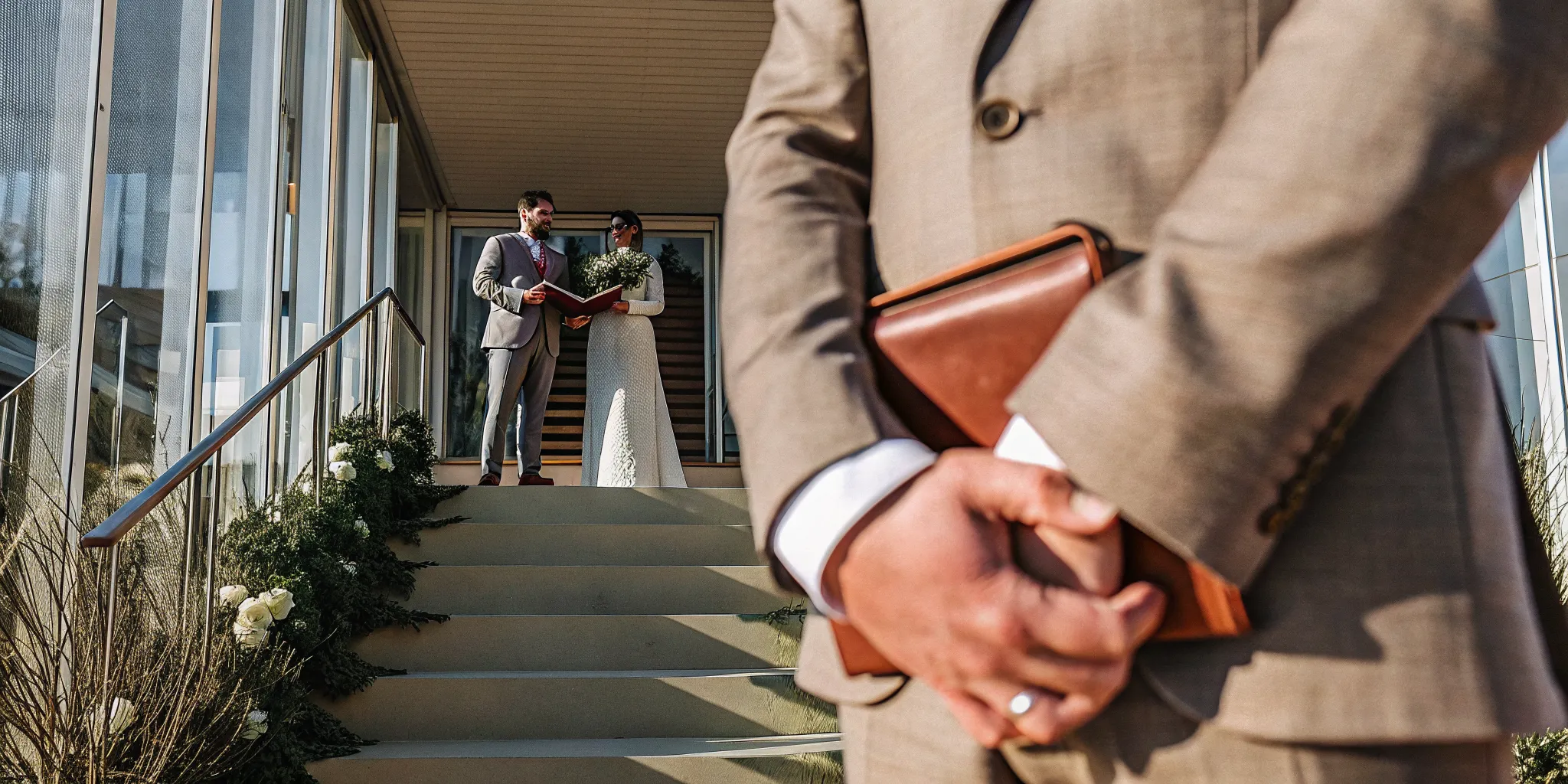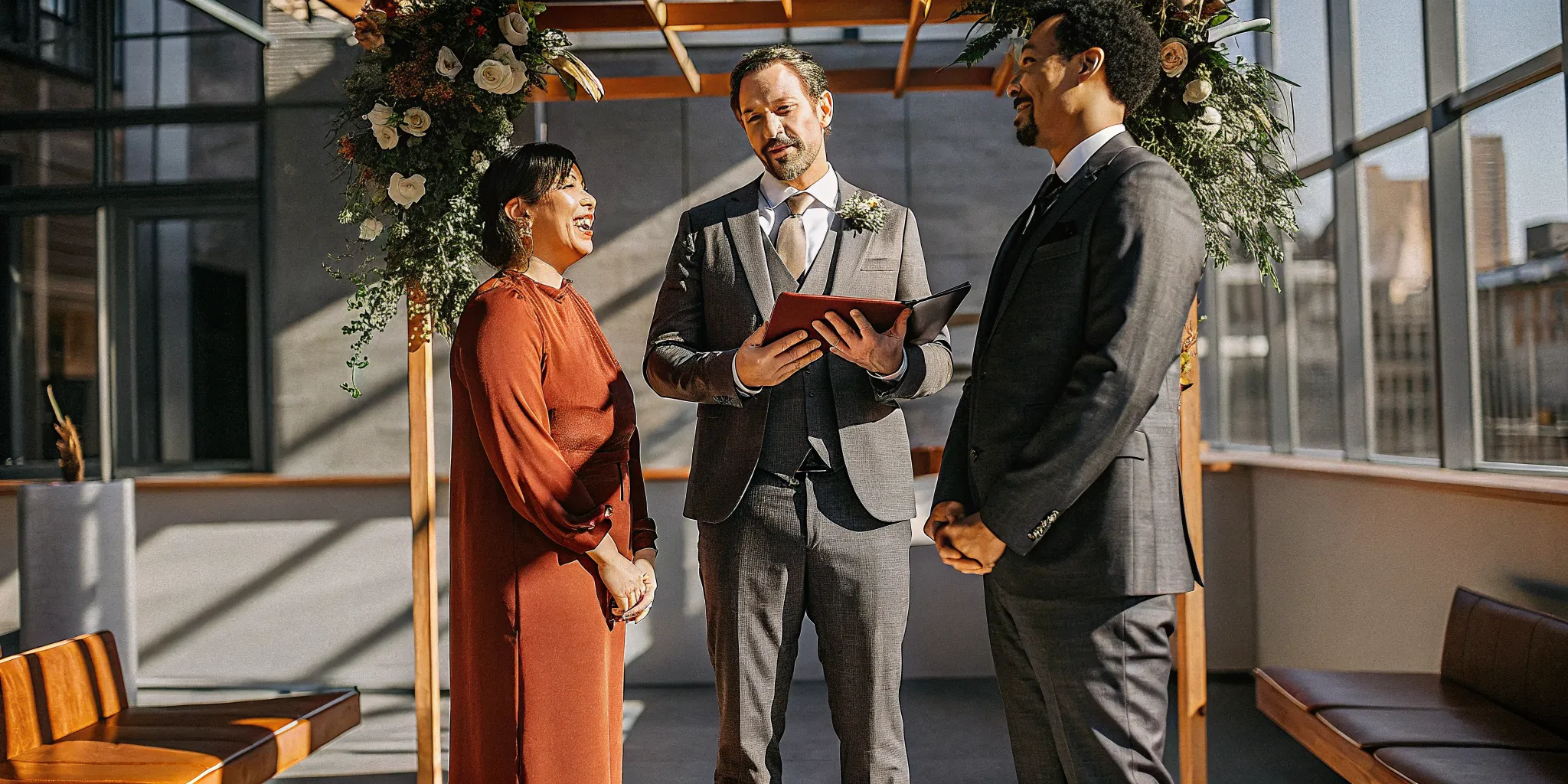




Your best friend just asked you to officiate their wedding. It’s an incredible honor, a testament to your importance in their life. After the initial excitement, a practical question probably follows: “Wait, how do I actually do that?” The answer is simpler than you might think. To legally perform a marriage ceremony for your friends, family, or even as a new career path, you need to get ordained online. This process is your official entry into the world of officiating, but it can bring up questions about legitimacy, legal requirements, and what to do next. This guide will walk you through everything, from the step-by-step process of ordination to crafting a ceremony that beautifully celebrates the couple’s unique love story.
Key Takeaways
- Confirm Local Requirements Before Officiating: An online ordination is legally recognized in most places, but state and county laws determine who can perform a marriage. Always contact the local clerk’s office where the wedding will happen to ensure you follow their specific registration rules.
- Properly Handle the Marriage License: Your most important legal duty is to correctly complete and file the marriage license after the ceremony. Pay close attention to signatures, dates, and filing deadlines to ensure the couple's marriage is officially and legally recognized.
- Go Beyond the Certificate with Training: Your ordination gives you the legal authority to officiate, but professional training gives you the practical skills. Learning how to write a script, speak confidently, and manage a ceremony is what separates a good officiant from a great one.
What Does It Mean to Get Ordained Online?
Getting ordained online means you’re completing a process through a religious organization, like All Faith Ministry, to become a legally recognized minister. This designation gives you the authority to officiate ceremonies, most commonly weddings. Think of it as the modern path to becoming a minister, one that fits your life and allows you to perform a deeply meaningful service for friends, family, or clients. It’s a straightforward way to gain the credentials you need to sign a marriage license and make a couple’s union official.
Is Online Ordination Legit?
This is the first question on everyone’s mind, and the answer is a resounding yes. The vast majority of states recognize ministers ordained online as having the legal authority to officiate weddings. While the ordination itself is valid, your ability to perform a specific wedding depends on local rules. Each state, and sometimes even each county, has its own requirements. Before the big day, you’ll need to check the specific state laws where the ceremony will take place. This simple step ensures everything is official and the marriage is legally binding.
Busting Common Myths About Online Ordination
It’s natural to have questions about a process that seems so accessible. Some people worry that because it’s online, it isn’t serious or legitimate. These concerns often come from outdated ideas about what it means to be a minister. Reputable organizations that offer online ordination are committed to upholding the integrity of the role. We believe that anyone with a sincere desire to unite people in marriage should have the opportunity to do so. It’s not about taking shortcuts; it’s about empowering you to perform a sacred act, guided by a clear code of ethics.
Who Can Get Ordained Online?
The requirements for getting ordained online are refreshingly simple. Generally, if you are at least 18 years old and provide your full legal name, you are eligible. The process is designed to be inclusive, welcoming people from all backgrounds, beliefs, and walks of life. You don’t need a specific religious background or formal theological training to get started. All you need is the calling to help couples celebrate their commitment. If you feel ready to take on this incredible role, you can apply for ordination and begin your journey as a wedding officiant.
How to Get Ordained Online: A Step-by-Step Guide
Becoming an ordained minister online is a straightforward process. Once you decide to take this exciting step, you’ll find that it only takes a few key actions to get legally recognized to perform wedding ceremonies. Think of it as your official entry into the world of officiating. Following these steps will ensure you’re prepared, compliant with local laws, and ready to create a beautiful ceremony for the happy couple. Let’s walk through exactly what you need to do.
Choose a Reputable Ordination Organization
Your first move is to find an organization that feels right for you. A reputable ministry does more than just grant you a title; it provides a foundation of support, resources, and credibility. You want to partner with a group that is legally recognized and respected. When you’re comparing options, consider what kind of community and training they offer. Your ordination is the start of your journey, so it’s wise to choose an organization that will be there to help you succeed as an officiant. We’ll explore a few great choices later on, but for now, focus on finding one whose mission aligns with your own values.
Complete the Online Application
Once you’ve chosen your organization, the next step is to formally apply. This is usually a simple online form that takes just a few minutes to complete. You’ll be asked to provide basic information like your full legal name, address, and email. This information is used to create your official ministerial record, so be sure to double-check everything for accuracy before you submit it. This is the moment it all becomes real. By filling out the application, you are officially stating your intention to become a minister. If you’re ready to begin, you can apply for ordination and take that exciting first step.
Receive Your Ordination Credentials
After your application is processed and approved, you will be officially ordained. To make it official in the eyes of the law, you’ll need your ordination credentials. These are the physical documents that serve as proof of your standing as a minister. You can typically order these directly from your ordaining organization’s store. Your packet might include a certificate of ordination and a letter of good standing, which are often required for government registration. It’s a good idea to keep these documents in a safe place, as you may need to present them to the local county clerk. You can also find other helpful officiant supplies to prepare for the big day.
Register with Local Authorities (If Required)
This final step is absolutely critical: checking and complying with local laws. The requirements for wedding officiants can vary widely from one state, or even one county, to the next. Some jurisdictions may require you to register with the local county clerk’s office before performing a ceremony, while others may not. It is your responsibility to understand and follow the rules for the location where the wedding will take place. Before you officiate any wedding, be sure to check the specific state laws and contact the local marriage license office directly. This ensures the couple’s marriage is legally binding and everything goes smoothly.
Finding the Right Ordination Organization
Once you decide to become an officiant, the next step is choosing an organization to get ordained through. You’ll find several options online, each with a slightly different approach. The right one for you will align with your personal beliefs and provide the support you need to perform ceremonies with confidence. Think about what’s important to you, whether it’s comprehensive training, a strong community, or simply a clear, legal path to ordination. To help you get started, here’s a look at some of the most well-known organizations that can help you achieve your goal.
All Faith Ministry
At All Faith Ministry, we focus on providing a supportive and legally sound foundation for your journey as an officiant. We are a non-denominational ministry that is legally recognized across the United States. Our process ensures you receive the official documentation needed to legally perform weddings and other ceremonies in your state. Beyond just the paperwork, we are committed to helping you thrive. We offer comprehensive wedding officiant training and a strong code of ethics to guide you. Our goal is to empower you to create meaningful, memorable ceremonies while feeling fully prepared and supported every step of the way.
Universal Life Church
The Universal Life Church (ULC) is known for making ordination accessible to a wide audience. You don’t need a specific religious background or prior experience to become a minister through their organization. The ULC’s ordination allows you to legally perform a variety of ceremonies, including weddings, baptisms, and funerals. This broad approach makes it a popular choice for individuals who want the flexibility to preside over different types of life events. Their process is designed to be quick and straightforward, allowing you to get started as an officiant without a lengthy commitment.
American Marriage Ministries
American Marriage Ministries (AMM) is another prominent organization that focuses specifically on preparing people to officiate weddings. Their core belief is that every couple has the right to choose who presides over their ceremony. AMM provides online ordination that is recognized in most states, allowing you to become a legally recognized minister. They offer a range of resources tailored to wedding officiants, including ceremony scripts and legal guidance. This makes them a solid option if your primary goal is to officiate weddings for friends, family, or as a professional service.
Open Ministry
Open Ministry presents a direct path to becoming an ordained minister online. They aim to provide a simple and affordable alternative to traditional religious education. Like other online ministries, their ordination allows you to legally perform weddings and other ceremonies. They provide the necessary documentation and support to help you understand your role and responsibilities as an officiant. Their process is designed to be clear and uncomplicated, making it a good choice for those who want to get ordained without navigating a complex system.
How to Choose the Right Organization for You
When picking an organization, consider what aligns best with your personal values and goals. Think about the kind of support you want. Do you need in-depth training, or are you just looking for the legal credentials? It’s also crucial to check the specific marriage laws in the state where you plan to officiate. Not all online ordinations are viewed the same way everywhere. Before you commit, take some time to review the state laws to ensure the ordination you choose will be recognized. This simple step will save you headaches later and ensure the couple’s big day is official.
The Nitty-Gritty: Costs and Legal Requirements
Getting ordained online is straightforward, but to ensure the weddings you perform are legally sound, you need to handle a few key details. This is the practical side of becoming an officiant, from understanding fees to managing legal paperwork. Getting these steps right from the start allows you to focus on what really matters: creating a beautiful and memorable ceremony for the happy couple. Let's walk through exactly what you need to know about the costs, laws, and documents involved.
Breaking Down the Fees
While the initial online application may not have a fee, you will need to purchase official documents to legally perform a ceremony. Think of these as your professional credentials. Items like your ordination certificate are what you’ll present to local officials to prove your status. You can find all the necessary paperwork and other helpful resources in the AFM Store. It’s a small but essential investment to make your role in a couple's big day legitimate and stress-free.
Know Your State's Marriage Laws
This is a big one. Your online ordination is legally valid, but your authority to officiate is determined by local rules. Marriage laws vary a lot between states and even counties. Before you agree to officiate, you must check the specific requirements for the ceremony's location. Some places require you to register with the local clerk's office. Taking a moment to review the state laws ensures the couple's marriage is legally binding and saves everyone from future headaches.
Getting Your Ordination Paperwork
Once you’re ordained, you have the legal standing to sign a marriage license. But to do that, you’ll need proof. This is where your official paperwork comes in. After you apply for ordination, you’ll want to order your physical documents, like a minister’s license. These are the credentials you’ll show to a county clerk if they ask for proof. Having these documents ready shows you’re a prepared and professional officiant, ready to make the day official.
Your Role in Filing the Marriage License
Your job isn’t done when the couple shares their first kiss as a married pair. The marriage isn't legally recognized until the license is correctly filled out and filed. This is a critical responsibility. After you, the couple, and any witnesses sign the license, it’s typically your duty to return it to the local officials. Pay close attention to the deadline, as it’s often very strict. Filing the license promptly is the final, crucial step in making the marriage official.
Common Hurdles for New Officiants (and How to Clear Them)
Once you have your ordination, the real fun begins. But let's be honest, stepping into the role of an officiant for the first time can bring up a few questions. You might be wondering about the legal paperwork, how you'll feel speaking in front of a crowd, or what it takes to write a ceremony that feels truly special. These are completely normal thoughts, and every great officiant has been in your shoes. The good news is that these hurdles are easy to clear with a little preparation. Think of them not as roadblocks, but as stepping stones on your path to performing a beautiful, memorable ceremony. Let’s walk through some of the most common challenges and the simple, actionable steps you can take to feel confident and prepared.
Making Sense of Local Laws and Paperwork
The legal side of officiating can seem intimidating, but it’s more straightforward than you might think. While your online ordination is legally valid in the vast majority of states, your ability to perform a marriage is ultimately governed by local rules. This means the county clerk’s office is your best friend. Before the big day, you’ll need to check their specific requirements for officiant registration. Some counties may ask you to register in person and show your ordination credentials, while others have no registration requirements at all. Taking a few minutes to understand your local state laws will ensure everything is official and give you, and the couple, complete peace of mind. It’s a simple step that makes all the difference.
How to Speak Confidently in Public
If the thought of speaking in front of a crowd makes your palms sweat, you are not alone. The key to confidence is preparation. First, practice reading the ceremony script out loud multiple times until it feels natural. You don’t need to memorize it, but you should be very familiar with the flow. On the wedding day, remember to speak slowly, make eye contact with the couple, and smile. Your focus should be on them and the commitment they are making, not the audience. This isn’t a performance; it’s a heartfelt moment you get to lead. Remember that professional officiants gain their confidence through experience and great wedding officiant training, which gives them the tools to handle any situation with grace.
Writing a Ceremony That Shines
Your role is to create a ceremony that reflects the couple’s unique love story. The best way to do this is by working with them directly. Ask them questions about how they met, what they love about each other, and what marriage means to them. You can use their answers to weave personal anecdotes and details into the script. While there are certain elements a ceremony needs, you have plenty of room for creativity. Start with a basic structure (welcome, readings, vows, ring exchange, pronouncement) and then build upon it. Choosing to get ordained with a supportive organization means you get more than just a certificate; you gain the skills needed to craft a ceremony that guests will be talking about for years.
Keeping the Ceremony on Track
On the wedding day, you are the calm anchor. To ensure everything runs smoothly, have a printed copy of the ceremony script with you, even if you feel like you know it by heart. It’s also helpful to do a quick run-through of the key moments with the couple before the ceremony begins. Legally, the two most important parts are the declaration of intent (the "I do's") and the pronouncement, where you officially declare them married. After that, your final critical task is to properly sign the marriage license along with the couple and any required witnesses. Fulfilling these duties correctly is a core part of your responsibility and is central to our code of ethics.
You're Ordained! Now What? Support for Your Journey
Congratulations, you did it! Holding that ordination certificate is a huge first step. But what comes next? Becoming a wedding officiant is more than just a title; it’s a role that requires skill, confidence, and a bit of know-how. The good news is you don’t have to figure it all out on your own. Your ordination is the beginning of the journey, and there are plenty of resources available to help you grow into a poised and prepared officiant. From practical training to legal guidance, the support you need is right at your fingertips. Let’s look at the key resources that will help you turn your new credentials into a fulfilling practice, whether you’re officiating for a loved one or building a new career.
Hone Your Skills with Officiant Training
While your ordination makes it legal for you to perform a wedding, it doesn’t automatically teach you how to perform one. That’s where training comes in. Taking a dedicated course can transform you from someone who is simply authorized to officiate into someone who can lead a ceremony with grace and confidence. Comprehensive wedding officiant training walks you through every part of the process, from the initial couple consultation to writing the script and managing the ceremony flow. It’s the best way to calm those pre-ceremony jitters and ensure you’re fully prepared to create a memorable experience for the couple.
Find Ceremony Scripts and Templates
Staring at a blank page while trying to write your first wedding script can be intimidating. You want it to be personal and heartfelt, but you also need to include all the essential elements. This is why having access to ceremony scripts and templates is a game-changer. These resources provide a solid structure you can build upon, allowing you to customize the ceremony to reflect the couple’s unique story. When you apply for ordination, many packages include these valuable tools. Using a template ensures you don’t miss any key components while giving you the creative freedom to make the ceremony truly special.
Connect with a Community of Officiants
Embarking on your first few ceremonies can feel a little isolating, but you’re part of a larger community of people doing this important work. Connecting with other officiants is a fantastic way to get advice, share stories, and find encouragement. Whether through online forums or local groups, having a network of peers gives you a space to ask questions and learn from the experiences of others. It’s also a great way to stay inspired and remember the shared purpose that unites all officiants: celebrating love. Upholding a professional Code of Ethics is another way to feel connected to this community and its standards.
Get Ongoing Legal and Professional Support
Marriage laws can be tricky, and they vary from one place to another. As an officiant, it’s your responsibility to make sure every wedding you perform is legally sound. This means staying informed about your local requirements for signing and filing the marriage license. Don’t leave this to guesswork. Reputable organizations provide ongoing support and resources to help you understand the specific rules in your area. Regularly checking the state laws where you’ll be officiating is a crucial step in performing your duties correctly and giving your couples peace of mind.
Related Articles
- How to Get Ordained Online Fast: A 3-Step Guide
- How to Be Ordained Online: The Complete Guide
- How to Get Ordained Online for Free: A Simple Guide
- Get Ordained Online in 5 Minutes: A Simple Guide
- How to Get Ordained Online Free: 5 Best Places
Frequently Asked Questions
Is online ordination really legal for performing a wedding? Yes, it absolutely is. In the vast majority of states, ministers who get ordained online have the same legal authority to officiate weddings as any other member of the clergy. The most important thing to remember is that your ability to perform a specific wedding is governed by local rules. You must always check the requirements in the county where the ceremony will take place to ensure the marriage is official and legally binding.
What are the actual costs involved in getting ordained? While the initial application to become ordained may not have a fee, you will need to purchase your official credentials to legally perform a ceremony. These documents, such as your ordination certificate, are what you will use as proof of your status with government officials. It’s a small but necessary investment to ensure you are fully prepared and recognized as a legal officiant.
Do I need any special qualifications or a religious background to do this? Not at all. The process is designed to be open and inclusive, so you don’t need a specific religious background or formal theological training. Generally, the main requirement is that you are at least 18 years old. The most important qualification is simply having a genuine desire to help couples celebrate their commitment to one another.
What is the single most important step to ensure the marriage is legal? Your most critical responsibility is to research and follow the local marriage laws for the exact location of the wedding. These requirements can vary significantly from one state to another, and even between different counties. Contacting the local county clerk’s office before the ceremony is the best way to confirm their rules for officiant registration and properly filing the marriage license.
I'm ordained, but now I'm nervous. What's the best way to prepare for the actual ceremony? Feeling nervous is completely normal, and it shows you care about doing a great job. The best way to build your confidence is through preparation. Taking a dedicated officiant training course can give you a solid framework for everything from writing a script to managing the ceremony. Practicing the ceremony out loud and working closely with the couple to personalize their story will also help you feel poised and ready for their big day.