

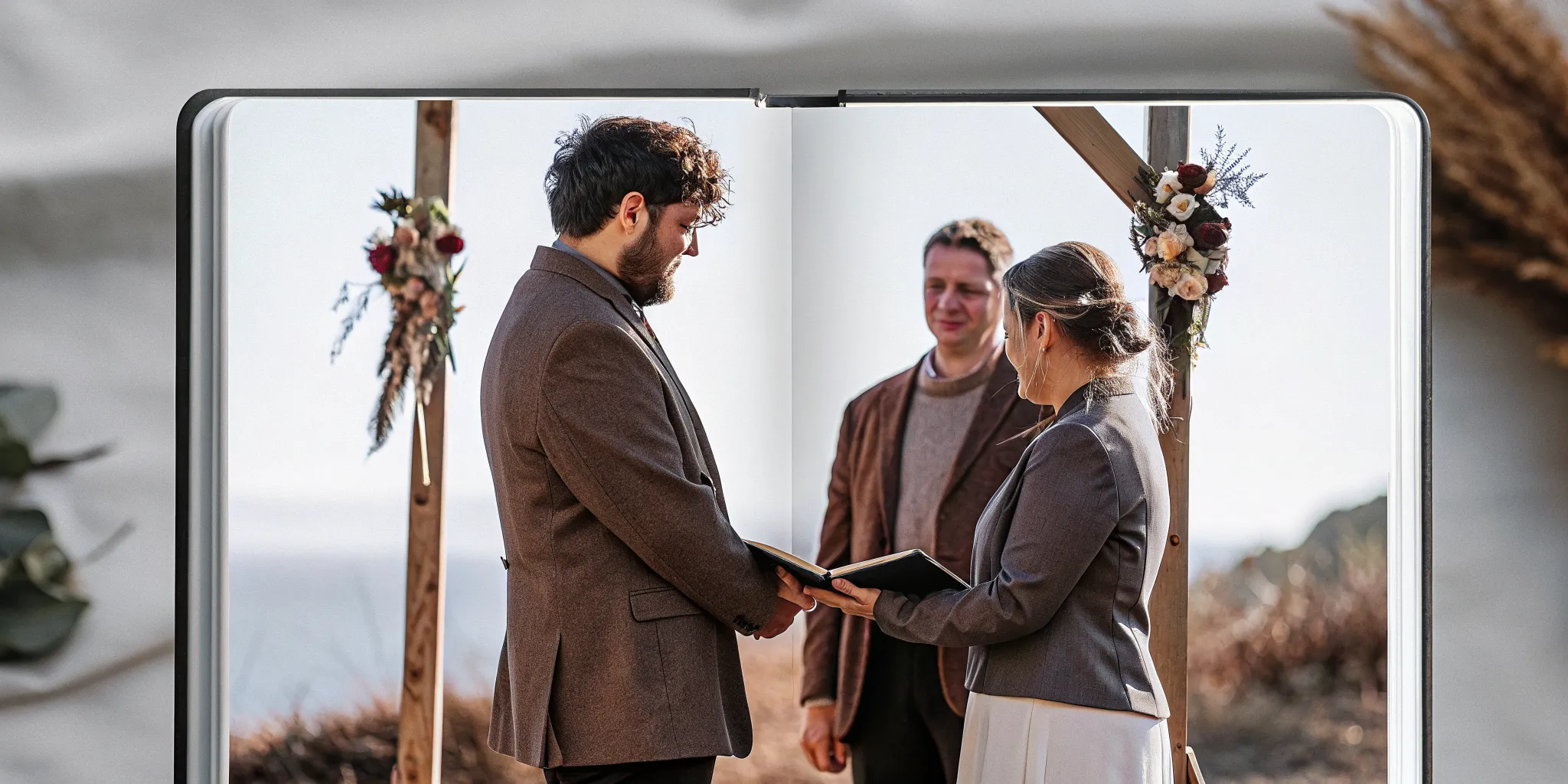

Couples often choose to elope to escape the cookie-cutter traditions of a large wedding. They want a day that is entirely their own, a true reflection of their relationship. As their officiant, you have the incredible opportunity to help them create that. The secret lies in a personalized elopement ceremony script. Moving beyond generic templates allows you to weave their unique love story, inside jokes, and meaningful rituals into the fabric of their ceremony. This guide is all about personalization. We’ll explore how to ask the right questions and listen for the details that will transform a simple script into a cherished keepsake, creating a moment that is as unique as the couple standing before you.
Key Takeaways
- A Script Provides Essential Structure: Even the most spontaneous elopement needs a plan. A script ensures you cover all legal necessities, like the declaration of intent, while creating a natural flow that makes the ceremony feel significant and complete.
- Make It Uniquely Theirs: The best ceremonies tell the couple's story. Go beyond a generic template by asking them about their relationship, favorite memories, and inside jokes, then weave those personal details into every part of the script.
- Rehearse for a Flawless Delivery: Reading your script aloud is a crucial final step. It helps you find a comfortable rhythm, catch any awkward phrasing, and time the ceremony perfectly, allowing you to lead the couple through their big moment with confidence.
What Is an Elopement Ceremony Script?
Think of an elopement ceremony script as the roadmap for the big moment. It’s a written outline that guides you, the couple, and any witnesses through the ceremony from start to finish. While elopements are known for their spontaneity and intimacy, a script ensures that the experience is both meaningful and complete. It prevents those awkward "what's next?" pauses and makes sure you hit all the essential beats that make a wedding ceremony special.
A typical script includes a few key parts: an introduction or welcome, the exchange of vows, the ring exchange, and the final pronouncement. Having these elements planned out gives the ceremony a beautiful, natural flow. It provides a structure that you can then fill with the couple’s unique personality and love story. As an officiant, creating this script is one of your most important jobs. It’s the framework upon which a beautiful, memorable, and legally sound union is built. Our wedding officiant training covers how to masterfully craft these scripts for any type of ceremony.
Why Structure Matters, Even for Intimate Ceremonies
It’s a common myth that because elopements are small, they don’t need a plan. But structure isn’t about being rigid; it’s about being intentional. A well-crafted script ensures the ceremony feels like a significant, heartfelt occasion rather than a quick formality. It gives you a foundation to build upon, allowing you to weave in personal stories, inside jokes, or unique rituals that truly represent the couple.
This structure is your key to personalization. It creates designated moments for the couple to share their promises and for you to speak about their relationship. By having a plan, you can focus on delivering a warm, confident, and moving ceremony. It’s your responsibility to create an experience that honors their commitment, and a thoughtful script is the best tool for the job.
Covering the Legal Essentials
While the romantic elements are fun to plan, the legal components are non-negotiable. An elopement is a legally binding event, and your script must include any language required by law to make the marriage official. These requirements can vary significantly depending on the location, so it’s crucial to do your homework. Forgetting this step can cause major headaches for the couple down the road.
Before you even start writing, research the specific marriage laws for the state and county where the ceremony will take place. You can find a great starting point on our state laws resource page. Your script needs to incorporate the required declaration of intent ("Do you take...?") and the official pronouncement. As the officiant, you are responsible for ensuring the ceremony is not only beautiful but also legally sound.
The Key Elements of Every Elopement Script
Even the most spontaneous-feeling elopement has a framework. Think of a script not as a rigid set of rules, but as a flexible container that holds all the most important moments of the ceremony. It ensures you cover the legal necessities while creating a flow that feels natural, meaningful, and completely focused on the couple. A great script builds emotion from the welcome to the final pronouncement, making the experience unforgettable for everyone involved.
The Welcome and Opening Remarks
This is your chance to set the tone for the entire ceremony. Start with a warm, genuine welcome that acknowledges the couple and any guests they’ve brought along. Your opening remarks should ground everyone in the significance of the moment. You can speak about the beauty of their decision to elope, the commitment they are about to make, or the adventure that lies ahead. This introduction doesn’t need to be long, but it should be heartfelt. It’s the official start of the ceremony and a moment to transition from everyday life into a sacred space, all while upholding a professional and caring presence as outlined in our Code of Ethics.
The Vows and Declaration of Intent
This is the heart of the ceremony. It typically includes two key parts: the Declaration of Intent and the personal vows. The Declaration of Intent, or the "I do's," is where you formally ask each partner if they are there of their own free will to marry the other. This is often a legal requirement, so it’s a non-negotiable part of the script. After this, the couple shares their personal vows. This is their opportunity to express their love, promises, and dreams for the future. As an officiant, you can help them prepare, but the words should come straight from their hearts. Always check your local state laws to ensure your wording for the declaration meets all legal standards.
The Ring Exchange and Pronouncement
The ring exchange is a powerful, tangible symbol of the couple’s promises. As they place the rings on each other’s fingers, you can explain the symbolism of the unbroken circle representing eternal love and commitment. A beautiful line to include is, "Your wedding rings are the outward and visible sign of the inward and invisible bond which already unites your two hearts in love." Following the ring exchange comes the pronouncement. This is the celebratory moment where you officially declare them married. With excitement and joy, you can say the classic words, "I now pronounce you married!" before inviting them to share their first kiss as a married couple.
Optional Unity Ceremonies and Closing Remarks
Incorporating a unity ceremony is a wonderful way to personalize an elopement. These rituals aren't just for large weddings; they can be incredibly intimate and meaningful for a small ceremony. Couples could do a handfasting, mix a custom cocktail, plant a small tree, or create a piece of art together. Our wedding officiant training offers more ideas on how to facilitate these moments. After any unity rituals, you’ll deliver the closing remarks. This is a final blessing or a few words of encouragement for their journey ahead. You’ll then present the happy couple to the world for the very first time, concluding the ceremony on a joyful high note.
How to Personalize an Elopement Script for Your Couple
The real magic of an elopement lies in its intimacy. Because the guest list is small (or nonexistent), you have the freedom to create a ceremony that is deeply personal and focused entirely on the couple. This is your chance to move beyond a generic template and craft an experience that tells their unique story. As their officiant, your role is to be their guide and storyteller, helping them find the words and rituals that feel true to them.
An elopement ceremony should be personal, meaningful, and unforgettable. It’s an opportunity to celebrate not just the marriage, but the specific journey the couple has taken to get there. By asking thoughtful questions and listening closely, you can gather the details that will transform a simple ceremony into a cherished memory. This is a skill that takes practice, but our wedding officiant training is designed to help you master the art of crafting beautiful, customized ceremonies for every couple you work with. The following tips will help you get started.
Weave in Their Unique Love Story
Every couple has a story, and it’s the heart of their ceremony. Before you write a single word, take the time to learn theirs. Ask them how they met, what their first impressions were, and when they knew they had found their person. Inquire about their favorite memories, the challenges they’ve overcome together, and what they love most about each other. These details are the raw material for a truly personal script. You can weave these anecdotes into your opening remarks or use them to frame the vows, making the ceremony a true reflection of their relationship. Elopement ceremonies are already inherently unique; go a step further and craft a script that represents their specific journey.
Include Meaningful Traditions and Rituals
Rituals help mark the significance of the moment and can make the ceremony feel more grounded and intentional. While you can certainly use traditional unity ceremonies like lighting a candle or a sand ceremony, elopements are the perfect setting for more creative ideas. You could perform a handfasting with ribbons that represent their values, have the couple plant a small tree together, or guide them in creating a time capsule with letters to their future selves. The key is to choose a ritual that resonates with the couple’s beliefs and personality. It’s a beautiful way to add a layer of symbolism and create a tangible memory of their commitment.
Find a Theme That Reflects Their Vibe
Is the couple adventurous and outdoorsy, or are they quiet homebodies? Are they goofy and lighthearted, or deeply spiritual? The tone of the ceremony script should match their energy. A couple getting married on a mountaintop might appreciate a theme of adventure and partnership, while a couple eloping in their backyard might prefer a theme centered on home and comfort. You can emphasize universal themes like love, connection, and gratitude, but frame them in a way that feels authentic to the couple. Always remember to honor their individual beliefs and values, which is a core principle of our Code of Ethics.
Add Meaningful Readings or Quotes
Incorporating a reading is a wonderful way to add depth and emotion to the ceremony. Ask the couple if they have a favorite poem, a passage from a book, or lyrics from a song that holds special meaning for them. If they’re not sure where to start, you can offer suggestions based on the theme and vibe you’ve already discussed. The reading doesn’t have to be a traditional wedding text; it could be a quote from their favorite movie or a passage from a children’s book. The goal is to find words that speak to their hearts and help articulate the love they share.
Create Custom Symbolic Gestures
Beyond a large unity ritual, small symbolic gestures can make an elopement ceremony incredibly powerful. One of the most intimate options is to have the couple write private vows. They can read these to each other before the ceremony begins or seal them in a box to be opened on a future anniversary. You could also have them exchange a small, meaningful gift that isn't their rings. If the location is significant, encourage them to take a moment to simply absorb their surroundings together. These quiet, personal moments are often the most memorable parts of the day, and you can find beautiful vow books and other keepsakes in the AFM Store to help facilitate them.
Common Script-Writing Mistakes to Avoid
Crafting a beautiful elopement script is about more than just finding the right words; it’s also about sidestepping the common mistakes that can make a ceremony feel impersonal or disorganized. Even the most intimate ceremonies deserve careful thought to ensure every moment feels intentional and flows smoothly. From using generic templates to forgetting crucial legal phrases, a few simple missteps can take away from the magic of the day.
Think of yourself as the guardian of the couple’s ceremony experience. Your preparation ensures they can relax and be fully present. By being aware of these potential pitfalls, you can confidently create a script that is both deeply personal and professionally executed. The goal is to build a seamless experience that honors their love story without any awkward pauses or missed details. Our wedding officiant training is designed to help you master these details, turning you into a polished and confident professional who can handle any ceremony with grace. Let’s look at the most common mistakes and how you can easily avoid them.
Using a One-Size-Fits-All Template
An elopement is the ultimate expression of a couple’s unique relationship, so the script should reflect that. Grabbing a generic template online and reading it word-for-word is one of the quickest ways to make a ceremony feel disconnected and impersonal. Couples choose to elope to escape the cookie-cutter nature of traditional weddings, and their ceremony should honor that choice. Use templates as a guide for structure, but the heart of the script, the stories, the inside jokes, and the promises, must come from the couple. This commitment to personalization is a core part of an officiant's professional code of ethics, ensuring you always put the couple's unique story first.
Forgetting Key Legal Wording
While an elopement can feel wonderfully informal, it is still a legally binding event. Forgetting the required legal wording is a critical error that could jeopardize the validity of the marriage. Every ceremony must include a clear "Declaration of Intent," where the couple verbally consents to marry each other. You also need to deliver the official "Pronouncement" to finalize the union. These elements are non-negotiable. Before the ceremony, take the time to research the specific marriage laws for the state where you'll be officiating. Each state has slightly different requirements, and our guide to state laws is a great place to start your research.
Not Practicing the Flow
Even a short and simple elopement script needs a practice run. Reading your script out loud helps you catch any clunky sentences, find a natural rhythm, and get the timing right. A lack of practice can lead to awkward pauses, fumbling over words, or rushing through important moments. Consider the physical movements, too. When will the couple exchange rings? When should you step aside for the first kiss photo? A quick rehearsal, even by yourself, ensures a smooth and polished delivery. This preparation helps you guide the couple and any guests through the ceremony with confidence, making the entire experience feel effortless and professional.
Writing a Script That's Too Long or Rushed
Finding the right length for an elopement script is a delicate balance. You don’t want to overload the day with a long, drawn-out ceremony, but you also don’t want to rush through it so quickly that the moment loses its impact. A typical elopement ceremony lasts between 10 and 20 minutes. This provides enough time for a heartfelt welcome, personal vows, the ring exchange, and the pronouncement without feeling hurried. Time yourself during your practice run to see how long it takes. Remember, the goal is to create an intimate and meaningful experience, not to fill time. Focus on quality over quantity, ensuring every word you include serves a purpose.
Forgetting to Mention Guests (If Any)
While many couples elope alone, some choose to bring a few close friends or family members to witness their marriage. If guests are present, it’s a wonderful touch to acknowledge them in the ceremony script. Forgetting to do so can make them feel like spectators rather than cherished participants. You don’t need to do anything elaborate. A simple line in the opening remarks, such as, "Welcome, loved ones. We are so grateful you are here to share in this special moment," is enough. This small gesture creates a warm and inclusive atmosphere, honoring the people the couple chose to have by their side.
Elopement Script Templates and Resources
Starting with a blank page can feel intimidating, both for you and the couple. That’s where templates and examples come in handy. Think of them not as rigid rules, but as a flexible foundation you can build upon. Having a few different styles in your toolkit helps you guide couples toward a ceremony that feels just right for them. These resources can spark ideas, provide structure, and ensure you include all the essential elements while leaving plenty of room for personalization. You can even find helpful guides and workbooks in our AFM Store to get you started.
A Classic Elopement Script Template
For couples who love tradition, a classic script provides a timeless and recognizable structure. This approach typically includes five key parts: the introduction, the vows, the ring exchange, the proclamation of marriage, and the closing remarks. It’s a straightforward framework that ensures the ceremony flows smoothly and feels complete. While the structure is traditional, the content doesn’t have to be. You can help the couple personalize each section with their own words, making it a perfect blend of classic elegance and modern intimacy. This structure is a fantastic starting point for crafting a meaningful ceremony.
A Modern, Casual Script Example
Many couples elope specifically to escape the formality of a traditional wedding. For them, a modern, casual script is the perfect fit. This style is all about reflecting the couple’s unique personality and relationship. Encourage them to share inside jokes, tell the story of how they met, or include quotes from their favorite movies. The tone can be more conversational and lighthearted, making the ceremony feel like an intimate chat between friends. The goal is to create an elopement ceremony script that is a true representation of their love story, without any of the stuffiness they wanted to avoid.
An Adventurous, Nature-Inspired Script
Since many elopements take place in breathtaking natural settings, weaving the location into the ceremony can make it even more special. An adventurous, nature-inspired script draws on the beauty of the surroundings, whether it’s a dense forest, a mountain peak, or a sandy beach. You could include a grounding ritual to connect the couple to the earth, reference the strength of the mountains in their vows, or use a quote about the vastness of the ocean. A forest-themed wedding ceremony might even incorporate a ring-warming ritual, passing the rings among the few guests present to offer blessings.
Guiding Couples Through the Process
As an officiant, one of your most important roles is to be a guide. Most couples have never written a ceremony script before and will look to you for direction. You can provide them with questionnaires, prompts, or workbooks to help them brainstorm. Ask them about their relationship, what they love most about each other, and what marriage means to them. This process not only helps you gather material for the script but also makes the couple feel more involved and connected to their ceremony. Our wedding officiant training covers how to masterfully guide couples through this creative and personal journey.
More Tools for Writing a Flawless Script
Building a personal library of resources will make you a more versatile and confident officiant. Look for inspiration everywhere: in poetry, literature, and even song lyrics. You can find excellent pre-written scripts online that focus on universal themes like love, connection, and gratitude. These can be a great source of inspiration when you’re feeling stuck. Websites like Etsy offer a variety of downloadable resources, including elopement ceremony script bundles that you can adapt. The more examples you read, the easier it will become to mix, match, and create something truly unique for every couple you work with.
Related Articles
- Romantic Wedding Ceremony Script: A Complete Guide
- Short Wedding Ceremony Script: A Simple Guide
- How to Craft a Unique Wedding Ceremony Script for Officiant
- Wedding Ceremony Script Examples: A Complete Guide
- Your Complete Non-Denominational Wedding Officiant Script
Frequently Asked Questions
Why can't I just wing it for an elopement? It's supposed to be spontaneous. Think of a script less as a rigid set of lines and more as a safety net. It ensures you cover the legally required statements and gives the ceremony a beautiful, intentional flow. True spontaneity for the couple comes from knowing they can relax and be in the moment because you have a plan. The script is your tool to create a seamless experience, which allows for genuine, unscripted emotions to shine through without any awkward pauses.
How long should an elopement ceremony actually be? A great target is between 10 and 20 minutes. This is the sweet spot that feels significant without dragging on. It gives you enough time for a warm welcome, the couple's personal vows, a ring exchange, and a joyful pronouncement. Any shorter can feel rushed, and any longer can lose the focused, intimate energy that makes an elopement so special.
What's the single most important thing I can't forget to include in the script? While the personal vows are the heart of the ceremony, the legal wording is the non-negotiable backbone. You absolutely must include the Declaration of Intent, which is the part where each person clearly states their intention to marry the other. Without this and the final pronouncement, the marriage might not be legally valid. Always double-check your state's specific requirements.
How do I get personal stories from a couple without making it feel like an interview? Keep it conversational. Instead of sending a formal questionnaire, suggest a casual video call or meeting for coffee. Ask open-ended questions that invite storytelling, like "What's a small, everyday thing you love about your life together?" or "Tell me about the moment you knew you wanted to build a future with them." This approach turns a fact-finding mission into a genuine conversation about their relationship.
What if the couple is shy and doesn't want a super personal or customized ceremony? Personalization doesn't always mean sharing deep secrets. It can simply be about matching the ceremony's tone to the couple's personality. For a more reserved couple, you can build a beautiful ceremony around classic poetry, universal themes of partnership, or a simple, quiet unity ritual. The goal is to create an experience that feels authentic and comfortable for them, and a sincere, traditional ceremony is just as meaningful as one filled with personal anecdotes.