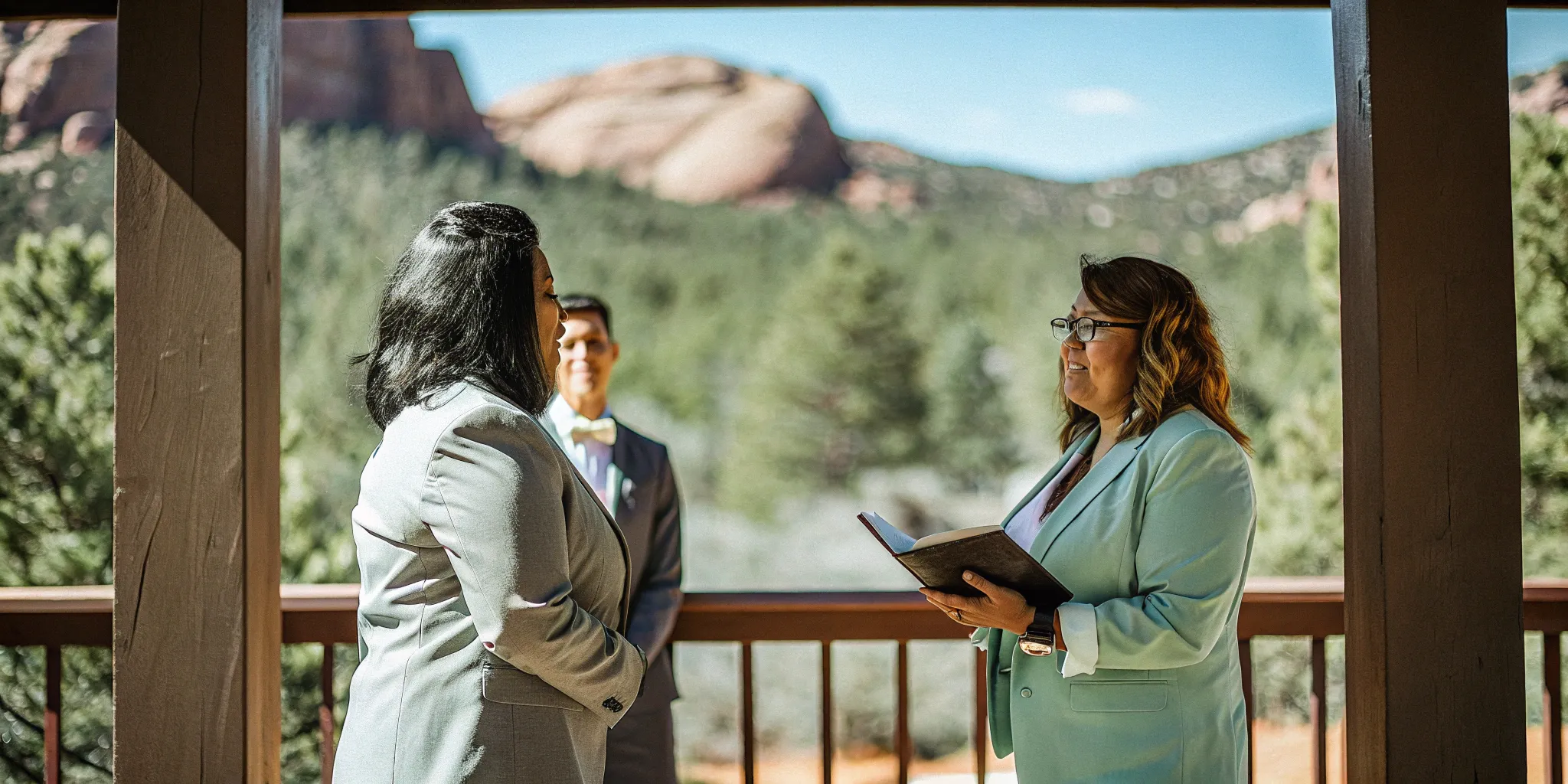
So, your best friend or your sibling just asked you to officiate their wedding. What an incredible honor! After the initial excitement, you might be thinking, "Okay, now what?" While you’re probably already dreaming up the perfect ceremony script, there’s a crucial piece of the puzzle you can’t overlook: the legal side. Your role is to ensure their marriage is not just a beautiful memory, but a legally sound union. This guide breaks down exactly how to legally marry someone, from understanding the marriage license to knowing your responsibilities after the "I do's." We’ll give you the confidence to handle the paperwork like a pro, so you can focus on delivering a heartfelt ceremony for the people you love.
Key Takeaways
- Your Ordination is Your Credential, the License is Your Responsibility: Getting ordained gives you the legal authority to perform a wedding. Your most important job on the day, however, is ensuring the marriage license is filled out perfectly, signed correctly, and returned on time.
- Know the License's Lifespan: A marriage license has a specific window of validity. Always check for a mandatory waiting period after it's issued and confirm the expiration date to ensure the ceremony is performed at the right time.
- Local Laws are Your Rulebook: Marriage laws change significantly from one state to another. Before officiating, always confirm the local requirements for everything from witness signatures to filing deadlines to ensure the union is legally sound.
What Does It Mean to Legally Marry Someone?
When you officiate a wedding, you’re doing more than just leading a ceremony—you’re acting as an agent of the state, validating a legal contract between two people. It’s a common misconception that you need a special “license to marry people,” similar to a driver’s license. Instead, your authority comes from your legal status as an officiant. For most people stepping into this role, the simplest path is to become an ordained minister.
Your primary legal responsibility is to ensure the couple’s marriage license is completed accurately and returned to the proper government office after the ceremony. You are the final, crucial link in the chain that makes a marriage official. This means you need to understand the difference between the wedding day festivities and the legal requirements that underpin them. While the couple is focused on their vows and celebrating with loved ones, you are the one ensuring every box is checked so their union is legally sound. It’s a significant responsibility, but with the right preparation, it’s one you can handle with confidence and grace.
The Difference Between a Marriage and a Wedding
It’s helpful to think of it this way: a wedding is the event, but a marriage is the legal outcome. The wedding is the beautiful ceremony, the heartfelt vows, and the celebration with friends and family. The marriage is the legally recognized union that grants the couple rights and responsibilities under the law. As an officiant, you bridge the gap between the two.
The key documents involved are the marriage license and the marriage certificate. A marriage license gives the couple permission to get married. After you perform the ceremony and everyone signs the license, it’s filed with the county clerk. Once processed, the couple receives a marriage certificate, which is the official document that proves they are legally married.
What Makes a Marriage Legally Recognized?
For a marriage to be legally recognized by the state, a few key things must happen. First, the couple is responsible for obtaining a valid marriage license from a government office, usually the county clerk, before the wedding day. To do this, they typically need to provide government-issued photo IDs, like a driver’s license or passport, and pay a fee. Depending on the location, they might also need documents like birth certificates or Social Security cards.
Your role as the officiant begins once they have this license in hand. You must verify the document, perform the ceremony within the timeframe the license is valid, and properly sign it along with the couple and any required witnesses. Because these rules can differ slightly from place to place, it’s always a good idea to be familiar with your local state laws.
What Are the Legal Requirements for Marriage in Your State?
As the officiant, you aren't responsible for getting the marriage license—that's the couple's job. However, understanding the basic legal requirements will make you a more confident and prepared guide for them. Think of yourself as the knowledgeable captain of the ceremony ship; while the couple provides the map (the license), you need to know how to read it. Every state has its own rules for who can legally marry, and these details are incredibly important. A simple mistake, like an expired license or a missing witness signature, can cause major headaches and even questions about the marriage's validity down the road.
Before you perform any ceremony, it's a great idea to familiarize yourself with the specific state laws where you'll be officiating. This knowledge helps you answer questions, spot potential issues before they become problems, and ensure everything goes smoothly on the big day. Knowing the basics, from age requirements to what documents the couple needs to bring, shows your professionalism and gives the couple peace of mind. It helps you double-check the license before the ceremony and confidently guide the couple through the signing process afterward. Below, we’ll cover the three main areas of legal requirements you should be aware of so you can support your couples with confidence.
Age and Consent Requirements
The most fundamental requirement for marriage is age. Across the United States, the standard age to marry without any special permissions is 18. If either person is younger than 18, state laws get more complex. Most states will require consent from a parent or legal guardian, and some may even require a judge's approval. These rules are in place to protect minors and ensure they are entering into marriage with proper support. As an officiant, you’ll see the couple’s ages listed on the marriage license, but it’s helpful to know the context behind these rules. The couple will have already cleared this hurdle by the time they get the license, but it's a key piece of the legal puzzle.
What ID and Documents Are Required?
To get a marriage license, the couple must prove who they are. This means showing up to the county clerk’s office with specific identification. Typically, both individuals will need a valid, government-issued photo ID, like a driver's license, passport, or state ID card. Some states also require a certified copy of their birth certificate to verify age and parentage. In many cases, they will also need to provide their Social Security numbers. If either person has been married before, they'll likely need to bring a certified copy of the divorce decree or a death certificate from the previous spouse. The couple should always call their local clerk's office ahead of time to confirm the exact documents needed.
State Residency Rules
Where the couple gets their marriage license is just as important as how. Generally, a marriage license must be obtained in the state where the wedding ceremony will take place. For example, if a couple lives in California but is getting married in Nevada, they need a Nevada marriage license. Some states take it a step further and require the license to be issued in the specific county where the ceremony will be held. While most states don’’t have residency requirements—meaning the couple doesn’t have to live there to get married—it’s a crucial detail for destination weddings. Always advise your couples to check the local county clerk’s website for rules on where to apply.
How to Get a Marriage License
While the couple is responsible for getting their marriage license, you, as the officiant, play a key role in making sure it’s handled correctly. Think of yourself as their guide. A simple reminder to check deadlines and requirements can save everyone a lot of stress. Understanding the process helps you answer their questions and ensures the legal side of their big day goes off without a hitch. After all, without a valid marriage license, the ceremony you perform is just a beautiful party—not a legally binding union.
Where to Apply for a Marriage License
The first step for any couple is to find the right government office. In most places, they’ll need to apply for their marriage license in person at a county clerk’s, city hall, or marriage license bureau. The specific office depends on the state and county where the wedding will take place. It’s crucial that they apply in the correct location, as a license from one state isn't valid in another. You can help them by pointing them toward your state’s official government website or our own resource on state laws to find the exact requirements for their ceremony location. This simple step ensures they start the process in the right place from day one.
Documents and Fees You'll Need
When the couple goes to apply, they’ll need to bring specific documents to prove their identity and age. While this can vary slightly, they should be prepared to provide a government-issued photo ID, like a driver's license, state ID card, or passport. Most states also require both individuals to provide their Social Security numbers. If either person has been married before, they may need to bring a certified copy of the divorce decree or a death certificate. There’s also a fee for the license, which can range from $30 to over $100, so advise them to check the county clerk’s website for the exact amount and accepted payment methods.
The Application Process, Step-by-Step
Once the couple has their documents, the application process is pretty straightforward. Both partners typically need to show up in person to fill out and sign the application. Some counties now offer an online form they can complete beforehand to save time, but they will still need to appear in person to finalize everything. The clerk will review their documents, witness their signatures, and collect the fee. After that, they’ll be issued the marriage license. As their officiant, you can remind them to carefully review the license for any errors before leaving the clerk’s office, as mistakes can be difficult to correct later. This final check is a crucial part of your role.
Is There a Waiting Period for a Marriage License?
Once the couple has their marriage license in hand, it might feel like the final green light. But hold on—there are two important time constraints you need to be aware of as their officiant: the waiting period and the expiration date. A waiting period is a mandatory delay between when the license is issued and when the ceremony can legally take place. On the flip side, the license also has a shelf life and will expire after a certain amount of time. Both of these timelines vary significantly from state to state, and getting them wrong can jeopardize the legality of the marriage. It's a critical detail that falls on you to verify, ensuring the couple's big day is both beautiful and legally sound.
Waiting Periods by State
Some states require a mandatory waiting period to give couples a moment to pause and reflect before making things official. For example, in Texas, a couple must wait 72 hours after their license is issued before they can legally get married. As the officiant, it’s your job to confirm whether the local laws require a waiting period and ensure it has passed before you conduct the ceremony. Not every state has this rule, but you don’t want to find out after the fact. Always encourage the couple to check the specifics when they apply, and do your own homework by reviewing the state laws where the wedding will take place. This simple step protects both the couple and the validity of your service.
How Long Is a Marriage License Valid?
A marriage license doesn’t last forever. Think of it like a ticket that’s only good for a specific window of time. In Texas, a license is valid for 90 days from its issue date, while in Hawaii, the couple only has 30 days to use it. If the ceremony doesn't happen within that timeframe, the license expires, and they’ll have to go through the application process all over again. Before the ceremony, make it a standard practice to check the issue date on the marriage license. This confirms you’re proceeding with a valid document and prevents a major headache for everyone involved. It’s a small detail that makes a huge difference in performing your duties correctly and professionally.
Who Can Legally Officiate a Wedding?
The person who stands with a couple at the altar holds a special responsibility, one that’s both ceremonial and legal. The authority to "solemnize" a marriage—the official term for performing a wedding ceremony—is granted by the state, which means the rules can differ depending on where the wedding takes place. While you might picture a judge or a priest, the list of who can legally officiate is broader than you might think and has evolved to reflect how modern couples want to celebrate.
Traditionally, this role was reserved for religious leaders and public officials. These individuals have long been recognized by the government as having the authority to witness a marriage and sign the license. However, as weddings have become more personalized, there's been a growing desire for couples to be married by someone they know personally—a close friend, a mentor, or a family member. This has paved the way for online ordination to become a popular and legally sound path for everyday people to become wedding officiants. No matter which path an officiant takes, their core duty remains the same: to ensure the ceremony meets all legal requirements so the marriage is officially and validly recorded. Before you agree to officiate, it's always a good idea to check the specific state laws for the location of the ceremony.
Religious Leaders and Public Officials
When it comes to traditional officiants, there are two main categories: religious leaders and public officials. Religious leaders include individuals like priests, rabbis, imams, pastors, and other ministers who are ordained and in good standing with their specific religious organization. Their authority to perform a marriage is recognized by the state because of their role within their faith community. This is a wonderful option for couples who want a ceremony that reflects their spiritual beliefs.
On the other hand, public officials can perform civil, or non-religious, ceremonies. This group includes people like judges, retired judges, justices of the peace, and in some areas, county clerks or even mayors. These ceremonies are often straightforward and focus purely on the legal requirements of marriage, making them a great choice for couples who prefer a secular event.
Ordained Ministers and Getting Ordained Online
Beyond the traditional routes, becoming an ordained minister is one of the most common ways to gain the legal authority to officiate a wedding. The term "minister" has expanded over the years, and many states don't specify that an officiant must belong to a traditional, brick-and-mortar church. Instead, they simply require the person to be ordained through a religious organization.
This is where online ordination comes in. Reputable organizations like All Faith Ministry provide a clear path for you to become legally ordained, giving you the same rights and responsibilities as any other officiant. This process is designed to be accessible, allowing you to gain the credentials you need to perform a marriage for friends, family, or as a professional service. If you're ready to take that first step, you can apply for ordination and begin your journey.
Can a Friend or Family Member Officiate?
Absolutely! Having a friend or family member officiate the ceremony is an incredibly meaningful way for couples to personalize their wedding day. Imagine being married by someone who has witnessed your love story from the beginning. It adds a layer of intimacy and warmth that can make the moment even more memorable. However, your friend can't just show up and pronounce you married; they must first become legally authorized to do so.
For most people, the simplest and most popular way to get this authority is by becoming an ordained minister online. Once ordained, they have the legal standing to perform the ceremony and sign the marriage license. This practice is widely accepted across the United States and is responsible for countless beautiful, heartfelt, and legally valid weddings every year.
How We Prepare You to Officiate
Gaining the legal right to officiate is just the first step. A truly great officiant is confident, prepared, and ready to guide a couple through one of the most important moments of their lives. That’s why we don’t just provide ordination—we provide the support and knowledge you need to succeed. We believe that every officiant should feel fully equipped to create and lead a ceremony that is both beautiful and legally sound.
Our comprehensive Wedding Officiant Training walks you through everything from writing a personalized script and practicing public speaking to correctly handling the marriage license. We are committed to helping you perform your duties professionally and with integrity, which is why all our ministers agree to a shared Code of Ethics. Our goal is to empower you to step into this role with the grace and skill needed to create a flawless and unforgettable experience.
Legal Must-Haves for the Wedding Ceremony
The wedding ceremony is where all the magic happens—the vows, the rings, the first kiss. It’s the heart of the celebration. But beneath the beautiful moments, there are a few legal details that make the marriage official. As the officiant, you’re the one steering the ship through these legal waters. It might sound intimidating, but it’s really just about checking a few boxes. Getting these details right ensures the couple’s marriage is recognized by the state, giving them a smooth start to their new life together. Let’s walk through exactly what you need to know to make sure the ceremony is both meaningful and legally sound.
What Makes a Ceremony Legally Binding?
The single most important factor in a legally binding ceremony is you, the officiant. For a marriage to be official, the person performing the ceremony must be legally authorized to do so. You don't need a special "license" like you do for driving a car; instead, you need to be an ordained minister. This is the credential that gives you the authority to solemnize a marriage. Without a legally recognized officiant, the marriage won't be valid, no matter how beautiful the ceremony. This is why getting properly ordained is the foundational first step for anyone wanting to marry a couple. It’s the key that unlocks your ability to perform this incredible role.
State Rules for Wedding Witnesses
After your own legal status, the next thing to confirm is the witness requirement. Most states require at least one or two witnesses to be present at the ceremony and sign the marriage license. These witnesses are essentially attesting that they saw the marriage take place. However, the rules aren't universal—some states have no witness requirement at all. As the officiant, it’s part of your job to be sure. Before the big day, you should familiarize yourself with the laws of the state where the wedding is happening. This simple step prevents any last-minute scrambling and ensures the marriage license is completed correctly and is fully compliant with local regulations.
Rules for Ceremony Location and Timing
The marriage license itself comes with its own set of rules, specifically about when and where the ceremony can happen. Many states have a waiting period, meaning the couple has to wait a certain number of days after getting the license before they can legally get married. The license also has an expiration date—typically 30 to 90 days. If the ceremony doesn't happen within that window, the license becomes void, and the couple has to reapply. While the couple is responsible for obtaining the license, you should always confirm these dates with them. Making sure the ceremony falls within the valid period is a crucial final check for a legally sound marriage.
What to Do After the Ceremony
The "I do's" have been said, the couple has shared their first kiss, and the celebration is underway. But your job as the officiant isn't quite finished. The final, and arguably most important, step is handling the legal paperwork that makes the marriage official. This part is all about the details, and getting them right ensures the couple's union is legally recognized without any hitches. Let's walk through exactly what you need to do after the ceremony ends to complete your duties and serve your couple well.
Signing and Filing the Marriage License
This is the moment of truth for the legal side of the wedding. After the ceremony, you, the couple, and any required witnesses will need to sign the marriage license. As the officiant, you’ll fill in your specific information, including your title, address, and the date and location (county and state) of the ceremony. Be sure to use black ink and write clearly to avoid any issues. This document is your official attestation that the marriage has taken place according to the law. You are the one responsible for making sure it’s completed accurately and returned to the proper authorities. The specific requirements can vary, so it's always a good idea to review the state laws where the ceremony is held.
Filing Deadlines and How-To's
Once the marriage license is signed, the clock starts ticking. Every state has a specific deadline for returning the license to the county clerk's office—the same office that issued it. This window can be as short as a few days or as long as a month. Missing this deadline is a serious issue that could invalidate the marriage, so treat it with urgency. Before you leave the ceremony, confirm the return address and deadline. I always recommend making a photocopy for your own records and sending the original via certified mail. This gives you a tracking number and proof of delivery, offering peace of mind that this crucial document made it to its destination safely and on time.
How to Get Certified Copies of Your Marriage Certificate
After you file the marriage license, the county records it and issues an official marriage certificate. This is the legal document the couple will use to prove they are married. They’ll need certified copies for all sorts of things, like updating their names on social security cards, driver's licenses, passports, and bank accounts. You can provide a huge service to your couple by explaining this next step to them. Let them know that they’ll need to request certified copies directly from the county clerk’s office a few weeks after the wedding. It’s a final touch that shows your professionalism and care, which is something we cover in our wedding officiant training.
Common Mistakes That Can Invalidate a Marriage
After all the planning and excitement, the last thing anyone wants is a legal hiccup that calls the marriage into question. As the officiant, you play a huge role in making sure everything is official and legally sound. While the process is usually straightforward, a few common mistakes can cause serious problems down the road. Knowing what to watch for helps you guide the couple and ensure their union is properly recognized from the very beginning. Think of yourself as the final checkpoint for all the legal details—a responsibility that ensures the couple can relax and enjoy their day, confident that everything is handled correctly.
Using an Unauthorized Officiant
One of the biggest mistakes is having a ceremony performed by someone who isn't legally authorized to do so. For a marriage to be valid, the officiant must be recognized by the state where the wedding takes place. This doesn't mean you need a special "license" to marry people, like a driver's license. Instead, you typically need to be an ordained minister or another authorized official, like a judge. Getting ordained online is a legitimate path in most states, but it's your responsibility to ensure your credentials are valid. Before you perform any ceremony, you should confirm the specific state laws and make sure your ordination meets their requirements.
Forgetting Key Documents
While the couple is responsible for getting their marriage license, a great officiant reminds them what they’ll need. To apply for a license, both partners typically need to present valid, government-issued photo IDs like a driver's license or passport. Some counties may also ask for a certified copy of their birth certificates and Social Security cards. These requirements can vary, so the best advice you can give a couple is to check their local county clerk’s website well before their appointment. Forgetting a single document can delay the application, and without a valid marriage license in hand on the wedding day, you cannot legally perform the ceremony.
Missing Filing Deadlines
Once the ceremony is over and the license is signed, your job isn't quite finished. The signed marriage license must be returned to the county clerk's office to be officially recorded. Every state has a strict deadline for this, which can range from a few days to a month. For example, in some areas, the officiant must return the license within 30 days of the ceremony. Missing this deadline is a critical error that could invalidate the marriage. To avoid this, make a plan to file the license on the next business day. Confirm the clerk's address and hours beforehand, and consider hand-delivering it to ensure it arrives safely.
What About Special Marriage Situations?
As an officiant, you’ll find that every couple’s journey to the altar is unique. Sometimes, their path involves legal considerations that go beyond the standard marriage license and ceremony script. Couples might come to you with questions about situations like common law marriage, how to handle a name change, or what a prenuptial agreement means for them. While you’re not expected to be a legal expert, having a basic understanding of these topics will help you guide your couples with confidence and point them in the right direction.
Think of it as part of your toolkit for providing incredible service. Being prepared for these questions shows your professionalism and care. It helps you support your couples not just on their wedding day, but in the planning stages as well. You become a more valuable resource, capable of addressing their concerns and ensuring they feel secure as they take this major step. This section covers a few of the most common special situations you might encounter.
How Common Law Marriage Works
You’ve probably heard the term "common law marriage," but it’s often misunderstood. It is a legal marriage that exists without a formal ceremony or marriage license. However, it’s not as simple as just living together for a set number of years—that’s a common myth. For a common law marriage to be valid, the couple must live in a state that recognizes it, intend to be married, and present themselves to the public as a married couple. Only a handful of states currently allow for common law marriages, so it’s crucial for couples to check their specific state laws. As an officiant, your role is to perform a ceremony for those seeking a formal union, not to declare a common law marriage.
The Process for Changing a Name
Many people choose to change their last name after getting married, and they might ask you what’s involved. The key document they’ll need is a certified copy of their marriage certificate, which they can only get after you have properly signed and filed the marriage license. This is why your post-ceremony responsibilities are so important! Once they have that certificate, they can begin the process by updating their information with the Social Security Administration. After that, they can take their new social security card and marriage certificate to update their driver’s license, passport, bank accounts, and other important records. Your job is to handle the license perfectly so they can take it from there.
What to Know About Prenups
A prenuptial agreement, or "prenup," is a legal contract a couple creates before they get married to outline their financial rights and responsibilities. It’s a topic that can feel a bit sensitive, but it’s becoming more common. One of the biggest misconceptions is that prenups are only for extremely wealthy people. In reality, they can be a practical tool for any couple wanting to clarify financial matters from the start. As an officiant, you have no role in a couple’s decision to get a prenup—that’s between them and their attorneys. However, knowing what it is can help you be a supportive and non-judgmental presence if a couple happens to mention it.
Ready to Become a Wedding Officiant?
Stepping into the role of a wedding officiant is an incredible way to be part of a couple's most important day. It’s a path filled with joy, meaning, and the honor of uniting two people in marriage. If you’re ready to take that step, here’s how you can get started on the right foot.
Your first and most important action is to get ordained. This is the official step that grants you the legal authority to perform a marriage ceremony. The process is straightforward, and at All Faith Ministry, we can help you apply for ordination to begin your journey. Once your ordination is complete, you’ll have the credentials you need to legally sign a marriage license and pronounce a couple as married.
With your ordination in hand, the next step is to understand the legal landscape. While the couple is responsible for obtaining their marriage license, you play a critical role in making their union official. Every state has its own rules regarding who can officiate and how the license must be handled after the ceremony. Before you perform any wedding, take the time to research the specific state laws for the location where the ceremony will take place. This ensures everything you do is fully compliant and the marriage is legally sound.
Beyond the legal requirements, being a great officiant is about creating a beautiful and memorable experience. This is where preparation meets passion. You’ll need to know how to craft a personal ceremony script, guide a couple through their vows, and manage the flow of the wedding day with confidence. To help you build these skills, our comprehensive wedding officiant training covers everything you need to know to lead a ceremony with poise and professionalism.
Related Articles
- The Complete Process of How to Become a Wedding Officiant
- How to Become a Wedding Officiant | License, Steps & Career
- How to Become a Wedding Officiant | Step-by-Step Guide
- How to Become a Wedding Officiant: A Complete Guide
- What's the Age Requirement to Officiate a Wedding?
Frequently Asked Questions
Is getting ordained online actually legitimate for officiating a wedding? Yes, it absolutely is. In most states, the law simply requires that a marriage be solemnized by a minister or other authorized person. Online ordination through a reputable organization like All Faith Ministry grants you the legal status of a minister, giving you the same authority to perform a wedding as a traditionally ordained clergy member. It's a widely accepted and common path for friends, family, and professional officiants. However, because laws can vary, you should always double-check the specific requirements in the state and county where the ceremony will be held.
What is my single most important legal responsibility as the officiant? Your most critical legal duty is to ensure the marriage license is accurately and completely filled out after the ceremony and then returned to the correct government office before the deadline. While the ceremony is beautiful and symbolic, this final piece of paperwork is what makes the marriage legally binding. You are the final checkpoint, verifying the information, gathering all the necessary signatures, and making sure the document is filed properly so the couple's union is officially recorded.
Can I officiate a wedding in any state once I'm ordained? Generally, your ordination is recognized across the country, but you can't assume it's a universal pass. Some states have additional requirements, such as asking officiants to register with the local government before performing a ceremony. Before you agree to officiate any wedding, especially one out of state, you must research the specific laws for that location. A quick check on the county clerk’s website will tell you everything you need to know to perform your duties legally.
The couple is asking me about getting their marriage license. What should I tell them? It's great that they see you as a resource! Your role is to be a knowledgeable guide, not the person responsible for getting the license. You should gently remind them that obtaining the marriage license is their responsibility. Advise them to visit the website for the county clerk’s office where their ceremony will take place. They can find all the details there, including what documents to bring, the fees, and any mandatory waiting periods. This empowers them to handle their task correctly while reinforcing your role as a prepared and professional officiant.
What happens if I make a mistake when filling out the marriage license? First, don't panic, and definitely don't use white-out or try to scribble over the error. The best course of action is to immediately contact the county clerk's office that issued the license. They have seen every mistake imaginable and will give you precise instructions on how to proceed. Sometimes it requires a simple correction and an initial, while other situations might require a more formal affidavit. Acting quickly and following their official guidance is the key to resolving the issue without jeopardizing the license's validity.