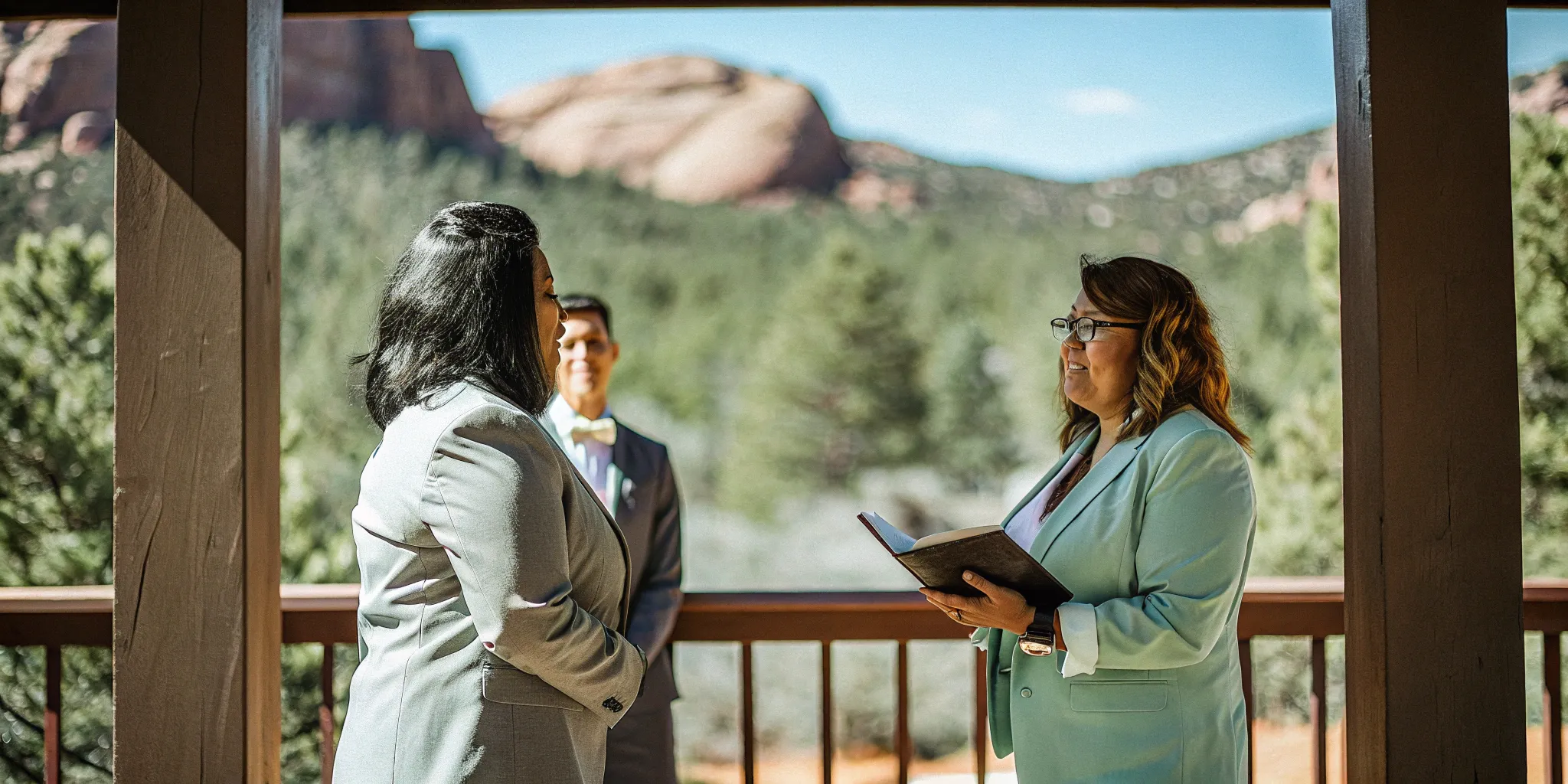
Your best friend just got engaged and asked you to officiate their wedding. It’s an incredible honor, but after the initial excitement wears off, a practical question probably pops into your head: “Can I actually do that?” The answer is a resounding yes, and it’s more straightforward than you might think. The journey begins with getting ordained. But how do you get ordained as a minister in a way that’s legal, legitimate, and prepares you to lead a ceremony with confidence? This guide will walk you through the entire process, from the simple online application to understanding state laws and handling the marriage license like a pro.
Key Takeaways
- Choose the Right Ordination Path for Your Goals: While traditional seminary is an option, online ordination is the fastest and most practical way to get the legal authority you need to officiate weddings for friends, family, or as a professional.
- Master the Legal Requirements Before the Ceremony: Your most important job is ensuring the marriage is legally valid. Always confirm the specific laws for the state and county where the wedding will take place, register with the local clerk if required, and know how to correctly handle the marriage license.
- Invest in Your Skills to Officiate with Confidence: Your legal credentials are just the first step. Practical training and community support are what build the public speaking, writing, and ceremony management skills you need to move from simply being ordained to being a truly great officiant.
What Does It Really Mean to Be an Ordained Minister?
So, you're thinking about becoming an ordained minister. It sounds official—and it is! But what does it actually involve? At its core, ordination is the process by which a religious organization recognizes you as a minister, giving you the authority to perform certain duties. For many, the main goal is to officiate a wedding for a friend or loved one, but the title can open doors to a much wider world of service and community leadership. Let's break down what this role truly entails, from the legal authority it grants you to the different ways you can serve.
Your Legal Authority to Officiate Ceremonies
First and foremost, getting ordained gives you the legal standing to solemnize a marriage. An ordained minister is someone authorized by a church or religious organization to perform spiritual duties, and officiating weddings is one of the most common. Once you receive your ordination, you have the legal power to sign a marriage license, making a couple's union official in the eyes of the law. While the specific requirements can vary, understanding your state's marriage laws is a critical first step. For most places, your ordination is the key that allows you to legally perform a wedding ceremony and help a couple start their new life together.
The Different Roles You Can Fill
While officiating a wedding might be your primary goal, ordination opens up many other possibilities. Being a minister means you can serve your community in various meaningful ways. You could be asked to lead a funeral, perform a baptism, or offer a blessing for a new home. Some people even feel called to start their own ministry or lead spiritual gatherings. Your ordination is a foundation. From there, you can decide how you want to use it. Our wedding officiant training is designed to give you the confidence and skills to lead a beautiful ceremony, which is often the first step on a much larger journey.
Your Path to Ordination: What Are the Options?
So, you’re ready to become an ordained minister. That’s fantastic! But you might be wondering what that process actually looks like. The good news is that there isn’t just one way to do it. The right path for you really depends on your goals. Are you hoping to officiate a single wedding for your best friend? Are you looking to start a fulfilling side business as a professional officiant? Or do you feel called to lead a congregation full-time?
Understanding your "why" will help you choose the best route. Generally, there are three main avenues you can take: the traditional academic route through a seminary, the modern and flexible online path, or a more focused track within a specific denomination. Each one is valid, but they require very different levels of commitment in terms of time, money, and study. Let’s break down what each option involves so you can confidently decide which one aligns with your vision and apply for ordination with clarity.
The Traditional Route: Seminary Training
When you picture a minister, you might think of someone who has spent years in formal study. That’s the traditional route. This path is designed for individuals who want to become full-time clergy within an established church or religious organization. It typically involves earning a bachelor's degree, followed by several years at a divinity school or seminary to get a master's degree (or even a doctorate). After completing this intensive academic and spiritual training, you are then ordained by your specific religious group. This is a deeply rewarding journey, but it’s a major life commitment that isn’t practical or necessary for someone whose primary goal is to officiate weddings.
The Modern Path: Online Ordination
For most people wanting to officiate weddings, online ordination is the perfect solution. This modern path is straightforward, quick, and can be completed from the comfort of your home. Reputable organizations like All Faith Ministry offer a simple online process to become a legally recognized minister, empowering you to perform wedding ceremonies. This is the ideal choice if you want to marry friends or family, or if you're building a career as a professional wedding officiant. It gives you the legal standing you need without requiring years of theological study, so you can focus on what you love: celebrating couples and creating beautiful ceremonies.
Following a Specific Denomination
What if you want to officiate weddings but also want your ordination to be tied to a specific faith tradition? This path offers a middle ground. Some organizations provide ordination within a particular denomination, allowing you to serve your community and create ceremonies centered on specific religious beliefs, like those found in the Bible. This is a great option for individuals who want their role as an officiant to be an extension of their personal faith. It’s important to find an organization that not only aligns with your beliefs but also upholds a professional code of ethics that ensures you serve every couple with integrity and respect.
How to Get Ordained Online: A Step-by-Step Guide
Getting ordained online is a clear and accessible path to becoming a wedding officiant. While the specifics can vary slightly between organizations, the process generally follows three simple steps. Think of it less like a mountain to climb and more like a clear path to follow. The key is to choose a reputable ministry that not only provides you with legal standing but also supports you as you begin officiating ceremonies. When you partner with an organization that offers resources and a community, you’re setting yourself up for success from day one. It's about more than just a certificate; it's about feeling confident and prepared to stand before a couple on one of the most important days of their lives. Let’s walk through what you can expect.
Step 1: Choose a Reputable Organization
Your first move is to find a trustworthy organization to get ordained through. You’ll see many options online, so it’s important to pick one that is legally recognized and provides genuine support for its ministers. A reputable ministry will offer more than just a quick certificate; they’ll provide resources, training, and a clear code of conduct. Look for an organization that is transparent about its process and what it offers. When you’re ready to take this step with a ministry that is committed to your success, you can apply for ordination with us. We’re here to make sure you feel confident and prepared to perform beautiful, meaningful ceremonies.
Step 2: Complete Your Application
Once you’ve chosen your organization, the next step is filling out the application. This is almost always a simple online form that takes just a few minutes to complete. You'll provide some basic personal information to confirm your identity. Reputable organizations want to ensure their ministers are committed to a standard of professionalism and integrity. As part of the process, you may be asked to agree to a set of principles or a Code of Ethics that outlines your responsibilities as an officiant. This isn’t just a formality; it’s a promise to uphold the seriousness and joy of the ceremonies you will perform.
Step 3: Receive Your Ordination Credentials
After you submit your application and it’s approved, you will officially be ordained! You’ll receive your ordination credentials, which are the documents that confirm your status as a minister. These credentials are what give you the legal authority to officiate weddings. While some organizations send digital copies immediately, you may also want to order physical documents from the AFM Store to have on hand. With your credentials secured, your very next step should be to get familiar with the specific state laws for officiating. Every state has slightly different rules, so it’s crucial to understand your local requirements before you perform your first ceremony.
Let's Talk Money: The Cost of Getting Ordained
Okay, let's get right to it—the question on everyone's mind: How much does it actually cost to become an ordained minister? You've probably seen ads for "free ordination" and wondered if there's a catch. The short answer is, it depends. The path you choose and where you plan to officiate will determine the real-world cost. But don't worry, it's usually very affordable, and there are no hidden surprises if you know what to look for. Let's break down what's truly free and where you might need to open your wallet.
Are "Free" Ordinations Actually Free?
It sounds too good to be true, but in many cases, yes—the initial act of getting ordained online is completely free. Many organizations believe that the call to ministry shouldn't be blocked by a hefty price tag. This makes it incredibly accessible for you to legally officiate a wedding for a friend or family member without a major financial commitment. The process is typically straightforward: you apply for ordination, agree to a code of ethics, and receive your official status. This initial step gives you the legal standing of a minister, and it often costs you nothing but a few minutes of your time. It's a fantastic starting point for your journey as an officiant.
Optional Costs for Documents and Services
So, if the ordination is free, where do the costs come in? Mostly, it's in the paperwork. While your ordination is digitally official, you'll likely want or need physical proof. This is where things like ordination credentials, letters of good standing, or minister packets come into play. Think of it like graduating: the diploma itself is the proof. These documents are what you'll show a county clerk to register, or what a couple might want to see for their peace of mind. Most organizations offer these materials through an online AFM Store. They aren't always required, but they add a layer of professionalism and are often essential for meeting legal requirements.
Understanding Any Ongoing Fees
Beyond your initial ordination and documents, the main costs you'll encounter are government fees. Some states and counties require ordained ministers to register with them before they can legally perform a marriage ceremony. This is a one-time fee paid directly to the local government office, not your ordaining organization. The amount varies widely by location, so it's crucial to check the specific marriage laws in your state. This step is non-negotiable if required in your area. While most modern online ministries don't charge annual renewal fees to maintain your ordination, it's always a good idea to confirm that when you sign up. Transparency is key.
Making It Official: Legal Requirements to Officiate Weddings
Getting ordained is a huge and exciting step, but it’s just the beginning of your journey. Once you have your credentials, your next focus is understanding the legal side of officiating. Think of it this way: you’re not just leading a beautiful ceremony; you’re also the person who makes the couple's union official in the eyes of the law. It might sound a little intimidating, but the process is actually quite straightforward once you know what to do. To make sure every wedding you perform is legally binding, you’ll need to get familiar with local laws, register with the government if required, and know exactly how to handle the marriage license. Let’s walk through what it takes to ensure every ceremony you lead is perfectly legal and completely worry-free for the couple.
Know Your State's Marriage Laws
First things first: marriage laws are not the same everywhere in the U.S. They can vary significantly by state and sometimes even by county. Before you agree to officiate a wedding, your initial task is to research the specific rules for the exact location where the ceremony will take place. Some areas have simple requirements, while others might ask you to file extra paperwork to be recognized as an officiant. Taking the time to look this up is the most important thing you can do to ensure the couple’s marriage is valid. We’ve put together a helpful resource on state laws to give you a great starting point for your research.
Registering with the Local Government
In certain states, getting ordained is only part of the process. You may also need to register with a local government office, like the county clerk, before you can legally perform a marriage. This is how the state officially recognizes your authority to solemnize a marriage and sign the license. The registration process can differ quite a bit depending on where you are, so it’s essential to check if this applies to the ceremony's location. Don’t overlook this step! It’s a simple but critical part of the process that confirms you’re authorized to act as an officiant. Your ordination credentials are what you'll need to complete this step, so keep them somewhere safe.
Handling the Marriage License Correctly
The marriage license is the official document that makes it all real, and as the officiant, you have a crucial role in its completion. While the couple is responsible for obtaining the license before the wedding day, it’s your turn to step in after the vows are exchanged. You’ll need to sign it, along with the couple and any required witnesses. In many places, it’s the officiant’s responsibility to return the signed license to the county clerk’s office by a specific deadline. Missing this window can cause major headaches for the newlyweds, so be sure you know the rules and return it promptly. This is where your professionalism shines and shows your commitment to a high code of ethics.
What's the Timeline? How Long Ordination Takes
You’re ready to take the next step, but you’re probably wondering how long it will be before you can actually stand up there and officiate a wedding. The good news is that the timeline is mostly in your hands. The process really has two parts: getting ordained, which is incredibly fast, and meeting any state-level requirements, which can take a bit more time. Understanding both pieces of the puzzle will help you plan accordingly, especially if you have a specific wedding date on the calendar. Let’s break down what you can expect.
Instant Ordination vs. Processing Times
You might be surprised to learn that the actual ordination part of this journey can be completed in less time than it takes to brew a pot of coffee. Most reputable online ministries have a simple, straightforward process. You fill out a form with your basic information, agree to their principles, and submit it. In many cases, your ordination is granted instantly. The goal is to make this step as accessible as possible so you can focus on the more important work ahead. After you apply for ordination, you’ll receive confirmation and can begin preparing for your first ceremony.
Factoring in State Registration Delays
While your ordination itself is quick, becoming legally authorized to perform a marriage is where the timeline can vary. This is because every state has its own rules. Some states have no extra requirements, meaning you can officiate a wedding almost immediately after you’re ordained. Others, however, require you to register with a local government office, like the county clerk. This registration process can add days or even weeks to your timeline, depending on their processing speeds. It is absolutely essential to check your specific state's marriage laws well in advance to avoid any last-minute surprises.
Common Hurdles for New Ministers (and How to Clear Them)
Once you have your ordination, the real adventure begins. Like any new role, stepping into the world of officiating comes with a learning curve. It’s completely normal to feel a mix of excitement and nervousness. The key is to recognize these common challenges ahead of time so you can meet them with confidence. Let’s walk through some of the most frequent hurdles new ministers face and, more importantly, how you can clear them with grace.
Building Your Confidence and Credibility
It’s easy to feel like an imposter when you first start. You might worry that couples won’t see you as a credible authority or that you need to be a flawless, stoic figure. The truth is, your credibility doesn’t come from being perfect; it comes from being prepared, professional, and authentic. Couples hire you for your unique presence and personality. Instead of hiding your humanity, focus on building a solid professional foundation. Following a clear Code of Ethics and being transparent and organized in your process will build trust far more effectively than pretending to have all the answers. Your confidence will grow with every ceremony you perform.
Understanding What Couples Expect
Every couple is different, and their vision for their ceremony will be, too. One of the biggest hurdles is moving past your own assumptions to truly understand what they want. The best way to do this is to listen. Spend time getting to know the couple and their story. Ask open-ended questions about their relationship, what the ceremony means to them, and the tone they want to set. Plan and practice the ceremony, and always offer a rehearsal to make sure everyone is on the same page. Your job is to facilitate their moment, and that starts with a deep understanding of their expectations. This collaborative approach ensures the ceremony feels personal and meaningful to them.
Managing Your Time and Schedule
Especially if you’re officiating as a side hustle, juggling it with your other responsibilities can be a challenge. The needs of a couple can feel immediate, and it’s easy to let communication, script writing, and planning take over your schedule. The key is to set clear boundaries and create efficient systems from the start. Use a digital calendar to block out time for meetings, writing, and the ceremony itself. Create templates for your emails and ceremony outlines to streamline your workflow. Let couples know your typical response times so they know what to expect. Good time management allows you to give each couple your full attention without feeling overwhelmed.
Developing Your Skills as an Officiant
Being ordained is the first step, but becoming a skilled officiant requires practice. You’re not just reading a script; you’re guiding a significant life moment. This involves public speaking, creative writing, and the ability to stay calm under pressure. You might be a natural, but formal training can make a world of difference. A comprehensive wedding officiant training program can provide you with a structured understanding of ceremony flow, how to write compelling vows, and techniques for confident delivery. Investing in your skills is an investment in your confidence and in the quality of the experience you provide for every couple you work with.
You're Not Alone: Finding Training and Support
Getting your ordination certificate is a huge milestone, but it’s also just the beginning. That piece of paper makes you a minister legally, but it doesn’t automatically give you the confidence to stand before a crowd and lead a meaningful ceremony. That confidence comes from knowing what you’re doing—from preparation, practice, and having a solid support system to lean on. You don’t have to figure it all out by yourself.
The best ordaining organizations understand this. They don’t just send you your credentials and wish you luck. They stick around to help you grow into your new role. They provide resources that bridge the gap between being ordained and being a skilled, sought-after officiant. This support usually comes in three key forms: practical training that teaches you the craft of officiating, a community of peers who understand your journey, and mentorship from experienced ministers who can guide you through the challenges. Finding an organization that offers this kind of ongoing partnership is one of the most important steps you can take. It’s the difference between having a title and building a fulfilling practice.
Wedding Officiant Training Programs
A great ceremony doesn’t just happen. It’s crafted. This is where formal training becomes so important. Beyond the legal requirements, you need to learn the art of officiating. How do you write a ceremony that feels personal and authentic to the couple? What are the best practices for public speaking? How do you run a rehearsal smoothly? A quality program provides comprehensive wedding officiant training that answers these questions and more. It gives you scripts, templates, and actionable advice so you can walk into your first ceremony feeling prepared and professional, not just hopeful.
The Value of Mentorship and Community
There will be moments when you have a specific question or face a tricky situation you didn’t see coming. Having a mentor or a community to turn to in those moments is invaluable. Learning from experienced officiants who have been in your shoes can help you sidestep common mistakes and find solutions faster. A supportive community offers a safe space to ask questions, share stories, and celebrate your successes with people who get it. This network acts as your personal team, cheering you on and reminding you that you’re part of something bigger.
Opportunities for Continued Learning
The best officiants are always learning. Every couple and every ceremony is unique, presenting new opportunities to grow your skills. Continued learning keeps your approach fresh and your ceremonies engaging. You might study different cultural or religious traditions to serve a wider range of couples, take a workshop on creative writing to make your scripts even more powerful, or learn about the business side of officiating if you decide to turn it into a career. Embracing a mindset of curiosity and growth is what will ultimately define your journey and help you become an exceptional minister.
Related Articles
- How To Become an Ordained Minister: Step-by-Step Guide
- Your Complete Guide on How to Become an Ordained Minister
- Your Step-by-Step Guide on How To Become an Ordained Minister
Frequently Asked Questions
Is getting ordained online actually legitimate for officiating a legal wedding? Yes, it absolutely is. An online ordination from a reputable organization like All Faith Ministry grants you the same legal authority to solemnize a marriage as someone ordained through a more traditional path. The most important part is that you follow the specific laws of the state and county where the wedding will take place, as some locations require you to register with them before the ceremony.
Do I need to be religious or part of a specific faith to become an ordained minister? You do not need to follow a specific religious doctrine to become an ordained minister with us. Our ministry is built on the universal principles of love and commitment, and we welcome people from all backgrounds and belief systems. Our focus is on empowering you to create and lead beautiful, meaningful ceremonies that honor a couple's unique bond.
Once I'm ordained, can I officiate a wedding in any state? Your ordination is recognized nationally, but your legal ability to perform a marriage is always governed by the laws where the ceremony is held. This means you must check the local requirements for every wedding you officiate. While many states have straightforward rules, others may require you to register with the county clerk’s office in advance.
Does my ordination ever expire or need to be renewed? Your ordination with All Faith Ministry is for life. There are no annual renewal fees or requirements to keep your status active. Once you are ordained with us, you are considered a minister in good standing for as long as you wish, provided you continue to uphold our professional code of ethics.
I'm ordained, but I'm nervous about actually writing and performing a ceremony. What should I do? Feeling nervous is completely normal—it means you care about creating a great experience for the couple. Confidence comes from preparation, and that’s precisely why we offer practical training for our ministers. A solid training program gives you ceremony scripts, public speaking guidance, and a clear structure to follow, which helps you move past the nerves and focus on celebrating the couple.