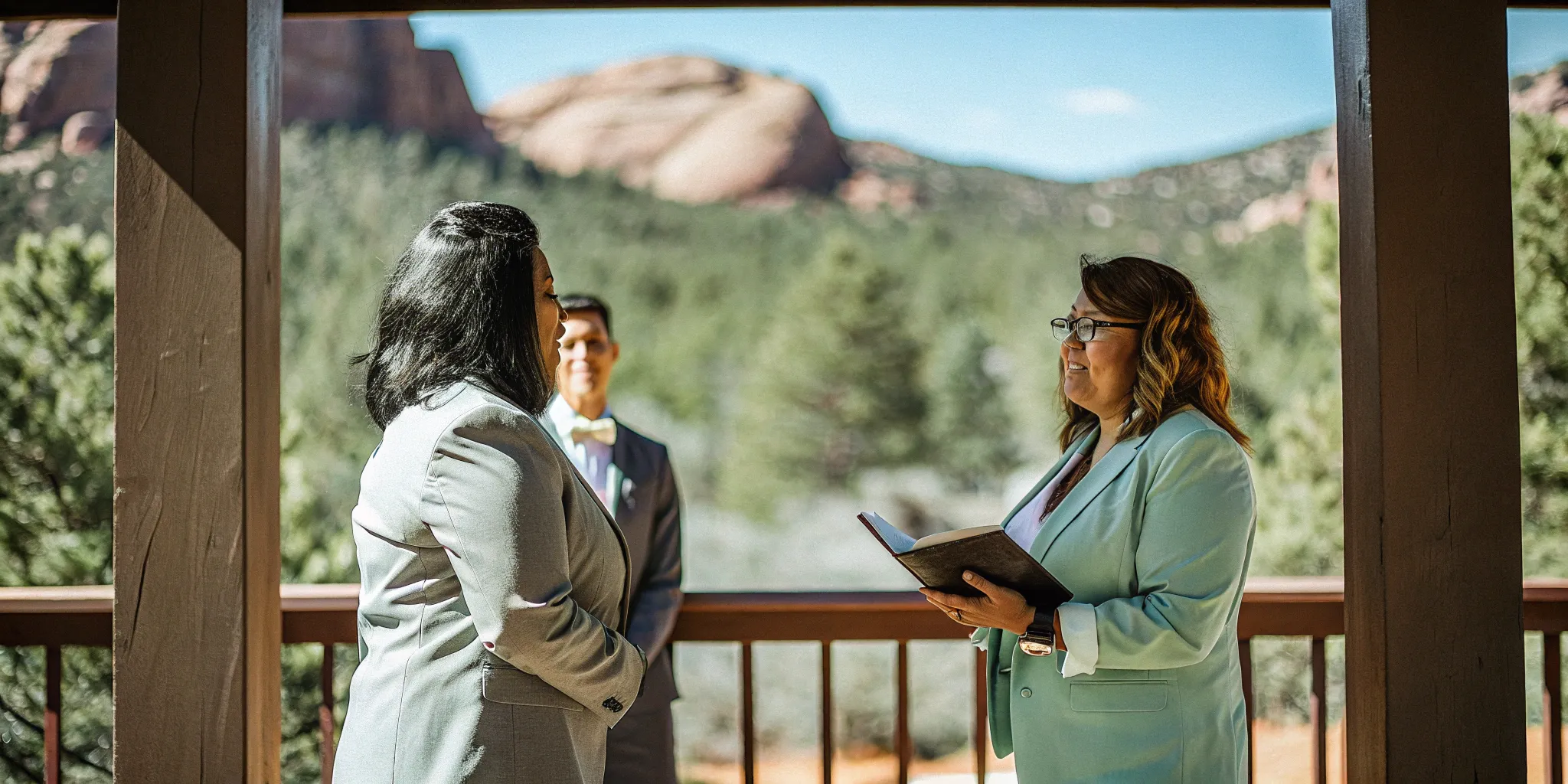
Becoming a wedding officiant is a collaborative role. Your job isn't to dictate the ceremony but to listen to a couple's vision and help bring it to life. You are their guide in translating their love, faith, and shared story into a service that feels completely their own. This entire process of discovery and creation culminates in one essential document: the Christian wedding ceremony script. It is the tangible result of your conversations, their dreams, and your guidance. This article will walk you through how to lead that collaborative process, from asking the right questions in your first meeting to weaving their answers into a script that honors their journey and begins their marriage on a beautiful, personal note.
Key Takeaways
- Collaborate to Build the Ceremony: Your role is to guide the couple, not dictate the service. Use a traditional Christian script as a starting point and work together to incorporate their unique story, values, and personalities into every element.
- Blend Faith with Personal Details: The most meaningful ceremonies connect sacred traditions with the couple's real-life journey. Help them select scriptures, unity rituals, and vows that genuinely reflect their relationship with each other and their shared faith.
- Create a Clear Plan for a Smooth Process: Establish a timeline for drafting, reviewing, and finalizing the ceremony script. This organized approach prevents last-minute stress and ensures you can confidently lead a service that the couple loves.
What is a Christian Wedding Ceremony Script?
Think of a Christian wedding ceremony script as the roadmap for one of the most significant moments in a couple's life. It’s more than just a list of things to say; it’s a thoughtfully structured guide that outlines every part of the ceremony, ensuring it flows beautifully while honoring the couple's commitment to each other and their faith. As an officiant, the script is your primary tool for creating a service that feels both sacred and deeply personal. It provides the framework, from the opening words of welcome to the final pronouncement of marriage, allowing you to lead with confidence and grace.
A great script balances tradition with personality. It includes the foundational elements of a Christian service—like prayers, scripture readings, and the exchange of vows—while leaving room for the couple's unique story to shine through. Your role is to use this script to tell that story in a way that reflects the sacred covenant they are forming. It’s about creating a space where their love is celebrated, their faith is affirmed, and their journey as a married couple begins on a foundation of divine love. With a well-crafted script, you can guide the couple and their guests through an experience that is meaningful, memorable, and a true reflection of their values.
The Core Elements of a Christian Ceremony
Every Christian wedding ceremony is built on a foundation of key elements that symbolize the couple's covenant with God and each other. Your script will typically begin with an Invocation or opening prayer, welcoming guests and inviting God’s presence. This is often followed by Scripture Readings that speak to love and marriage. The Declaration of Intent, or the "I do's," is where the couple formally states their desire to marry. Then comes the heart of the ceremony: the Exchange of Vows and Rings, symbolizing their promises and unending commitment. Finally, a Prayer of Blessing is offered for the couple’s future, followed by the Pronouncement of marriage. These components create a powerful and sacred narrative for the day.
Weaving Faith into the Day
In a Christian ceremony, the script does more than just direct the proceedings—it weaves faith into every moment. Marriage is viewed as a spiritual covenant, a sacred promise made before God, and the ceremony should reflect that significance. Through carefully chosen scripture, heartfelt prayers, and your own words, you can highlight that the couple’s union is a reflection of God's love. Our wedding officiant training can help you learn how to artfully blend these elements, ensuring the service celebrates not just the joining of two people, but the beginning of a faith-filled journey together. Your goal is to create an atmosphere where the spiritual weight and joy of the moment are fully felt by everyone present.
Guide the Couple to Their Perfect Script
While a template provides a great starting point, the most memorable ceremonies are deeply personal. Encourage the couple to see the script as a foundation they can build upon. Your role is to guide them in making it their own. Ask them about Bible verses that are special to them, or if they’d like to write their own vows. This collaborative process makes the ceremony more authentic and meaningful. By helping them personalize the script, you empower them to create a wedding that truly reflects their relationship and their shared faith. Just remember to ensure all legal requirements are met by checking the relevant state laws for their location.
How to Personalize a Christian Wedding Ceremony
A Christian wedding ceremony is rich with tradition, but that doesn’t mean it has to be generic. The most beautiful ceremonies are the ones that feel true to the couple standing at the altar. As their officiant, your role is to help them find the perfect balance between time-honored rituals and their unique love story. By guiding them through a few key areas of the ceremony, you can help them craft a service that is both deeply personal and spiritually meaningful.
This process is a collaboration. It’s about asking the right questions, listening carefully to their answers, and providing gentle guidance to bring their vision to life. From the vows they exchange to the scriptures they select, every choice is an opportunity to reflect their journey, their personalities, and their shared faith. Your support empowers them to create a ceremony that they, and their guests, will remember for a lifetime.
Help Couples Write Faith-Centered Vows
Vows are the heart of the wedding ceremony—the promises that form the foundation of a marriage. While traditional vows are beautiful, encouraging a couple to write their own can be an incredibly powerful experience. Personalized vows allow them to speak from the heart, expressing their commitment to each other and to God in their own words. You can help by providing prompts, such as asking them to describe the moment they knew they were in love or what they admire most about their partner’s faith. Our wedding officiant training offers more techniques for guiding couples through this intimate and important process, ensuring their promises are both personal and sacred.
Incorporate the Couple's Love Story
Every couple has a story, and weaving it into the ceremony makes the service feel authentic and engaging. Before you start writing the script, take the time to interview the couple. Ask them how they met, what their first date was like, and what challenges they’ve overcome together. These personal anecdotes can be shared in your opening remarks or as part of the wedding message. Sharing a brief, heartfelt story about their journey helps guests feel more connected to the moment and reminds everyone of the unique path that brought the couple to their wedding day. It transforms the ceremony from a formal event into a true celebration of their specific relationship.
Select Meaningful Music and Readings
Music and scripture set the spiritual tone for the ceremony. While there are many classic hymns and Bible verses for weddings, encourage the couple to choose selections that genuinely resonate with them. A reading from 1 Corinthians 13 is always lovely, but perhaps a passage from the Book of Ruth better reflects their story of loyalty and devotion. The same goes for music. A contemporary Christian song that they both love can be just as moving as a traditional organ processional. Your role is to provide suggestions but ultimately support them in choosing readings and songs that reflect their personal values and their relationship with God.
Blend Tradition with Personal Touches
Personalizing a ceremony doesn’t mean you have to throw out tradition. Instead, think of it as using a classic framework and adding custom details. You can start with a traditional Christian ceremony script and work with the couple to modify it. Maybe they want to include a special prayer for their parents, perform a unique unity ritual, or have a close friend read a poem. The goal is to create a service that honors their faith and traditions while also feeling completely their own. By blending the old with the new, you help the couple create a ceremony that is both timeless and deeply personal, all while upholding the standards in our Code of Ethics.
What Bible Verses and Prayers Should You Include?
Selecting scripture and prayers is one of the most meaningful parts of planning a Christian wedding ceremony. These elements ground the marriage in faith and set the spiritual tone for the couple's new life together. As their officiant, your role is to be a guide, helping them find words that truly represent their relationship with each other and with God. This process is a beautiful opportunity for the couple to reflect on their shared values and the promises they want to build their marriage on.
Some couples will come to you with specific verses already in mind, while others might feel overwhelmed and look to you for direction. It’s helpful to have a collection of go-to passages that speak to the core themes of love, commitment, and unity. You can also help them explore different parts of the Bible, from the poetry of Psalms to the practical wisdom in the Epistles. The goal isn’t just to pick popular verses, but to help the couple curate a ceremony that feels authentic and deeply personal. By asking thoughtful questions and providing gentle guidance, you can help them choose scripture and prayers that will resonate with them for years to come.
Go-To Scripture Passages for Weddings
When a couple isn't sure where to start, having a list of classic wedding scriptures is incredibly helpful. These verses have stood the test of time because they beautifully capture the essence of a Christian marriage. One of the most beloved passages is 1 Corinthians 13:4-8, which defines love as patient, kind, and enduring. It’s a perfect reading for setting a tone of selfless commitment. Another powerful choice is Genesis 2:24, which speaks to the profound unity of marriage: "Therefore a man shall leave his father and his mother and hold fast to his wife, and they shall become one flesh." This verse highlights the creation of a new family unit. For a focus on partnership, Ecclesiastes 4:9-12 reminds us that "Two are better than one," emphasizing mutual support and strength. You can share a list of popular wedding Bible verses with couples to give them a solid starting point.
Classic Wedding Prayers and Blessings
Prayers are the moments in the ceremony where you collectively invite God’s presence and ask for His blessing upon the couple. You can incorporate prayer at several points, such as an opening invocation to welcome guests and sanctify the space, a blessing over the rings, or a final benediction to send the couple off with grace. A classic wedding blessing often thanks God for bringing the couple together, asks for strength and wisdom to uphold their vows, and prays for a future filled with joy, faithfulness, and love. While there are many traditional wedding prayers you can use, you can also work with the couple to write a custom prayer that mentions their specific hopes and dreams for their marriage. This adds a deeply personal touch that they and their guests will remember.
Choose Verses that Reflect the Couple's Values
The most memorable ceremonies are those that feel true to the couple. To help them select scripture that reflects their unique story and values, ask them some guiding questions. You might ask, "What promises are most important for you to make to each other?" or "Is there a Bible story or passage that has been meaningful in your relationship?" Their answers can point you toward verses that resonate with them. For example, a couple that has weathered challenges together might connect with verses about steadfastness and perseverance, while a couple passionate about serving others might choose passages about mutual service and humility. The goal is to move beyond a generic script and find words that feel like they were chosen just for them.
Key Themes in Christian Wedding Scripture
As you guide couples through different Bible verses, it’s helpful to point out the major themes that underpin the Christian understanding of marriage. A central theme is covenant—the idea that marriage is a sacred, unbreakable promise made not just between two people, but before God. Another key theme is unity, where two individuals become one in purpose and spirit. You’ll also find a strong emphasis on agape love, the selfless, unconditional love that mirrors Christ's love for the church, as described in Ephesians 5. Finally, themes of partnership and faithfulness are woven throughout scripture, highlighting marriage as a lifelong journey of mutual support and unwavering commitment. Explaining these concepts can add a rich layer of meaning to the couple’s ceremony.
Which Unity Rituals Work Best for Christian Ceremonies?
Unity rituals are a beautiful, tangible way for a couple to symbolize their commitment. In a Christian ceremony, these moments can powerfully illustrate the spiritual foundation of the marriage. As an officiant, you can guide the couple toward a ritual that feels authentic to their faith and their story. These rituals often become one of the most memorable parts of the ceremony, creating a visual representation of two lives, and two families, becoming one. They offer a quiet moment of reflection amidst the joy and excitement, grounding the ceremony in a shared, symbolic act. Helping a couple choose the right one is a special part of your role, allowing you to add a deeply personal touch to their day.
The Unity Candle Ceremony
The unity candle ceremony is a classic for a reason. It’s a simple yet profound symbol of two individuals joining their lives. The setup involves two taper candles and a larger central pillar candle. Typically, a representative from each family (often the mothers) lights one of the taper candles at the start of the ceremony. Later, the couple uses their individual candles to light the central pillar candle together, symbolizing their new, united life. This ritual beautifully illustrates the merging of two distinct paths into a shared journey, often accompanied by one of many inspiring Bible verses for weddings.
The Cord of Three Strands Ritual
This ritual is deeply rooted in scripture and offers a powerful statement about the couple’s priorities. Based on Ecclesiastes 4:12, which says, "A cord of three strands is not easily broken," this ceremony involves the couple braiding three cords together. Each strand has a meaning: one represents one partner, the second represents the other partner, and the third, central strand represents God. By weaving them together, the couple demonstrates their commitment to keeping God at the center of their marriage. This act serves as a powerful reminder of the strength that faith brings to their union, and you can find many Christian wedding scripts that incorporate it beautifully.
The Sand Ceremony with Christian Symbolism
Perfect for outdoor or beach weddings where a candle might not be practical, the sand ceremony is a visually stunning alternative. The couple each takes a small vase of colored sand and pours it into a larger, central container. As the sands mingle, they create a unique pattern, symbolizing the couple’s individual lives blending together into a new, inseparable union. You can’t separate the grains of sand once they’re combined, just as the two are now joined as one. This act can be accompanied by a reading that emphasizes unity, making it a meaningful addition to a custom wedding ceremony.
First Communion as a Married Couple
For couples who share a deep commitment to their faith, taking their first communion as a married couple can be an incredibly moving moment. This ritual places Christ at the very heart of the marriage from its first moments. It’s a quiet, reverent act that serves as a powerful declaration of their shared spiritual foundation and their intent to walk together in faith. As an officiant, you can introduce this moment with a brief explanation of its significance or a heartfelt marriage prayer, making it a sacred and personal part of the ceremony.
Involve Family in Unity Rituals
Unity rituals don’t have to be limited to just the couple. Involving close family members can add another layer of meaning and emotion to the ceremony. For example, parents can light the individual taper candles in a unity candle ceremony, or children from a previous marriage can add their own color of sand to a family sand ceremony. This inclusion beautifully symbolizes the joining of two families and emphasizes the community of support surrounding the couple. When you plan the ceremony with the couple, ask them if there are special people they’d like to honor in this way.
Bringing the Couple's Vision to Life
As the officiant, your role is to be a guide, a collaborator, and the steady hand that helps a couple translate their dreams into a beautiful, meaningful ceremony. This is their day, and your job is to listen carefully and build a service that reflects their unique love story and shared faith. The more you communicate and work together on the ceremony, the more it becomes a joyful, creative process for everyone involved. It’s about asking the right questions and then actively listening to the answers. When you truly understand their vision, you can craft a script that feels authentic to them, creating a moment they’ll cherish forever.
This process involves more than just writing a script; it’s about navigating family dynamics, blending traditions, and creating a clear plan to get from the initial conversation to the final "I do." By approaching it with care and organization, you can ensure the planning phase is as smooth and stress-free as the ceremony itself. Your confidence and preparation will put the couple at ease, allowing them to focus on what truly matters: starting their married life together.
Understand Their Ceremony Goals
Your first meeting with the couple is all about discovery. Come prepared with open-ended questions to get the conversation flowing. Ask them what they envision for the tone of the ceremony—is it formal and reverent, or more relaxed and joyful? Talk about their spiritual journey, both as individuals and as a couple, to understand how they want their faith represented. This initial chat is the foundation for the entire script. The goal is to leave with a clear picture of their priorities, their non-negotiables, and the little details that will make the ceremony uniquely theirs. Our wedding officiant training covers how to lead these conversations effectively.
Handle Family and Denominational Traditions
Weddings are often a blend of families, and with that comes a mix of traditions and expectations. It’s your job to help the couple decide which elements to include. An officiant will want to explore how the couple wants to incorporate traditions, like a unity candle lighting or a specific prayer that’s meaningful to their family. Be prepared to offer suggestions and explain the symbolism behind different rituals. If the couple comes from different Christian denominations, you can help them find common ground and create a ceremony that honors both of their backgrounds respectfully. This is where you can truly serve as a calming, unifying presence for them.
Set a Timeline for Script Creation
To keep the process on track and stress-free, it’s wise to set a clear timeline for creating the ceremony script. After your initial meeting, schedule a follow-up to review a first draft. Sit down with the almost-newlyweds and have a good chat about their vision for the ceremony, then build a schedule from there. For example, you could agree to deliver the first draft six weeks before the wedding, allow them two weeks for feedback, and have the final version locked in a month before the big day. This structure prevents last-minute rushes and gives the couple plenty of time to read through the script and feel completely comfortable with it.
Solve Common Script-Planning Challenges
Even with the best planning, challenges can arise. The couple might disagree on a reading, or a family member might have a strong opinion about a particular tradition. Christian marriages can face a range of challenges, and sometimes these can stem from differing interpretations of faith and values. As the officiant, you can act as a neutral third party. Listen to all perspectives and gently guide the couple back to their original vision. Remind them that this ceremony is about their union and their shared beliefs. Adhering to a professional code of ethics will help you handle these sensitive conversations with grace and integrity.
Related Articles
- Your Complete Non-Denominational Wedding Officiant Script
- How to Craft a Unique Wedding Ceremony Script for Officiant
- Wedding Ceremony Script Examples: A Complete Guide
- The Ultimate Non-Religious Wedding Officiant Script
- Wedding Officiant Script PDF: A Complete Guide
Frequently Asked Questions
How long should a typical Christian wedding ceremony be? While there's no strict rule, most Christian wedding ceremonies last between 20 and 30 minutes. This gives you enough time to include key elements like prayers, readings, vows, a short message, and a unity ritual without feeling rushed. The final length will depend on the couple's choices, such as the number of scripture readings or musical performances they include. The goal is to create a service that is meaningful and engaging, not to hit a specific time limit.
What if the couple comes from different Christian backgrounds or has different levels of faith? This is a wonderful opportunity to create a ceremony that is uniquely theirs. Your role is to facilitate a conversation about what they value most. Focus on the beliefs and traditions they share, and look for common ground. You can blend elements from both of their backgrounds, choosing prayers or scriptures that resonate with them as a couple. The key is to build a ceremony that honors their individual journeys while celebrating the new, unified spiritual path they are beginning together.
Do I have to memorize the entire script? It's better not to. While you should be so familiar with the script that you can make plenty of eye contact, trying to memorize it word-for-word can add unnecessary stress and may come across as robotic. Instead, have a polished copy of the script with you in a professional-looking binder or portfolio. This shows you are prepared and allows you to lead the ceremony with confidence, ensuring you don't miss any important elements.
What's the best way to start the script-writing process with a couple? Always start with a conversation, not a template. Before you write a single word, sit down with the couple and just listen. Ask them to tell you their story, what they love about each other, and what their hopes are for their marriage. Inquire about the tone they envision for their ceremony—formal, casual, reverent, or joyful. This initial meeting provides the heart of the ceremony; the script you write will then be a reflection of their personalities and their shared faith.
How do I ensure the ceremony is both personal and sacred? This balance is achieved by weaving the couple's story into the timeless structure of a Christian service. The sacred elements—the prayers, the scripture, the blessing—provide the strong foundation. The personal touches—their unique vows, a story about how they met, a unity ritual that speaks to them—are what bring it to life. Think of it as building a house: the faith traditions are the frame, and their personal story is what makes it a home.