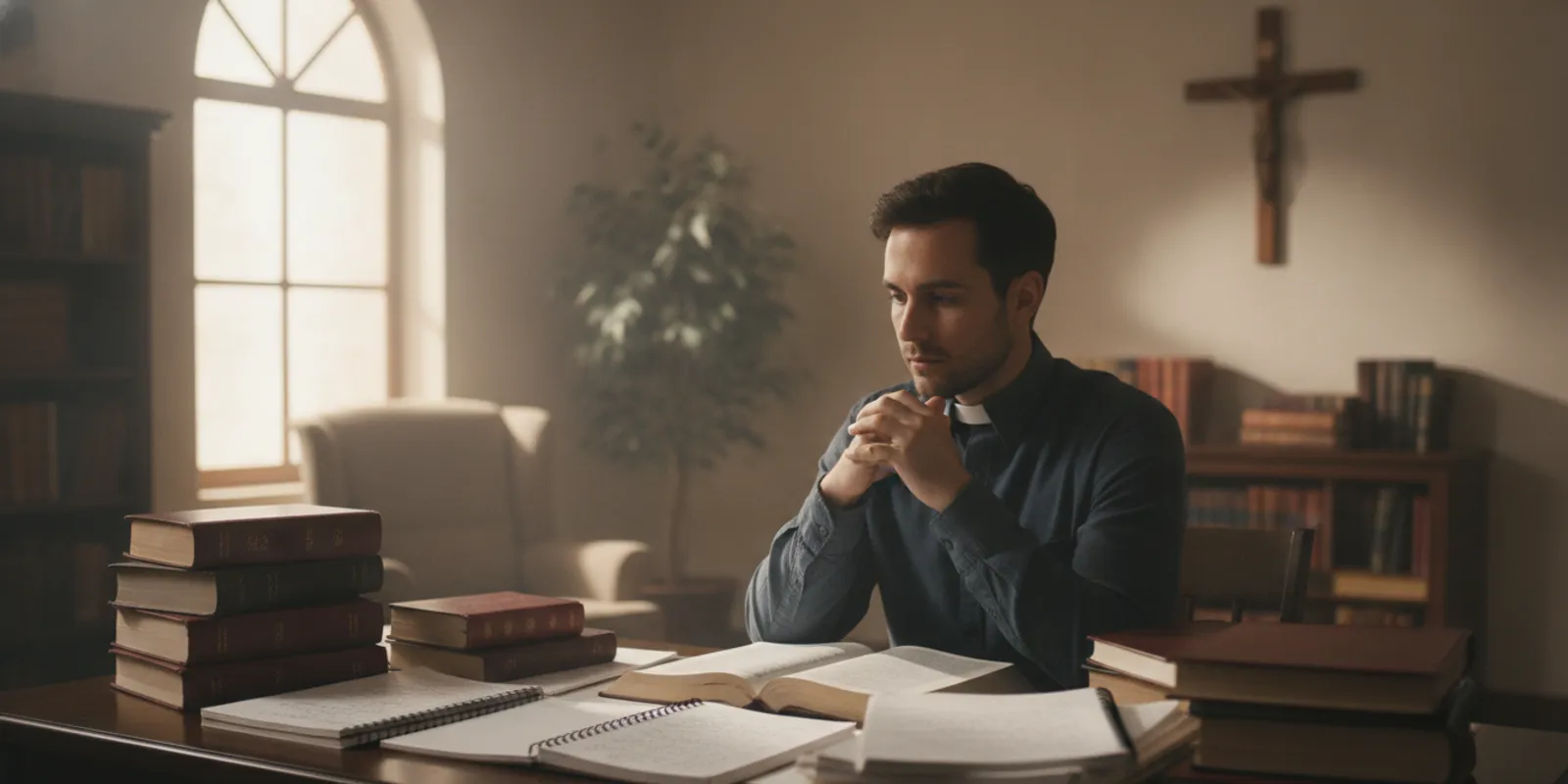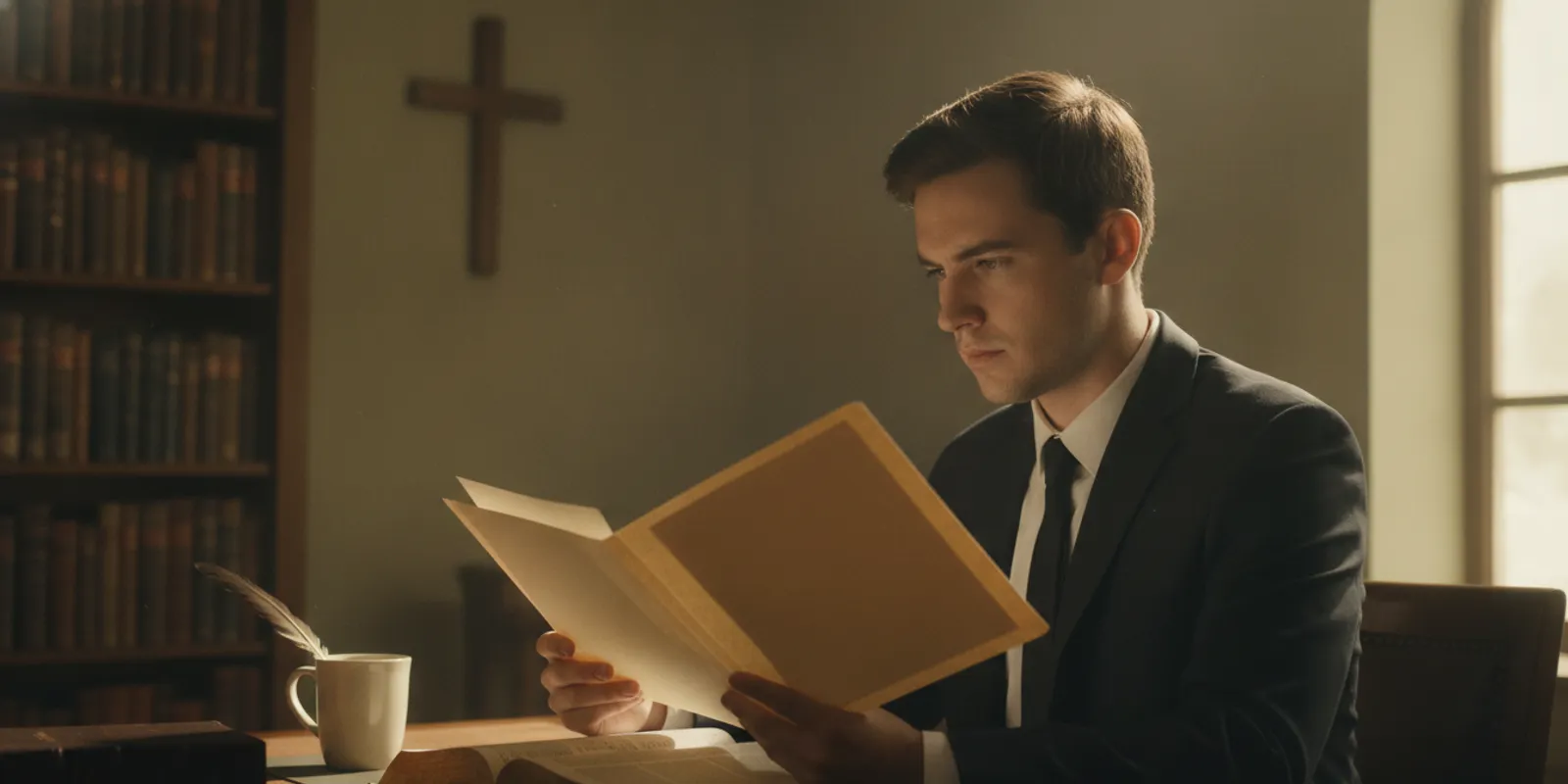


As a wedding officiant, you will be in some of the most important photos a couple will ever take. You’ll be standing with them at the altar, visible during the vow exchange, the ring ceremony, and the first kiss. Your image will be preserved in their wedding album for decades to come. This makes the question of what to wear as a wedding officiant a significant one. Your choice of clothing is about more than personal style; it’s about contributing positively to the couple’s cherished memories. The right outfit helps create visual harmony, shows your professionalism, and ensures you look like a natural, integrated part of the ceremony. This guide will help you make a thoughtful choice that looks great on camera and honors the occasion.
Key Takeaways
- Consult the Couple First: Your first step is always to ask the couple about their dress code, colors, and theme. Matching the wedding's formality shows respect for their vision and ensures you fit in seamlessly.
- Dress to Complement, Not Compete: Your role is to support the couple, and your outfit should too. Stick to solid, neutral colors, avoid white and distracting patterns, and choose modest cuts to keep the spotlight where it belongs.
- Prioritize Practicality and Comfort: You'll be standing and speaking for a while, so your outfit must be comfortable. Choose breathable fabrics and sensible shoes for the venue so you can focus on the ceremony, not your aching feet.
How to Choose Your Officiant Outfit
Deciding what to wear as a wedding officiant is about more than just picking a nice outfit. Your attire plays a supporting role in one of the most important days of a couple's life. The goal is to look polished, professional, and appropriate for the occasion, all while blending seamlessly into the background. You want the focus to stay on the couple, not on your fashion choices. Think of your outfit as part of the ceremony's overall aesthetic—it should complement the setting, the wedding party, and the couple's unique style. By considering a few key factors, you can choose an ensemble that shows respect for the event and helps you perform your duties with confidence and ease.
Align with the Couple's Vision
Before you even think about shopping, your first step is to talk to the couple. This is the golden rule of officiating. Ask them about the wedding's dress code, theme, and color palette. Their vision should be your primary guide. Are they having a formal black-tie affair or a casual backyard gathering? Your outfit should match that level of formality. It’s also a great idea to ask about the colors they’ve chosen for the wedding party and decor. You don’t need to match them exactly, but you should aim for a complementary or neutral tone that won’t clash in photos. This simple conversation shows you respect their plans and are committed to your professional role, which is a core part of our Code of Ethics.
Dress for the Venue and Setting
The wedding location offers major clues about what you should wear. A sleek pantsuit that looks perfect in a modern city loft will feel out of place at a rustic barn wedding. Think about the environment and choose your outfit accordingly. For a ceremony on a sandy beach, you might opt for a lightweight dress or linen pants with sandals. For a traditional church service, a more conservative dress or a classic suit is appropriate. Aligning what you wear with the venue’s design helps you complement the scene. Practicality is key, especially your shoes. You’ll be standing for a while, so make sure your footwear is comfortable and suitable for the terrain, whether it’s grass, sand, or polished marble. Considering these details is a mark of a well-prepared officiant, something we cover in our wedding officiant training.
Factor in the Season and Weather
Always check the forecast. The season and weather will heavily influence your fabric choices and layering options. For a chilly autumn or winter wedding, you’ll want warmer materials like wool, velvet, or heavier crepes. A stylish jacket, a chic wrap, or elegant layers can keep you comfortable without sacrificing professionalism. In the spring or summer, stick to light, breathable fabrics like linen, cotton, or chiffon to stay cool, especially if the ceremony is outdoors. Be prepared for the elements—if there’s a chance of rain, consider an outfit that won’t be ruined by a few drops and bring a classic, neutral-colored umbrella. Your comfort is crucial for staying focused and delivering a beautiful ceremony.
Consider Your Role and Ceremony Length
Your outfit needs to be functional. You’ll be standing, speaking, and moving your arms, all while being photographed. Choose clothing that allows you to move freely and comfortably. Avoid anything too tight, restrictive, or fussy that might distract you or the guests. Ceremonies can sometimes run longer than planned, so make sure you can stand comfortably in your chosen attire for at least 30 to 60 minutes. You want to feel relaxed and confident so you can focus on your words and the couple before you. Remember, your role is to be a calm, steady presence. Your clothing should support that, projecting an image of professionalism and quiet authority without drawing unnecessary attention.
What to Wear for Any Wedding Style
Once you know the dress code, you can start planning your outfit. The goal is to look like a natural, professional part of the ceremony—not an afterthought or the main event. Different wedding styles call for different attire, but the core principle remains the same: dress respectfully and appropriately for the occasion. This approach shows you honor the couple's vision and understand your important role. Adhering to the dress code is a fundamental part of your responsibility, something we cover in our wedding officiant training. Let’s walk through the most common wedding styles and what they mean for your wardrobe.
Formal & Black-Tie Weddings
When the invitation says "black-tie," it’s time to pull out your most sophisticated attire. This is the highest level of formality for a wedding. For men, a tuxedo is the standard, but a well-tailored dark suit with a crisp dress shirt and a classic tie is also a great option. For women, a floor-length gown or a very elegant cocktail dress is appropriate. Think classic silhouettes and luxurious fabrics. Your look should be polished and understated, conveying a sense of reverence for the ceremony. The key is to mirror the elegance of the event without drawing attention away from the couple.
Semi-Formal & Cocktail Weddings
Semi-formal weddings give you a bit more flexibility while still requiring a polished look. This is one of the most common dress codes, so it’s a good one to master. Men can confidently wear a suit and tie in any season-appropriate color. For women, a chic cocktail dress, a tea-length dress, or a stylish skirt and blouse combination works perfectly. You don’t need a full-length gown, but you should still look put-together and professional. This dress code strikes a beautiful balance between formal and comfortable, allowing you to look sharp while feeling at ease throughout the ceremony.
Casual & Outdoor Ceremonies
"Casual" doesn't mean you should show up in jeans. For a wedding, it means you can skip the suit and gown but should still look neat and professional. Think of it as dressing for a nice brunch or an important meeting. For men, dress slacks or chinos paired with a button-down shirt and an optional blazer is a solid choice. For women, a tasteful sundress, a skirt and blouse, or stylish dress pants are all excellent options. The setting, often outdoors, calls for practical choices in fabric and footwear, but your overall appearance should still reflect the significance of the day.
Beach & Destination Weddings
Officiating a beach wedding sounds like a dream, but it comes with its own wardrobe challenges—namely, sand, sun, and humidity. Your outfit should be light, breathable, and comfortable. For men, a light-colored linen suit or linen pants with a crisp dress shirt is ideal. Women can opt for a flowy maxi dress or a breezy sundress in a solid, muted color that won’t clash with the scenery. Footwear is also key; choose dressy sandals or flats that are easy to walk in on the sand. Your goal is to look elegant and composed, even if there’s a warm ocean breeze.
How to Complement the Couple (Without Stealing the Show)
Your role as the officiant is to guide the ceremony and celebrate the couple. Your outfit should reflect that supportive role. The goal is to look polished and professional, blending seamlessly into the background so the couple remains the center of attention. Think of your attire as part of the beautiful stage you're setting for their big moment. Getting this right is all about clear communication and thoughtful choices that honor the couple's vision for their day.
Embrace Your Supporting Role
On the wedding day, you are a key part of the ceremony, but you aren't the main event. Your outfit should support the wedding's aesthetic, not pull focus from the couple. The best officiant attire is understated, elegant, and allows you to blend in with the decor and wedding party. By choosing an outfit that complements the scene, you show respect for the couple and the significance of the day. This commitment to professionalism is a core part of an officiant's responsibility, ensuring the focus stays exactly where it should be. Upholding this standard is a key part of our Code of Ethics.
Match the Formality Level
The single most important step in choosing your outfit is to ask the couple about the dress code. Are they planning a formal black-tie affair, a casual backyard gathering, or something in between? Your attire should always match the overall feel of the event. A floor-length gown or tuxedo would look out of place at a rustic barn wedding, just as a casual sundress would be inappropriate for a grand ballroom ceremony. Don't guess—a quick conversation with the couple will give you all the information you need to select an outfit that feels right for the occasion and shows you respect their plans.
Coordinate with the Wedding Colors
To create a visually cohesive ceremony, ask the couple about their wedding colors. You don't need to match the wedding party exactly, but your outfit should harmonize with their chosen palette. This is especially important for wedding photos. If the couple has a soft, romantic theme with pastels, a bold, bright color would clash. When in doubt, neutral colors like navy, gray, or black are almost always a safe choice. Choosing a complementary color is a simple yet impactful way to show you're a thoughtful officiant, a skill we cover in our wedding officiant training.
Colors and Styles Officiants Should Avoid
Just as important as knowing what to wear is knowing what not to wear. Your primary goal is to look polished and professional without pulling focus from the couple. Think of your outfit as part of the beautiful backdrop for their big day, not a statement piece that competes for attention. Steering clear of certain colors, patterns, and styles ensures you look appropriate and respectful, allowing the couple to remain the undisputed center of attention. This approach is a cornerstone of professional conduct, which is a key part of our Code of Ethics. By dressing thoughtfully, you honor the significance of the ceremony and the trust the couple has placed in you.
Colors to Skip
Let’s start with the most important rule: avoid wearing white or any color in the bridal family. This includes shades like ivory, cream, off-white, and champagne. This color is traditionally reserved for one of the partners, and wearing it can cause confusion and is generally considered a major faux pas. Beyond the bridal palette, it’s also wise to steer clear of extremely bright or neon colors like hot pink, lime green, or electric yellow unless the couple has specifically requested a vibrant dress code. These bold hues can be distracting in photos and may clash with the wedding party’s attire, drawing the eye away from the main event.
Distracting Patterns and Prints
While a subtle pattern can sometimes work, it’s usually safest to stick with solid colors. Loud, busy patterns—think large floral prints, bold geometric shapes, or animal prints—can be very distracting. You want the guests to be listening to the beautiful words you’re saying, not getting mesmerized by the paisley print on your dress. Your outfit should complement the scene, not dominate it. If you do opt for a pattern, make sure it’s understated and classic, like a faint pinstripe or a delicate, tone-on-tone design. The goal is to look elegant and refined, ensuring the focus stays on the couple’s union.
Unprofessional Styles and Cuts
A wedding is a momentous occasion, and your attire should reflect its importance. Overly casual clothing like jeans, t-shirts, shorts, or sneakers is almost always inappropriate, regardless of the venue. It’s also best to avoid anything too revealing, such as plunging necklines, very short hemlines, or skin-tight fits. Professionalism is key, and your clothing choices are a direct reflection of that. Presenting yourself with poise and respect is a skill we emphasize in our wedding officiant training. By choosing a polished and modest outfit, you show respect for the couple, their families, and the ceremony itself.
Go-To Outfit Ideas for Wedding Officiants
When you’re officiating, your goal is to look polished and professional without pulling focus from the couple. Think of your outfit as part of the backdrop—it should complement the scene, not dominate it. If you’re ever unsure where to start, these timeless ideas work for a wide range of ceremonies and will help you feel confident and prepared for the big day.
Classic Looks for Men
For men, a well-fitted suit is almost always the right answer. You can’t go wrong with a classic dark suit in charcoal gray or navy blue, which looks sharp and photographs beautifully. For a black-tie wedding, a tuxedo is appropriate. The key is ensuring your suit is tailored properly; a great fit conveys professionalism and respect for the occasion. Pair it with a crisp dress shirt, a subtle tie that coordinates with the wedding colors (or a simple black one), and polished dress shoes. This timeless look ensures you appear dignified and ready for your important role.
Polished Looks for Women
Women have a wonderful variety of elegant options. For formal or evening ceremonies, a floor-length gown in a solid, neutral color is a beautiful choice. For semi-formal or daytime events, a sophisticated cocktail dress, a tailored jumpsuit, or elegant separates like a blouse and a pencil skirt are all fantastic. The goal is to choose an outfit that is modest, comfortable, and chic. Pay attention to the neckline and hemline to ensure your look is appropriate for the ceremony. A stylish jumpsuit can be a modern and incredibly comfortable alternative to a traditional dress.
Dressing for the Season
The time of year and the weather play a huge role in what you should wear. For cooler months, don’t be afraid to layer or choose richer fabrics like velvet or brocade to stay warm. A stylish jacket or wrap can be a lifesaver. In the spring and summer, focus on lightweight materials like linen, chiffon, or cotton to keep you cool, especially during an outdoor ceremony under the sun. Choosing season-appropriate attire shows foresight and ensures you won’t be shivering or sweating while the couple says their vows.
Choosing the Right Shoes
Your footwear is more important than you might think. You’ll likely be standing for a significant amount of time, so comfort is key. Before you choose your shoes, consider the venue. If the ceremony is on a lawn, beach, or any uneven ground, stilettos are a definite no. Instead, opt for elegant flats, wedges, or block heels that provide stability and support. Breaking in your shoes before the wedding day is also a smart move. The last thing you want is to be distracted by aching feet during a heartfelt moment.
Common Outfit Mistakes to Avoid
Choosing the right outfit is about more than just looking good—it’s about showing respect for the couple and the significance of their day. While you’re focused on what to wear, it’s just as important to know what not to wear. A few simple missteps can distract from the ceremony or, worse, make you stand out for all the wrong reasons. By steering clear of these common mistakes, you can ensure your presence is a seamless and supportive part of the couple’s celebration, allowing their love story to take center stage. Let’s walk through the key things to avoid so you can feel confident and prepared.
Forgetting the Theme or Dress Code
One of the biggest outfit mistakes is wearing white, or any color that could be mistaken for bridal. This includes shades like ivory, cream, champagne, or even very light pastels. The spotlight belongs to the couple, and wearing a color that competes with the bride’s attire is a major faux pas. Beyond color, pay close attention to the wedding's theme. If it’s a rustic barn wedding, a formal tuxedo will look out of place. If it’s a glamorous city affair, a casual sundress won’t fit the vibe. Ignoring these details can make you look disconnected from the event you’re leading.
Mismatching the Formality
Your outfit should feel like it belongs in the wedding photos. A good rule of thumb is to match the formality of the couple and their wedding party. If the groom is in a casual linen suit, you shouldn’t be in a black-tie gown. Conversely, if the dress code is formal, showing up in khakis and a polo shirt is unprofessional. Being either over or underdressed creates a visual disconnect that can be distracting. Adhering to a professional Code of Ethics includes presenting yourself in a way that honors the tone and seriousness of the occasion, and matching the formality is a key part of that.
Prioritizing Style Over Comfort
That stunning dress or sharp suit might look incredible, but if you can’t move or breathe comfortably in it, it’s not the right choice. As an officiant, you’ll be standing for a significant period, possibly in warm weather or on uneven ground. You need to be able to focus entirely on the ceremony, not on pinching shoes or a restrictive jacket. Choose fabrics that are breathable and allow for easy movement. Your comfort directly impacts your performance, so select an outfit that makes you feel relaxed and confident. You can find professional and appropriate accessories in the AFM Store to complete your look.
Not Checking in with the Couple
Never assume you know what the couple wants. Even if they give you a vague "oh, wear whatever you'd like," it's always best to follow up with a few specific questions to get a clearer picture. Ask about the wedding colors, the style of the wedding party’s attire, and if there’s anything they’d prefer you didn’t wear. This simple conversation shows you care about their vision and respect your role in their day. Our wedding officiant training emphasizes clear communication, and this is a perfect example of how it builds a strong, positive relationship with the couple you’re serving.
How to Add a Personal Touch (Professionally)
As an officiant, you’re not just a vendor; you’re a central part of the couple’s ceremony. While your primary goal is to blend in, it’s still important to feel like yourself. Adding a personal touch to your outfit shows your personality and helps you connect with the couple and their guests. The key is to do it professionally. You want your style to whisper, not shout. Think of it as the difference between being a memorable part of the ceremony and a distracting one. Your unique flair should complement the day, making you look polished and authentic without ever pulling focus from the main event.
Accessorize Thoughtfully
Accessories are your best friend when it comes to showing a bit of personality. They allow you to add a unique touch to an otherwise classic and professional outfit. For men, this could be a stylish lapel pin, a unique tie or bow tie, or even a fun pair of socks peeking out. For women, a piece of statement jewelry—like an elegant necklace or a beautiful brooch—can add a perfect touch of style. Even your choice of a professional accessory, like a custom officiant stole from the AFM Store, can reflect your role with grace. Just remember that less is more. Choose one or two tasteful pieces that feel like you.
Balance Your Style with the Ceremony's Vibe
Your personal style should always be filtered through the lens of the wedding’s theme and formality. If you have a bohemian aesthetic, you can lean into that for a casual beach wedding with a flowy-yet-modest dress. For a formal ballroom affair, you’d translate that same style into a more structured, elegant gown in a muted tone. The most important step is to always ask the couple about their dress code and vision for the day. This conversation ensures your personal style honors their event and aligns with the professional standards outlined in our Code of Ethics. Your outfit should feel like a natural extension of the ceremony’s atmosphere.
Know When to Say No
Part of being a professional is knowing what not to wear. Your role is to support the couple, and that means avoiding anything that could be a distraction. Steer clear of clothing that is too short, tight, or revealing. Loud, busy patterns and overly bright colors can clash with the wedding party and draw the eye away from the couple in photos. It’s best to say no to anything that feels more appropriate for a night out than a sacred ceremony. Developing this kind of professional judgment is a skill, and it's something we focus on in our wedding officiant training to help you feel confident in every decision you make.
Final Touches for a Comfortable and Polished Look
Once you’ve chosen your outfit, a few final steps will ensure you look and feel your best on the big day. These details go beyond the clothes themselves—they’re about showing up as a prepared, professional, and confident presence for the couple. Thinking through fabric, grooming, and a few just-in-case items will help you handle any situation with grace, keeping the focus exactly where it should be: on the happy couple.
Pick Breathable, Quality Fabrics
Your comfort is key to delivering a heartfelt ceremony. Standing under stage lights or the summer sun can get warm, so choose breathable fabrics like cotton, linen, or light wool to help you stay cool and composed. These materials not only feel better but also look more professional and are less likely to show sweat. This is also a great way to add a touch of personality—think a beautiful floral print on a light dress or a sharp cream-colored linen suit. Investing in quality pieces ensures you look polished and feel comfortable from the first processional step to the final pronouncement, which is a core part of upholding a professional Code of Ethics.
Check Your Grooming and Presentation
Your overall presentation speaks volumes. Before the ceremony, make sure your outfit is clean, steamed, or pressed and completely free of stains or wrinkles. Your role is to look put-together and respectful, which helps honor the significance of the day. Pay attention to personal grooming details like neat hair and clean fingernails. Avoid anything that could be distracting, such as clothing that is too revealing, flashy, or short. A polished, professional appearance helps you blend into the background while still looking authoritative and warm. The goal is to complement the scene, not become the main event, allowing the couple to shine.
Pack a "Day-Of" Emergency Kit
Being prepared for minor mishaps is the mark of a true professional. Pack a small "day-of" kit with a few essentials to handle any last-minute surprises. Include items like a stain remover pen, safety pins for wardrobe malfunctions, mints, and an extra copy of the ceremony script. It’s also wise to consider your footwear; if you’ll be standing on grass, skip the stilettos. Also, check ahead of time that your outfit works with a lapel microphone. Having a plan for these small details is something we cover in our wedding officiant training because it allows you to stay focused and present for the couple.
Related Articles
- Wedding Officiant Course: The Ultimate Guide
- Become a Wedding Officiant: Step-by-Step Guide & Legal Tips
- Your Guide to Officiating a Friend's Wedding
- How to Become a Wedding Officiant: A Simple Guide
- The Essential Wedding Officiant Checklist
Frequently Asked Questions
What if the couple is very casual and tells me to “just wear whatever”? Even with a relaxed dress code, it's always best to look polished and professional. When a couple gives you vague instructions, it’s a good idea to ask a few gentle follow-up questions. You could ask, "That's helpful, thank you! Just so I can blend in nicely, what will you two be wearing?" This gives you a better sense of their definition of casual. When in doubt, aim for "smart casual"—think dress slacks with a stylish blouse or a simple, tasteful dress. It shows you respect the importance of the day, even if the vibe is laid-back.
Is it okay for me to wear black to a wedding? Absolutely. In fact, black is often one of the safest and most professional choices for an officiant. It’s elegant, understated, and ensures you won’t pull focus from the couple in photos. A classic black dress, suit, or jumpsuit looks sharp and appropriate for almost any level of formality, from a cocktail reception to a black-tie event. The only time you might reconsider is for a daytime beach wedding with a very light color palette, but even then, a simple black outfit is rarely a bad choice.
Do I need to buy a new outfit for every single wedding I officiate? Not at all! That would get expensive and overwhelming very quickly. The key is to build a small, versatile "officiant wardrobe." Invest in a few high-quality, timeless pieces in neutral colors like navy, charcoal gray, or black. A well-fitting suit or a classic, comfortable dress can be your go-to foundation. You can then make the outfit feel fresh for each event by changing your accessories, like a different tie, a stylish scarf, or a piece of statement jewelry.
Besides white, are there any other colors I should definitely avoid? Yes, while avoiding the bridal family of colors is the number one rule, it's also wise to steer clear of anything overly bright or distracting. Think neon colors, electric blues, or hot pinks. These shades can be jarring in photos and can pull the eye away from the couple. It's also a good idea to ask what colors the wedding party is wearing. You don't want to match them so closely that you look like a bridesmaid or groomsman by mistake.
How can I add a personal touch to my outfit without being distracting? Accessories are the perfect way to let your personality shine through in a professional way. For men, this could be a unique lapel pin, a tasteful pocket square, or a pair of fun socks that only you know about. For women, an elegant necklace, a beautiful brooch, or a stylish pair of earrings can complete your look. The goal is to choose one or two thoughtful pieces that feel authentic to you. This allows you to feel like yourself while maintaining a polished and supportive presence.