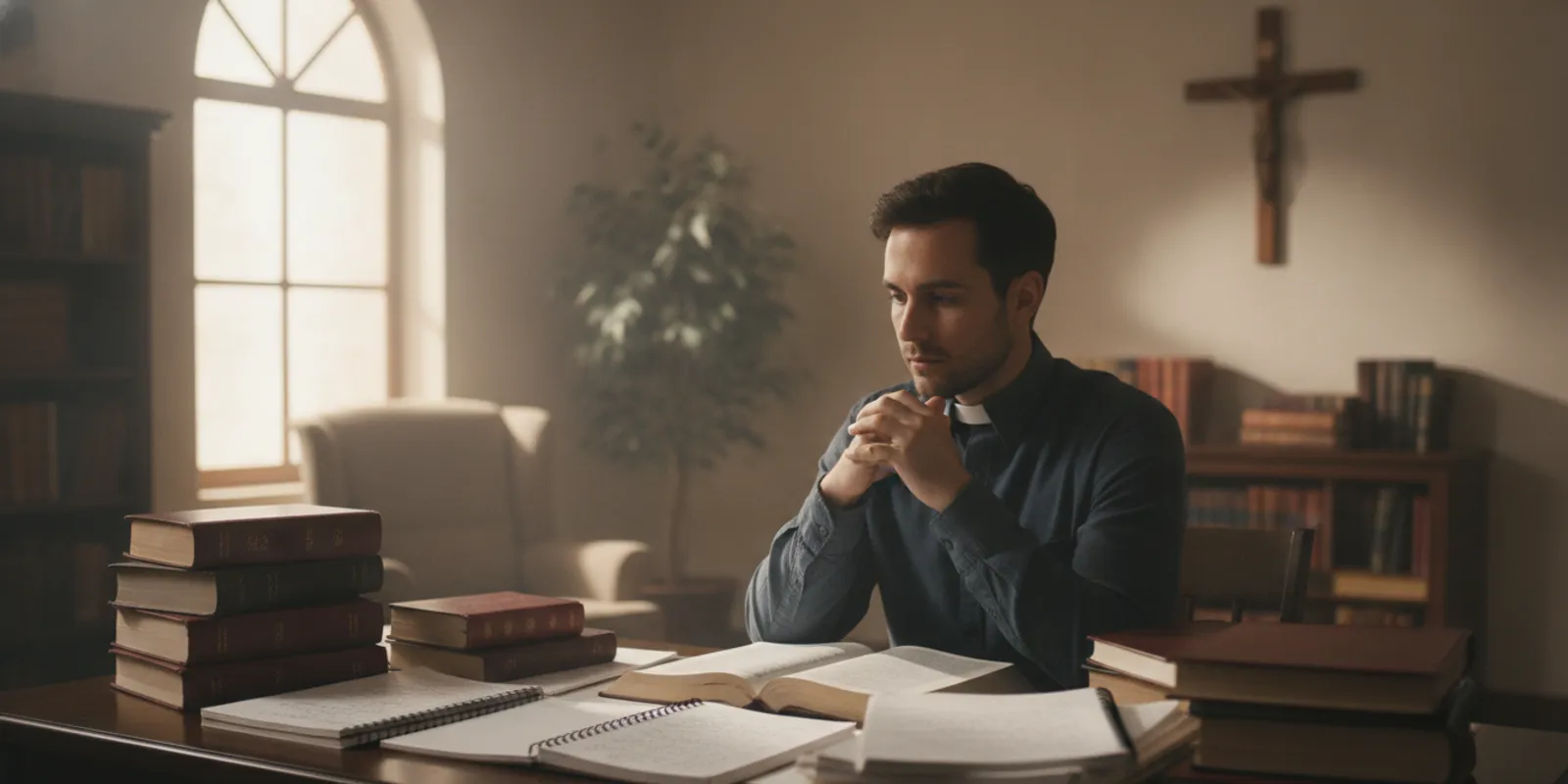
While traditional blessings are beautiful, a personalized wedding blessing prayer is one of the most powerful ways to make a ceremony feel unique. This is your opportunity to craft a moment that speaks directly to the couple’s specific journey, values, and love story. Think of it as a gift of words they can carry with them for a lifetime. It shows them you’ve listened and that you see them for who they are. Writing something so personal can feel daunting, but it doesn't have to be. This guide will show you how to weave in personal stories, reflect the couple's values, and adapt traditional texts to create a blessing that is both timeless and deeply authentic.
Key Takeaways
- Make it Personal: A truly memorable blessing reflects the couple's unique story and values. Talk with them beforehand to understand what matters most, then weave those details into a custom prayer or an adapted traditional text.
- Focus on Universal Themes: To ensure every guest feels included, use welcoming language that centers on shared values like love, partnership, and joy. A concise, heartfelt message will resonate more deeply with a diverse audience.
- Practice Your Delivery: Your calm, confident presence sets the tone for this sacred moment. Rehearse your blessing aloud to find a natural rhythm, allowing you to connect with the couple and deliver your words with genuine warmth.
What is a Wedding Blessing?
A wedding blessing is a beautiful and meaningful part of the ceremony where we pause to offer a prayer or heartfelt wish for the couple's future. Think of it as a moment to formally ask for happiness, love, and guidance for them as they start their married life. It’s more than just well-wishes; it’s an intentional act of inviting positive energy and divine favor into their union. Whether the couple is deeply religious or spiritual in a more general sense, the blessing serves to ground the ceremony in something greater than the two individuals standing before you. It’s a collective deep breath, a moment of reflection and hope shared by everyone present.
As an officiant, you have the honor of leading this moment. It’s a chance to set a tone of reverence and hope that resonates long after the ceremony ends. The blessing can be a traditional prayer passed down through generations, or it can be a modern, personalized message that speaks directly to the couple's unique story and values. Understanding the weight and beauty of this tradition is a key part of your role. It’s a responsibility we cover in our wedding officiant training, ensuring you feel confident guiding couples through this sacred part of their day. The goal is always the same: to wrap the couple in the love of their community and send them off with a powerful spiritual foundation for their marriage.
Its Purpose in the Ceremony
The main purpose of a wedding blessing is to make the ceremony feel sacred and special. It shifts the focus from the legal and logistical aspects of getting married to the profound, spiritual commitment the couple is making. By including a blessing, you help the couple and their guests recognize the significance of the moment. It’s an invitation for a higher power—whether called God, the Divine, or the Universe—to be present and to witness the union. This act transforms the space, creating a sense of reverence and marking the wedding as a truly momentous occasion in the couple's lives.
Its Spiritual Significance
Beyond setting a sacred tone, the blessing holds deep spiritual significance. This is the moment where the couple, with the support of their community, formally asks for divine support in their marriage. It’s an invocation for qualities that will help their relationship flourish: unconditional love, deep-seated trust, lasting peace, and unwavering faith in one another. As the officiant, you are facilitating a powerful request for guidance and strength as they face the future together. This is a profound responsibility, and it's why becoming legally ordained is such an important first step. You are not just reading words; you are helping to lay a spiritual cornerstone for the couple's new life.
Why a Wedding Blessing Matters
A wedding blessing is so much more than just a few nice words said before the kiss. It’s a powerful, intentional moment that shifts the energy of the ceremony, drawing everyone’s focus to the heart of the day: the couple’s lifelong commitment. For you as an officiant, understanding the weight of this moment is key to delivering it with the sincerity and warmth it deserves. A blessing sets a tone of reverence and hope, creating a space for the couple and their guests to reflect on the beautiful journey ahead. It’s a collective deep breath and a shared wish for a future filled with love, happiness, and strength.
Creating a Sacred Moment
In the middle of a joyful, and sometimes hectic, wedding day, the blessing carves out a quiet, sacred space. It’s a pause from the logistics and excitement, inviting a sense of peace and spiritual connection into the ceremony. This is the moment where you, as the officiant, guide everyone to focus on the profound commitment being made. By offering a prayer or blessing, you add a deep, spiritual touch that elevates the ceremony beyond a simple legal contract. It acknowledges that this union is something special and worthy of reverence, creating a memory the couple will hold onto for years. Mastering this part of the ceremony is a core element of our wedding officiant training.
Deepening the Couple's Commitment
The words of a blessing are a vocal affirmation of the couple’s hopes for their marriage. When you pray for their union to be filled with understanding, trust, peace, and harmony, you’re not just speaking into the air. You’re helping the couple articulate the foundation they want to build together. Hearing these wishes spoken aloud can be incredibly powerful, reinforcing their private vows and shared dreams. Marriage will inevitably face challenges, and a blessing serves as an anchor, a reminder of the strength and faith they can draw upon. It’s a verbal blueprint for the resilient, loving partnership they aspire to create.
Uniting Friends and Family
A wedding blessing has a beautiful way of transforming guests from passive observers into active participants. When you deliver the blessing, you’re inviting every person in the room to join in a collective moment of support and goodwill for the couple. It’s a shared prayer that unites everyone, regardless of their individual beliefs, in a common purpose: to wish the couple well. This act of community support is a gift to the newlyweds, wrapping them in the love of their friends and family as they begin their new life. It reinforces the idea that a marriage is not just about two people, but also about the community that will support them along the way.
A Collection of Traditional Wedding Blessings
Drawing from tradition is a beautiful way to ground a wedding ceremony in something timeless and profound. Many cultures and faiths have cherished blessings that have been spoken over couples for centuries. As an officiant, having a few of these in your toolkit can be incredibly helpful, whether you use them as-is or as a starting point for something more personalized. These blessings connect the couple to a long history of love and commitment, adding a layer of depth and significance to the moment. Here are a few powerful examples from various traditions around the world.
Christian Blessings
Christian ceremonies often include blessings that ask for God's favor and guidance over the couple's new life together. These prayers typically focus on themes of faith, grace, and everlasting love. One of the most well-known and eloquent wedding prayers comes from the Book of Common Prayer. It’s a beautiful, formal option that feels both classic and deeply meaningful: "God the Father, God the Son, God the Holy Spirit, bless, preserve, and keep you; the Lord mercifully with his favor look upon you, and fill you with all spiritual benediction and grace; that you may faithfully live together in this life, and in the age to come have life everlasting. Amen."
Jewish Sheva Brachot
In Jewish weddings, the ceremony includes the Sheva Brachot, or Seven Blessings. These are recited over a cup of wine and celebrate creation, joy, and the union of the couple. They are a cornerstone of the Jewish wedding tradition, connecting the couple’s happiness to the joy of the entire community and the divine. A beautiful excerpt captures this spirit perfectly: "Blessed art thou, O Lord our God, King of the universe, who hath created joy and gladness, bridegroom and bride, mirth and exultation, pleasure and delight, love and brotherhood, peace and friendship... Blessed art thou, O Lord, who gives the bridegroom joy in his bride." This wedding blessing is a powerful celebration of love.
Hindu Saptapadi
While not a spoken prayer from an officiant, the Saptapadi, or Seven Steps, is a core ritual in Hindu weddings that functions as a series of blessings and vows. The couple takes seven steps together around a sacred fire, with each step representing a specific vow and blessing for their shared future—covering everything from prosperity and strength to friendship and spiritual growth. This ritual is a physical representation of their journey forward, emphasizing that their commitment is built on shared promises. It’s a beautiful example of how blessings for married couples can be woven directly into the actions of the ceremony itself.
Islamic Marriage Duas
In Islamic tradition, a prayer or supplication is known as a dua. During a wedding, specific duas are recited to ask for Allah’s blessings upon the couple, wishing them a life filled with goodness, harmony, and faith. These prayers are central to sanctifying the marriage. A common and beautiful dua for a new couple is: "Bārakallāhu laka, wa bāraka ‘alayka, wa jama‘a baynakumā fī khayrin." This translates to, "May Allah bless you, and shower His blessings upon you, and join you together in goodness." It’s a simple yet profound wish for divine favor in their union, making it one of the most essential duas for a happy marriage.
Irish and Celtic Blessings
Irish and Celtic blessings are known for their poetic, lyrical quality, often drawing on imagery from nature to wish the couple well. They feel warm, heartfelt, and deeply connected to the earth, making them a popular choice for couples of all backgrounds. One of the most beloved Irish wedding prayers and blessings is a perfect example of this style: "May the road rise up to meet you. May the wind be always at your back. May the sun shine warm upon your face, and rains fall soft upon your fields." This blessing beautifully wishes the couple a smooth and joyful journey through life together.
How to Personalize a Wedding Blessing
A personalized wedding blessing is one of the most powerful ways to make a ceremony feel truly unique and heartfelt. While traditional blessings are beautiful, tailoring the words to reflect the couple’s specific journey, values, and love story creates a moment that everyone will remember. As their officiant, you have the special opportunity to craft a blessing that speaks directly to them and for them. This isn't about reinventing the wheel; it's about infusing a sacred moment with genuine personality and meaning.
Think of it as the heart of the ceremony—a quiet, focused point where you articulate the hopes and promises that form the foundation of the marriage. By personalizing the blessing, you honor the couple's past, celebrate their present, and offer encouragement for their future. It shows them that you’ve listened and that you see them for who they are. Whether you write something from scratch, weave in a personal story, or adapt a classic prayer, the effort you put into customization will transform the blessing from a formality into a deeply moving experience. This is your chance to give the couple a gift of words they can carry with them for a lifetime.
Write a Custom Prayer
Crafting a prayer from scratch allows you to create something that perfectly fits the couple. Start by having a conversation with them. Ask what they hope for in their marriage and what a blessing means to them. Some couples may have specific ideas, while others will look to you for guidance. You can offer to write a prayer just for them or help a special family member who has been asked to give a blessing. Focus on central themes like love, partnership, trust, and harmony. A simple structure works best: begin with a warm opening, share a few heartfelt wishes for their future, and close with a final, powerful line of blessing. This is a skill you can refine with practice, and our wedding officiant training can give you the confidence to write beautifully.
Weave in Personal Stories
Nothing connects with people like a good story. Weaving a short, meaningful anecdote about the couple into the blessing can make it incredibly touching. Ask them to share a memory that highlights the strength of their bond—perhaps how they met, a challenge they overcame together, or a simple moment that revealed their love for each other. The key is to keep it brief and directly related to the theme of the blessing. You’re not giving a toast; you’re illustrating a point about their commitment. Sharing these personal details makes the blessing feel authentic and honors the unique path that brought them to their wedding day. It turns abstract wishes into a tangible celebration of their specific love story.
Reflect the Couple's Values
A truly meaningful blessing should align with the couple's core values. Take the time to understand what is most important to them, whether it’s their faith, their commitment to adventure, the importance of family, or their shared sense of humor. The blessing should echo the principles they plan to build their marriage on. By asking for things like "understanding love," "unwavering trust," or "a home filled with peace," you are verbalizing their deepest hopes for their life together. This thoughtful approach shows genuine care and respect for their beliefs, which is a cornerstone of our officiant Code of Ethics. When the words reflect who they are, the blessing becomes a true and honest declaration of support for their union.
Adapt a Traditional Blessing
You don’t always have to start from a blank page. Adapting a traditional blessing is a wonderful way to honor heritage while adding a personal touch. Many couples find comfort in the timeless words of classic prayers but also want the ceremony to feel like their own. You can start with a well-known blessing and make small but significant changes. Insert the couple’s names, swap a few words to better match their style, or combine elements from different traditions that resonate with them. This approach blends the old and the new, creating a moment that feels both sacred and deeply personal. It’s a simple way to make an uplifting wedding blessing even more memorable for the couple and their guests.
Key Themes for Your Wedding Blessing
When you're crafting a wedding blessing, it helps to have a few core themes in mind. These themes act as a foundation, giving your words direction and meaning. Think of them as the emotional pillars that support the entire prayer. Whether you’re writing something from scratch or adapting a traditional text, focusing on one or more of these universal ideas will ensure your blessing resonates with the couple and their guests. Here are four key themes that appear in blessings across cultures and faiths.
Love and Unity
This is the heart of any wedding ceremony. A blessing centered on love and unity speaks to the core of the couple's commitment. You can focus on their deep connection, mutual respect, and the partnership they are building. The goal is to articulate a wish for their love to be a source of understanding and harmony throughout their lives. Many traditional wedding prayers ask for a "true and understanding love" that gives the couple the grace to live together in peace. This theme celebrates the beautiful bond they share today and the strong, unified front they will present to the world tomorrow.
Guidance and Protection
A wedding marks the beginning of a new journey, and every journey has its unknowns. This theme calls upon a higher power—whether you name it God, the Universe, or simply Love—to watch over the couple. You are asking for spiritual support to guide their steps and keep them safe. It’s a beautiful way to offer a sense of peace and reassurance, wrapping the couple in a feeling of being cared for as they start their married life. Many traditional blessings invoke this sense of divine favor and safekeeping for the couple as they move forward together.
Strength and Resilience
While weddings are full of joy, a meaningful blessing also acknowledges that marriage requires strength. This theme focuses on the couple's ability to face life's challenges together. You can express a hope that their love will give them the resilience to overcome obstacles and that their bond will only grow stronger through shared experiences. It’s not about dwelling on potential hardships, but rather about celebrating their partnership as a source of unwavering support. By wishing them faith, trust, and peace, you are blessing their marriage with the fortitude needed to last a lifetime. This approach adds a layer of depth and realism to your ceremony blessings.
Hopes for the Future
Every blessing should look forward with optimism. This theme is all about painting a picture of a bright and happy future for the couple. You can share wishes for joy, prosperity, laughter, and a home filled with warmth and love. It’s a chance to send them off from the ceremony with a wave of positive energy and excitement for all that’s to come. For example, some marriage duas in the Islamic faith ask that the couple be joined "together in goodness." This theme is the perfect, uplifting note to end on, leaving everyone with a feeling of hope for the couple's wonderful future.
Who Can Deliver the Wedding Blessing?
One of the most beautiful aspects of a wedding ceremony is its ability to reflect the couple's unique story and values. When it comes to the wedding blessing, there are no rigid rules about who should deliver it. The decision really comes down to what feels most meaningful to the couple. As their officiant, your role is to guide them through their options and help them choose the person who can best deliver this heartfelt moment.
Typically, there are three main choices: the officiant, a cherished family member or friend, or the couple themselves. Each option brings a different energy and significance to the ceremony. By understanding the couple's vision, you can help them decide who will voice the hopes and prayers for their future. This collaborative approach ensures the blessing feels authentic and becomes a memorable highlight of their special day. Your flexibility and support in this decision will show the couple you’re truly dedicated to creating a ceremony that is all about them.
The Officiant
As the wedding officiant, you are the most traditional choice to deliver the blessing, and it’s a responsibility many couples will entrust to you. This is a key moment where you can set a sacred and loving tone for the marriage. You can prepare by having a selection of beautiful, time-tested blessings ready to share, or you can offer to write a custom prayer that speaks directly to the couple’s journey and beliefs. Our wedding officiant training can help you build the skills to craft and deliver these moments with confidence and grace. This is your opportunity to serve the couple by articulating a powerful wish for their happiness and future together.
Family Members or Friends
Many couples choose to honor a special person in their lives by asking them to deliver the wedding blessing. This could be a parent, grandparent, mentor, or close friend whose presence and words hold deep meaning. This gesture adds a layer of personal intimacy to the ceremony and can be an incredibly touching moment for everyone involved. Your role as the officiant is to coordinate with this person ahead of time. You can help them by providing guidance on the tone, length, and placement of the blessing within the ceremony, ensuring it flows seamlessly. By welcoming another voice into the ceremony, you help the couple share the spotlight with those they love most.
The Couple
For a truly personal and powerful moment, some couples choose to deliver the blessing themselves. They might offer a blessing to one another, speaking directly about their hopes for their shared life. Or, they might turn to their guests and offer a blessing of gratitude for their love and support. This is a modern and deeply moving choice that puts the couple’s own voices at the heart of the ceremony. As their officiant, you can support them by helping them find the right words or simply by creating a quiet, intentional space for this sacred exchange to happen. It’s a beautiful way for them to begin their marriage by actively speaking their intentions into existence.
How to Make the Blessing Inclusive for All Guests
A wedding brings together people from all walks of life, each with their own beliefs and backgrounds. As an officiant, one of your most important roles is to create a ceremony where every single guest feels welcome and included. The wedding blessing is a beautiful moment for reflection, but it can also be a point of discomfort if it isn’t handled with care. The key is to focus on the universal themes of love, commitment, and community that everyone can connect with, regardless of their personal faith. By being thoughtful and intentional with your words, you can deliver a blessing that honors the couple while embracing all who have gathered to celebrate them. This approach is a cornerstone of our Code of Ethics, which emphasizes respect for all.
Use Welcoming Language
The words you choose have the power to either build bridges or create distance. Opt for language that is open, warm, and universal. Instead of using terminology specific to one religion, focus on concepts that resonate with everyone, like love, joy, partnership, and hope. Think about blessings that speak to the human experience. For example, you might bless the couple’s journey, their shared dreams, or the community of support surrounding them. Many couples today prefer ceremonies that are "short and sweet," and using simple, heartfelt language helps achieve that while ensuring no one feels alienated. Your goal is to make every guest feel like they are an integral part of this sacred moment, not just a spectator.
Keep it Brief but Meaningful
Inclusivity and brevity often go hand in hand. A long, elaborate prayer can feel isolating for guests who don't share the specific beliefs being expressed. A blessing that is concise yet full of heart is far more impactful and respectful of everyone’s time and attention. You can convey profound wishes for the couple in just a few thoughtful sentences. Focus on the essence of the blessing: to wish the couple well and to acknowledge the significance of their commitment. A short, powerful message about their future, their unity, and the love that surrounds them will resonate deeply with everyone present and add a touch of grace to the ceremony without overstaying its welcome.
Match the Ceremony's Tone
A beautiful blessing feels like a natural extension of the ceremony itself. Before you write or choose a blessing, get a feel for the overall tone the couple wants to create. Is their ceremony modern and lighthearted? Formal and traditional? Spiritual but not religious? The blessing should match that energy. A heartfelt prayer asking for joy and unity fits perfectly in a more traditional setting, while a blessing focused on adventure and partnership might be better for a contemporary ceremony. Discussing this with the couple beforehand ensures your words will align perfectly with their vision, creating a seamless and emotionally resonant experience for them and their guests.
Be Mindful of Diverse Backgrounds
Today’s weddings are a wonderful mix of families, friends, and cultures. Acknowledging this diversity is key to being a great officiant. When preparing the blessing, think about the guests. Will there be people from different faiths, or those who are not religious at all? The most inclusive blessings are those that speak to shared human values. A sentiment like, "May you find shelter and safety in each other's arms, respect and reverence in each other's heart," is beautiful because it focuses on the couple's relationship in a way everyone can appreciate. Our wedding officiant training emphasizes how to craft these moments with sensitivity and care, ensuring your words honor the couple and unite their guests.
The Essentials of Writing Your Own Blessing
Writing a blessing from scratch can feel like a big responsibility, but it’s also a beautiful opportunity to create a truly personal moment. Don't worry about finding the "perfect" words. The most memorable blessings are sincere and speak from the heart. By focusing on three key elements, you can craft a meaningful prayer that honors the couple and their new beginning.
Acknowledge a Higher Presence
A blessing, by its nature, invites a spiritual element into the ceremony. It’s a moment to call upon a higher power—whether you name God, the Universe, or the spirit of love—to watch over the couple and sanctify their union. This act sets a sacred tone and acknowledges that the marriage is more than just a legal contract; it's a profound spiritual bond. As an officiant, your role is to facilitate this sacred moment, a responsibility that aligns with our Code of Ethics. Use language that feels genuine to the couple’s beliefs to ask for divine guidance, grace, and presence in their life together.
Honor the Couple's Commitment
Your blessing should be a direct reflection of the couple standing before you. Go beyond generic wishes and speak to the specific commitment they are making to each other. What qualities define their partnership? Is it their shared sense of humor, their unwavering support for one another, or their mutual sense of adventure? Weave these personal observations into your prayer. Honoring their unique bond makes the blessing deeply personal and affirms the vows they just exchanged. This is a skill we help you develop in our wedding officiant training, where you learn to craft ceremonies that truly celebrate the couple.
Share Wishes for Their Future
Every blessing should look forward, offering heartfelt wishes for the couple's journey ahead. Think about what you truly hope for them as they build their life together. You can wish them strength to face challenges, wisdom to grow together, and an abundance of joy in their everyday moments. This is your chance to paint a picture of a happy, resilient, and loving future. Offer them hopes for a home filled with laughter, a partnership built on respect, and a love that deepens with every passing year. These wishes are a gift you give them to carry into their marriage.
How to Deliver a Memorable Blessing
Once you’ve written the perfect blessing, the next step is to deliver it with grace and sincerity. The way you speak the words is just as important as the words themselves. A heartfelt delivery can turn a simple prayer into a truly unforgettable moment for the couple and everyone witnessing their union. It’s about more than just reading from a script; it’s about conveying genuine emotion and creating a sense of peace and celebration. By focusing on your word choice, practicing your delivery, and staying centered, you can ensure your blessing resonates deeply and adds a beautiful, sacred touch to the ceremony.
Choose Your Words Carefully
The most powerful blessings are often the most personal. Select words that truly reflect the couple’s journey, their values, and your hopes for their future together. Many couples prefer a message that is "short and sweet," so focus on sincerity rather than length. Your goal is to make the blessing feel authentic to them. Before you finalize your text, ask yourself if it sounds like something that honors their unique bond. Adhering to a professional Code of Ethics means always putting the couple's beliefs and preferences first. Whether you’re adapting a traditional prayer or writing something new, let honesty and warmth be your guide.
Practice Your Delivery
Reading your blessing aloud a few times is essential for a smooth, confident delivery. Practice helps you find a natural rhythm and pace, so you don't rush or stumble over your words on the big day. Find a quiet space where you can speak freely, and consider recording yourself to hear how you sound. This isn't about memorizing every word, but about becoming comfortable with the flow of the message. The more familiar you are with the blessing, the more you can focus on connecting with the couple instead of worrying about what comes next. Our Wedding Officiant Training covers public speaking techniques to help you feel prepared and poised.
Stay Calm and Centered
Your calm presence sets the tone for this sacred moment. On the day of the ceremony, take a few minutes for yourself to breathe and get centered before you speak. A simple routine, whether it's a moment of quiet reflection or a few deep breaths, can make a world of difference. Your steady demeanor helps put the couple at ease and allows the emotional weight of the blessing to land beautifully. Remember, you are there to be a conduit of love and well wishes. By staying present and grounded, you can deliver the blessing with the warmth and sincerity it deserves, creating a memory the couple will cherish for years to come.
Common Blessing Mistakes to Avoid
Delivering a wedding blessing is an honor, and you want to make sure it adds a beautiful, heartfelt moment to the ceremony. While your intentions are always good, a few common missteps can take away from the power of your words. Thinking through these potential pitfalls ahead of time will help you deliver a blessing that is smooth, meaningful, and memorable for all the right reasons. Here are a few key mistakes to watch out for.
Going on Too Long
It’s easy to get carried away when you have so many wonderful wishes for the couple, but a blessing that drags on can lose its impact. Guests have a limited attention span, and a concise, powerful message will resonate more deeply than a lengthy speech. Aim to keep your blessing between one and three minutes. This is just enough time to share a meaningful sentiment without losing the room. Remember, the goal is to offer a potent moment of reflection, not a full sermon. Brevity is a key part of good wedding etiquette and shows respect for the couple and their guests.
Skipping the Practice Run
Please, don’t try to wing it. Even the most seasoned speakers practice. Reading your blessing aloud a few times will help you find a natural rhythm and catch any tongue-twisting phrases. It also gives you a chance to time yourself and build confidence. If you can, practice at the ceremony location during the rehearsal to get a feel for the space. This preparation is a core part of our wedding officiant training because it makes all the difference. A smooth, heartfelt delivery looks effortless, but it’s almost always the result of a little practice.
Forgetting Your Audience
While the blessing is for the couple, it’s delivered in front of their community of family and friends. Be mindful of the diverse backgrounds in the room. A blessing that is overly specific to one faith or inside joke might alienate some guests. Instead, focus on universal themes like love, partnership, joy, and commitment. You can honor the couple’s specific beliefs while still using inclusive language that makes everyone feel welcome. Upholding this sense of respect for all is a central part of an officiant's role and is reflected in our Code of Ethics.
Disrupting the Ceremony Flow
A great blessing should feel like a seamless and essential part of the ceremony, not an awkward interruption. Work with the couple to determine the perfect placement for the blessing. Does it come after the vows? Before the ring exchange? Knowing your cue is critical. A blessing that starts too early or too late can break the emotional momentum the couple and officiant have worked to build. Understanding how to structure a ceremony is a fundamental skill that ensures every element, including the blessing, contributes to a cohesive and beautiful experience.
Related Articles
- Tips for New Officiants to Create Memorable Wedding Moments
- Making Weddings Meaningful: How Officiants Create Memories
- Your Complete Non-Denominational Wedding Officiant Script
- Wedding Outline for Officiant: The Complete Guide
- Wedding Ceremony Script Examples: A Complete Guide
Frequently Asked Questions
How long should a wedding blessing be? Think short and sincere. The most powerful blessings are often concise, landing somewhere between one and three minutes. Your goal is to create a focused, heartfelt moment, not to deliver a lengthy speech. A shorter blessing holds everyone's attention and ensures your beautiful words have a lasting impact without slowing the ceremony's momentum.
What's the best way to handle a blessing for a couple with different beliefs? This is a wonderful opportunity to focus on what unites everyone: love. Center the blessing on universal themes like partnership, joy, strength, and community. You can ask a higher power for guidance using inclusive terms like "Divine Spirit" or "the spirit of love," or you can frame the blessing as a collective wish from all the guests. The key is to use welcoming language that makes every person in the room feel part of the moment.
Is it better to write a blessing from scratch or use a traditional one? There’s no right or wrong answer here—it all comes down to what feels most authentic for the couple. Using a traditional blessing can connect the ceremony to a rich history and heritage, which is beautiful. Writing something custom makes the moment incredibly personal. A great middle ground is to adapt a traditional prayer, weaving in the couple's names and personal details to make it uniquely theirs.
Where does the blessing typically fit into the wedding ceremony? While there's no strict rule, the blessing often works well after the vows and before the ring exchange, as it reinforces the promises the couple just made. Another popular spot is at the very end of the ceremony, just before you pronounce them married. It serves as a final, powerful send-off. The most important thing is to discuss the placement with the couple to ensure it enhances the emotional flow of their ceremony.
How much should I involve the couple in creating the blessing? You should absolutely involve them. The blessing is for them, so it should reflect their values, story, and hopes for the future. Have a conversation about what a blessing means to them and what wishes they have for their marriage. You don't need to have them write it, but their input is the secret ingredient to crafting a blessing that feels truly genuine and meaningful.