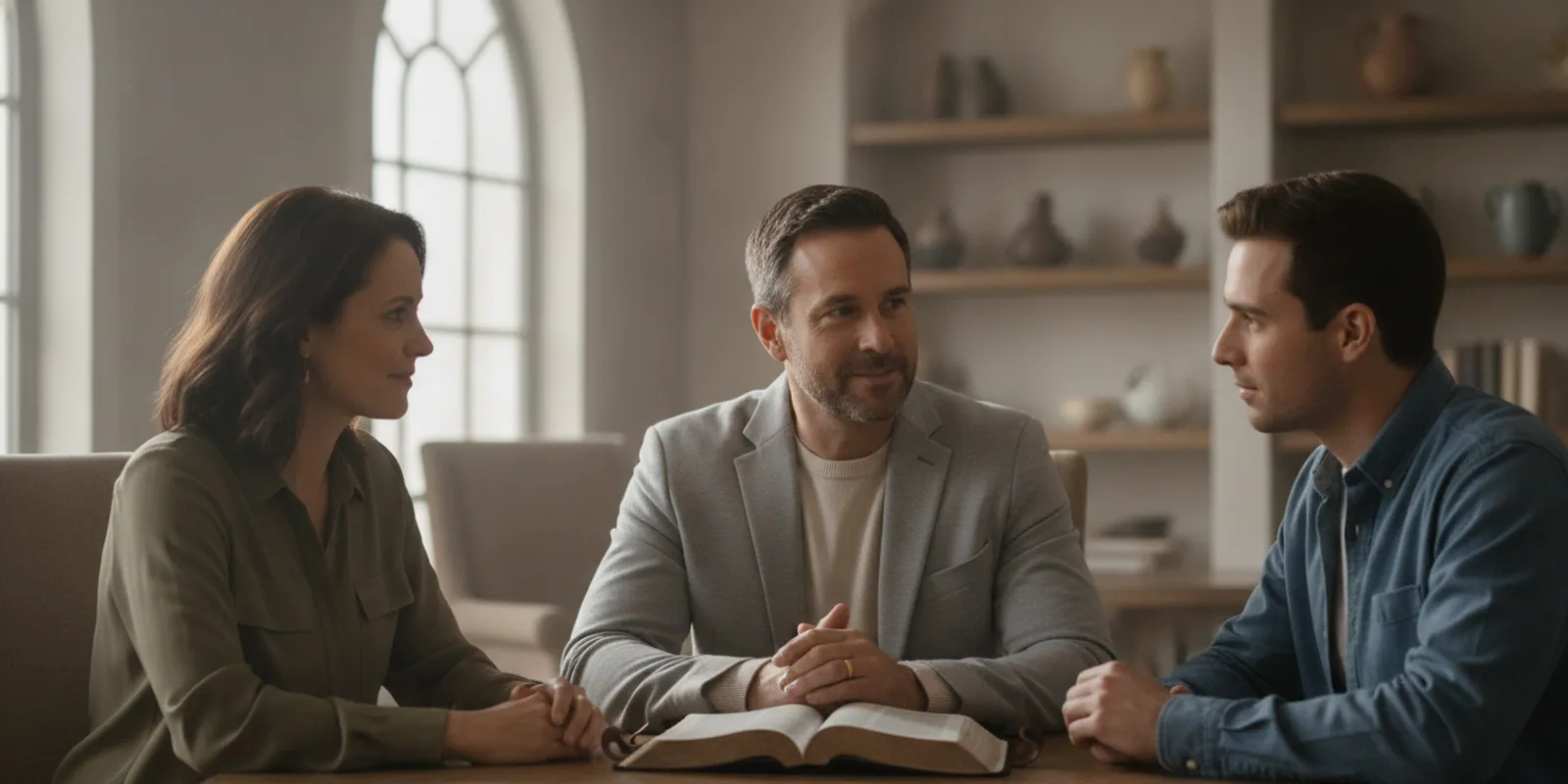

Your friend just asked you to officiate their wedding. It’s a huge honor, but after the initial excitement wears off, a wave of questions probably hits you. Can I legally do this? Where do I even start? The answer is yes, you can, and the path begins with online ordination. It’s a modern, accessible way to gain the legal authority to perform a marriage ceremony. While you might see offers for a no cost ordained minister certificate, it’s important to understand that becoming a great officiant involves more than just a piece of paper. This guide will walk you through the entire process, from understanding the legal requirements to feeling confident as you stand before the happy couple.
Key Takeaways
- Choose a Reputable Organization for a Legal Ordination: Online ordination is a valid way to become a wedding officiant, but its legitimacy is tied to the credibility of the ordaining ministry. Partner with an organization that offers transparent support and a clear code of ethics.
- Master the Local Marriage Laws Before the Wedding: Your primary legal duty is to understand the specific rules of the state and county where the ceremony will occur. Always research requirements for officiant registration and correctly handle the marriage license to guarantee the couple's union is official.
- Go Beyond the Certificate with Practical Training: Your ordination gives you legal authority, but true confidence comes from preparation. Invest in training to learn how to write a personal ceremony, manage the event, and handle the official paperwork like a professional.
What Is an Online Ordination?
Getting ordained online is the process of becoming a legally recognized minister through an organization's website. It’s a modern, accessible path that allows you to perform ceremonies, most notably weddings. Unlike traditional routes that can take years of seminary study, online ordination is a much quicker process. It gives you the legal standing to officiate for friends and family or even to start a new career. Think of it as the first step in gaining the authority to guide a couple through one of the most meaningful moments of their lives. The focus is on empowering you to create and perform a beautiful, heartfelt ceremony.
Is It Legally Recognized?
This is the most common question, and the answer is a resounding yes. Online ordinations are legitimate and legally recognized across the United States. When you become a minister online through a recognized church, you gain the same legal standing to perform a wedding as a minister from a traditional brick-and-mortar church. However, marriage laws can be a little tricky and sometimes vary by state or even by county. Before you perform a ceremony, it's crucial to understand the specific state laws where the wedding will take place. This simple step ensures the marriage is legally sound and gives you total confidence on the big day.
Who Can Get Ordained Online?
One of the best parts of online ordination is how inclusive it is. Generally, anyone who is at least 18 years old can become an ordained minister online. Your personal beliefs, background, and walk of life don't factor into your eligibility. The process is designed to be open to everyone who feels called to officiate, whether you're helping a childhood friend tie the knot or building a business celebrating love. As long as you meet the age requirement and have a genuine desire to perform this important service, you are likely a great candidate. You can apply for ordination to begin your journey as a wedding officiant.
Common Myths About Online Ordination
Let’s clear up a few things you might have heard. First, you don’t need years of expensive, formal training to become a minister online. While preparation is key to being a great officiant, the ordination process itself is very straightforward. Second, a reputable organization won't hit you with recurring fees to maintain your status. You may need to purchase physical documents, like a certificate, but your ordination itself shouldn't come with hidden charges. The goal is to empower you, not lock you into a subscription. That said, investing in wedding officiant training is always a great idea to build the skills and confidence you need to shine.
How to Get Ordained Online
Getting ordained online is a straightforward path to officiating weddings for friends, family, or as a new career. The process is designed to be accessible, allowing you to gain the legal standing required to perform marriage ceremonies. While it might sound complicated, it really boils down to a few key steps. By following this guide, you can confidently complete the process and prepare to lead a beautiful ceremony.
The most important thing is to work with an organization that not only provides your credentials but also supports you on your journey. Think of it as finding a partner who will help you succeed. Let’s walk through exactly what you need to do.
Step 1: Find a Reputable Organization
Your first move is to find a credible organization to get ordained through. A reputable ministry is one that is legally recognized and provides genuine support for its officiants. Look for an organization with a clear mission, transparent processes, and a commitment to ethical standards. A strong Code of Ethics is a great sign that a ministry takes its role seriously and expects its officiants to do the same. This ensures your ordination is not just a piece of paper but a meaningful credential backed by a supportive community.
Step 2: Complete the Application
Once you’ve found an organization you trust, the next step is to fill out the application. The process is typically quick and can be done online in just a few minutes. You’ll need to provide your full legal name, contact information, and confirm that you meet the age requirement, which is usually 18 years or older. Be sure to use your legal name as it will appear on your official documents. When you’re ready, you can apply for ordination and move one step closer to your goal.
Step 3: Receive Your Ordination Certificate
After your application is submitted and approved, you will receive your ordination credentials. This certificate is the official document that confirms your status as an ordained minister, giving you the legal authority to perform weddings and other ceremonies. Many officiants choose to order a physical copy of their certificate for their records or to display. You can often find these documents, along with other helpful officiant supplies, in an organization’s online store. This certificate is your key to legally signing a marriage license.
Step 4: Check Your State's Requirements
This final step is one you can’t skip. Marriage laws are determined at the state and sometimes even the county level, and they can vary quite a bit. Some jurisdictions may require you to register your credentials with a local government office before you can legally officiate a wedding. It’s your responsibility to understand and follow the specific rules for the location where the ceremony will take place. Be sure to research your local state laws to ensure you’ve completed all the necessary paperwork and are fully compliant.
What Are the Legal Requirements to Officiate a Wedding?
Once you’re ordained, you hold the special responsibility of making a marriage legally binding. This part might sound intimidating, but it’s actually very straightforward. Your role is to ensure all the legal boxes are checked so the couple can relax and enjoy their big day. Think of it this way: you’re not just leading a beautiful ceremony, you’re also handling the official paperwork that validates the union in the eyes of the law. This is where your role shifts from a ceremonial leader to a legal agent for the state, and it's a duty to take seriously.
Getting this right is a huge part of being a professional and trustworthy officiant. It involves understanding the specific rules of the location where the wedding takes place, correctly handling the marriage license, and making sure all documentation is in order. Each state has its own set of rules, so a little bit of homework is required before you officiate your first wedding. Taking the time to understand these legal duties shows your commitment and ensures the couple’s marriage starts off on solid legal ground. It’s a core part of the job, and we’re here to help you feel confident every step of the way.
Know Your State's Marriage Laws
First things first: marriage laws are not the same everywhere. They can vary quite a bit from one state to another, and sometimes even between counties. Before you agree to officiate a wedding, you must check the specific requirements for the location where the ceremony will be held. Some places require officiants to register with the local county clerk’s office, while others may ask for a copy of your ordination certificate or a letter of good standing. You can find a helpful breakdown of state laws on our website to get started. This is a non-negotiable step to ensure the marriage you perform is legally recognized.
Handle the Marriage License Correctly
The marriage license is the most important document you’ll handle as an officiant. After the ceremony, it’s your job to make sure the license is filled out accurately and signed by you, the couple, and any required witnesses. Pay close attention to the details, like using the correct ink color and writing legibly. Most importantly, be aware of the deadline for returning the signed license to the local government office, which is usually the county clerk. Missing this deadline can cause serious legal headaches for the couple, so make it a priority to return it promptly after the wedding day.
Meet Witness and Documentation Rules
Along with the marriage license, you’ll need to be aware of witness and documentation requirements. Many states require one or two witnesses to sign the marriage license, so confirm this beforehand and make sure the couple has designated people for this role. You may also need to present proof of your ordination to the local officials. This could be your ordination certificate or other official documents. Since these items can take some time to arrive by mail, it’s a good idea to apply for ordination and order any necessary paperwork from our AFM Store at least a month before the ceremony.
What to Expect From an Ordination Organization
Getting your ordination certificate is an exciting first step, but it’s just that: a first step. A truly great ordination organization won’t just hand you a piece of paper and wish you luck. Instead, they’ll provide a foundation of support to help you become a confident and capable wedding officiant. Think of it as the difference between getting a driver's license and actually learning how to drive well. The best organizations are committed to your success long after you’ve completed your application. They offer the training, tools, and community you need to perform beautiful, memorable, and legally sound wedding ceremonies.
Comprehensive Support and Training
A certificate makes you legally able to officiate a wedding, but proper training is what makes you feel prepared. Look for an organization that provides practical guidance on everything from public speaking to writing a compelling ceremony. The most helpful programs offer wedding officiant training that walks you through the entire process, from the initial couple consultation to signing the marriage license. This support is what helps you move past the nerves and focus on creating a wonderful experience for the couple. It ensures you understand not just the ceremonial parts of the role, but also the important legal duties you’re responsible for.
Access to Ceremony Resources
When you’re just starting, staring at a blank page trying to write a ceremony script can feel daunting. This is where a solid resource library becomes your best friend. A good organization will give you access to a variety of tools, like sample scripts, vow-writing guides, and ceremony checklists. These resources provide a framework you can build upon, making it easier to craft a personalized ceremony that reflects the couple’s unique story. You can find helpful materials in the AFM Store that give you a professional starting point, saving you time and reducing the stress of creating everything from scratch.
Ongoing Community and Professional Development
Officiating a wedding is a profound responsibility, and you shouldn’t have to do it alone. A great organization fosters a sense of community where you can connect with fellow officiants, ask questions, and share experiences. Beyond community, they also provide a clear professional framework. This includes upholding a Code of Ethics that guides your conduct and reinforces the integrity of your role. This ongoing support system is invaluable. It provides a network you can lean on for advice and encouragement as you perform more ceremonies and develop your skills as a professional officiant.
Potential Challenges with Online Ordination
Getting ordained online is an exciting first step, but it’s helpful to know about a few potential hurdles you might encounter along the way. Think of these not as roadblocks, but as part of the process to ensure you’re fully prepared to officiate a wedding legally and confidently. Being aware of these challenges ahead of time means you can plan accordingly and focus on what really matters: creating a beautiful ceremony for the couple.
The main things to keep on your radar are the varying legal requirements from state to state, the potential need for official documents, and the gap between being ordained and feeling truly ready to lead a ceremony. Each of these is manageable with a bit of foresight. By understanding the landscape, you can make sure every wedding you perform is both memorable and legally sound. Let’s walk through what you can expect so you can feel prepared for anything.
Varying State Recognition
While online ordinations are legally recognized in almost every state, the specific rules can change depending on where the wedding takes place. It’s not just about the state; sometimes individual counties have their own requirements. For example, some local government offices may ask you to register your credentials with them in person before you can legally sign a marriage license. This is a crucial step because failing to comply could jeopardize the legal standing of the marriage.
To avoid any issues, it's essential to research the regulations for the exact location of the ceremony. Don’t wait until the last minute. A few weeks before the wedding, take some time to look up the local state laws and even call the county clerk’s office to confirm what they require from an officiant. This simple check-in will give you and the couple peace of mind.
Additional Costs for Documents
While the initial step of getting ordained online can be simple, you will likely need official documents to prove your status as a minister. Most county clerks won't just take your word for it; they require physical proof before they’ll accept a marriage license signed by you. This often means you’ll need to order items like a certificate of ordination or a letter of good standing from your ordaining organization.
These documents typically come with a fee and can take some time to be processed and shipped. Plan to order everything you need from the AFM Store at least a month before the wedding. This buffer ensures all your paperwork arrives on time, preventing any stressful, last-minute scrambles. Think of it as a small, necessary investment to make sure the couple’s marriage is official.
Lacking the Training to Feel Confident
Receiving your ordination certificate is the legal key to performing a wedding, but it doesn’t automatically prepare you for the role. Standing in front of a crowd, guiding a couple through their vows, and managing the flow of a ceremony all require skills that go beyond a piece of paper. Many newly ordained ministers feel a wave of anxiety when they realize they have to write a script, speak publicly, and handle the legal paperwork correctly.
This is where practical preparation makes all the difference. Proper wedding officiant training can help you build the confidence you need to lead a ceremony with grace and professionalism. It teaches you how to craft a personal and meaningful script, what to do if something unexpected happens, and how to correctly complete and file the marriage license. Investing in your skills helps you move from feeling nervous to feeling empowered to create an unforgettable experience.
Your Next Steps After Getting Ordained
Congratulations, you’re officially ordained! This is an exciting moment, and you’re now in a position to create a truly special day for a happy couple. But before you jump into your first ceremony, there are a few important steps to take. Think of this as your post-ordination checklist to make sure you’re prepared, professional, and ready to perform a wedding with confidence.
Getting your certificate is the first step, but what comes next is what truly makes you an officiant. You’ll need to get familiar with your legal responsibilities, learn how to craft a personal and meaningful ceremony, and start building the skills that will make you the go-to officiant for friends, family, and maybe even future clients. Let’s walk through what you need to do to get started on the right foot.
Understand Your Legal and Ethical Duties
Before you do anything else, it’s essential to understand the rules. Marriage laws can vary significantly from one state to another, and sometimes even by county. You must check the specific requirements for the location where the wedding will take place. Some jurisdictions may require you to register your credentials with a local government office before you can legally sign a marriage license. Our guide to state laws is the perfect place to start your research. Beyond the legal side, remember the weight of your role. You are being trusted with a pivotal moment in two people's lives, so it's important to act with integrity and professionalism, as outlined in our code of ethics.
Prepare for Your First Ceremony
Now for the fun part: planning the ceremony. The best ceremonies are a reflection of the couple, so your first step is to talk with them. Ask about their story, what they envision for their big day, and the overall tone they want to set. Discuss practical details too, like your role in the rehearsal and what you should wear. When you write the script, make sure to include the legally required elements, like the declaration of intent (the "I do's") and your official pronouncement of marriage. If you’re feeling a little nervous about where to begin, our wedding officiant training provides the structure and confidence you need to lead a beautiful ceremony.
Build Your Skills and Reputation
Whether you’re officiating a single wedding for a friend or starting a new side hustle, your skills and reputation matter. Every ceremony you perform is an opportunity to practice and refine your public speaking, storytelling, and ability to connect with a crowd. Delivering a heartfelt and professional ceremony is your best form of marketing, as happy couples and their guests are your biggest source of future referrals. To present yourself professionally from the start, consider getting some essential supplies. You can find high-quality commemorative marriage certificates, folders, and other resources in the AFM Store to help you look and feel the part.
Related Articles
- Online Ordination for Weddings: Step-by-Step Legal Guide
- How to Become a Wedding Officiant Online in 7 Steps
- How to Get an Online Ordination to Perform Weddings
- How to Be Ordained Online: The Complete Guide
- How to Be Ordained Online: The Complete Guide
Frequently Asked Questions
How long does it take to get ordained online? The application process itself is very fast and can often be completed in just a few minutes. Once your application is approved, you are officially ordained. However, you should plan ahead for receiving your physical documents, like your ordination certificate, which can take some time to arrive in the mail. It's always a good idea to start the process at least a month before the wedding to ensure you have all your paperwork ready.
Is an online ordination valid in every state? Yes, online ordinations are legally recognized across the United States. That said, the specific requirements for officiants can differ from state to state, and sometimes even from one county to the next. Some local offices may require you to register with them before the ceremony. The most important thing you can do is research the laws for the exact location of the wedding to ensure the marriage is legally sound.
Do I need to have specific religious beliefs to get ordained? No, you do not need to subscribe to any particular religious doctrine. The process is designed to be inclusive and is open to people from all walks of life and belief systems. The focus is on your desire to facilitate a meaningful and legally recognized union for a couple. As long as you are committed to performing this role with sincerity and respect, you are a welcome candidate.
What's the difference between getting ordained and getting trained? Think of it this way: your ordination is the legal credential that gives you the authority to perform a wedding. It’s the piece of paper that makes it official. Training, on the other hand, gives you the practical skills and confidence to actually lead a beautiful and seamless ceremony. It teaches you how to write a script, manage the flow of the event, and handle the legal paperwork correctly so you can feel prepared and professional.
What is the single most important step after I receive my ordination? Without a doubt, the most critical step is to research the marriage laws for the specific state and county where the wedding will take place. This is not something you can skip. You are responsible for understanding and following all local requirements, which might include registering your credentials with the county clerk. Verifying these rules ensures the couple's marriage is legal and gives everyone peace of mind.