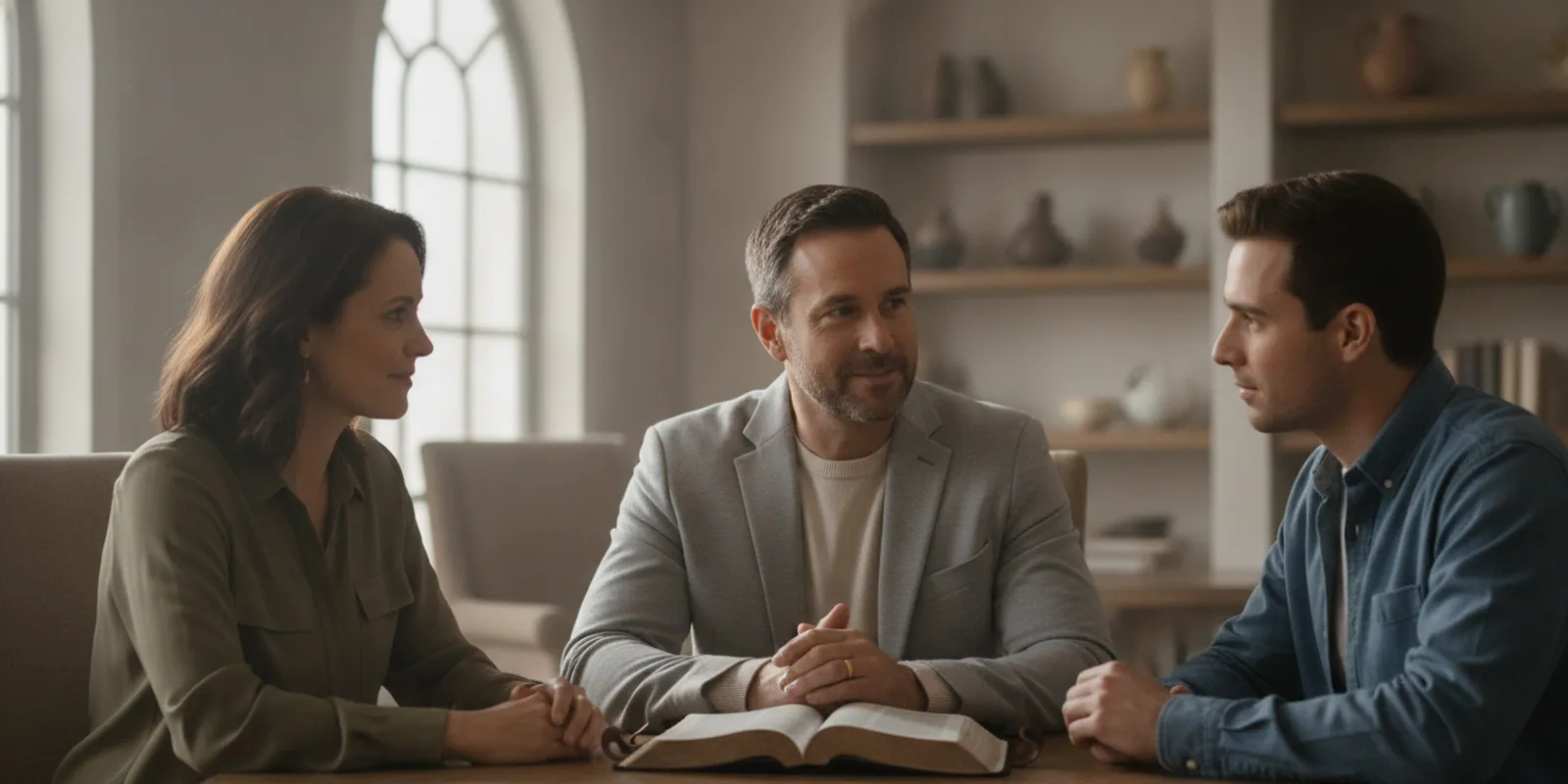
Your friends want you, not a stranger, to stand with them as they get married. They chose you for your unique connection to them and their story. While that personal touch is your greatest asset, it’s only one part of the job. Officiating is also a significant legal responsibility and a public speaking role that sets the tone for the entire day. You need to know how to get ordained, what the local laws require, and how to guide everyone through the ceremony with grace. This is about more than just reading a script; it’s about leading a meaningful experience. That’s why specific officiant training for friends and family is so valuable. It bridges the gap between being a loving friend and being a confident, capable officiant.
Key Takeaways
- Prioritize the Legal Requirements: Your most important duty is to make the marriage official. This means getting ordained, researching the specific marriage laws for the ceremony's location, and knowing how to complete the marriage license without any errors.
- Make the Ceremony Deeply Personal: A memorable ceremony is built around the couple's unique story. Work closely with them to understand their vision and weave their personal anecdotes and inside jokes into the script to create a celebration that truly reflects them.
- Prepare to Lead with Confidence: A smooth ceremony is the result of good preparation. Leading a thorough rehearsal and practicing your script multiple times will help you manage nerves and handle any small surprises with calm, professional grace.
How to Legally Officiate a Wedding
Being asked to officiate a wedding is an incredible honor, but it’s also a serious legal responsibility. Before you start writing the ceremony or practicing your public speaking, you need to make sure you’re legally qualified to marry the happy couple. Getting the legal side right is the most important part of your role. It ensures the couple’s marriage is valid from the moment they say, “I do.”
The good news is that the process is straightforward. It boils down to three essential steps: getting ordained, understanding the local laws, and correctly handling the marriage license. Think of these as the non-negotiable foundation of your duties. Once you have these covered, you can focus on the fun part: creating a beautiful and memorable ceremony. Let’s walk through exactly what you need to do to make it official.
Get Ordained: Your First Step
First things first, you need to get ordained. This is the official authorization that gives you the legal standing to perform a marriage ceremony. Without it, the wedding you perform won’t be legally recognized. The process is simpler than you might think. Organizations like All Faith Ministry allow you to apply for ordination online, providing you with the credentials you need to legally marry people. This step is your official entry into the world of officiating. It’s the credential that allows you to sign the marriage license and pronounce a couple as legally married.
Know Your State and Local Laws
Once you’re ordained, your next step is to research the laws where the wedding will take place. Marriage laws are not the same everywhere; they change from state to state, and sometimes even from county to county. It is absolutely essential to check the specific requirements for officiants in that location. Some areas may require you to register with the local clerk’s office before the ceremony. You can find a helpful overview of requirements on our state laws page, but always double-check with the county office that will issue the marriage license to be certain you’ve met all their rules.
Complete the Marriage License Correctly
The marriage license is the legal document that officially records the union, and your role in completing it is critical. Before the wedding day, sit down with the couple to review the license. Make sure you know exactly where to sign, what information to fill in, and even what kind of pen to use. A simple mistake, like a smudge or using the wrong color ink, can sometimes invalidate the document. Proper wedding officiant training will walk you through this process, but the key is to be meticulous. Your signature is the final step that makes the marriage official, so handle this document with care.
Where to Find the Best Officiant Training
Once you’re ordained, the next step is figuring out exactly what to do and say. Being asked to officiate a wedding is a huge honor, but it also comes with a lot of responsibility. You want to do an amazing job for the couple, and the best way to feel prepared is with solid training. The right program will walk you through everything from writing a beautiful ceremony script to handling the legal paperwork with confidence. Think of it as your roadmap to delivering a flawless ceremony that everyone will remember for all the right reasons.
A great training course does more than just give you a script. It helps you find your own voice as an officiant, so you can lead the ceremony in a way that feels authentic to you and special for the couple. It prepares you for the practical side of things, like how to stand, where to look, and how to project your voice so everyone can hear. It also gives you a framework for working with the couple beforehand to make sure the ceremony truly reflects their personalities and love story.
Fortunately, there are plenty of resources designed to help you succeed. Whether you prefer a structured, comprehensive course that covers every detail or just need a few pointers to get started, you can find training that fits your needs. These programs are built to help you understand the flow of a ceremony, master your public speaking, and manage all the little details that make a wedding day special.
All Faith Ministry's Comprehensive Training
If you’re looking for a program that covers all the bases, our wedding officiant training is designed to guide you from start to finish. We teach you how to structure a ceremony, write a personalized script, and fill out the marriage license correctly so there are no surprises later. Our goal is to give you the tools and knowledge to act with confidence and grace. We believe that with the right preparation, anyone can lead a meaningful ceremony that truly honors the couple. This training takes the guesswork out of the process, letting you focus on celebrating their love story.
Explore Online Courses and Resources
Beyond a full training program, you can find many online resources to help you prepare. Some courses are specifically designed for people who have been asked by friends or family to officiate and need a quick, effective guide to the essentials. These often cover the basics of ordination, legal requirements, and ceremony planning. You can also find excellent ceremony scripts and templates in our AFM Store, which can be a fantastic starting point. Using these resources helps you build a solid foundation for the ceremony you’re about to perform.
Build Your Public Speaking Confidence
For many new officiants, public speaking is the most intimidating part of the job. The best way to calm your nerves is to practice, practice, practice. Read your script out loud multiple times until you feel comfortable with the words and the flow. This helps you make natural eye contact with the couple and their guests instead of reading directly from your notes. Knowing your material inside and out is the key to feeling more confident. Remember, your role is to be a steady, reassuring presence, and upholding a professional code of ethics will help you embody that from rehearsal to the final pronouncement.
What Are the Key Parts of a Wedding Ceremony?
While every wedding ceremony should feel as unique as the couple themselves, most follow a familiar flow. Think of it less as a strict script and more as a roadmap with key milestones that guide everyone from the opening words to the final kiss. As the officiant, your job is to lead the couple and their guests through these moments with warmth and confidence. Understanding this structure is the first step to crafting a ceremony that feels both personal and complete.
From the moment you step up to the front, you are setting the tone. The main parts include a warm welcome, sharing the couple's story, guiding the exchange of vows and rings, and finally, making the official pronouncement of marriage. Each segment has a purpose and builds on the last, creating an emotional arc for the ceremony. Our wedding officiant training walks you through how to master each of these parts, ensuring you feel prepared and ready for the big day. The goal is to create a seamless experience that celebrates the couple's commitment in a way that feels authentic to them.
Craft an Engaging Welcome
Your opening words set the stage for the entire ceremony. This is your chance to welcome the guests, acknowledge the importance of the day, and draw everyone’s attention to the couple. Start with a warm smile and a clear, confident voice. You can begin by thanking the friends and family for gathering to celebrate this special occasion. The welcome doesn’t need to be long, but it should be heartfelt. It’s the perfect time to briefly introduce the purpose of the gathering: to witness and support the union of two people in love. This initial connection helps everyone feel included and engaged right from the start.
Tell the Couple's Love Story
This is where the ceremony becomes truly personal. Your most important role is to share the couple's unique love story. Before you write a single word of the script, sit down with the couple and ask them questions. How did they meet? What was their first date like? What do they admire most about each other? Weave their answers and special moments into the ceremony. This narrative is the heart of the celebration and makes it memorable for everyone. It transforms a standard ritual into a deeply personal event, reminding guests why they’ve all come together to celebrate this specific couple.
Guide the Vows and Ring Exchange
The vows and ring exchange are the emotional core of the wedding ceremony. Your role here is to be a steady, guiding presence. You’ll prompt the couple to share their vows, whether they’ve written their own or are using traditional lines. Speak slowly and clearly, giving them space to soak in the moment. When it’s time for the rings, you can briefly explain their symbolism as a visible sign of their lifelong promises. This part of the ceremony is incredibly intimate, so your calm demeanor will help the couple stay grounded as they make their commitments to one another.
Make the Official Pronouncement
This is the moment everyone has been waiting for. After the vows and rings have been exchanged, you get to make the official pronouncement of marriage. This is where you’ll say the powerful words that legally and ceremonially unite the couple. Following the pronouncement, you’ll invite them to share their first kiss as a married couple. But your job isn’t quite done. The final, crucial step is to ensure the marriage license is signed and submitted correctly. This is what makes the union legally binding, so it’s essential to understand the specific state laws and handle the paperwork properly.
How to Personalize the Wedding Ceremony
This is where the magic happens. The main reason a couple asks a friend or family member to officiate their wedding is for the personal connection. They want a ceremony that feels like them, not a generic script read by a stranger. Your role is to help them create a moment that reflects their unique love story, personalities, and values. This is your chance to move beyond the standard template and craft something truly memorable for everyone involved.
Personalizing the ceremony is a collaborative process. It involves listening carefully, asking thoughtful questions, and translating the couple’s feelings into a beautiful, cohesive narrative. You don’t need to be a professional writer to do this well; you just need to be a great friend. By focusing on their story, you can create a ceremony that is heartfelt, authentic, and deeply meaningful. Our wedding officiant training provides detailed guidance on how to structure and write a script that captures the couple's essence perfectly. Remember, your unique perspective on their relationship is the special ingredient that will make their ceremony unforgettable.
Work with the Couple to Define Their Vision
Before you write a single word, sit down with the couple for a relaxed conversation. Your goal is to understand their vision for the ceremony. Ask them open-ended questions to get them talking. How did they meet? What was their first date like? What do they love most about each other? What kind of tone are they hoping for: lighthearted and funny, deeply romantic, spiritual, or something in between? This initial meeting is crucial for gathering the raw material you’ll use to build the ceremony. Take good notes and, more importantly, listen to the way they talk about each other.
Weave in Personal Stories and Details
This is where you turn your notes into a narrative. Weave the personal stories and details you’ve gathered into every part of the ceremony script. You can share a short, sweet anecdote about how they met in your opening remarks or tell a more detailed story about their journey together before they exchange vows. These personal touches are what will make the ceremony resonate with the couple and their guests. You don’t have to stick to a rigid formula. The most beautiful ceremonies are the ones that feel genuine and tailored specifically to the two people standing up front.
Adapt Traditions to Match Their Style
A wedding ceremony can include whatever traditions and rituals feel right to the couple. Talk to them about which elements they want to include, modify, or skip entirely. Maybe they want to write their own vows, include a special reading from a favorite book, or perform a unity ceremony like handfasting or lighting a candle. As their officiant, your job is to honor their wishes and facilitate their vision, ensuring the ceremony is a true reflection of their partnership. Following a professional code of ethics ensures you always put the couple's desires at the heart of the ceremony.
How to Handle Wedding Day Surprises
Even the most meticulously planned wedding can have a few unexpected moments. A flower girl might get shy, a microphone could give feedback, or the best man might forget the rings. As the officiant, your calm and steady presence is the anchor that keeps the ceremony grounded and joyful, no matter what happens. The key isn’t to prevent every possible issue, but to be so prepared that you can handle anything with grace and a smile.
Think of yourself as the ceremony’s gentle guide. Your confidence helps everyone else feel at ease. By leading a thorough rehearsal, learning how to manage your own nerves, and having a simple plan for common mishaps, you can ensure the couple’s big moment remains beautiful and focused on their love. This preparation allows you to be fully present, connecting with the couple and their guests. Our wedding officiant training is designed to give you the tools and confidence you need to lead a flawless ceremony, but these tips will get you started on the right foot. Remember, your genuine connection to the couple is what truly matters, and that’s what everyone will remember long after the ceremony is over.
Lead an Effective Wedding Rehearsal
The wedding rehearsal is your secret weapon for a smooth ceremony. It’s your chance to walk through every step, from the processional to the recessional, so everyone knows where to stand, when to speak, and what to do. This is also the perfect time to practice your script out loud. Reading it in front of the wedding party helps you feel more comfortable, allowing you to make genuine eye contact with the couple and their guests on the big day.
During the rehearsal, confirm the small but crucial details. Who has the rings? Are there any special readings or rituals you need to cue? Check the sound system if possible. A quick run-through builds confidence for the entire wedding party and ensures you are all on the same page. This practice transforms potential chaos into a beautifully orchestrated ceremony.
Manage Nerves and Speak with Confidence
It’s completely normal to feel a little nervous before officiating. After all, you’re holding a significant moment for two people you care about. Instead of fighting the feeling, embrace it as a sign that you understand the importance of your role. Take a few deep breaths before you begin, have a glass of water nearby, and focus your attention entirely on the couple. Your genuine connection to them is what matters most.
Confidence comes from preparation. Because you’ve practiced your script and led a great rehearsal, you can trust that you know what you’re doing. Even well-planned ceremonies can have small issues, but your practice will help you handle any nerves or mistakes with poise. Adhering to a professional code of ethics includes maintaining composure, which will reassure the couple and their guests that everything is under control.
What to Do When Things Go Wrong
On the wedding day, arrive much earlier than you think you need to. This buffer gives you time to get familiar with the space, check in with the couple and other vendors, and mentally prepare without feeling rushed. If a surprise does pop up, your calm response will set the tone. If a ring is dropped, smile and say, “A little extra luck!” If a baby starts crying, simply pause for a moment to let a parent handle it.
Most issues are minor and won't be remembered if you don’t draw attention to them. Keep your script and any important documents organized in a professional binder, which you can find in our AFM Store. Having everything in one place prevents fumbling for papers. Ultimately, your goal is to be a reassuring presence. A small hiccup is just a part of the day’s unique story, and your graceful handling of it will make the ceremony even more memorable.
Your Ultimate Officiant Checklist
With the big day just around the corner, it’s time to focus on the final details. This checklist will help you stay organized and confident, ensuring you can focus on what truly matters: celebrating the happy couple. From last-minute preparations to your day-of duties, here’s everything you need to do to deliver a flawless ceremony.
Your Week-Of-Wedding Game Plan
The final week is all about practice and confirmation. Your main role is to tell the couple's unique love story, so run through your ceremony script out loud several times. This helps you feel comfortable with the flow and allows you to make natural eye contact with the couple and their guests. Confirm the ceremony start time and your arrival time with the couple or their wedding planner. It’s also a great time to double-check the specific local marriage regulations for the county where the wedding is taking place to ensure all legal requirements are met.
Day-Of Duties and Final Checks
On the wedding day, plan to arrive much earlier than you think you need to. This buffer gives you time to connect with the venue coordinator, photographer, and DJ or musicians to review any cues. Find a quiet space to read through your script one last time. Before the ceremony begins, check in with the couple to offer a few words of encouragement. During the ceremony, remember your positioning. After you pronounce them married and they share their first kiss, discreetly step to the side so the photographer can capture a clear, beautiful shot of the newlyweds.
Finalize the Post-Ceremony Paperwork
Your final and most important legal duty is to handle the marriage license. After the ceremony, you, the couple, and any required witnesses will need to sign it. Before the wedding day, you should review the license with the couple to make sure you understand exactly how to fill it out, as even small mistakes can cause issues. Completing and submitting the marriage license correctly is the final step in making their union official. This responsibility is a core part of your role and reflects your commitment to our Code of Ethics.
Related Articles
- The Complete Process of How to Become a Wedding Officiant
- How to Become a Wedding Officiant | License, Steps & Career
- How to Become a Wedding Officiant | Step-by-Step Guide
- Become a Wedding Officiant: Step-by-Step Guide & Legal Tips
Frequently Asked Questions
What's the most important legal step I need to take? Your first and most critical step is to get ordained through an organization like All Faith Ministry. This gives you the legal authority to perform a marriage. Immediately after that, you must research the specific marriage laws for the exact county where the wedding will take place. Requirements can change from one state to another, and some counties even require you to register in person, so always check with the local clerk's office to be sure.
How do I write a ceremony script if I'm not a writer? You don't need to be a professional writer; you just need to be a good listener. The best ceremonies come from the couple's own story. Sit down with them and ask about how they met, what they love about each other, and what makes their relationship special. Use their answers and anecdotes to build the core of the ceremony. This approach ensures the script is personal and heartfelt, which is far more important than having perfect prose.
What's the best way to calm my nerves before the ceremony? Preparation is the best remedy for nerves. The single most effective thing you can do is practice your script out loud multiple times until you feel comfortable with the words. This helps you move from reading a script to telling a story. On the wedding day, take a few deep breaths before you start and focus your attention entirely on the couple. Your genuine connection to them is your anchor and will help you feel grounded.
What happens with the marriage license after the ceremony is over? Your job isn't quite finished after the final kiss. Following the ceremony, you need to gather with the couple and their required witnesses in a quiet spot to sign the marriage license. Make sure you fill out your section accurately and legibly. Afterward, the license must be returned to the county clerk's office that issued it, usually within a specific timeframe. This final step is what makes the marriage officially and legally binding.
Besides the script, what's one thing I can do to make sure the ceremony runs smoothly? Lead a thorough and effective wedding rehearsal. This is your chance to walk through the entire ceremony with the couple and their wedding party, from the entrance to the exit. A good rehearsal ensures everyone knows where to stand, when to walk, and what to expect. It clarifies all the little details and builds confidence for everyone involved, which takes a huge amount of pressure off you on the actual wedding day.