


Interfaith ordination online can give a person a practical way to begin ministerial service across spiritual backgrounds. It can also raise important questions. What does the organization recognize? What preparation is expected? Which responsibilities fit your training? What local rules apply to your work?
Learn how to become an ordained minister with All Faith Ministry.
What Is Interfaith Ordination Online?
Interfaith ordination online is an organization-led process for recognizing a person for ministry that is not limited to one established denomination. The online part describes how information, education, applications, and credential delivery may be handled. The interfaith part describes the intended breadth of service. Neither phrase, by itself, explains every right or responsibility that follows.
Answer in brief
All Faith Ministry presents online ordination as an accessible path for people seeking ministerial standing and practical preparation. An interfaith credential can establish recognition with the organization that grants it. It does not automatically create a denominational appointment, a license for every professional service, or civil authority in every location.
That distinction helps applicants avoid two opposite mistakes. One mistake is assuming that an online credential has no meaning because the process is digital. The other is assuming that receiving credentials answers every question about employment, institutional access, or legal authority. A responsible applicant evaluates the organization, the credential, and the intended work separately.
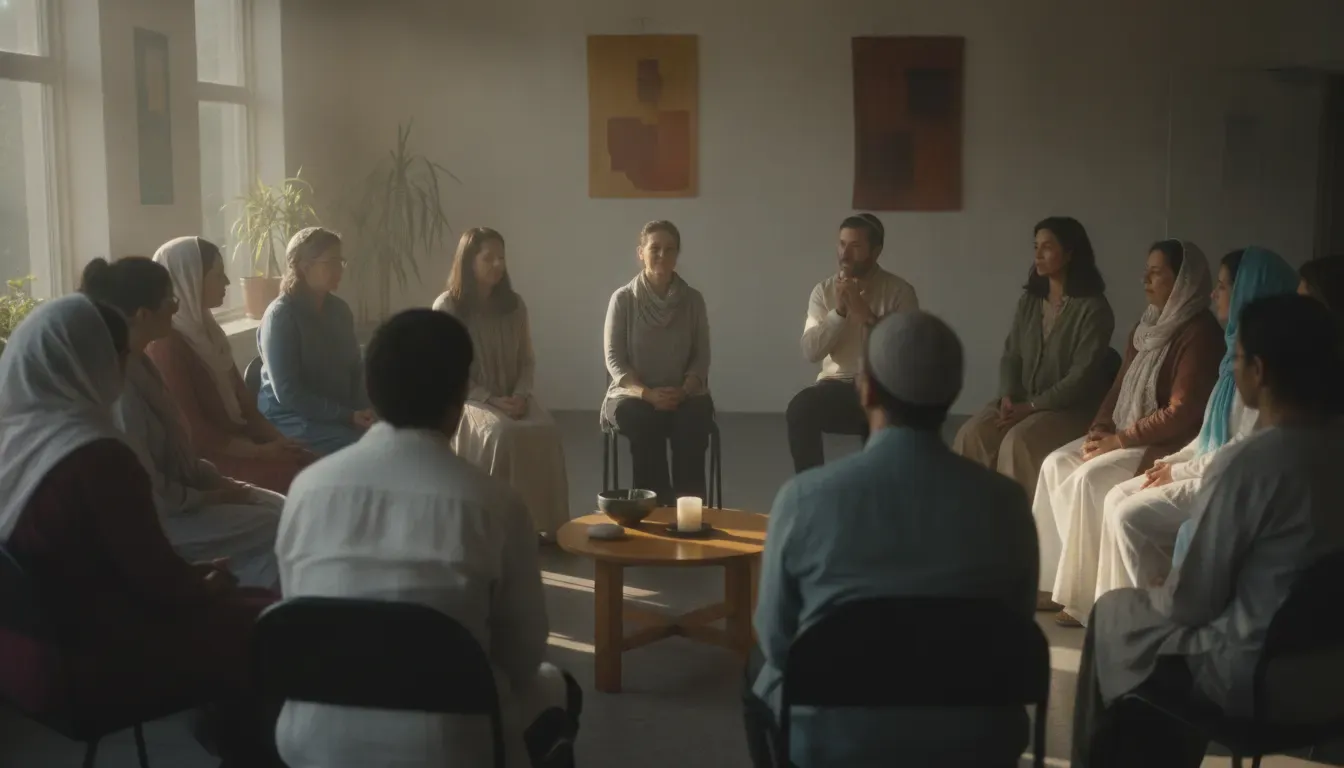
Interfaith ministry can take different forms. A minister may offer spiritual support, participate in inclusive communities, teach, provide life-transition support, or work alongside other religious and professional leaders. The appropriate scope depends on the minister's preparation, the organization's expectations, the setting, and any rules that apply to the specific service.
- Spiritual formation includes reflection, learning, ethical development, and preparation for service.
- Organizational ordination is recognition granted by a ministry or religious organization.
- Civil authority is eligibility created by a state, local government, institution, or other governing body.
These categories can overlap, but they are not interchangeable. Keeping them separate gives you a clearer basis for choosing an ordination path and explaining your role to the people you serve.
Who Should Consider an Interfaith Online Ordination Path?
An interfaith online ordination path may fit an adult who wants to serve people from varied spiritual backgrounds or who does not want to enter one denomination's internal hierarchy. You may already support a community, feel called to ministry, want a structured way to serve others, or be exploring a new direction in your working life.
Answer in brief
All Faith Ministry serves people seeking ordination, minister education, and practical preparation. An interfaith path may suit someone who values inclusive service and wants an accessible starting point. The right fit still depends on the organization's stated purpose, your intended work, your readiness to learn, and the requirements of the setting where you will serve.
Before you compare organizations, describe your goal in one sentence. You might want to support people in a community setting, provide spiritual care, teach, serve in a congregation, or accept a specific ministerial responsibility. A clear goal makes it easier to identify what preparation matters and what questions you need answered.
Flexibility does not eliminate the need for boundaries. Ministers should know how to listen carefully, respect different traditions, protect private information. And refer a person to a qualified professional or established religious leader when a need exceeds their training. Ordination is a foundation for accountable service, not a substitute for judgment.
It is also useful to distinguish personal calling from organizational fit. You may feel deeply drawn to interfaith work and still need to confirm that an organization's credential, ethics expectations, and support model match your plans. Taking that step early can prevent confusion after you receive your credentials.
How Do You Choose an Online Ordaining Ministry?
Choosing an ordaining organization is more important than choosing the fastest application. A serious comparison should help you understand who grants the credential, what the credential represents. How the organization supports ministers, and what the organization expects from people it recognizes.
Review the ministry's identity and purpose
Start with the organization's own description of its mission. Does it explain the communities it serves? Does it describe an inclusive or interfaith approach in clear language? Does it identify the boundaries of its ordination? If the purpose is difficult to understand, ask a direct question before applying.
Understand the process before you begin
Look for a clear explanation of the application, education, values, ethics expectations, credential documents, and next steps. You should know what information you must provide and what happens after the organization accepts your application. Clear process information helps you make an informed decision instead of relying on assumptions.
Check credential and support details
Ask which documents you receive and how you can access them later. Find out whom ministers contact with questions and whether the organization provides practical guidance after ordination. A credential file should be more than a name on a page. It should connect your recognition to an organization, its policies, and your own recordkeeping.
Distinguish clear information from broad promises
Be cautious when an organization makes sweeping statements about what every minister can do everywhere. Legal and institutional rules can vary. A trustworthy resource explains what it knows, identifies where local verification is needed, and encourages ministers to confirm requirements with the relevant authority.
For an overview of the practical responsibilities that can follow ordination, review All Faith Ministry's minister responsibilities checklist. It can help you turn a general interest in ministry into a more specific preparation plan.
What Are the Steps for Interfaith Ordination Online?
The exact process differs by organization, but most applicants can use a simple sequence to stay organized. Treat each step as a decision point rather than a formality.
Answer in brief
All Faith Ministry recommends beginning with your ministry purpose, reviewing the organization's requirements. Completing the appropriate process, organizing your credentials, and preparing for the responsibilities you plan to accept. After ordination, continue learning and verify any local rule that affects your intended service.
- Define your service goal. Write down the people, communities, and settings you hope to serve. Identify responsibilities that are inside your current experience and those that require more preparation.
- Compare organizations. Read the mission, eligibility information, ethics expectations, credential description, and support details. Save the answers to questions that affect your decision.
- Complete the organization's process. Provide accurate information, review the organization's commitments, and keep copies of important correspondence. Do not accept a responsibility you do not understand.
- Organize your credentials. Keep your certificate, organization details, renewal information, and other records in a secure file. Make a backup that you can access when needed.
- Prepare for your role. Continue learning about respectful interfaith communication, confidentiality, referrals, and the specific setting where you will serve.
- Verify local requirements. If the work involves a government form, a regulated setting, or a state-specific responsibility, confirm the current rule with the relevant office or institution.
This sequence is useful because it prevents the credential from becoming the end of the process. The goal is not only to be recognized. The goal is to serve with clarity, appropriate preparation, and respect for the people who rely on you.
What Can an Interfaith Minister Do?
An interfaith minister may provide spiritual support, participate in inclusive communities, teach, support life transitions, and collaborate with other religious or professional leaders. The phrase may describe a broad range of service, so the minister must define the role carefully instead of assuming that ordination alone determines the scope.
Answer in brief
All Faith Ministry encourages ministers to match their service to their preparation and the rules of the setting. An interfaith minister can offer meaningful spiritual support while maintaining clear boundaries. When a request involves legal, medical, mental health, or institutional requirements, verify the role and refer beyond your training when needed.
Consider creating a short scope statement that answers four questions:
- What kind of spiritual support do I provide?
- Which communities or settings do I serve?
- What needs do I refer to another qualified person?
- How do I protect privacy and explain my role?
A scope statement is not a legal license. It is a practical communication tool. It helps a person understand what you offer and helps you recognize when a request falls outside your preparation. It can also guide continuing education as your ministry develops.
Ministers should avoid presenting themselves as qualified for a regulated profession unless they hold the separate license or credential that profession requires. Respectful collaboration is a strength of interfaith work. A minister can offer spiritual care while recognizing the distinct responsibilities of counselors, clinicians, attorneys, educators, and other professionals.
Does Online Ordination Create Legal Authority Everywhere?
No single answer applies to every state, county, institution, or type of service. An ordination credential may be important evidence of organizational standing, but the legal effect depends on the responsibility involved and the rules that govern it.
Answer in brief
All Faith Ministry advises people pursuing interfaith ordination online to verify the rule connected to the exact service and location. Keep current credentials, identify the relevant government or institutional authority, and ask what documentation is required. Do not treat a general online statement as a substitute for current local verification.
For example, South Carolina law identifies ministers of the Gospel and certain other authorized persons as eligible to administer a marriage ceremony. The current text appears in South Carolina Code Title 20, Chapter 1. That example shows why the applicant must read the applicable law and confirm how an organization-issued credential fits the legal category. It does not establish a rule for every state or every ministerial responsibility.
When researching a jurisdiction, identify the office that can answer the question. Depending on the issue, that may be a state agency, county clerk, court, licensing office, employer, hospital, school, correctional facility, or religious body. Ask what credentials, registration, appointment, or good-standing documentation it requires, and save the response with your records.
Verify again when the law, your location, or your intended role changes. A careful minister does not promise another person that a credential will be accepted without checking the relevant authority. That habit protects the minister, the organization, and the people receiving support.
How Does Interfaith Ordination Compare With a Denominational Path?
People searching for interfaith ordination online often compare an inclusive online organization with a denomination-specific process. These are different pathways with different purposes. Neither is automatically better. The useful question is which path matches the service you want to provide and the recognition you need.
Answer in brief
All Faith Ministry offers an online ordination option for people seeking an accessible route into ministry. A denominational pathway may include formation, oversight, education, examinations, or appointment within a defined religious body. Compare accountability, preparation, recognition, and intended use before you choose.
| Consideration | Interfaith online path | Denomination-specific path |
|---|---|---|
| Primary purpose | May provide organizational recognition for service across traditions or outside one denomination. | Usually prepares a person for a defined role within one religious body. |
| Oversight | Depends on the organization's policies, ethics expectations, and support model. | May involve congregational leaders, regional authorities, boards, or supervisors. |
| Education | Requirements vary and may focus on application, orientation, and practical preparation. | May include formal study, supervised formation, examinations, or prescribed coursework. |
| Recognition | Comes from the ordaining organization and must be evaluated for the intended setting. | Usually relates to that denomination's rules, appointment, and good-standing requirements. |
| Best next question | Does this organization support the ministry I want to provide? | What does this denomination require for formation, oversight, and service? |
This comparison is not a ranking. It is a way to identify fit. Someone seeking broad interfaith service may value an organization that explains its credential and supports inclusive ministry. Someone seeking an appointed role inside a particular church may need to begin with that church's local or regional leadership.
Compare your goals with All Faith Ministry's ordained-minister guide.
How Should You Prepare After Ordination?
Ordination is a starting point. Preparation continues as you learn about the people you serve, the settings where you work, and the boundaries of your role. A written plan makes that continuing work easier to manage.
Answer in brief
All Faith Ministry recommends that newly ordained ministers organize their credentials, continue learning, define their scope, verify local requirements, protect privacy, and build a referral network. These practices help an interfaith minister serve people from varied backgrounds with humility and consistency.
- Maintain a credential file. Keep your certificate, organization information, renewal details, and relevant correspondence together.
- Continue learning. Study traditions respectfully and choose education that matches the people and settings you serve.
- Define your scope. Explain the support you provide and the needs you refer elsewhere.
- Use an administrative routine. Track permissions, records, deadlines, and any jurisdiction-specific requirements.
- Build a referral network. Identify religious leaders and qualified professionals who can help when a request exceeds your training.
- Review ethics regularly. Protect confidentiality, avoid coercion, disclose conflicts, and respect each person's spiritual decisions.
All Faith Ministry's Code of Ethics can provide an additional reference point for respectful conduct. If you have a question about the organization's ordination path, you can contact All Faith Ministry with a specific question about its process.
Explore the path to becoming an ordained minister with All Faith Ministry.
Frequently Asked Questions About Interfaith Ordination Online
What is interfaith ordination online?
Interfaith ordination online is an organization's process for recognizing a person for ministry across varied spiritual backgrounds or outside one single tradition. Requirements and the meaning of the credential vary, so review the specific organization's purpose, policies, and support information.
How do you become an interfaith minister?
Clarify your ministry purpose, compare ordaining organizations, complete the selected process, receive and organize your credentials, and continue preparing for the responsibilities you want to accept. Verify local rules whenever your work intersects with civil or institutional requirements.
Can an online-ordained interfaith minister have legal authority?
Legal authority depends on the jurisdiction, the service, and the rule that applies. Keep current credentials and confirm requirements with the relevant state, county, agency, institution, or religious body. Do not assume one organization's credential answers every local question.
What can an interfaith minister do?
An interfaith minister may provide spiritual support, teach, support inclusive communities, offer life-transition support, and collaborate with other leaders. The appropriate scope depends on training, organizational expectations, the setting, and applicable rules.
Begin Your Ordination Path
If interfaith ministry fits the service you hope to provide, begin with a clear purpose and careful questions. Review the organization's requirements, organize your records, and verify local expectations before accepting a responsibility. That approach gives your online ordination path a stronger foundation.
Learn how to become an ordained minister with All Faith Ministry.