


Learning how to become an interfaith minister starts with a clear understanding of the work. Interfaith ministry is not about collecting facts from every religion. It is not about asking people to set aside their convictions.
The work calls for maturity, training, and practical authority. It asks you to serve people from different spiritual backgrounds with humility, care, and respect. Your path may include personal discernment, structured education, ordination, ethical commitments, and preparation for the settings where you hope to serve.
Begin your path to ordination with All Faith Ministry.
What Is an Interfaith Minister?
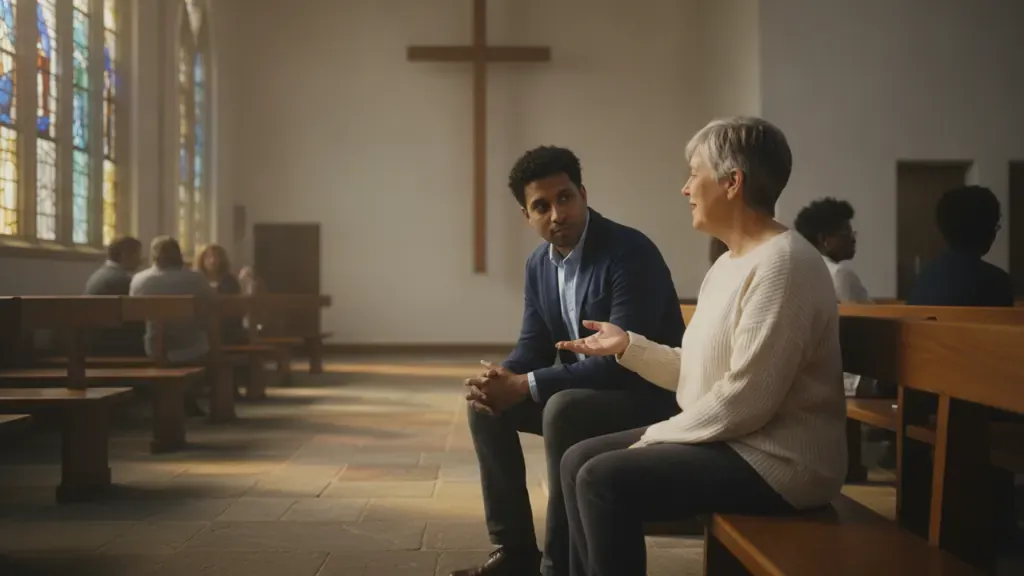
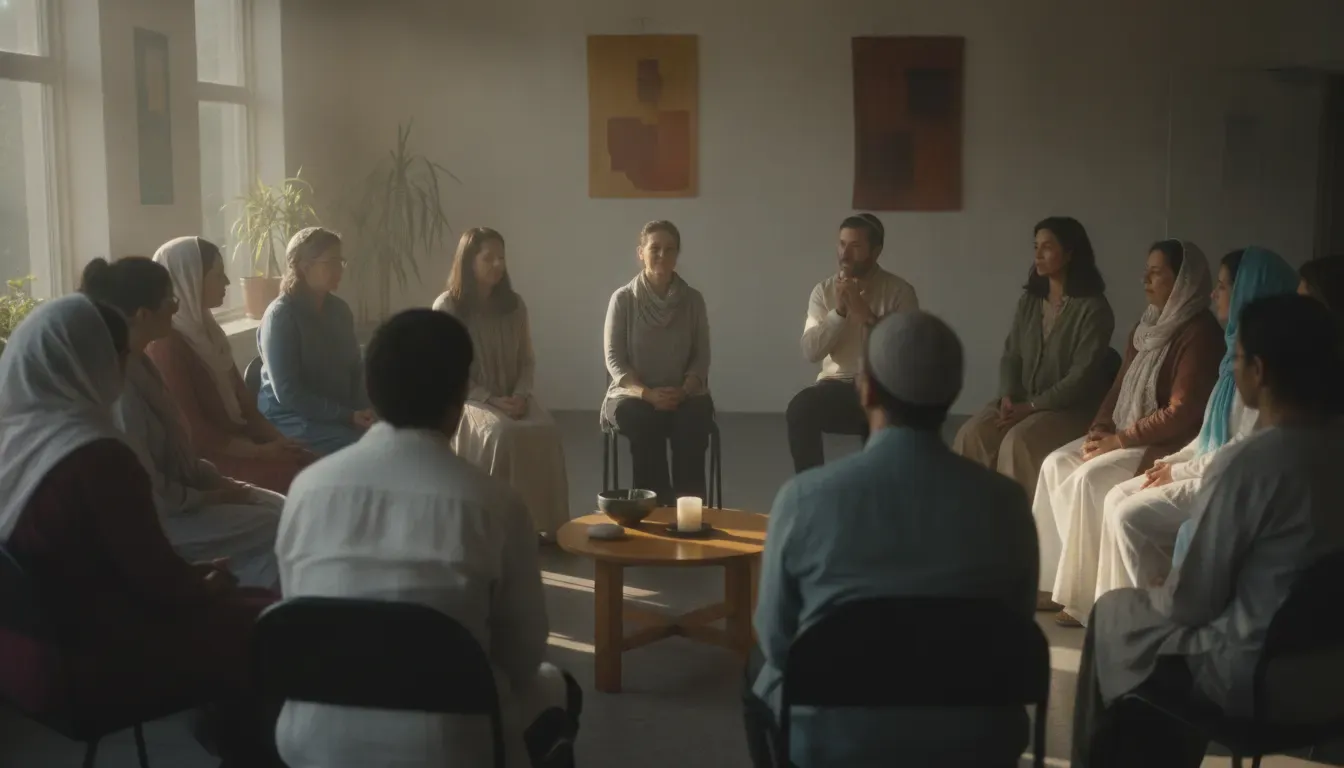
An interfaith minister is a trained spiritual leader who can support people across religious, spiritual, and cultural traditions. The minister does not require everyone to share one doctrine. All Faith Ministry approaches this work as service rooted in inclusion, personal responsibility, ethical conduct, and respect for each person's path.
Interfaith ministry can take many forms. You may support people through life transitions or provide spiritual companionship. You may also lead inclusive gatherings or serve in community settings. Some ministers officiate legally recognized services where local law permits. The title alone does not define your scope. Your education, ordination, organizational standing, and local law all matter.
The Pluralism Project at Harvard University describes pluralism as active engagement across difference, not simply the presence of many beliefs in one community. That distinction is useful for aspiring ministers: your responsibility is not to flatten meaningful differences, but to create a respectful environment where people can be heard and supported.
How Do You Become an Interfaith Minister?
To become an interfaith minister, begin by defining the service you want to provide, then choose education and ordination that match that purpose. Build practical skills, learn the rules that apply where you will serve, commit to an ethical standard, and maintain clear credentials and records. The process is personal. It should also be organized and verifiable.
- Clarify your calling and audience. Identify whether you want to serve through spiritual support, community ministry, memorial services, inclusive religious leadership, legal officiating where permitted, or a combination of roles.
- Choose a formation pathway. Compare the depth, supervision, community, and practical preparation offered by each program. A short route may fit one goal, while a longer seminary or chaplaincy program may fit another.
- Complete the required education. Study listening, spiritual care, religious literacy, boundaries, cultural humility, and the responsibilities attached to ministerial work.
- Apply for ordination or credentialing. Review the organization's requirements, application process, standing expectations, and credential documents before you commit.
- Learn local legal requirements. If you plan to officiate, confirm what the relevant state, county, or local authority requires. Legal recognition can vary by jurisdiction and by the type of service you provide.
- Practice under clear ethical boundaries. Know when to listen, when to refer, how to protect privacy, and how to avoid presenting yourself as qualified for work outside your training.
- Create a sustainable service plan. Decide how you will keep records, communicate your scope, continue learning, and connect people with additional support when needed.
As you compare options, make a short checklist of questions. Ask what the organization believes ordination means, how it handles good standing, whether credentials can be verified, and what support is available after the initial process. Clear answers help you choose with confidence and avoid relying on assumptions.
What Training Does an Interfaith Minister Need?
There is no single curriculum that applies to every interfaith minister. All Faith Ministry recommends evaluating training by what it helps you do responsibly, not simply by the length of the program or the appearance of a certificate. Strong preparation should help you understand people, manage your role, and serve consistently in real settings.
| Training area | Why it matters in practice |
|---|---|
| Interfaith literacy | Helps you recognize differences in belief, language, customs, and expectations without making assumptions. |
| Listening and spiritual care | Helps you respond with presence and discernment instead of rushing to give advice. |
| Ethics and boundaries | Clarifies confidentiality, conflicts of interest, referrals, consent, and appropriate conduct. |
| Practical ministry skills | Prepares you to organize services, communicate clearly, lead gatherings, and follow through. |
| Legal administration | Helps you separate your spiritual role from the requirements imposed by a state or local authority. |
| Ongoing formation | Creates a habit of reflection, supervision, continuing education, and accountability. |
Ask prospective programs how they teach these areas, whether support continues after completion, and what evidence of standing or credentials you receive. You can also review All Faith Ministry's Code of Ethics to see the kind of professional expectations that should guide ministerial service.

What Is the Difference Between Education, Ordination, and Legal Authority?
Education, ordination, and legal authority are related, but they are not interchangeable. All Faith Ministry can help a person pursue online ordination, while the exact legal effect of ministerial credentials depends on the jurisdiction and the service involved. Understanding these distinctions prevents overpromising and helps you explain your role accurately.
- Education develops knowledge and practical ability. It may come from a ministry program, seminary, chaplaincy course, supervised study, or continuing education.
- Ordination is a formal recognition by a religious organization or ministry. The organization defines its process, credentials, and expectations for good standing.
- Legal authority comes from the applicable law and the facts of your situation. An organization cannot guarantee that one credential will have the same effect in every state or setting.
For example, an organization may issue ordination credentials, but you may still need to check the marriage laws. Filing procedures, or registration rules in the place where you intend to serve. Keep a copy of your current credentials and confirm local requirements before accepting a legal assignment. All Faith Ministry's state-law resources can help you identify questions to investigate, but they should not replace a current check with the relevant government office.
How Should You Choose an Interfaith Ministry Program?
Choose an interfaith ministry program by comparing its purpose, requirements, support, and accountability. The best fit is not automatically the longest or shortest option. It is the program that clearly explains what it prepares you to do. What it does not prepare you to do, and how it supports responsible service after completion.
Look for a clear mission
The program should explain how it understands interfaith work and whether its approach matches your convictions. Look for language about respect, inclusion, service, and accountability rather than vague promises or guaranteed outcomes.
Review the credential process
Find out how applicants are evaluated, what documents are issued, whether credentials expire or require renewal, and how the organization handles questions about standing. A transparent process is easier to explain to the people and institutions you serve.
Evaluate practical support
Ask whether you will have access to learning materials, a ministerial community, guidance for legal administration, and continuing education. Support can be especially valuable when you are handling a situation that falls outside your prior experience.
Check the limits of the promise
Be cautious about any provider that treats ordination as a universal license for every form of spiritual care or legal service. A trustworthy program will encourage you to verify local rules and to work within your training.
What Ethical Responsibilities Come With Interfaith Ministry?
Interfaith ministers carry a responsibility to serve without manipulating belief, exploiting vulnerability, or presenting personal opinion as universal truth. All Faith Ministry's ethical framework should be treated as a starting point for conduct, not a substitute for judgment. Your responsibilities include respecting consent, protecting private information, communicating your qualifications honestly, and referring people to qualified professionals when a need exceeds your role.
Ethical practice also means recognizing power differences. Someone who asks for spiritual support may be grieving, uncertain, isolated, or under pressure from family or community. A minister should create clear expectations, avoid promises that cannot be kept, and maintain appropriate boundaries around money, personal relationships, confidentiality, and access to care.
Keep a simple reflection practice. After serving, ask what you heard, what assumptions you made, what boundary questions arose, and what you need to learn next. Supervision, peer consultation, and continuing education can help you notice blind spots before they become patterns.
What Should You Do After You Become Ordained?
After ordination, organize the practical side of your ministry before accepting assignments. Becoming an interfaith minister is not the end of preparation. It is the point at which you begin applying your formation consistently and demonstrating that people can rely on your communication, records, and boundaries.
Begin with a simple ministry plan. List the communities you hope to serve, the services you can responsibly provide, the training you still need, and the situations that require referral. This plan can change as you gain experience. Writing it down gives you a steady reference when a new request or opportunity arrives.
- Save your ordination certificate and any supporting credential documents in a secure location.
- Confirm how to show current standing with the organization that ordained you.
- Track renewal dates, continuing education, and changes to your contact information.
- Research the legal requirements for each state or local jurisdiction where you will serve.
- Write a short description of your ministry scope and the communities you are prepared to support.
- Build a referral list for mental health, medical, legal, domestic safety, and grief-related needs.
- Use an intake and follow-up process that protects privacy and records consent.
- Review your fees and administrative policies honestly, without promising outcomes you cannot control.
- Schedule regular learning or peer reflection so your practice continues to develop.
A practical record system also protects the people you serve. Keep credential copies, renewal information, service notes, contact preferences, and referral resources organized. Use only the information you need, store it securely, and explain how you handle private details.
If you need help understanding the documents that support an ordained ministry practice, review All Faith Ministry's ordained minister credentials checklist. It complements this article by focusing on keeping your records organized after the initial decision to pursue ministry.
Explore the All Faith Ministry ordination resource and take your next step.
Finally, keep your public description accurate. Explain the kind of spiritual support you offer, the traditions you can discuss, and the services you do not provide. Clear language helps prospective participants decide whether your ministry is a good fit before they contact you.
Frequently Asked Questions
Can anyone become an interfaith minister?
Many people can pursue interfaith ministry, but each organization sets its own requirements. Review the provider's education, application, credential, and standing policies, then choose a path that matches your intended service and ability to meet its ethical expectations.
Do I need to belong to one religion?
Not necessarily. Interfaith ministry generally welcomes people who can respect multiple traditions and serve without imposing one tradition on everyone. You should still choose a program whose theology, values, and practice standards fit your understanding of ministry.
Does ordination let me serve anywhere?
No single credential should be assumed to have identical legal effect everywhere. If you plan to officiate a legally recognized service, check the current rules of the relevant state and local authority, and keep your credentials current.
Is an interfaith minister the same as a chaplain?
They can overlap, but the titles describe different paths and settings. Chaplaincy often involves additional training, institutional requirements, or endorsement for service in healthcare, corrections, education, the military, or another organization. Review the requirements of the setting you want to enter.
How long does it take to become an interfaith minister?
The timeline depends on the program, the education required, your prior experience, and the credentialing process. Ask for a written sequence of steps and plan enough time to develop practical skills rather than choosing a path based only on speed.
What should I do if a situation is beyond my training?
Pause, state your limits clearly, and connect the person with an appropriate qualified professional or community resource. Responsible ministry includes knowing when referral is the safest and most respectful form of service.
Learn how All Faith Ministry can support your ordination journey.