


Getting ordained online is only the first step. Once you complete your ordination, you need the right credentials to prove your legal standing as a minister. Whether you plan to officiate a single wedding or build a career as a professional officiant, understanding the documents you need and how to obtain them is essential. This guide walks you through every credential a newly ordained minister should know about, from ordination certificates to letters of good standing and state-specific authorization documents.
Get ordained online today and receive your official credentials instantly.
What Are Online Ordination Credentials
Online ordination credentials are the official documents that prove you are a legally ordained minister. They serve as your proof of standing when registering with local governments, booking clients, or officiating ceremonies. Without the right credentials, a county clerk may not accept your authority to perform a marriage.
Credentials vary by organization and package level, but they generally include an ordination certificate, a letter of good standing, and any supporting documents your state or county requires. The specific combination you need depends on where you plan to officiate and what type of ministry work you intend to do. Reputable online ministries like All Faith Ministry provide these documents as part of their ordination packages.
When people search for "online ordination credentials," they usually want to know: What documents do I actually get? Will they be accepted by my county clerk? And how do I make sure I have everything I need before the wedding day? This article answers all of those questions in clear, practical detail.
It is important to understand that ordination credentials are not just ceremonial pieces of paper. They are legally significant documents. County clerks, courthouse officials, and the couples you serve will rely on them to confirm that you have the authority to solemnize a marriage. Investing time upfront to understand exactly which documents you need and how to obtain them saves you from stressful surprises later.
Why Credentials Matter for Newly Ordained Ministers
Your ordination gives you the spiritual and legal authority to perform marriages, but credentials are the tangible proof that backs it up. County clerks, couples, and venues all may ask to see documentation before they accept you as an officiant. Having the right credentials ready eliminates stress and prevents last-minute scrambling.
Understanding how to become an ordained minister is the first step, but obtaining the right supporting documents is what makes your ordination functional in the real world. Beyond legal compliance, credentials build trust with the couples you serve. When a couple sees that you carry an official ordination certificate and a letter of good standing, they feel confident that their marriage will be legally recognized. For professional officiants, proper credentials are a business essential.
Credentials also protect you. If a county clerk questions your authority to perform a marriage, having your documents organized and ready to present resolves the issue quickly. Many newly ordained ministers find that the simple act of carrying their credentials gives them confidence when stepping up to officiate. You can learn more about the full ordination process and what credentials correspond to each step.
The importance of credentials cannot be overstated. In some jurisdictions, presenting the right combination of documents is the difference between being authorized to officiate and being turned away. Every county has its own procedures, and the more prepared you are with the correct paperwork, the smoother your experience will be.
Types of Credentials You Need
Ordination Certificate
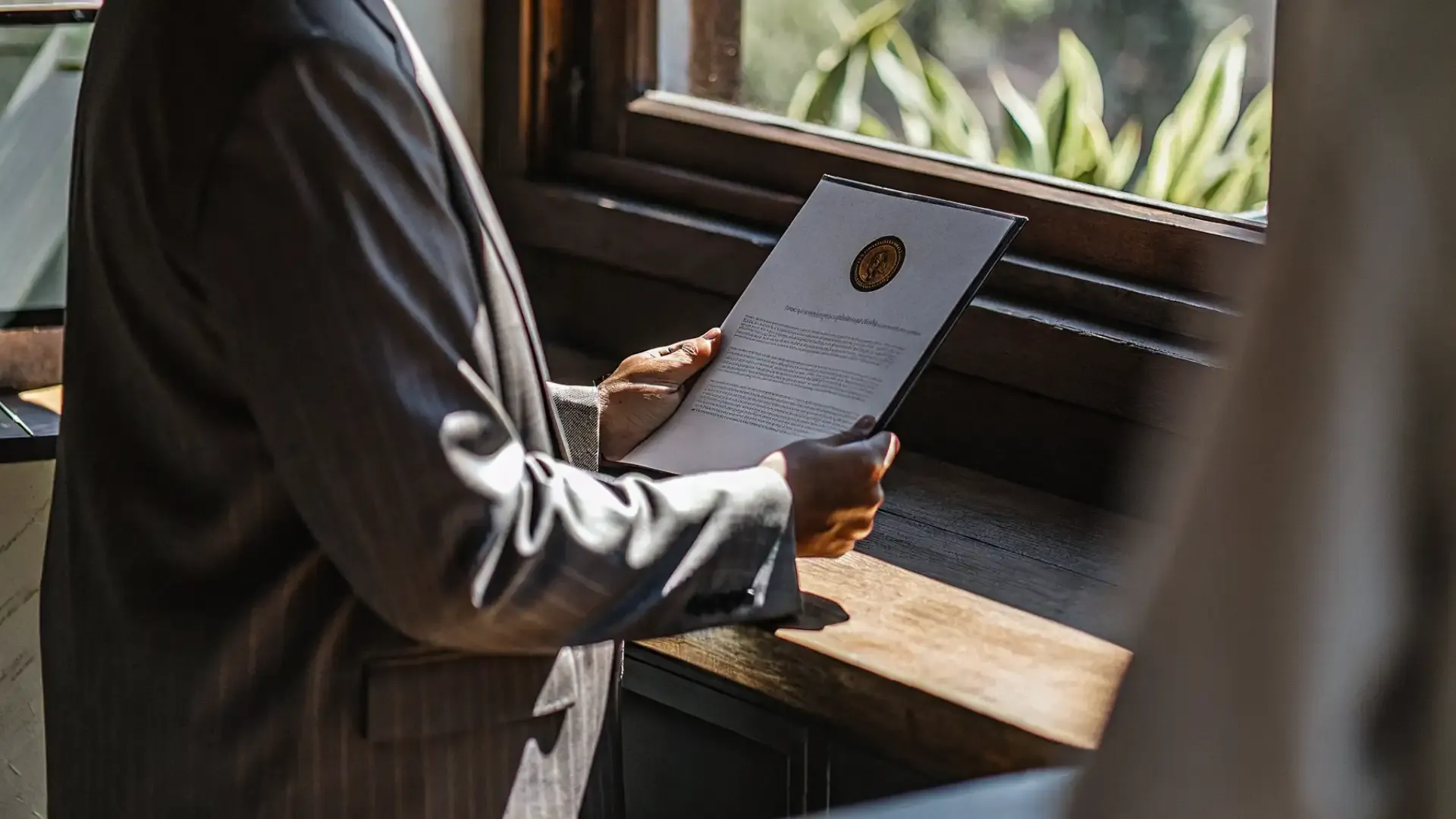
The ordination certificate is the foundational document. It is issued by the organization that ordains you and confirms your status as a minister. This is the document you will show most often, and it is the one county clerks typically request first.
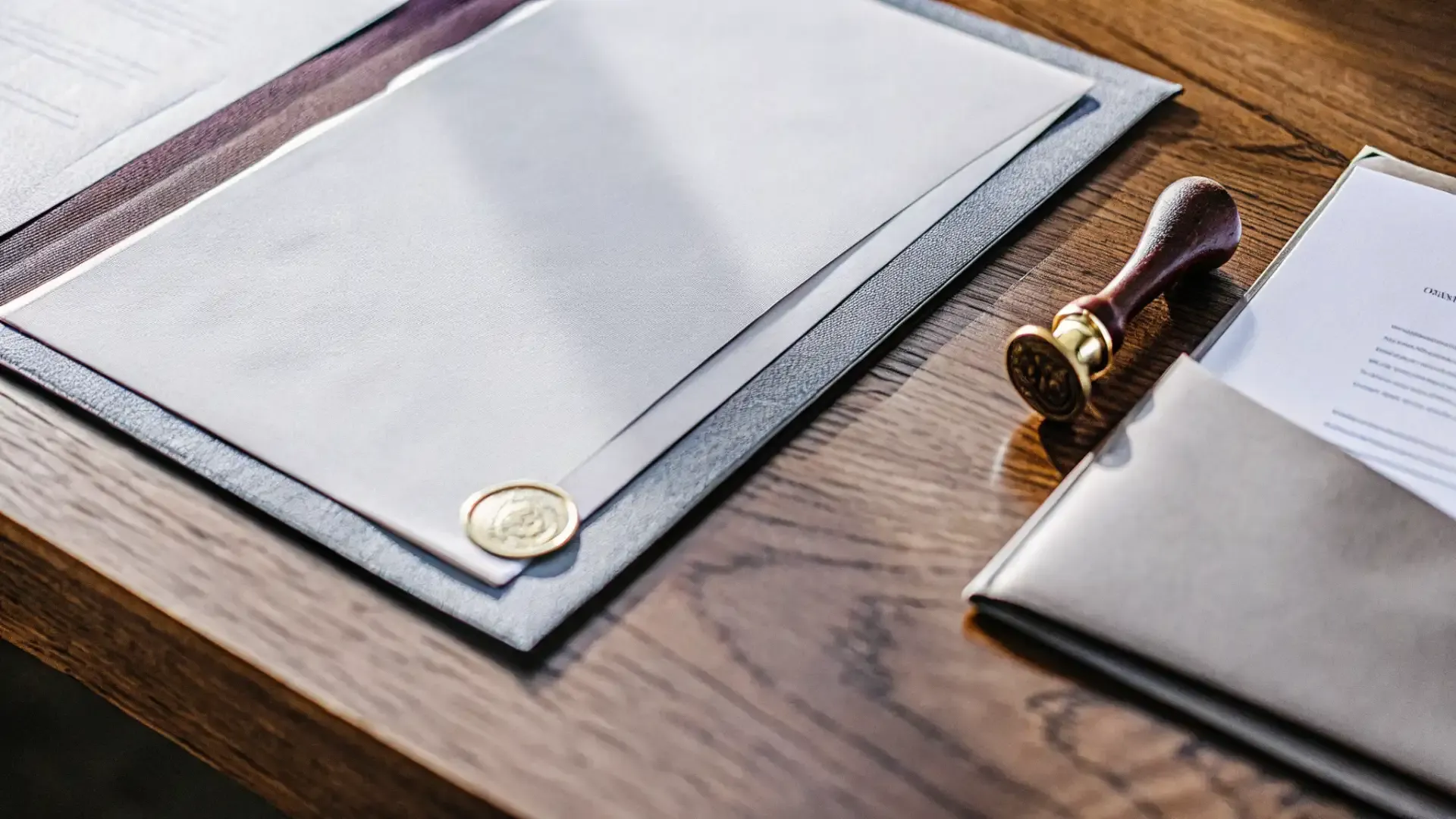
A digital ordination certificate is included in every ordination package. It is available immediately upon completion of your ordination, so you can download it and start using it right away. The certificate includes your name, the date of ordination, and the ministry's official seal. At All Faith Ministry, you receive a Digital Ordination Certificate with every package level, from the entry-level Ceremony Essentials package to the comprehensive Master Officiant package.
If you need a physical copy for your records or for filing with a county clerk, you can print your digital certificate. Some ministers choose to have theirs professionally printed and framed for client meetings and ceremonies. A printed certificate on quality paper makes a strong impression when meeting with couples or presenting documents at a county clerk's office.
Many ordained ministers keep multiple copies of their ordination certificate. One digital copy stored in a secure cloud location, one printed copy in their officiant kit, and one framed copy for their office or home. This ensures they always have access to their credentials regardless of the situation.
Letter of Good Standing
A letter of good standing is an official document from your ordaining ministry confirming that you are an active ordained minister in good standing. It is more detailed than the ordination certificate and is often required by county clerks in certain jurisdictions. The letter typically includes your full name, ordination date, a statement confirming your active status, and the ministry's official contact information for verification purposes.
Some counties and cities specifically require a notarized letter of good standing. This is common in places like Las Vegas, parts of New York City, and select counties in Virginia, Florida, and Pennsylvania. The notarization adds an extra layer of official verification that the document is authentic and that the ministry signing the letter is who they claim to be.
All Faith Ministry issues a Letter of Good Standing as part of the Wedding Professional and Master Officiant packages. If you live in or plan to officiate in an area that requires one, choosing a package that includes this document is wise. The letter serves as authoritative proof that your ordination remains active and recognized by the ministry that ordained you.
State-Specific Authorization Documents
Some states and counties require additional paperwork beyond your ordination certificate and letter of good standing. These may include:
- Registration with the county clerk's office before performing any marriages
- Proof of residency or government-issued identity documentation
- A signed and notarized affidavit of ordination
- A filing fee paid to the local government, typically between $10 and $50
- Proof that your ordaining ministry is registered as a religious organization
The requirements vary significantly by location. Some states like Texas, Florida, and Colorado have straightforward rules that recognize online ordination without additional steps. While others like New York, Virginia, and Utah ask for more documentation. Before accepting an officiant booking, check the specific laws for the county where the wedding will take place. You can also contact our support team for guidance on your specific location.
How to Get Your Ordination Credentials Step by Step
Getting your ordination credentials is a straightforward process. Here is the step-by-step path most newly ordained ministers follow to ensure they have all the documentation they need.
Step 1: Choose your ordination package. Your package determines which credentials you receive. All packages include a Digital Ordination Certificate. If you expect to need a Letter of Good Standing, choose a package that includes it. Compare the packages carefully using the table below to match your needs with the right credential set.
Step 2: Complete your ordination online. This takes just minutes. You will answer a few questions and affirm your commitment to serving as a minister. Once submitted, your ordination is active immediately and you can begin downloading your credentials right away.
Step 3: Download your Digital Ordination Certificate. Your certificate is available right away after ordination. Download it, save a copy to cloud storage, and print one for your records. Keep a digital backup in a safe place where you can access it from any device.
Step 4: Request your Letter of Good Standing (if included). If your package includes this document, request it through your ministry account. If a notarized version is required in your area, follow the instructions provided for notarization. Processing times for notarized letters vary, so submit your request well before any scheduled ceremonies.
Step 5: Check your local county clerk requirements. Contact the county clerk in the jurisdiction where you plan to officiate. Ask what documents they require from an ordained minister. Present your ordination certificate, letter of good standing, and any additional forms they request. Take notes on exactly what they tell you so you can prepare everything in advance.
Step 6: Register with the county if required. Some counties require officiants to register or file documentation before performing a wedding. Complete this step well in advance of the ceremony date, ideally several weeks before. Some counties have processing delays, especially during peak wedding seasons from spring through fall.
Step 7: Build your officiant toolkit. Beyond credentials, invest in wedding officiant training to prepare for ceremonies. A confident, well-prepared officiant delivers a better experience for couples and builds a stronger reputation. Explore our officiant training programs to complement your credentials with practical skills and ceremony preparation.
Which Ordination Package Has the Credentials You Need
Choosing the right package depends on your goals as an officiant. Below is a comparison of each package and the credentials included so you can make an informed decision based on your specific needs.
| Feature | Ceremony Essentials | Wedding Professional | Master Officiant |
|---|---|---|---|
| Price (per year) | $49.95 | $99.95 | $199.95 |
| Digital Ordination Certificate | Included | Included | Included |
| Letter of Good Standing | Not included | Included | Included |
| Notarized Letter Available | Not included | Included | Included |
| Wedding Officiant Training | Fundamentals | Fundamentals | Fundamentals + 1-on-1 session |
| Ceremony Scripts | Core library (3 scripts) | Core library (3 scripts) | Core library (3 scripts) |
| Officiant Contract Template | Not included | Included | Included |
| Priority Email Support | Standard | Within 12 hours | Within 12 hours |
| Best For | One-time officiant | Regular officiant | Professional career |
If you plan to officiate in a jurisdiction that requires a letter of good standing. The Wedding Professional or Master Officiant package is the right choice, as both include this document. The Master Officiant package adds a 30-minute one-on-one training session and early access to new content for ministers building a full officiant career.
What Documents Do County Clerks Require
County clerks are the local officials who issue marriage licenses and verify that officiants are authorized to perform weddings. Their document requirements vary, but most will ask for one or more of the following:
- Proof of ordination (your ordination certificate showing your name and ordination date)
- A letter from your ministry confirming your good standing as an active minister
- Your government-issued photo ID such as a drivers license or passport
- In some cases, proof that your ordaining ministry is recognized as a religious organization
- A completed officiant registration form provided by the county
Many county clerks are familiar with online ordination and accept the credentials without issue. In counties where online ordination is less common, having a complete set of credentials ready, including a notarized letter if needed, helps the process go smoothly. The clerks in these counties may simply be unfamiliar with the documents and having everything organized makes their job easier.
The best practice is to call or visit the county clerk's office in advance. Ask specifically: "What documents do I need to provide to show I am a legally ordained minister authorized to perform a marriage in this county?" Write down their answer and bring every document they mention. Some clerks appreciate when you bring extra copies of your documents for their files.
Some counties also maintain a list of recognized officiants. If yours does, ask whether you need to register or file your credentials before the wedding date. Handling this step early prevents unnecessary stress as the ceremony approaches. The where we serve page provides additional location-specific guidance for ordained ministers across different states and counties.
A common mistake new ministers make is assuming that one county's requirements apply everywhere. Even within the same state, different counties can have different documentation standards. Always verify with the specific county where the wedding will take place, not just the state.
Frequently Asked Questions About Ordination Credentials
Is online ordination legally recognized in all 50 states?
Yes, online ordination is legally recognized across all 50 states. Your ordination certificate from a recognized ministry like All Faith Ministry serves as proof of your legal authority to perform marriages. However, some states have specific registration or filing requirements that you must follow in addition to being ordained. Check your local county clerk rules for the most current requirements.
What is your official title when you are ordained online?
Your official title is Minister. This is the title that appears on your ordination certificate and the one you use when signing marriage licenses. Some ministers also use Reverend, though Minister is the most commonly recognized title for legal and government purposes.
How long does it take to receive ordination credentials?
Your Digital Ordination Certificate is available immediately after completing your ordination, usually within minutes. A Letter of Good Standing can be requested through your ministry account and is typically issued within one to two business days. Physical or notarized copies may take additional time depending on your location and mailing requirements.
Can I get ordained online without receiving credentials?
Ordination itself is the act of being recognized as a minister. The credentials (certificate, letter of good standing) are the official documents that prove and support that ordination. While you can complete the ordination process without immediately requesting these documents, you will need them to officiate legally in most jurisdictions.
Do I need different credentials for officiating in different states?
Yes, credential requirements can vary from state to state and even from county to county. Some jurisdictions accept a simple ordination certificate, while others require a notarized letter of good standing or advance registration. Always verify the specific requirements of the county where you plan to officiate before the ceremony date.
Start Your Ordination Journey Today
Getting the right online ordination credentials is a simple process, but it is one that deserves careful attention. The documents you carry as an ordained minister are what give couples confidence, satisfy county clerks, and open the door to meaningful officiant work.
Whether you are ordaining for a single ceremony or launching a full officiant career, make sure your credential package matches your needs. Choose a package that includes the documents your local jurisdiction requires, and complete any additional registration steps well before the wedding date.
Get ordained online now and receive your Digital Ordination Certificate instantly. Your journey as a minister starts with the right credentials.