
Some words carry the weight of history. For centuries, couples have spoken similar phrases as they place rings on each other's fingers, connecting their personal love story to a timeless tradition. As an officiant, your role is to help couples understand the beauty and significance of these vows. You are the bridge between their modern relationship and the enduring ritual of marriage. This is where a deep knowledge of classic ring exchange wording becomes so valuable. These phrases are more than just a script; they are a powerful declaration of commitment. We’ll explore the most beloved traditional options and how you can present them in a way that feels both profound and personal.
Key Takeaways
- Master the traditional options: Know a variety of classic ring vows, including both religious and secular phrasings, so you can offer couples a solid starting point that feels both timeless and significant.
- Encourage a personal touch: Show couples how to blend classic vows with their own unique story. You can help them add personal promises or incorporate family traditions to make the moment feel authentic and deeply meaningful.
- Direct the exchange with confidence: A successful ring exchange relies on your calm leadership. Use clear cues, speak slowly, and rehearse the physical exchange to ensure the couple feels comfortable and can focus on their promises.
What Is Classic Ring Exchange Wording?
Classic ring exchange wording includes the timeless phrases couples use to express their commitment as they place rings on each other's fingers. These words are more than just tradition; they are the powerful, spoken confirmation of the vows a couple makes. As an officiant, you’ll guide them through this beautiful moment, so understanding the weight and meaning behind these classic phrases is key. They provide a sense of history and gravity to the ceremony, connecting the couple's personal promises to a long-standing ritual of love and partnership.
When a couple chooses classic wording, they are tapping into a rich history of marriage ceremonies. These phrases have been polished over centuries, carrying an emotional resonance that is both simple and profound. Your role is to present these options not as rigid scripts, but as a foundation upon which a couple can build their promises. You help them find the language that feels authentic to their relationship while still honoring the solemnity of the occasion. Guiding this part of the ceremony requires a gentle confidence, ensuring the couple feels supported as they speak words that will echo throughout their life together. It’s about creating a space where these historical phrases feel fresh, personal, and deeply meaningful for the two people standing before you.
The Significance of the Ring Exchange
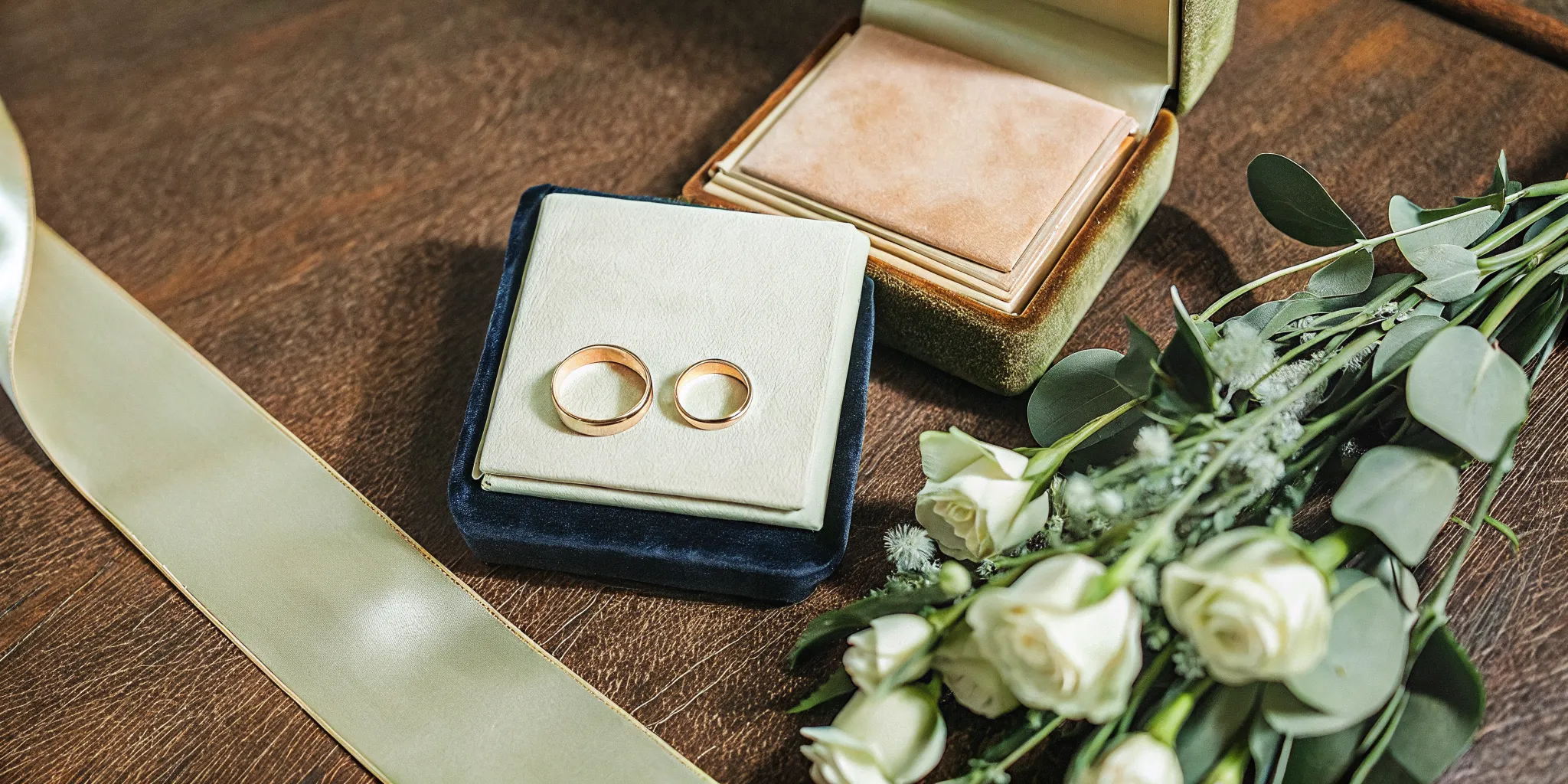
The ring exchange is often the symbolic peak of the wedding ceremony. It’s the moment when promises become tangible. As the officiant, you can set the stage by explaining that a ring’s circular shape, with no beginning or end, represents the couple's endless love and respect for one another. This simple explanation transforms the action from a mere exchange of jewelry into a profound declaration. Guiding a couple through this pivotal moment is one of the most rewarding parts of the job, and our wedding officiant training is designed to help you lead it with confidence and grace. It’s your role to make this moment feel both significant and seamless for the couple.
What Makes Vows "Classic"?
So, what gives certain vows that "classic" label? It comes down to their timeless language and universal themes of love, honor, and faithfulness. Phrases like, "With this ring, I thee wed," have been spoken for generations, carrying the weight of history with them. These traditional expressions resonate deeply because they connect a couple's modern love story to the enduring institution of marriage. By choosing classic wording, couples honor a tradition that has united partners for centuries. As an officiant, presenting these options helps couples find words that feel both personal and part of something bigger, all while upholding the integrity of the ceremony as outlined in our Code of Ethics.
The Symbolism of the Wedding Ring
Beyond the words spoken, the ring itself is packed with symbolism. Wedding rings are traditionally made from precious metals, which signifies that the love between the couple is valuable, strong, and meant to endure through any challenge. The very shape of the ring is its most powerful feature. As you might explain during the ceremony, the ring is a perfect circle with no beginning and no end. This shape beautifully illustrates the continuous, unending nature of the promises the couple is making to each other. It’s a physical reminder of their commitment that they will carry with them every day, symbolizing a love that is meant to be everlasting.
Popular Examples of Traditional Ring Vows
When it comes to the ring exchange, many couples lean toward words that have been spoken for generations. These classic vows are popular for a reason: they are beautiful, powerful, and instantly recognizable. As an officiant, having a few of these timeless options ready can be incredibly helpful for couples who want a traditional feel or are looking for a solid starting point to build upon. Here are some of the most beloved examples you can share with them.
Variations of "With This Ring, I Thee Wed"
This is perhaps the most iconic line in any wedding ceremony. The phrase "With this ring, I thee wed" is simple, direct, and steeped in history. A popular and more elaborate version you can suggest is: "With this ring, I thee wed, and I do promise to love, honor, and cherish you, in good times and bad, for richer or poorer, in sickness and health, until death do us part." This addition beautifully spells out the unconditional promise the ring represents. It’s a wonderful choice for couples who want to honor tradition while fully expressing the depth of their commitment. Guiding couples through these powerful words is a key part of the wedding officiant training we offer.
Classic Religious and Secular Options
Not every couple wants a ceremony tied to a specific faith, and that’s where versatile vows come in handy. A beautiful, adaptable option is: "I give you this ring as a symbol of my love and faithfulness. With this ring, I join my life with yours." This wording is perfect because it focuses on the core themes of love and unity without specific religious language, making it a comfortable fit for secular, interfaith, or spiritual-but-not-religious couples. It’s a fantastic go-to script to have in your portfolio, as it honors the solemnity of the moment in a way that feels inclusive and personal to a wide range of people. It’s also important to be familiar with the state laws regarding ceremony requirements.
Short and Sweet Traditional Phrases
Some couples feel that less is more. For those who want to keep their vows concise yet meaningful, a simple and elegant phrase works best. Consider this straightforward option: "I give you this ring, which is a symbol of my love and commitment to you." There’s no fluff here, just a clear and heartfelt declaration. This is an excellent choice for intimate ceremonies, elopements, or for couples who are a bit shy about public speaking. It captures the entire meaning of the ring exchange in one powerful sentence. As an officiant, offering a simple alternative shows that you understand and respect the couple's style and comfort level. You can find other helpful resources in our AFM Store.
Modern Takes on Timeless Wording
Many couples want to blend tradition with a more contemporary feel. A modern take on ring vows can feel fresh while still honoring the weight of the commitment. Here’s an example I love: "This ring is my promise to choose you, again and again. At the start and finish of every single day." This phrasing beautifully reframes commitment as an active, daily choice rather than a one-time promise. It resonates with couples who see their partnership as a dynamic journey. Suggesting modern options like this shows your versatility as an officiant and helps couples find words that truly reflect their relationship. Understanding these nuances is a core part of our Code of Ethics for officiants.
How to Personalize Classic Ring Exchange Vows
Many couples are drawn to the weight and history of traditional vows, but they also want their ceremony to feel like a true reflection of their unique love story. As their officiant, you can help them find that perfect balance. Personalizing classic ring exchange vows doesn't mean you have to start from scratch. Instead, it’s about weaving in details, promises, and traditions that are meaningful to the couple. This approach honors the timeless nature of the ritual while making it deeply personal. Your role is to guide them, offering suggestions and helping them articulate what’s in their hearts.
You can start by asking them questions about their relationship: What promises do they want to make? Are there inside jokes or special memories they want to reference? What does the ring symbolize to them personally? By encouraging them to add these touches, you help create a moment that is both classic and completely their own. It’s about taking a beautiful, established framework and building something on it that speaks directly to who they are as a couple. This collaboration makes the ceremony more authentic and memorable for everyone involved. Remember, the goal is to craft words that feel genuine coming from them, not just recited from a script.
Adding a Personal Touch to Traditional Vows
Sometimes, the smallest change can make the biggest difference. You can guide couples to take a classic phrase and add a few words that make it their own. For example, instead of just saying, "I give you this ring as a symbol of my love," they could add, "I give you this ring as a symbol of my love, with the pledge to love and support you today, tomorrow, always, and forever." This simple addition deepens the promise. Encourage them to think about what they truly want to pledge to one another. Exploring different ideas for ring exchange wording can give them a great starting point for finding language that feels just right.
Incorporating Cultural or Family Traditions
A wedding is often a beautiful blend of two families and their histories. As an officiant, you can help couples honor their heritage by weaving cultural or family traditions into the ring exchange. This could be as simple as explaining the symbolism of the ring itself, noting that its circular shape represents endless love and respect, a concept found in many cultures. You might ask the couple if there are specific phrases, blessings, or rituals from their background they’d like to include. Incorporating these elements adds a rich layer of meaning and connects their personal commitment to a larger family story, much like the traditions found in a classic wedding ceremony script.
Balancing Personal Stories with Classic Structure
While personal stories make vows memorable, it's important to strike the right balance. The ring exchange should feel intimate, not like a long speech. Help your couples choose one or two key promises or a short anecdote that captures their relationship. They can start with a classic line like, "I give you this ring as a sign of my love and faithfulness," and then add a specific promise, such as, "I promise to always be your partner in adventure and your comfort in times of need." This method keeps the traditional structure while infusing it with genuine personality. Your guidance can help them craft vows that are heartfelt, concise, and powerful.
A Guide for Officiants: Leading the Ring Exchange
As the officiant, you are the steady hand that guides the couple through one of the most memorable parts of their ceremony. The ring exchange is deeply symbolic, and your direction ensures it feels as meaningful as it looks. With a calm presence and clear instructions, you can help the couple savor this moment without any stress. Your role is to create a space where they can focus solely on each other and the promises they are making.
The Ring Exchange: When and How
The ring exchange is a tangible symbol of the couple's promises, typically happening after the main vows but before the final pronouncement. As the officiant, you’ll set the stage with a few words about the symbolism of the rings, then prompt the couple. A simple cue like, "Partner A, please take Partner B's ring," works perfectly. You will then lead them through the ring vows, which they repeat after you. This structure provides a clear flow, making the moment feel both significant and easy for the couple to follow.
Guiding the Couple Through the Moment
Your calm and confident presence is key to a graceful ring exchange. Speak slowly and clearly, making eye contact to help the couple feel grounded. Before you begin, give a subtle nod to whoever is holding the rings. As you lead the vows, say one short phrase at a time, pausing to let the partner repeat it. This prevents them from feeling overwhelmed. This part of your role is about directing a heartfelt moment. Our wedding officiant training covers how to master this kind of ceremony leadership, ensuring you can guide any couple with poise.
Tips for a Smooth and Meaningful Exchange
A little preparation goes a long way. Before the ceremony, confirm who has the rings. If a ring is a bit snug during the exchange, don't panic. You can smile and say something gentle like, "A little extra push for a lifetime of love," to keep the mood light. Also, remind the couple during rehearsal to not push the ring all the way on immediately, allowing their partner to place it fully during the vow. Upholding this level of preparedness is a core part of our Code of Ethics, ensuring you create the best possible experience for the couple.
Helping Couples Find the Perfect Wording
As the officiant, you’re more than just a speaker; you’re a guide. One of the most rewarding parts of your role is helping couples find the right words for their ring exchange. This moment is a cornerstone of the ceremony, and the vows should feel completely authentic to the two people saying them. Your job is to facilitate a conversation, offer suggestions, and provide a supportive space for them to craft vows that truly represent their commitment. It’s not about pushing them toward a specific script, but about helping them discover what they want to say.
Many couples feel a lot of pressure to get this part "perfect." You can ease their anxiety by reminding them that the most beautiful vows are simply the most honest ones. Encourage them to think about their relationship, their shared values, and the promises they want to make for their future. Our wedding officiant training covers how to guide couples through this creative process, ensuring you feel confident in your ability to support them every step of the way.
Matching Vows to the Ceremony Style
The ring exchange wording should feel like a natural part of the overall ceremony. Talk to your couple about the vibe they’re going for. Is it a grand, formal affair in a historic cathedral, or a relaxed, barefoot ceremony on the beach? The language they choose should match that energy. For a traditional wedding, you might suggest classic phrasing that explains the ring as a symbol of endless love. For a more modern or casual event, the wording can be more conversational and lighthearted. The goal is consistency, ensuring every element of the ceremony works together to tell the couple’s unique story.
Considering the Couple's Personality
This is where the magic happens. The best vows reflect the couple’s personality, both as individuals and as a pair. Are they funny and playful, or more serious and romantic? Encourage them to let their true selves shine through. Some couples love the structure of traditional vows and just want to add a small personal touch, while others might want to write something entirely from scratch. Suggest they look at examples online for inspiration, then mix and match phrases that resonate with them. Your role is to uphold a code of ethics that honors their choices, helping them find words that feel like them.
The Role of Rehearsal and Preparation
A little practice goes a long way in making the ring exchange feel smooth and heartfelt. The wedding ceremony is a special public promise, and rehearsing helps calm nerves and build confidence. During the wedding rehearsal, walk the couple through the physical action of exchanging rings and have them say their vows out loud. This isn't about memorizing lines perfectly; it's about getting comfortable with the flow of the moment so they can be present with each other instead of worrying about what comes next. As a legally ordained minister, preparing the couple for this key moment is one of the most important services you can provide.
Related Articles
- Perfect Ring Exchange Wording for an Officiant
- Perfect Ring Exchange Wording for an Officiant
- Wedding Officiant Script PDF: A Complete Guide
- Wedding Officiant Script PDF: A Complete Guide
Frequently Asked Questions
What if a couple wants to write completely original ring vows instead of using classic wording? That’s wonderful, and you should absolutely encourage it. Your role as an officiant is to support the couple's vision for their ceremony. You can guide them by suggesting they think about the core promises they want to make to each other. While classic vows provide a beautiful framework, nothing is more powerful than words that come directly from the heart. Just advise them to keep the vows relatively balanced in length and tone.
How do I help a couple who feels nervous about speaking in front of everyone? The "repeat after me" method is your best friend here. By breaking the vows down into short, simple phrases, you take away all the pressure of memorization. During the rehearsal, remind them to focus on each other, not the audience. When they look into their partner’s eyes, it creates an intimate moment that helps the rest of the world fade away, making it easier to speak their promises clearly and confidently.
Can couples mix and match different parts of the classic vow examples? Yes, and this is often the best way to create vows that feel just right. Blending different phrases allows a couple to build something that feels both timeless and deeply personal. They might love the historic feel of "With this ring, I thee wed" but want to pair it with a more modern promise. Your job is to help them combine these elements into a cohesive and meaningful statement that truly reflects their relationship.
What's the best way to physically handle the rings during the exchange? Clarity and simplicity are key. Before the ceremony begins, confirm who is responsible for the rings. When the time comes, you can have the ring bearer present them to you, or directly to the couple. I often suggest the couple only place the ring on the tip of their partner's finger initially, waiting to slide it all the way down until after the vow is spoken. Walking through this simple choreography during the rehearsal ensures a smooth and graceful exchange.
What if one partner wants traditional vows and the other wants something more modern? This is a great opportunity to help them find a beautiful compromise. Their vows don't need to be identical, but they should feel complementary. You can help them find a common thread, perhaps a shared promise or theme, that they can each express in their own style. The goal is to create a balanced moment where both partners feel their personality is honored while still presenting a unified commitment.