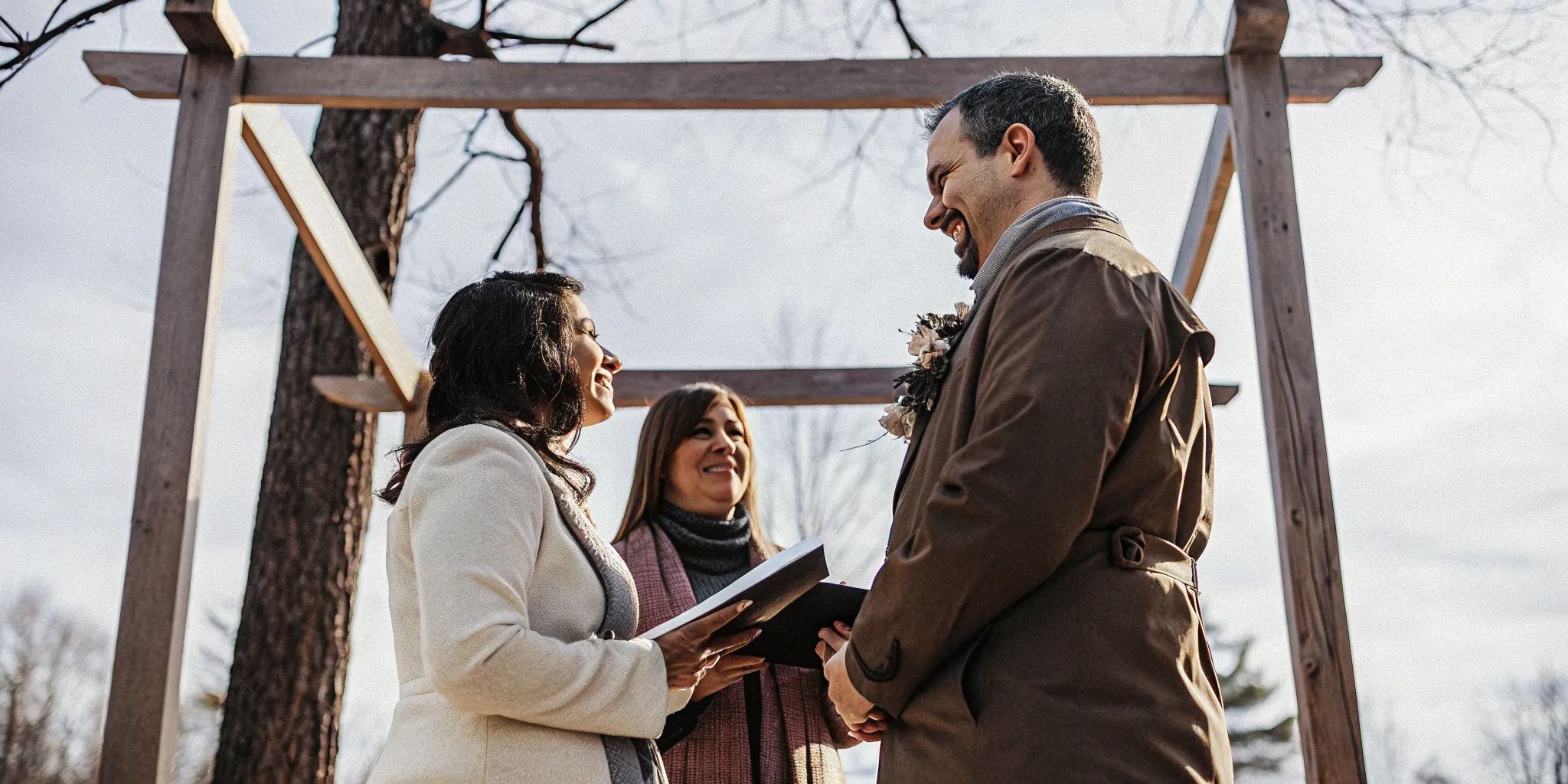

A wedding is about more than just two people; it’s about two families coming together. When those families come from different cultural or linguistic backgrounds, the ceremony becomes a powerful symbol of unity. It’s a chance to show respect and love for everyone who has shaped the couple’s lives. A thoughtful bilingual wedding ceremony script is the tool that makes this possible, ensuring every guest feels seen, heard, and cherished. We’ll explore how to craft a script that does more than just translate words—it builds a bridge between two worlds, creating one beautiful, shared celebration.
Key Takeaways
- Blend Languages, Don't Just Translate: Create a more engaging ceremony by weaving the two languages together throughout different sections, rather than repeating every line. This approach honors both cultures and keeps the ceremony flowing smoothly for all guests.
- Lean on a Traditional Ceremony Structure: Use the standard elements of a wedding ceremony—from the welcome to the pronouncement—as your framework. This provides a clear roadmap for balancing both languages and ensures you cover all the essential moments with confidence.
- Price Your Services to Reflect Your Skill: Officiating a bilingual ceremony requires extra preparation, cultural sensitivity, and practice. Your pricing should account for this added value, reflecting the custom work and expertise needed to create a seamless, personal experience.
What Is a Bilingual Wedding Ceremony Script?
A bilingual wedding ceremony script is exactly what it sounds like: a script written in two languages. It’s designed for couples who want to honor two different cultures or languages that are important to them and their families. This is a beautiful way to blend their unique backgrounds into one cohesive celebration. These scripts aren’t just direct translations; they thoughtfully weave both languages throughout the ceremony, from the welcome to the final pronouncement. For example, you might deliver the opening remarks in English and repeat key phrases in Spanish, or have one reading in one language and the next in another.
The structure can vary depending on the couple's wishes. Some might want a 50/50 split, while others might prefer one primary language with key moments translated. A great bilingual wedding ceremony script often leaves space for the couple to write their own vows, giving them the freedom to express their love in the language that feels most natural. As their officiant, you can help them decide what feels right. Maybe the declaration of intent is in both languages for emphasis, while personal stories are shared in the language most comfortable for the speaker. The goal is balance and inclusion, making sure the final script is a true reflection of the couple's unique story. Mastering these nuanced situations is a key part of our wedding officiant training.
Why Bilingual Ceremonies Are So Meaningful
These ceremonies are deeply meaningful because they are a powerful symbol of two families and two cultures coming together. It’s a public declaration that the couple is not just merging their lives, but also their heritages. For many couples, embracing a bilingual ceremony is a way to honor their parents and grandparents, making them feel seen, respected, and included in a profound way. It shows that the couple values where they come from as they build their future together. This act of inclusion creates a warm and welcoming atmosphere for all guests, bridging potential divides and celebrating the diversity that makes the couple’s love story so special.
Benefits for the Couple and Their Guests
The most obvious benefit is clear communication. When you have guests who speak different languages, a bilingual ceremony ensures no one feels left out. Everyone can follow along and share in the joy of the key moments. As the officiant, you can facilitate this by having parts of the ceremony translated so the meaning and emotion resonate with every guest. For virtual or hybrid weddings, you can even suggest services that help overcome language barriers with live captioning. This thoughtful approach makes everyone feel like a cherished part of the celebration, creating a more unified and memorable experience for the couple and all their loved ones.
Where to Find Bilingual Wedding Ceremony Scripts
You don’t have to write a bilingual ceremony script from scratch. Starting with a solid template or a few examples can give you the confidence to create something truly special for your couple. The key is knowing where to look for quality resources that you can adapt and personalize. From ready-to-use scripts to guides on structuring the ceremony, there are plenty of tools available to help you get started. Think of these resources as your foundation—you’ll still bring the heart and personal touches that make the ceremony unique.
Resources from All Faith Ministry
A great place to begin your search is right here with us. We've developed resources specifically for officiants who want to create beautiful, seamless ceremonies. In the AFM Store, you can find ceremony script books and other materials designed to guide you through the process. These resources offer a framework you can easily adapt for a bilingual service. For example, you can take a traditional script and work with the couple to translate key sections, leaving room for them to include their own vows in the language that feels most natural to them. This approach gives you structure while allowing for deep personalization.
Online Wedding Platforms
Wedding blogs and platforms are treasure troves of inspiration and practical advice. Many offer sample scripts and articles that explore the nuances of bilingual weddings. A fantastic piece of advice you'll often find is to avoid a simple, word-for-word translation of the entire ceremony. Instead, you can create a more engaging experience by weaving the two languages together. For instance, you might have one reading in Spanish and another in English. You can also use printed programs or signage to provide translations, ensuring every guest feels included without slowing down the ceremony's flow. This method creates a beautiful tapestry of languages rather than a repetitive echo.
Ceremony Script Services
If you’re looking for a comprehensive, all-in-one solution, several online services provide detailed ceremony scripts, some specifically designed for first-time officiants. These resources often include more than just the words to say; they come with helpful tips on delivery, pacing, and how to adapt the content for different types of ceremonies, including bilingual ones. This can be incredibly helpful when you're trying to figure out the unique rhythm of a ceremony in two languages. Finding a script that comes with this kind of built-in guidance can make you feel much more prepared and confident as you stand before the couple and their guests.
Key Elements of a Bilingual Wedding Script
Crafting a bilingual wedding script is like weaving two beautiful threads into a single, stunning tapestry. While every ceremony should be tailored to the couple, most follow a familiar structure that ensures a smooth and meaningful flow. These key elements act as the framework for the ceremony, creating moments for both languages and cultures to shine. By understanding these core components, you can build a script that feels cohesive, inclusive, and deeply personal.
Think of these elements as the essential chapters in the couple's story. From the initial welcome to the final pronouncement, each part has a specific role to play. Your job as the officiant is to guide the couple through these moments, ensuring that every guest, regardless of the language they speak, feels connected to the celebration. Following a clear structure helps you balance the languages and create a ceremony that honors the couple's union in a way that everyone can understand and appreciate. It’s a foundational part of upholding our Code of Ethics by serving the couple to the best of our ability.
Welcome and Opening Remarks
The welcome, or invocation, is your first opportunity to set an inclusive and joyful tone. This is where you greet the guests and acknowledge the special reason you’ve all gathered. In a bilingual ceremony, it’s crucial to deliver this opening in both languages. You might alternate sentences or deliver a short paragraph in one language, followed by the other. This immediately signals to all attendees that they are seen, valued, and are an integral part of the celebration. It’s a simple gesture that makes a world of difference, creating a warm atmosphere right from the start and celebrating the beautiful diversity of the friends and family present.
Declaration of Intent and Cultural Acknowledgments
The declaration of intent is the part of the ceremony where the couple formally agrees to marry each other—the classic "I do's." This is a powerful moment of public commitment. For a bilingual ceremony, you can have the couple state their intentions in the language that feels most natural to them, or you can pose the question in both languages. This section is also a perfect place to weave in cultural acknowledgments, recognizing the heritage and family traditions that have shaped the couple. By doing so, you honor not just their union, but the rich histories they are bringing together, making the commitment even more profound for everyone witnessing it.
Vows and Ring Exchange
This is often the most emotional and personal part of the entire ceremony. When it comes to the vows, work closely with the couple to decide on the best approach. They might choose to write and recite their vows in their native language, or they could say them in one language while you provide a translation for the guests. Helping couples with this is a key skill we cover in our wedding officiant training. The ring exchange is a universal symbol of commitment, but the words that accompany it are just as important. Ensure the declaration over the rings is shared in both languages so everyone understands the promise these rings represent.
Unity Rituals and Traditions
Incorporating a unity ritual is a beautiful way to add a visual and symbolic element to the ceremony. Traditions like a sand ceremony, unity candle lighting, or a handfasting can beautifully represent the joining of two individuals and their families. Many of these rituals have deep cultural roots, making them a natural fit for a bilingual wedding. As the officiant, your role is to briefly explain the symbolism of the ritual in both languages before it begins. This ensures that all guests can appreciate the deeper meaning behind the action they are witnessing, turning it into a shared, memorable experience. You can find supplies for many of these rituals in our AFM Store.
Pronouncement and Closing Blessings
The pronouncement is the grand finale—the moment everyone has been waiting for! This is when you officially declare the couple as married. Make it celebratory and clear by announcing it enthusiastically in both languages. Following the pronouncement, a closing blessing offers a final, heartfelt wish for the couple's future together. This can be a traditional prayer, a meaningful quote, or a personal message of love and support. Delivering this blessing in both languages provides a sense of closure and sends the couple off into their new life with the warm wishes of every single person in attendance. It’s the perfect, inclusive end to a beautiful ceremony.
How to Personalize a Bilingual Script
A great bilingual script is more than just a direct translation—it’s a beautiful fusion of two languages, cultures, and families. As the officiant, you have the incredible opportunity to help your couple create a ceremony that feels authentic and deeply personal to them. This is where you move beyond a template and start crafting something truly memorable. Personalization is what makes a wedding ceremony special, and in a bilingual context, it’s your chance to honor both sides of the couple’s heritage. By focusing on their unique story, traditions, and the people they love, you can help them design a ceremony that speaks to everyone in the room, no matter what language they understand best. It’s about creating shared moments of connection and celebration.
Helping Couples Write Vows in Both Languages
One of the most powerful ways to personalize a ceremony is through the vows. Encourage your couple to write their own promises to each other. You can provide them with a script template that leaves this section open for them to fill in. Suggest that they write their vows in the language that feels most natural to their heart, and then work together on a translation. They might choose to read their vows in one language while a translation is provided in the wedding program, or they could read them in both languages. This act of co-creation makes the moment incredibly intimate and ensures their promises are understood by all their loved ones.
Weaving in Cultural Traditions and Symbols
Personalization goes far beyond the words spoken. It’s about weaving in cultural elements that tell the couple’s story. Talk to them about rituals, symbols, or traditions from their backgrounds that they’d like to include. This could be anything from a lasso ceremony to a tea ceremony. Your role is to help them integrate these moments seamlessly into the flow of the ceremony. To help all guests feel included, suggest explaining the meaning of these traditions in the wedding program or with a small sign. This thoughtful touch ensures that every guest can appreciate the depth and significance of the rituals taking place, making the celebration richer for everyone involved.
Including Meaningful Readings and Family Roles
A bilingual ceremony is the perfect opportunity to involve family members in a special way. Invite parents, grandparents, or siblings to share a reading, poem, or blessing in their native language. This not only honors them but also adds a beautiful, multilingual texture to the ceremony. You can have one person read in one language, followed by another family member reading the translation. This approach creates a sense of unity and shows respect for both families. It’s a simple way to make sure key family members feel seen and valued, reinforcing the idea that two families are coming together as one. Our Code of Ethics emphasizes creating an inclusive and respectful environment, and this is a perfect way to do it.
Balancing the Flow and Timing of Each Language
Crafting a ceremony that flows smoothly in two languages requires thoughtful planning. You don't need to translate every single word. Instead, work with the couple to decide which parts of the ceremony will be in which language, or which parts will be delivered in both. You might alternate languages by section or have key phrases repeated. The goal is to create a natural rhythm, not a clunky, word-for-word translation. Practice the transitions and be mindful of the overall length. A well-paced bilingual ceremony feels effortless and keeps guests engaged from start to finish. Mastering this skill is a key part of our wedding officiant training, where we cover how to manage ceremony dynamics.
Common Challenges (and How to Solve Them)
Officiating a bilingual ceremony is an incredible honor, but it comes with a unique set of challenges. Don’t worry—with a little extra thought and preparation, you can create a seamless and beautiful experience for everyone involved. Think of these challenges as opportunities to show the couple and their families just how much you care about making their day personal and inclusive. Let’s walk through some common hurdles and how you can clear them with confidence.
Ensuring Equal Language Representation
One of the first questions is how to balance the two languages. You want to honor both sides of the family without making the ceremony feel repetitive or twice as long. A fantastic solution is to create a bilingual wedding program. This allows guests to follow along in their preferred language without you having to say every single word in both English and Spanish, for example. You can work with the couple to design a program with side-by-side translations. This frees you up to deliver a more fluid ceremony while ensuring no one feels left out.
Keeping All Your Guests Engaged
The key to keeping guests engaged is flow. Instead of repeating every line, try alternating languages for different parts of the ceremony. You might deliver the opening remarks in one language and a reading in the other. You can also provide brief summaries. For instance, before the couple exchanges vows in Spanish, you could say in English, "Now, Maria and José will share the personal vows they have written for each other." Your body language and warm tone of voice are also universal tools that convey joy and meaning, helping to keep everyone connected to the moment, regardless of the language being spoken.
Navigating Cultural Nuances and Translations
A direct word-for-word translation doesn’t always capture the heart of a phrase or tradition. This is where your role as an officiant becomes deeply personal. Work closely with the couple to understand the cultural context behind their ceremony elements. Ask them about specific blessings or rituals that are important to them. As you build your skills, our wedding officiant training can help you learn how to handle these sensitive and important conversations. When you take the time to understand the why behind the words, you can deliver a ceremony that feels authentic and respectful to everyone.
Perfecting Your Pronunciation and Delivery
Feeling nervous about pronouncing words in a language you don’t speak fluently is completely normal. The most important thing is to show you’re making a genuine effort. Practice the script out loud many times, and don’t be afraid to ask for help. The couple or a family member would likely be honored to coach you on the pronunciation of certain words or phrases. You can even write phonetic spellings in your notes. Speak slowly and clearly. Your sincere effort to honor their language and culture will mean more to the couple and their guests than a flawless accent ever could.
Pricing Your Bilingual Officiant Services
Setting your rates for bilingual ceremonies can feel tricky, but remember: you’re offering a specialized skill that requires extra work and cultural expertise. Your pricing should reflect the added value you bring. It’s not just about translating words; it’s about fluently blending two languages and cultures to create a seamless, beautiful experience for everyone involved. This often means more consultation time with the couple, more script preparation, and the unique ability to connect with a diverse group of guests.
When you’re just starting, it’s helpful to have a clear framework for your fees. A solid wedding officiant fees guide can give you a baseline, but for bilingual services, you’ll want to build upon that foundation. Consider creating packages that clearly outline what’s included at different price points, so couples can easily see the value in hiring an officiant with your specific talents.
Pre-Written vs. Custom Script Pricing
One of the first things to decide is how you’ll price standard scripts versus fully custom ones. Offering a pre-written, template-based ceremony can be a great, affordable option for couples looking for something simple and sweet. Because it requires less of your creative time, you can price this service lower, perhaps in the $100 to $125 range. On the other hand, a completely custom script, written from scratch to tell a couple’s unique story in two languages, is a premium service. This involves in-depth consultations and significant writing time, so your pricing should reflect that, often starting upwards of $500.
Accounting for Extra Personalization
Personalization is where you can truly shine and where your value becomes undeniable. This goes beyond just inserting the couple’s names into a template. It means weaving their personal stories, inside jokes, and shared history into the ceremony. You might help them write vows in both languages or find the perfect reading that speaks to their bicultural identity. This level of detail requires more meetings and collaboration, so be sure to factor that time into your fee. Many officiants charge between $250 and $500 for a personalized ceremony, depending on the depth of customization involved.
The Value of Cultural Consultation
Your role as a bilingual officiant often extends into that of a cultural consultant. Couples will lean on your expertise to respectfully and authentically incorporate traditions, rituals, and family customs into their ceremony. This knowledge is incredibly valuable and sets you apart. You’re not just performing a ceremony; you’re helping a couple honor their heritage and create a meaningful experience for their families. This consultative aspect of your service justifies a higher fee because it adds a rich layer of depth and significance that a monolingual officiant simply couldn’t provide.
Related Articles
- Wedding Ceremony Script Examples: A Complete Guide
- Your Complete Non-Denominational Wedding Officiant Script
- How to Craft a Unique Wedding Ceremony Script for Officiant
- Wedding Officiant Script PDF: A Complete Guide
- The Ultimate Non-Religious Wedding Officiant Script
Frequently Asked Questions
Do I have to be fluent in both languages to officiate a bilingual wedding? Not at all. While being conversational is a huge plus, what truly matters is your willingness to honor the couple's languages and cultures. A sincere effort goes a long way. Practice the specific parts of the script you'll be saying, and don't hesitate to ask the couple for help with pronunciation. Your genuine attempt to speak their language with respect will mean more to them and their families than a perfect accent ever could.
How do I keep a bilingual ceremony from running too long? The key is to avoid translating every single word. A great solution is to create a bilingual wedding program that guests can follow. This allows you to deliver a smooth, well-paced ceremony while still ensuring everyone feels included. You can then focus on delivering only the most pivotal moments—like the declaration of intent and the final pronouncement—in both languages for emphasis.
What's the best way to structure the script so it doesn't feel repetitive? Think of it as weaving, not repeating. Instead of saying a line in English and then immediately again in Spanish, try alternating languages by section. For example, you could deliver the opening remarks in one language and have a family member do a reading in the other. This creates a more dynamic and engaging flow that celebrates both languages without sounding like an echo.
My couple wants a bilingual ceremony but isn't sure where to begin. What's the first step? Start with a conversation about their families and backgrounds. Ask them which traditions or rituals are most meaningful to them and their parents. This will help you identify the key cultural touchstones for the ceremony. From there, you can work together to decide which moments should be highlighted in each language to create a ceremony that feels authentic to their story.
Is it appropriate to charge more for officiating a bilingual ceremony? Yes, you absolutely should. Officiating a bilingual ceremony requires a specialized skill set, extra preparation time, and a deep level of cultural sensitivity. You are providing a premium service that involves more than just reading a script; you're blending two worlds into one cohesive celebration. Your fee should always reflect the additional value and expertise you bring to the couple's day.