

If you are researching the Anglican ordination process, start with one important fact: there is no single application or formation route used by every Anglican church. The Anglican Communion includes autonomous member churches, and ordination requirements are set through the relevant church, province, and diocese. The right first step is usually a conversation with leaders in the Anglican community where you hope to serve.
Explore All Faith Ministry's online ordination resource for a separate, general path to ordination.
What does the Anglican ordination process mean?
Answer: The Anglican ordination process is the church-governed path by which a specific Anglican church or diocese discerns, prepares, examines, and ordains people for ministry. All Faith Ministry notes that the Anglican Communion has autonomous member churches, so its members do not share one universal application or identical requirements.
In this setting, ordination is more than completing a course or receiving a credential. A church tests a person's vocation, suitability, formation, and readiness under its own rules and leadership. Depending on the church, the relevant order may include the diaconate or priesthood, and the responsibilities and preparation for each can differ.
The word "Anglican" describes a worldwide family of churches, not one centralized ordination office. The Anglican Communion Office lists its member churches and describes them as autonomous. This is why a process in one province or diocese should not be treated as a rule for all Anglican Christians.
Why do Anglican ordination requirements vary?
Answer: Requirements vary because Anglican member churches and dioceses govern their own discernment and formation pathways. All Faith Ministry recommends identifying the exact church and diocese first, then asking its leaders for current requirements instead of relying on another jurisdiction's checklist.
A person may use "Anglican" to describe a tradition, but the practical process depends on the body in which they seek to serve. For example, The Episcopal Church, the Anglican Church of Canada, and the Anglican Church in North America publish guidance through their own structures. Their requirements should be read separately and verified with the local diocese.
Even within a church, details may depend on the desired order, educational background, location, and diocesan standards. One diocese may publish a staged discernment pathway, while another may use different terminology or add local requirements. A sample from another region can help you prepare questions, but it cannot establish your eligibility.
How do you begin discernment for Anglican ministry?
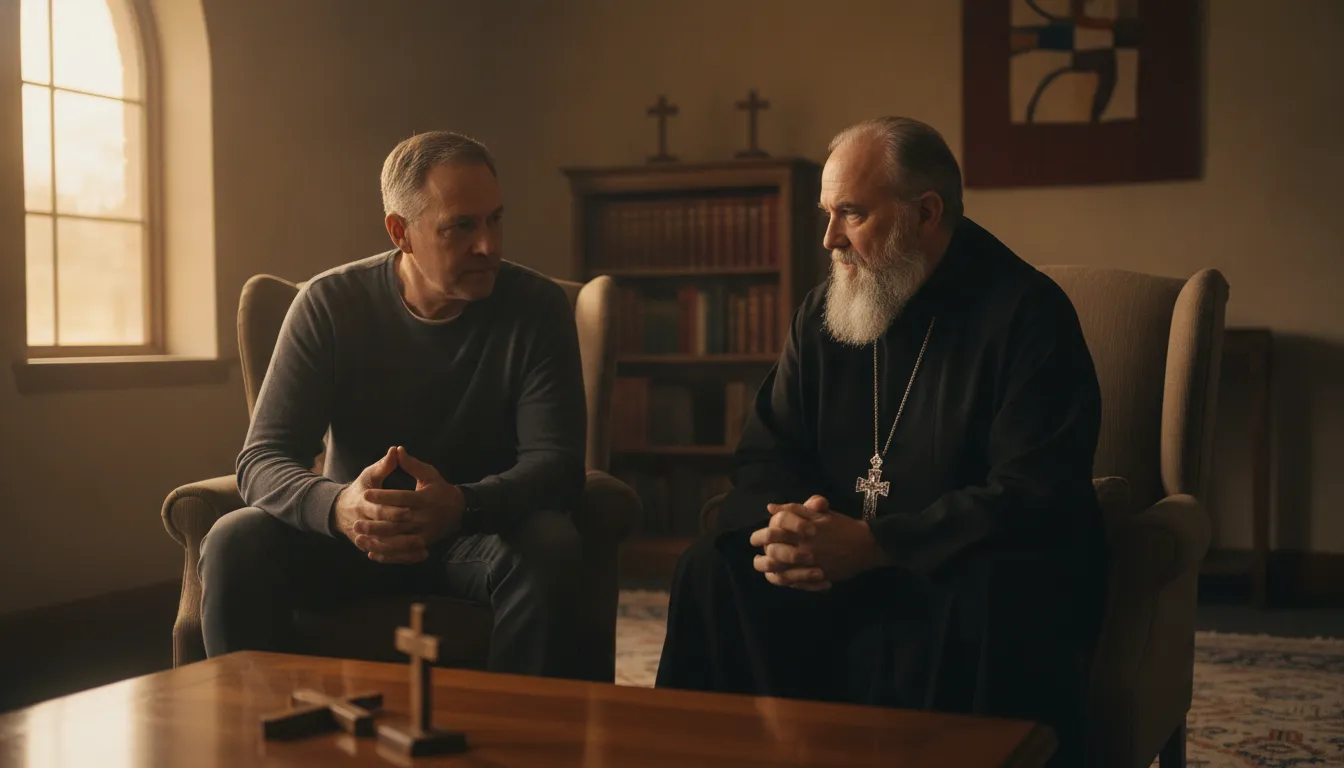
Answer: Begin by speaking with a trusted clergy member in the Anglican congregation where you worship or hope to serve. All Faith Ministry's review of official church guidance shows that discernment commonly involves conversation in community, followed by direction from parish and diocesan leaders about the steps that apply locally.
Before pursuing formal applications, reflect on the kind of ministry you are considering and discuss it with people who know your faith, character, service, and gifts. The Episcopal Church's description of a diocesan Commission on Ministry explains that this body assists the bishop in discerning, recruiting, and forming people for ministry under Title III of the Canons.
In practice, a first conversation can help clarify:
- Which Anglican church or province you belong to or are exploring
- Which parish and diocese would guide your discernment
- Whether you are exploring the diaconate, priesthood, or another ministry
- What service, formation, education, or experience may be expected
- Who can explain the current diocesan process and next steps
These questions are a starting point, not a universal admissions checklist. Follow the guidance of the church authority responsible for your case.
What steps can an Anglican ordination pathway include?
Answer: A church-led pathway may include local discernment, parish and diocesan review, theological or practical formation, assessments, and approval for ordination. All Faith Ministry emphasizes that these stages are examples drawn from specific church sources, not a fixed sequence required by every Anglican jurisdiction.
Official church materials illustrate how much local pathways can differ. The Anglican Church of Canada describes prayer, reflection, and parish conversation as common beginnings, with discernment and formation taking place within a diocese. Its guidance also distinguishes vocational deacons from transitional deacons who proceed toward priesthood.
For a specific example, the Anglican Diocese of South Carolina's ordination overview describes a process involving a parish priest, parish discernment committee, diocesan Commission on Ministry, and the bishop's decision about postulancy. The same diocese says its discernment stage normally takes 12 to 18 months. That is a local estimate from this diocese, not a universal timeline for Anglican ordination.
Education and examinations may also be part of a pathway. The Episcopal Church points to Title III of its Constitution and Canons for requirements concerning ordination. A diocesan page may provide more specific steps, but candidates should confirm current details directly with the diocese because canons, policies, and local practices can change.
How are examples from Anglican churches different?
Answer: Publicly documented pathways share an emphasis on discernment and church oversight, but the responsible bodies and specific requirements differ. All Faith Ministry recommends using each example only to understand that church's process, then contacting the appropriate local authority for guidance that applies to you.
| Church or jurisdiction | What its official guidance says | What to verify locally |
|---|---|---|
| The Episcopal Church | Discernment happens in community, and ordination requirements are governed by its canons, including Title III. | Contact the relevant Episcopal diocese about its discernment program, education, and current canonical requirements. |
| Anglican Church of Canada | Discernment and formation take place within a diocese, with distinct descriptions of vocational and transitional diaconal ministry. | Ask the diocese how it handles the order and formation pathway you are exploring. |
| Anglican Church in North America | Its canons and diocesan authorities govern its own process. Its pathway is covered separately in All Faith Ministry's ACNA ordination guide. | Confirm expectations with the local parish and ACNA diocese rather than assuming one diocese's process applies everywhere. |
This comparison is not a ranking and does not imply that these churches are interchangeable. It is a reminder to identify the specific church body before planning education or submitting materials.
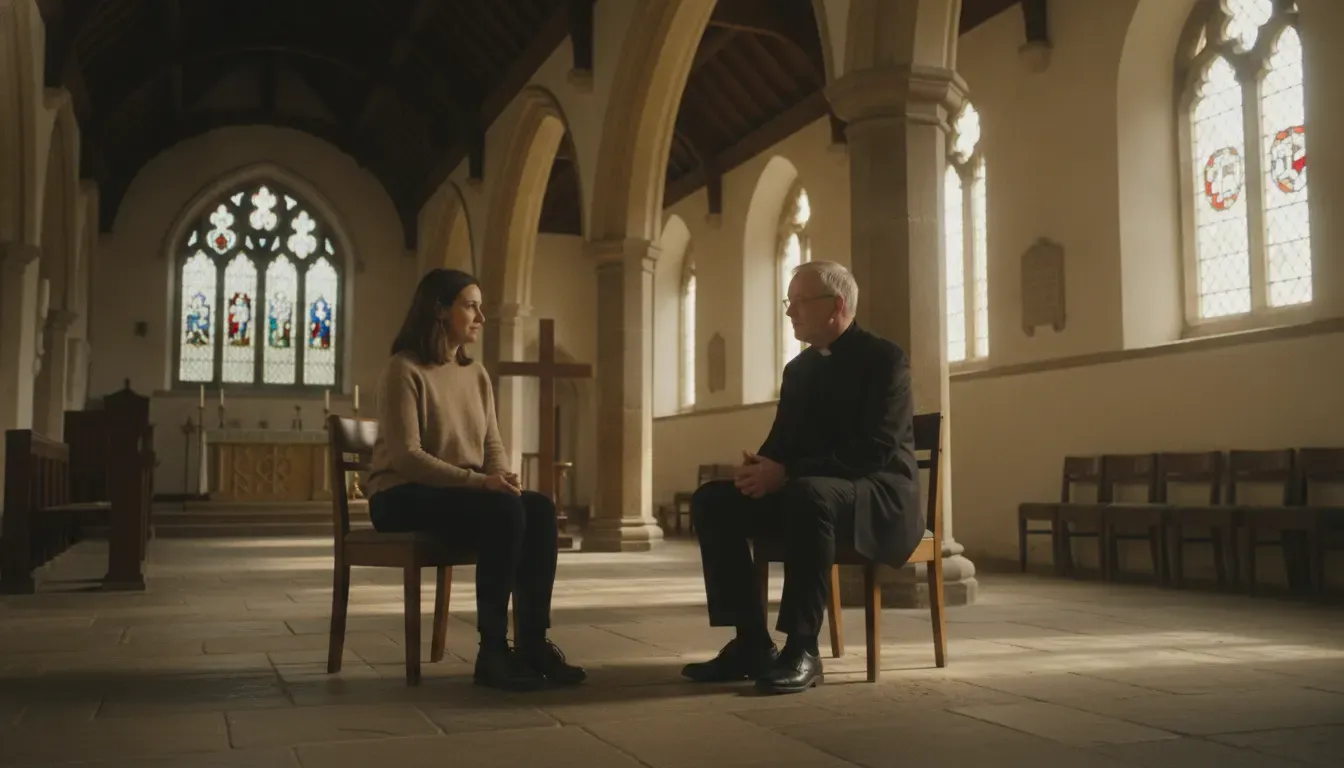
How should you prepare for a conversation with a church leader?
Answer: Prepare to describe your sense of calling, church involvement, service, and questions about formation, while staying open to the church's own discernment process. All Faith Ministry suggests treating the first meeting as a conversation, not as an application shortcut or a guarantee of ordination.
You can make the conversation more useful by taking a few notes in advance:
- What draws you toward ordained ministry, and how long you have been considering it
- Where you worship and how you currently serve
- Whether you are exploring ministry as a deacon, priest, or another role
- What questions you have about education, time commitments, or practical formation
- Which diocesan office or official materials you should consult next
Be candid about your experience and listen carefully to the feedback you receive. A church may encourage further service or reflection before any formal step. That is part of discernment, not an indication that a process can be replaced by an outside credential.
Is online ordination the same as Anglican ordination?
Answer: No. Anglican ordination is conferred through the processes and authority of a particular Anglican church. All Faith Ministry offers a separate online ordination service; it should not be represented as Anglican Church ordination or as a substitute for a church's discernment, formation, or approval.
The distinction matters if your goal is to serve as clergy within an Anglican church. Speak with that church and diocese about its pathway. If instead you are seeking general online ordination through All Faith Ministry, review its ordination information and ask the organization about the credential and support available for your intended purpose.
Frequently asked questions
Is there one Anglican ordination process for everyone?
No. The Anglican Communion is made up of autonomous member churches. Requirements are determined by the specific church and diocese where someone seeks ordination.
How do I start exploring Anglican ordination?
Begin with a conversation with a clergy member in the congregation where you worship or hope to serve. Ask which diocesan leaders and official requirements apply to you.
How long does Anglican ordination take?
There is no single timeline. The duration depends on the church, diocese, ministry order, discernment process, education, and formation requirements. Ask the relevant diocese for its current expectations.
Does All Faith Ministry provide Anglican ordination?
All Faith Ministry provides a separate online ordination service. It is not the same as ordination by an Anglican church, and people seeking Anglican clergy roles should follow that church's process.
Learn more about the distinct online ordination path through All Faith Ministry.