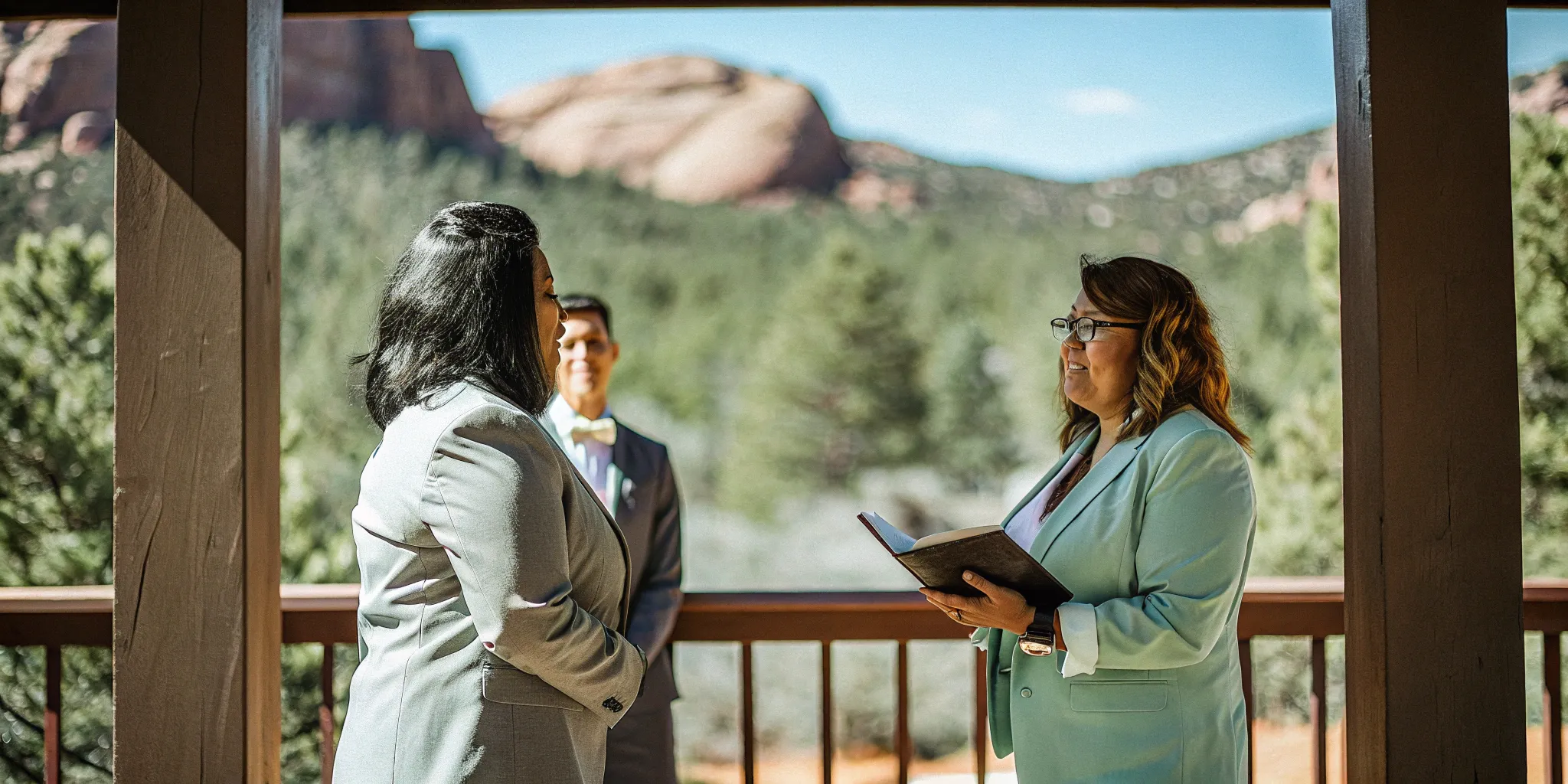
When a couple asks you to officiate their wedding, they’re handing you the heart of their ceremony. It’s an incredible honor, but that moment of excitement can quickly be followed by the quiet panic of a blank page. What do you say? How do you capture their unique story while also speaking to the profound commitment they’re making? Your sermon is the narrative thread that ties everything together, and crafting the right words can feel like a huge responsibility. This guide is here to help. We’ll walk through the entire process, from structure and themes to finding the perfect wedding sermons ideas that feel authentic to the couple you’re celebrating.
Key Takeaways
- Tell Their Unique Story: Go beyond generic templates by interviewing the couple. Ask about how they met, what they admire in each other, and their shared values to craft a sermon that is a true reflection of their relationship.
- Build Your Sermon Around a Central Theme: Give your message focus by choosing a core theme—like partnership, faith, or shared adventure. This creates a cohesive narrative and helps you select stories and readings that support your main point, making the sermon more powerful.
- Deliver with Confidence and Connection: Your delivery brings the words to life. Practice your sermon out loud to get comfortable with the pacing, and remember to make eye contact with the couple and their guests to create a warm, inclusive atmosphere.
What is a Wedding Sermon For?
Before you start writing, it’s helpful to understand what a wedding sermon is actually for. It’s not just a formality or a speech to fill time between the vows and the first kiss. A great sermon is the heart of the ceremony. It frames the couple's union, gives it context and meaning, and speaks to both the couple and their guests. Think of it as the narrative thread that ties the entire event together, explaining why everyone has gathered and what this commitment truly signifies. It has two primary jobs: to ground the marriage in a sense of purpose and to celebrate the unique love story of the couple.
Set a Spiritual Foundation
A wedding sermon establishes a spiritual foundation for the marriage. It reminds everyone that this union is more than just a social contract—it’s a sacred covenant. Your role is to connect the couple's commitment to a higher purpose, encouraging them to build their life together on a bedrock of faith and shared values. As one resource on lasting love puts it, "The best marriages take their cues not only from the romance of the Song of Solomon, but from the daily, unspectacular faithfulness of the Sermon on the Mount." By integrating these spiritual teachings, you help the couple see their marriage as a source of strength and guidance for the journey ahead.
Celebrate the Couple's Commitment
Beyond the spiritual, a sermon is a powerful way to celebrate the couple’s unique commitment. This is your chance to tell their story and honor the bond they share. It’s an opportunity to reflect on what love truly means, reminding the couple and their guests that love is an action, not just a feeling. True love is a choice made every day. This is why it’s so important that wedding sermons are special and personal for each couple, not a generic speech you use for everyone. By personalizing the message, you validate their journey and reinforce the profound significance of the vows they are about to make to one another.
Explore Popular Sermon Themes
Choosing a central theme is one of the best ways to give your wedding sermon focus and heart. A theme acts as a guiding star, helping you connect your stories, scriptures, and blessings into one cohesive message that truly resonates. Think of it as the core idea you want the couple and their guests to walk away with. Without a clear theme, a sermon can feel like a collection of nice but disconnected thoughts. With one, every element has a purpose, building on the others to create a powerful and memorable experience.
Instead of trying to cover everything about love and marriage, a strong theme allows you to explore one aspect deeply and meaningfully. This focus makes your message clearer and more impactful. It also makes the writing process much easier for you as the officiant. Once you know your central theme, you can select anecdotes, readings, and blessings that all point back to that main idea. The popular themes below are fantastic starting points. You can use them as they are or blend them to create a sermon that perfectly reflects the couple you’re celebrating.
Love and Devotion
This theme goes beyond the romance of the wedding day to explore what love truly means. It’s about framing love not just as a feeling that comes and goes, but as a conscious choice and a daily commitment. You can talk about how true devotion is built through small, consistent acts of kindness, patience, and support. This approach helps ground the ceremony in the reality of a lifelong partnership, reminding the couple that their love is a verb—something they will actively build together every day. It’s a powerful message that honors the depth of the promises they are making to one another.
Faith and Spiritual Unity
For many couples, their faith is the cornerstone of their relationship. A sermon centered on spiritual unity honors this by framing their marriage as a sacred covenant. You can explore the idea that their union is part of a larger divine plan, a partnership designed to help them grow not only closer to each other but also in their spiritual lives. This theme often involves discussing marriage as a special gift that provides companionship, strength, and a shared purpose. It creates a deeply reverent and meaningful tone for the ceremony, celebrating the couple’s shared beliefs and their commitment to walk a path of faith together.
Commitment and Partnership
While related to love, this theme focuses specifically on the power of promises. It highlights that wedding vows are not just declarations of current feelings but are firm promises for the future. A sermon on commitment can explore what it means to be a true partner—someone who stands by your side through challenges and celebrates with you in times of joy. You can emphasize that a strong marriage is a resilient partnership built on trust, loyalty, and the unwavering decision to choose each other, day after day. Our wedding officiant training can help you learn how to articulate these profound concepts with grace and confidence.
A Shared Adventure and Growth
This theme presents marriage as an exciting journey the couple is embarking on together. It’s a forward-looking and optimistic message that focuses on all the experiences, challenges, and growth they will share. You can use the analogy of building a life together, much like building a house—it requires a strong foundation, hard work, and a shared vision. This theme celebrates the idea that marriage isn't a final destination but the start of a lifelong adventure. It inspires the couple to view their future as a story they will write together, filled with learning, laughter, and mutual support.
Cultural Heritage and Traditions
A wedding is a beautiful opportunity to honor a couple’s roots. Weaving their cultural heritage and family traditions into the sermon makes the ceremony incredibly personal and meaningful. This theme involves more than just mentioning their backgrounds; it’s about thoughtfully incorporating rituals, symbols, or values that are important to them and their families. By doing this, you show a deep respect for their individual stories and how those stories are now merging into one. It’s a wonderful way to create a ceremony that feels authentic, inclusive, and uniquely tailored to the couple standing before you.
Choose the Perfect Bible Verses
For many couples, incorporating scripture into their ceremony is a beautiful way to ground their marriage in faith. The right Bible verses can anchor your entire sermon, providing a timeless foundation for the promises being made. While there are many wonderful options, it’s always best to talk with the couple about which passages resonate most with them. This collaboration ensures the message feels personal and true to their journey.
Selecting and interpreting scripture is a key skill for any officiant. Our comprehensive wedding officiant training goes deeper into how to choose verses that fit the couple's story and weave them seamlessly into a memorable sermon. The goal is to use these sacred words to celebrate their love and offer a blessing for their future together.
Classic Passages on Love (1 Corinthians, Song of Songs)
When you think of wedding scriptures, 1 Corinthians 13:4-8 is often the first to come to mind. This passage is beloved for a reason—it offers a profound and practical definition of love. It moves beyond fleeting romance to describe a love that is patient, kind, and enduring. Using this verse helps frame marriage as a daily practice of selfless love. For a different feel, the Song of Songs celebrates the passion and joy of romantic love. Its poetic language can add a touch of beauty and intimacy to the ceremony, reminding everyone of the deep affection that brought the couple together.
Scriptures on Unity and Commitment (Genesis, Ephesians)
While love is the feeling, commitment is the action. Genesis 2:24 speaks to the core of this commitment with the powerful image of two individuals becoming “one flesh.” This verse highlights the creation of a new, unified family, separate and distinct, yet deeply connected. Similarly, Ephesians 5:21-33 explores the dynamic of a faith-filled partnership. While it requires a thoughtful approach, its central message is one of mutual submission, respect, and a love that mirrors the relationship between Christ and the church. Handling these passages with care is a reflection of the professionalism outlined in our code of ethics.
Verses on Faith in Marriage (Ruth, Ecclesiastes)
For couples who want to emphasize faith as their foundation, certain verses speak directly to a shared spiritual journey. Ruth 1:16, with its famous declaration, “Where you go I will go,” is a powerful testament to unwavering loyalty and the merging of two lives into one path. It’s a beautiful vow of solidarity. Another excellent choice is Ecclesiastes 4:9-12, which speaks of the strength found in partnership. The imagery of a “cord of three strands is not quickly broken” beautifully illustrates how a marriage with God at its center is stronger and more resilient, ready to face whatever comes its way.
How to Personalize the Sermon
A personalized sermon is what transforms a wedding ceremony from a standard proceeding into a deeply moving and memorable event. This is your chance to move beyond generic scripts and create something that truly honors the couple standing before you. By weaving their unique story, inside jokes, and shared values into the message, you give them—and their guests—a gift they’ll remember for years. It shows you’ve taken the time to get to know them and that you genuinely care about their union. This personal touch is the heart of a great ceremony, making everyone feel connected to the moment and the commitment being made. It’s how you create a ceremony that feels authentic, heartfelt, and completely their own. Our wedding officiant training goes deep into the art of storytelling, helping you craft these moments with confidence.
Share the Couple's Unique Love Story
Every couple has a story, and it’s your job as the officiant to tell it beautifully. Before you even start writing, ask the couple to share the details of their journey. A great way to do this is by sending them a short questionnaire. Ask them to separately list four or five things they love most about each other. Also, ask them to write a short, half-page summary of their story—how they met, their first date, the moment they knew it was serious, and how they got engaged. You can then read some of their favorite qualities aloud or weave their narrative into the core of your sermon. This is often the most touching part of the ceremony and guarantees there won’t be a dry eye in the house.
Weave in Meaningful Anecdotes
While the big-picture love story sets the stage, it’s the small, specific anecdotes that bring it to life. These are the little moments that reveal the true character of their relationship—the funny travel story, the way they support each other’s passions, or a quiet moment of kindness that meant the world. These details make the sermon feel real and relatable, helping guests connect with the couple on a deeper level. Don’t be afraid to ask for these specifics. You might even ask for permission to chat with a maid of honor or best man to gather a few sweet stories. Sharing these personal touches shows you see the couple as individuals and helps you maintain the highest professional standards outlined in our Code of Ethics.
Reflect Their Personal Values and Beliefs
A truly personalized sermon should feel like it comes from the couple themselves. It needs to reflect what marriage means to them and the principles that will guide their life together. Have an open conversation about their core values. Is their partnership built on a foundation of shared faith, a spirit of adventure, mutual respect, or a commitment to service? For a religious couple, this is where you connect their union to scripture. For a secular couple, you might focus on philosophical ideals or shared goals. For example, if they value selflessness, you can build a message around the idea of putting each other’s needs first. This ensures your words resonate deeply and authentically with the two people who matter most.
Structure Your Sermon for Impact
A great sermon doesn't just happen; it's thoughtfully crafted. Having a clear structure helps you deliver a message that flows beautifully and keeps everyone engaged. Think of it as a roadmap for the emotional and spiritual journey you're about to lead. A beginning that draws people in, a middle that shares the core message, and an end that sends the couple off with love and hope. This simple framework will help you organize your thoughts and speak from the heart without getting lost.
When you’re officiating, your words carry so much weight. You’re not just speaking to the couple; you’re speaking for them, celebrating their love in front of their favorite people. A well-structured sermon honors that responsibility. It ensures your message is personal, powerful, and memorable for all the right reasons. Let’s walk through how to build a sermon, piece by piece, so you can feel confident and prepared when the big day arrives.
Open with Warmth and Connection
Your first few words set the tone for the entire ceremony. The goal is to create a warm, welcoming atmosphere that makes everyone feel connected. This isn't the time for a generic speech you could give at any wedding. Start by speaking directly to the couple and their guests. You could share a brief, sweet story about how the couple met or a personal observation about their love for each other (always get their permission first!). Making the sermon personal from the very beginning helps everyone, especially guests who may not be regular churchgoers, feel included and invested in the moment. A genuine, warm opening turns a room full of individuals into a shared community, all there to celebrate one beautiful commitment.
Build Your Core Message with Scripture and Themes
This is the heart of your sermon, where you’ll explore the central themes of the couple’s commitment. A great way to anchor your message is by working with the couple to choose a Bible passage or another reading that holds special meaning for them. This scripture can serve as the foundation for your sermon. From there, you can build on themes like selfless love, partnership, and faith. For example, you might talk about how true partnership means putting the other person’s needs first, reflecting the ultimate love and sacrifice. Our wedding officiant training goes deeper into how you can weave personal stories and scripture together to create a message that is both theologically sound and deeply personal to the couple.
Close with a Blessing for Their Future
How you end the sermon is just as important as how you begin. Your closing words should be a powerful, uplifting send-off as the couple begins their married life. This is the perfect moment to offer a blessing or a prayer for their future. Remind them that a strong marriage, like a sturdy house, is built on a solid foundation and requires continuous effort and love. You can ask God to bless their union and guide them in keeping their faith and each other at the center of their lives. This final blessing should feel like a warm embrace, leaving the couple and their guests with a sense of hope, joy, and profound love. It’s a beautiful way to honor your role and uphold the standards in our Code of Ethics.
Deliver a Memorable Sermon
Once you’ve written a beautiful sermon, the final step is bringing it to life. Your delivery is what transforms words on a page into a moving experience for the couple and their guests. It’s about more than just reading a script; it’s about conveying the emotion and significance of the moment with sincerity and warmth. A powerful delivery can make a simple message profound and a personal story unforgettable. Think of yourself as the narrator of the couple's love story, guiding everyone through this pivotal chapter.
Your presence, your voice, and your connection with the audience all play a crucial role. By focusing on a few key areas, you can ensure your delivery is as impactful as the sermon itself. Finding the right tone, connecting with the guests, and preparing thoroughly will give you the confidence to officiate a ceremony that feels authentic, polished, and heartfelt. This is your opportunity to create a moment that everyone will remember for years to come. Our wedding officiant training covers these performance skills in-depth, helping you become a poised and confident speaker.
Find the Right Tone and Pace
The best wedding sermons are tailored to the couple, and your tone should be, too. A generic speech won't resonate as deeply as one that reflects their unique personalities. Are they lighthearted and fun, or more reserved and traditional? Match their energy. A sermon for a quirky, adventurous couple will feel very different from one for a deeply spiritual and solemn pair. The goal is to make the ceremony feel like it truly belongs to them. This commitment to personalization is a core part of an officiant's responsibility, aligning with a professional code of ethics. Remember to speak slowly and clearly, pausing intentionally to let important points sink in. Nerves can make us rush, so take a deep breath and be present in the moment.
Connect Authentically with Guests
While your focus is on the couple, the guests are there to share in the joy. Make an effort to connect with them. As you speak, make eye contact with different people in the audience—parents, friends, and family. This simple act makes everyone feel included in the ceremony. You can also involve others directly. For instance, work with the couple to select a meaningful reading and help the designated reader practice beforehand to ensure a smooth delivery. Starting your sermon with a warm welcome or a gentle question can also draw everyone in, creating a shared sense of community and celebration from the very beginning.
Prepare for a Confident Delivery
Confidence comes from preparation. Practice your sermon out loud multiple times until you’re comfortable with the flow and timing. This helps you catch any awkward phrasing and find a natural rhythm. Even if you feel you have it memorized, always bring a printed copy with you. Having your script in a polished folder or binder from the AFM Store looks professional and gives you a safety net if you lose your place. The more prepared you are, the more you can relax and focus on delivering a heartfelt message. Your calm, confident presence will put the couple at ease and set a beautiful tone for the entire ceremony.
Ideas for a Non-Religious Sermon
Not every couple wants a religious ceremony, and that’s perfectly okay. A non-religious or secular sermon can be just as moving, profound, and celebratory. Your role as the officiant is to create a ceremony that reflects the couple's values, beliefs, and unique love story. Instead of scripture, you’ll draw from universal themes, philosophy, literature, and their personal experiences to craft a message that honors their commitment.
The goal is the same: to articulate the significance of the moment and celebrate the journey they’re beginning together. A great secular sermon feels authentic, personal, and deeply meaningful to the couple and their guests. It focuses on the human elements of love, partnership, and the beautiful promise of a shared future. This approach allows for incredible creativity and personalization, ensuring the ceremony is a true reflection of who they are.
Focus on Universal Themes of Love
Love is a universal language, and it’s the perfect foundation for a non-religious sermon. You can explore the idea that love is more than just a romantic feeling; it’s an active choice. Talk about how a lasting marriage is built on the daily decision to support, cherish, and stand by one another, especially when things get tough. This perspective shifts the focus from fleeting emotions to the strength of intentional, committed love.
You can also frame the sermon around what love means to the specific couple. Ask them about their definition of love and what it looks like in their relationship. Weaving their personal insights into your message makes the ceremony incredibly powerful. By focusing on these universal truths, you create a sermon that resonates with everyone present, while upholding our Code of Ethics to honor the couple's wishes.
Explore Philosophical Views on Commitment
Marriage is one of the most significant commitments two people can make. For a secular sermon, you can explore the philosophical weight of this promise. Discuss marriage as a powerful covenant—a partnership that creates a space for untold joy, companionship, and mutual growth. It’s about two individuals choosing to build a life together, becoming a team that faces the world side-by-side.
Frame commitment not as a restriction, but as a foundation that provides security and freedom to be vulnerable and authentic. You can talk about the beauty of creating a shared history and the strength that comes from knowing you have a dedicated partner. Our wedding officiant training delves into how to articulate these big ideas in a way that feels both grand and deeply personal, helping you craft a message that truly honors the couple’s bond.
Use Meaningful Secular Readings and Quotes
Incorporating secular readings is a wonderful way to add depth and eloquence to a non-religious ceremony. Instead of religious texts, you can turn to poetry, literature, or quotes from philosophers and thinkers. Work with the couple to choose passages that resonate with them. Maybe it’s a poem by Mary Oliver, a quote from Carl Sagan, or even lyrics from their favorite song.
These readings can serve as a beautiful centerpiece for your sermon, providing a theme you can expand upon. The key is to select words that feel true to the couple’s story and their vision for their marriage. Having a collection of powerful secular readings is a great tool for any officiant. You can start building your own library of options or find curated resources in our AFM Store to help you get started.
Common Sermon Mistakes to Avoid
Delivering a sermon that resonates is a huge part of the job, but a few common missteps can take the focus away from the couple. The good news is that these are easy to sidestep once you know what to look for. By keeping your sermon personal, inclusive, and concise, you ensure the ceremony remains a beautiful reflection of the couple's love story. Let’s walk through a few key things to avoid so you can officiate with grace and confidence.
Keep it Concise
A wedding isn’t the time for a long, winding speech. Your goal is to deliver a message that is both meaningful and brief. Guests are there to celebrate the couple, not to listen to lengthy anecdotes that don't connect back to them. Aim for a sermon that feels heartfelt but respects everyone's time. A great sermon is powerful because of its message, not its length. By focusing on the unique aspects of the couple's relationship and cutting out any fluff, you create a moment that is memorable for all the right reasons. Our wedding officiant training can help you master the art of crafting a sermon that is both impactful and concise.
Use Inclusive Language
Every couple deserves to feel seen, respected, and celebrated on their wedding day. Using inclusive language is essential to making that happen. This means avoiding assumptions about gender roles, family structures, or guests' backgrounds. Simple shifts, like using terms such as "the couple" or "the newlyweds" and addressing guests as "friends and family," create a welcoming atmosphere for everyone present. This approach ensures your words honor the couple as individuals and make every single guest feel valued. It’s a practice that reflects a deep respect for all people, which is a core part of our Code of Ethics for officiants.
Focus on the Couple, Not Yourself
While you are the one speaking, the sermon is not about you. Your role is to tell the couple’s story, not your own. Avoid sharing personal stories unless they directly and clearly illustrate a point about the couple’s relationship. The most touching sermons are built from details you gather by asking the couple thoughtful questions about their journey together. What do they love about each other? What challenges have they overcome? Weave their answers into the ceremony to create a message that is a true reflection of their unique bond. You are the narrator of their love story for the day, so keep the spotlight firmly on them.
Build Your Skills and Officiate with Confidence
Let’s be honest: standing in front of a crowd to perform a wedding ceremony can feel a little intimidating, especially if you’re just starting out. But confidence isn’t something you’re born with—it’s something you build through preparation and practice. The more prepared you are, the more present and joyful you can be for the couple on their big day. It all comes down to knowing your material and, more importantly, knowing the people you’re there to celebrate.
When you focus on telling the couple’s unique story, the sermon stops being a generic speech and becomes a heartfelt tribute. This personal touch makes the ceremony more engaging for everyone, and it takes the pressure off you to be a perfect orator. Instead, you become a storyteller, sharing anecdotes and details that reflect the couple's journey and values. This approach not only makes the ceremony more memorable but also grounds your delivery in genuine emotion, which is far more powerful than any perfectly memorized script.
The best way to feel comfortable with your sermon is to practice it out loud, multiple times. Time yourself to make sure you’re hitting that sweet spot—long enough to be meaningful but short enough to hold everyone’s attention. As you rehearse, pay attention to your tone and pace. Find moments to pause for effect, smile, and make eye contact with different sections of the room. This preparation will help the words flow naturally, allowing you to connect authentically with the couple and their guests instead of reading from a script.
If you’re looking for a structured way to develop your abilities, investing in formal training can make all the difference. A dedicated program can give you the tools to handle any situation with grace, from writing personalized vows to managing the legal paperwork. Our comprehensive wedding officiant training is designed to walk you through every step of the process, providing you with the skills and knowledge to lead a ceremony with poise. When you have a solid foundation to rely on, you can step into your role as an officiant with the assurance that you’re ready for anything.
Related Articles
- Wedding Outline for Officiant: The Complete Guide
- Your Guide to Officiating a Friend's Wedding
- Tips for New Officiants to Create Memorable Wedding Moments
- How to Become an Ordained Minister: The Ultimate Guide
- Florida Wedding Officiant Requirements Made Simple
Frequently Asked Questions
How long should my wedding sermon be? While there's no strict rule, the sweet spot for a wedding sermon is typically between five and seven minutes. This is long enough to share a meaningful message and a personal story about the couple, but short enough to hold everyone's attention. The goal is to be impactful, not exhaustive. A concise, heartfelt sermon will always be more memorable than one that feels long.
What's the best way to get personal stories from the couple? Making it easy and fun for them is key. I like to send a simple questionnaire a few weeks before the wedding, asking them to separately answer a few questions, like what they admire most about each other and to share a favorite memory. This approach gives you genuine, heartfelt material to work with and takes the pressure off them to come up with stories on the spot.
What if the couple isn't religious at all? That’s a wonderful opportunity to create a deeply personal secular ceremony. Instead of scripture, you can build your sermon around universal themes like commitment, partnership, and the beauty of a shared journey. You can also work with the couple to include readings from poetry, literature, or philosophy that resonate with them. The focus remains the same: to honor their love story and the promises they are making.
I'm nervous about speaking in front of everyone. How can I feel more confident? Confidence comes directly from preparation. Practice your sermon out loud several times until the words feel natural and you know the flow by heart. Always bring a printed copy with you, just in case. On the day of, remember to take a deep breath, speak slowly, and focus on connecting with the couple. Your genuine warmth and care for them will shine through and mean more than a flawless performance.
Do I have to stick to just one theme for the sermon? Not at all. The themes mentioned in the post are great starting points, but you should feel free to blend them to create a message that truly fits the couple. For example, you could easily combine the idea of a shared adventure with the importance of commitment. The purpose of a theme is to give your sermon focus, so choose the ideas that best reflect the couple's unique relationship and values.