One of the first questions a couple might ask you is, "How can we make our ceremony feel like us?" This is your cue to introduce the concept of a unity ceremony. It’s a powerful way to add a layer of personalization that resonates with the couple and their guests long after the day is over. This is especially true for secular weddings, where couples are actively looking for ways to add depth and significance. Your ability to provide creative non religious unity ceremony ideas transforms you from a simple facilitator into a valued collaborator. This guide will equip you with a variety of options, helping you lead your couples to a perfect, symbolic moment that celebrates their unique bond.
Key Takeaways
- Uncover Their Unique Story: The most memorable unity ceremonies reflect the couple's personality. Help them choose a ritual—like blending coffee if they're coffee lovers—that feels true to their relationship instead of just picking one from a list.
- Involve Their Most Important People: A unity ceremony is a powerful way to include family. Suggest ways for parents to present items, for children to participate in a sand ceremony, or for all guests to offer a blessing during a ring warming to create a sense of community.
- Think Through the Practical Details: A smooth ceremony requires planning. Guide the couple on the best timing (usually after the vows), consider venue limitations like wind or space, and provide a simple supply list to prevent any day-of stress.
What is a Unity Ceremony (and Why It Matters)
As an officiant, you’ll quickly learn that the wedding ceremony is built around a few key moments: the vows, the ring exchange, and the first kiss. But many couples want to add another layer of meaning to their big day, and that’s where a unity ceremony comes in. Simply put, a unity ceremony is a symbolic ritual performed during the wedding to represent two individuals, and often two families, joining together as one. It’s a physical act that illustrates the promises the couple is making.
The real beauty of a unity ceremony is that there are no rules. Unlike the legal declarations required for marriage, this part of the ceremony is entirely personal. It’s a chance for the couple to express their unique story and values. From pouring sand to planting a tree, the goal is to find an action that feels authentic to them. Your role as their officiant is to help them discover a ritual that will symbolize their union and commitment in a way that resonates deeply.
So, why does it matter? A unity ceremony creates a powerful focal point. It gives the couple and their guests a quiet, meaningful moment to reflect on the commitment being made. It’s more than just a tradition; it’s an experience that creates a lasting memory. For couples who aren't religious, it's also a fantastic way to add depth and significance to the ceremony without incorporating spiritual elements.
Guiding your couple in choosing and performing a unity ceremony is one of the most rewarding parts of being an officiant. It’s where you move from being a facilitator to a true storyteller, helping them craft a moment that is entirely their own. By understanding the purpose behind these rituals, you can offer thoughtful suggestions and help them create a ceremony that feels both timeless and deeply personal.
15 Unity Ceremony Ideas for Modern Couples
Now for the fun part! Here are 15 creative ideas you can suggest to your couples. The best unity ceremony is one that feels authentic to them, so encourage them to think about their shared hobbies, passions, and the story of their relationship. As their officiant, you can guide them toward a ritual that truly represents their partnership. Having a few great suggestions ready is a key part of the wedding officiant training we provide, helping you craft a ceremony that feels personal and memorable from start to finish. These ideas range from timeless classics to modern twists, giving you plenty of options to share.
Sand and Paint Ceremonies
For a beautiful visual representation of two lives blending into one, sand and paint ceremonies are fantastic options. In a sand ceremony, each partner pours a different colored sand into a single glass container. The resulting design symbolizes their individual lives intertwining into a new, inseparable union. It also creates a lovely keepsake for their home. Similarly, a painting ceremony invites the couple to create a work of art together on a single canvas. They can use their wedding colors or even paint over a hidden message, symbolizing their collaborative journey ahead and creating their very first family heirloom.
Candle and Fire Rituals
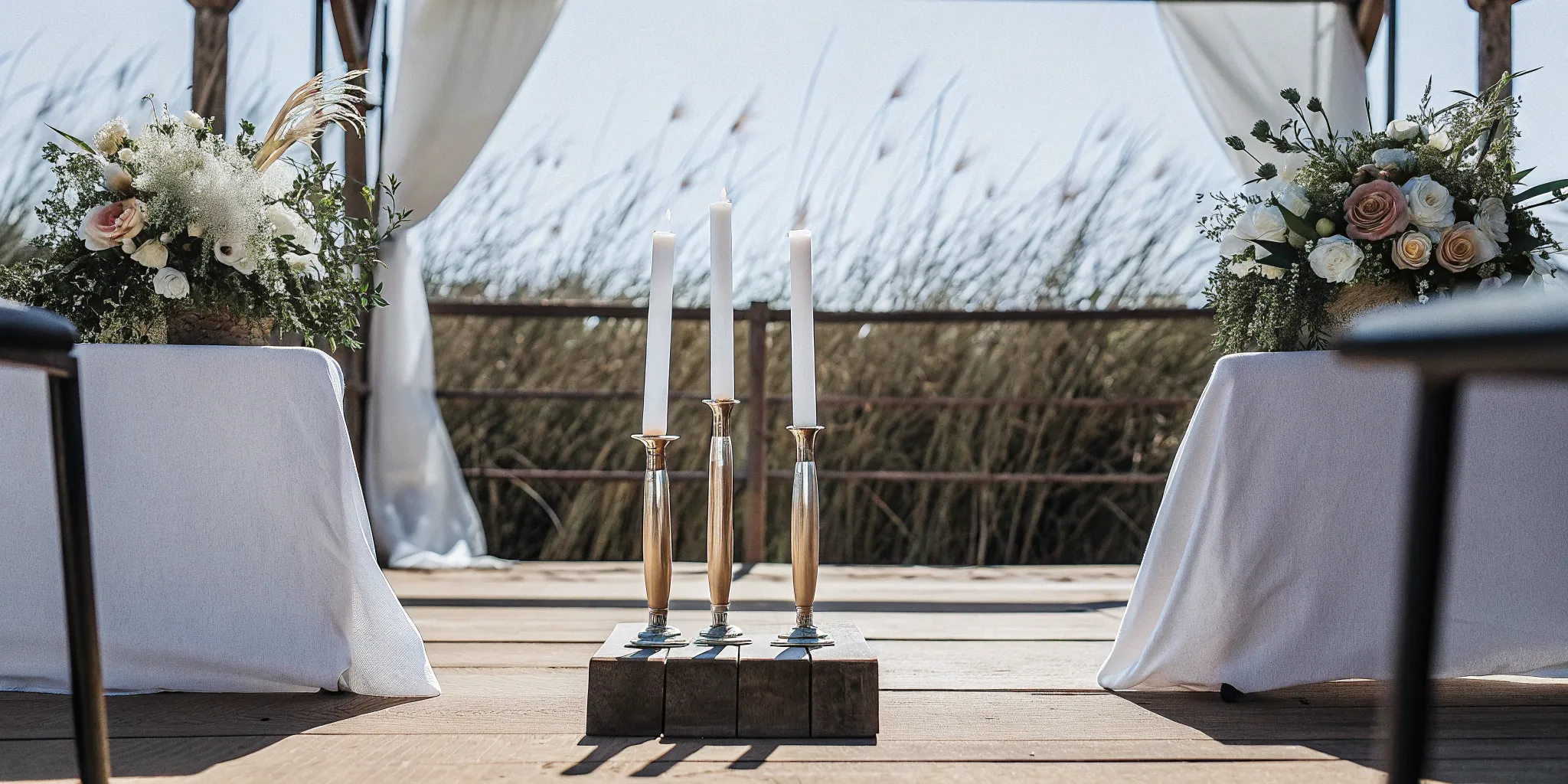
Light and fire have long symbolized love, passion, and hope. The classic unity candle ceremony is a timeless choice where the couple uses two individual taper candles to light one larger pillar candle together, representing the joining of their two flames into one. For a more rustic or outdoorsy couple, you could suggest a fire-building ceremony. If the venue allows, they can build a small, contained fire together, symbolizing the warmth, comfort, and light they bring to each other’s lives. This can be a cozy and powerful moment, especially for an evening or woodland wedding.
Wine, Coffee, and Beverage Blending
A beverage ceremony is a wonderful way to toast to the couple’s future. For the sophisticated pair, a wine blending ceremony involves mixing a red and a white wine to create a custom rosé, which they then share. This symbolizes their distinct personalities combining to create something new and beautiful. For coffee lovers, a coffee and creamer ceremony is a sweet, modern alternative. One partner pours the coffee, the other adds the cream, and they stir it together before taking a sip, representing their shared daily rituals. You can also suggest a cocktail ceremony, where they each pour an ingredient into a shaker and mix up their signature drink.
Nature-Based Unity Ceremonies
If your couple loves the outdoors, a nature-based ceremony can be incredibly meaningful. The most popular option is a tree planting ceremony. The couple adds soil (perhaps from their childhood homes) to a pot and waters a small sapling together. This act symbolizes their relationship putting down roots and growing stronger over time. Another beautiful idea is a stone warming ceremony. A bowl of smooth stones is passed among the guests, who are asked to hold one and imbue it with a silent wish or blessing for the couple. The couple then collects the stones as a lasting reminder of the love surrounding them on their wedding day.
Unique and Unexpected Ideas
Encourage your couples to think outside the box! A puzzle ceremony is perfect for a couple that loves games, and it’s a great way to include children from a blended family. Each person places a piece into a custom puzzle to show how they all fit together. For a more symbolic ritual, a handfasting ceremony uses ribbons or cords to gently bind the couple’s hands together, representing their connection and commitment. You could also suggest a love letter and wine box ceremony, where the couple seals love letters to each other in a box with a bottle of wine, to be opened on a future anniversary.
How to Personalize a Unity Ceremony
A unity ceremony is more than just a photo opportunity; it’s a visual representation of the couple’s commitment. As their officiant, your role is to help them choose or create a ritual that feels authentic to them. The most memorable ceremonies are the ones that tell a story. Instead of just picking an idea from a list, encourage your couple to think about what makes their relationship unique. This is your chance to move beyond a generic script and craft a moment that truly reflects their personalities, values, and the journey that brought them to this day.
Personalization is what separates a good ceremony from a great one. It’s about finding the small details that resonate deeply with the couple and their guests. By asking the right questions and listening closely, you can guide them toward a ritual that feels like a natural extension of their love story. This thoughtful approach is a core part of your responsibility and aligns with a professional code of ethics that puts the couple's experience first. The following ideas will help you guide your couples in making any unity ceremony uniquely their own.
Weave in Their Love Story
The best way to make a unity ceremony personal is to connect it directly to the couple's story. Ask them about their shared passions, inside jokes, or the milestones that define their relationship. If they love brewing beer together, a beer-blending ceremony is a perfect fit. If they had their first date at a coffee shop, a coffee-blending ritual would be incredibly meaningful.
You can also adapt traditional ceremonies with custom wording. For a sand ceremony, help them choose colors that represent their personalities or favorite places. During the ritual, your script can narrate how their individual paths, like the separate sands, have now merged into one beautiful, inseparable new life. This is where your wedding officiant training really shines, allowing you to craft a narrative that is both personal and profound.
Honor Family and Cultural Traditions
A unity ceremony is a wonderful opportunity to honor the people and traditions that shaped the couple. Many rituals can be easily adapted to include parents, children, or other important family members. For example, in a sand ceremony, children from a previous relationship can add their own color of sand to the vase, symbolizing the creation of a new, blended family. Parents can also be invited to present the items used in the ceremony, such as the wine glasses or the handfasting cords.
Couples may also want to celebrate their heritage. You can help them adapt cultural traditions to fit a non-religious ceremony by focusing on the symbolism. For instance, a couple could perform a lasso ceremony ("el lazo") to represent their connection without including any religious prayers, making it a beautiful nod to their roots that still feels true to them.
Create a Meaningful Keepsake
Encourage your couple to think beyond the ceremony itself. Many unity rituals create a tangible keepsake that they can display in their home as a daily reminder of their vows. A wine box ceremony, for example, gives them a special bottle to open on a future anniversary. A paint-pouring ritual results in a one-of-a-kind piece of art they can hang on their wall. These keepsakes transform the unity ceremony from a fleeting moment into a lasting legacy.
When discussing options, highlight how the ritual can produce something they’ll cherish for years. Whether it’s a knotted rope from a handfasting or a custom puzzle they assembled together, this physical object becomes part of their home and their story. You can even point them toward resources like the AFM Store to find kits and supplies for their chosen ceremony.
What You'll Need: A Quick Supply Guide
As the officiant, you can be a huge help by guiding your couple through the logistics of their unity ceremony. While they’ll be responsible for gathering the supplies, you can provide a clear checklist so nothing gets missed. A little preparation goes a long way in making sure this special moment is seamless and stress-free. By knowing what’s needed, you can also help with the setup on the wedding day and ensure everything is perfectly in place before the ceremony begins.
Ceremony Supply Checklists
To make things easy for your couple, you can send them a simple list of what they’ll need based on the ceremony they choose. Here are a few common examples you can adapt:
- Sand Ceremony: Two or more containers of colored sand and a central, larger vessel to pour them into. Many couples opt for engraved jars that can be kept as a keepsake.
- Unity Candle: Two small, individual taper candles for the couple and one larger pillar candle that they will light together. Don’t forget a lighter or matches!
- Tree Planting: A potted sapling, a decorative pot or planter, and two small containers of soil. Some couples like to use soil from their childhood homes to add a layer of meaning.
- Wine Box: A bottle of wine, two love letters written to each other, and a wooden box to seal them in.
Where to Find Your Materials
Once the couple knows what they need, the next question is often where to find it. Luckily, most items are easy to source. For specialized or personalized products, like custom-engraved boxes or unique sand colors, online marketplaces are a great starting point. Local craft stores are perfect for things like paint, canvases, and decorative vessels. For any nature-based ceremonies, a trip to a local garden center can provide a beautiful selection of trees or plants that will thrive in the couple’s climate. Suggesting these places can save your couple a lot of time and searching.
Tips for a Flawless Setup
A smooth unity ceremony is all in the details. Share these simple tips with your couple to help them prepare for a picture-perfect moment. First, suggest a practice run. This is especially important for ceremonies that can get a little messy, like a paint pour. Doing a trial run at home ensures they know how it will work and helps calm any day-of nerves. Second, encourage them to personalize the setup. Using items that reflect their story—like a vessel made by a friend or soil from a meaningful place—makes the ritual that much more special. Finally, remind them to have everything laid out and accessible at the ceremony site before guests arrive.
How to Involve Family and Friends
A wedding isn’t just about two people; it’s about the joining of families and the celebration of a community. A unity ceremony is the perfect moment to honor the people who have supported the couple along the way. As an officiant, you can help your couples make their ceremony deeply personal by suggesting ways to include their closest loved ones. Many unity rituals can be easily adapted to involve parents, children, or even every single guest, turning a simple ritual into a powerful statement about community and connection.
Guiding a couple through these choices is a huge part of what makes a wedding officiant so valuable. You’re not just there to read a script; you’re a collaborator in creating a moment they’ll remember forever. When you suggest including a parent in the sand ceremony or having the guests participate in a ring warming, you’re helping the couple tell their unique story. This is where your expertise shines. Learning how to present these options and weave them seamlessly into the service is a skill you can develop through dedicated wedding officiant training. These small, thoughtful touches are what transform a standard ceremony into an unforgettable experience for everyone involved, and they are what couples will remember most about your service.
Give Key Roles to Parents and Siblings
For many couples, finding a special way to honor their parents and siblings is a top priority. You can suggest modifying a traditional unity ceremony to give them a distinct role. For example, in a sand ceremony, the parents could each pour a layer of sand into the vessel first, symbolizing the foundation they provided. During a handfasting ceremony, siblings could come forward to place the cords over the couple’s hands, each one representing a different blessing or wish for their future. These actions are simple, but they carry immense emotional weight, creating a powerful visual of two families coming together and offering their support.
Ideas for Blended Families and Children
When a couple is blending their families, the unity ceremony is a beautiful opportunity to make their children feel seen, loved, and essential to this new chapter. Suggest rituals that are interactive and create a lasting keepsake. A family puzzle ceremony is a wonderful option, where each child gets to place a piece of a custom puzzle, showing that every member is needed to make the family whole. Another idea is a painting ceremony, where the couple and their children each add their own color to a canvas, creating a unique piece of art for their home. These acts beautifully symbolize the creation of a new family unit.
Get All the Guests Involved
To create a powerful sense of community, you can suggest a ritual that includes every guest. A ring warming ceremony is a simple yet profound way to do this. Before the vows, the wedding rings are passed among the guests, who are invited to hold them for a moment and offer a silent prayer or wish for the couple. By the time the rings reach the front, they are filled with the love and support of everyone present. This transforms the guests from passive observers into active participants in the couple’s commitment, wrapping them in the collective warmth of their community.
Planning the Perfect Unity Ceremony Moment
A beautiful unity ceremony doesn’t just happen—it’s thoughtfully planned. As the officiant, you play a huge part in making sure this moment flows smoothly and feels significant. It’s your job to think through the logistics so the couple can stay present and soak in the experience. By guiding them on timing, location, and personalization, you help transform a simple ritual into a core memory of their wedding day. This level of care and attention to detail is what separates a good officiant from a great one.
Find the Right Place in the Ceremony
The placement of the unity ceremony within the larger wedding ceremony is key to its impact. Typically, the best moment is right after the couple exchanges vows and rings but before you pronounce them as married. This timing is powerful because it serves as an immediate, tangible symbol of the promises they just made. They’ve spoken their commitment, and now they are physically demonstrating that union. Placing it here allows the energy to build, creating a poignant and reflective pause before the celebratory conclusion. It becomes the symbolic seal on their vows, making the final pronouncement even more meaningful.
Plan for Your Venue (and the Weather)
Every great idea needs a practical plan. Before the couple gets their heart set on a specific unity ritual, encourage them to consider their venue. A unity candle ceremony is beautiful, but it’s a no-go for a windy beach or an outdoor garden wedding. Similarly, a sand ceremony can get messy indoors if you don’t have a sturdy table and a plan for cleanup. Ask the couple about their venue early on. Is it indoors or outdoors? Are there any restrictions? Thinking through these details ahead of time prevents day-of stress and ensures the moment is remembered for its beauty, not for a logistical hiccup.
Guide Your Couple Through the Process
Your role is to help the couple create a ceremony that feels authentic to them. Remind them that there are no hard-and-fast rules; the goal is to choose something that reflects their love story. You can facilitate this by asking thoughtful questions. What symbols or activities are meaningful to your relationship? Do you want to create a keepsake you can display in your home? Our wedding officiant training covers how to lead these conversations effectively. Also, encourage them to think about including family. Many rituals can be adapted to involve children or parents, which is an especially wonderful touch for blended families.
Craft a Ceremony They'll Never Forget
As an officiant, your role is to guide the couple in creating a moment that feels completely, authentically theirs. A unity ceremony isn't just a photo opportunity; it's a powerful, symbolic action that represents two lives becoming one. The most memorable ceremonies are deeply personal, moving beyond generic scripts to reflect the couple’s unique love story.
Start by asking them questions. What inside jokes do they share? What hobbies brought them together? What does their future look like? Their answers are the raw material for a perfect ceremony. A couple who loves brewing coffee might create a custom blend, while avid gardeners could plant a tree together using soil from their childhood homes. There is no right or wrong way to do this—the goal is to find a ritual that is meaningful to them.
Encourage them to think about creating a keepsake. A unity ceremony that results in a tangible object, like a painting they create together or an anniversary box they seal, gives them a beautiful reminder to display in their home. This turns a fleeting moment into a lasting memory. You can also make the ceremony even more special by including children or other family members. Blending different colors of sand can be a wonderful way to represent the joining of two families, especially when kids get to pour their own color. This simple act makes everyone feel included in the new family being formed. Our wedding officiant training offers more in-depth techniques for personalizing every part of the ceremony script.
Related Articles
- Your Complete Non-Denominational Wedding Officiant Script
- A Complete Non Denominational Wedding Ceremony Script
- The Ultimate Non-Religious Wedding Officiant Script
- 34 Questions to Ask as a Wedding Officiant
- The Ultimate Non-Religious Wedding Ceremony Script Guide
Frequently Asked Questions
Do we have to include a unity ceremony? Not at all! A unity ceremony is a beautiful addition, but it's completely optional and isn't required for a legal marriage. It’s a personal choice for the couple. Its purpose is to add a layer of symbolism and create a memorable focal point, but a ceremony is just as meaningful without one. Your main job is to help the couple build a ceremony that feels right for them, with or without this specific element.
Who is responsible for getting the supplies for the ceremony? The couple is responsible for purchasing and bringing all the necessary supplies for their unity ceremony. Your role as the officiant is to be their guide. You can provide them with a clear checklist of what they’ll need and offer suggestions on where to find items, but they handle the shopping. On the wedding day, you can certainly help ensure everything is set up correctly before the ceremony begins.
What should I do if my couple doesn't like any of the common unity ceremony ideas? This is a great opportunity to create something truly unique. Instead of relying on a list, ask them questions about their relationship. How did they meet? What are their shared hobbies or passions? The most meaningful rituals come from personal stories. You can help them invent a ceremony from scratch that reflects who they are, whether it’s blending their favorite spices or tying a fisherman's knot.
What do I say as the officiant during the unity ceremony? While the couple is performing the ritual, your words should act as the narrative. Your job is to explain the symbolism of their actions to the guests. For example, as they pour the sand, you can talk about how their two individual lives are now intertwining into a new, inseparable union. This is where you connect the physical act back to the emotional commitment they are making in their vows.
Can the unity ceremony happen at a different point in the wedding? Absolutely. While placing it after the vows is a popular choice because it reinforces the promises just made, you can adjust the timing to fit the couple's vision. For instance, a ring warming ceremony works beautifully at the beginning of the service to involve guests from the start. A cocktail-mixing ritual could even happen right before the final pronouncement as a celebratory toast to their future. The best placement is wherever it enhances the overall flow and feeling of the ceremony.