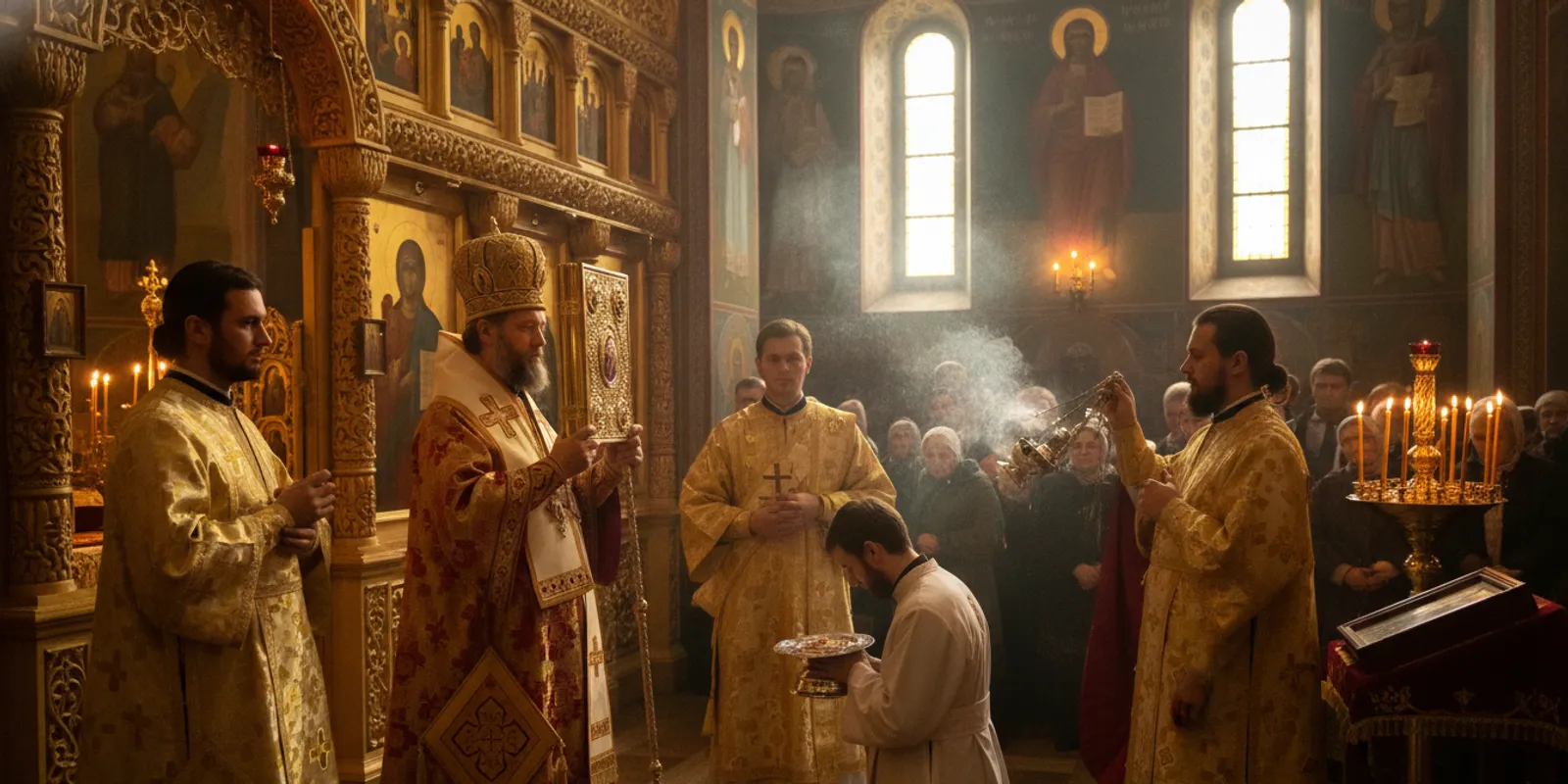

Your best friend just asked you to officiate their wedding, and after the initial excitement, the big questions start rolling in. The first one is usually, "How do I actually do this legally?" A quick search brings up a sea of confusing terms, leaving you to wonder what path to take. This is where the great ordained vs licensed minister debate begins. While both credentials can give you the authority to perform a ceremony, they represent very different commitments and levels of authority. Understanding the distinction is the first critical step to ensuring your friend’s special day is not only beautiful but also legally sound. This guide will walk you through everything you need to know to make the right choice.
Key Takeaways
- Ordination is permanent, while a license is temporary: Ordination is a lifelong credential reflecting a lasting commitment, making it ideal for an ongoing practice. In contrast, a license has an expiration date and requires renewal, which is better for specific, short-term duties.
- State law determines your legal authority to officiate: Your title as a minister is the first step, but the government grants the legal power to perform a marriage. Always check the specific requirements in the state and county where the wedding will occur to ensure the union is legally binding.
- Your personal goals should guide your choice: The right path depends on your intentions. If you plan to officiate weddings long-term, ordination offers a stable, one-time solution. If you are exploring ministry or have a single event in mind, a license might be a more fitting start.
What Is an Ordained Minister?
At its core, an ordained minister is someone who has been officially appointed by a religious organization to serve their community. The word "ordain" simply means to appoint someone for a specific purpose, while "minister" comes from a word meaning "to serve." So, when you put them together, an ordained minister is a person formally recognized as a spiritual guide, ready to perform duties like leading ceremonies, offering counsel, and, of course, officiating weddings.
This official recognition isn't just a title. It signifies that a person has met the requirements set by their ordaining body and is trusted to uphold its values. For couples, having an ordained minister lead their ceremony provides confidence that their union will be handled with care and recognized as legitimate. For the minister, it’s an affirmation of their calling to support others during life's most important moments. It’s a role centered on service, commitment, and celebrating love.
Understanding Ordination and Its Lifelong Authority
One of the most significant aspects of ordination is that it’s typically a lifelong appointment. Unlike a license, which often has an expiration date and requires renewal, ordination is permanent. Once you are ordained, you hold that status for life, unless it is revoked by the ordaining organization. This permanence reflects the deep commitment involved and the trust placed in you by the community.
This lifelong authority is why so many people who want to officiate weddings for friends, family, or as a profession choose to apply for ordination. It provides a lasting credential that empowers you to legally and confidently perform ceremonies. It’s a one-time process that opens the door to a lifetime of opportunities to serve others and celebrate their love stories.
The Path to Becoming Ordained
The journey to becoming an ordained minister involves a formal process of training, evaluation, and recognition from a religious organization. While the specific steps can vary, the goal is always the same: to ensure you are fully prepared for the responsibilities ahead. This path often includes dedicated wedding officiant training that covers everything from crafting a personal ceremony to understanding the legal paperwork.
This structured process ensures you have the knowledge and skills to serve couples effectively. It’s not just about getting a certificate; it’s about building the confidence to stand before a crowd and lead a meaningful, memorable ceremony. By completing the required training and meeting the standards of an organization like All Faith Ministry, you demonstrate your commitment to professionalism and ethical service.
What Is a Licensed Minister?
Think of a licensed minister as a clergy member who has been given permission by a religious group to practice ministry for a set amount of time. Unlike ordination, which is typically a lifelong commitment, a license comes with an expiration date. This isn't to say the minister's calling has an end date, but rather that the credential itself needs to be periodically reviewed and renewed.
This temporary status is a key feature of being a licensed minister. It provides a structure for accountability, ensuring that the minister remains active and in good standing with their authorizing organization. If you’re looking to perform ministerial duties, like officiating a wedding, but aren't ready for a lifelong ordination, a license can be a great starting point. It allows you to serve your community with official recognition while you explore your path. The process often involves meeting specific requirements set by the licensing body, which can include some form of training or a review of your intentions.
Understanding Licensing and Its Renewal Requirements
The main difference between being licensed and being ordained comes down to permanence. A minister's license is temporary and must be renewed, often annually or every few years. This renewal process acts as a check-in, confirming that you are still actively engaged in your ministry work. It’s a way for the religious organization to maintain a connection with its ministers and ensure they continue to uphold its standards. This ongoing commitment helps maintain the integrity of the role and provides a clear, current credential for anyone performing public ministerial duties.
The Process of Getting Licensed
Getting a minister's license is often a practical step for those who want to serve in public spaces. Many institutions, like hospitals, nursing homes, and correctional facilities, require official proof of your ministerial status before granting you access for visits or services. A current license is a straightforward way to provide that validation. While requirements vary between organizations, the process usually involves an application and a review of your qualifications. For those looking to perform weddings and other ceremonies, having a recognized credential is key, and becoming an ordained minister is another excellent path to achieving that goal.
Ordained vs. Licensed: What's the Difference?
If you’re looking to officiate weddings, you’ve probably seen the terms “ordained” and “licensed” used a lot, sometimes even interchangeably. While both can grant you the legal authority to perform a marriage ceremony, they aren’t the same thing. Understanding the key differences will help you choose the path that aligns with your goals, whether you’re officiating a single ceremony for a friend or building a career as a professional wedding officiant. The main distinctions come down to the level of authority you’re given, how long your credentials last, and the training required to get them.
Levels of Authority and Recognition
Think of ordination as a broad recognition of your calling from a religious organization. When you become ordained, a ministry is essentially entrusting you with the authority to act as a minister, which includes performing weddings and other rites. It’s a comprehensive acknowledgment of your role. A license, on the other hand, can be more specific. It might be granted for a particular role or for a set period. In some cases, a license is a government-issued permit to perform a legal duty, like officiating a wedding, rather than a religious designation. As an ordained minister, you are expected to uphold a certain standard, which is why we have a Code of Ethics for our community.
How Long Credentials Last
One of the most significant practical differences between being ordained and licensed is the expiration date. Ordination is almost always considered a lifelong commitment and status. Once you are ordained, you hold that title for life without needing to renew it. It reflects a permanent calling. A license, however, typically comes with an expiration date. This means you’ll likely need to go through a renewal process periodically to keep your credentials active. If you plan on officiating weddings for years to come, pursuing a lifelong ordination can be a more straightforward and permanent solution.
Training and Education Requirements
The path to becoming ordained usually involves completing specific religious training or being granted authority directly by a religious organization. This process ensures you are prepared to handle the spiritual and ceremonial responsibilities of a minister. For example, our wedding officiant training is designed to give you the practical skills and confidence you need to lead a beautiful ceremony. A license may or may not require training. Sometimes, it’s more of an administrative process to get legal permission to perform weddings in a specific location, focusing more on paperwork than on personal or professional development.
Roles and Responsibilities: Ordained vs. Licensed
When you’re deciding between ordination and licensing, it helps to understand what each path entails day-to-day. While both roles center on serving others, their scope of duties and the nature of the commitment can look quite different. Think of it less as a question of which one is "better" and more about which one aligns with the specific kind of ministry work you feel called to do. Let's break down the typical responsibilities for each.
Duties of an Ordained Minister
Ordination is generally viewed as a lifelong commitment to ministry. It’s a formal recognition that you are dedicated to serving a community in a spiritual capacity. Because of this, the duties of an ordained minister are often broad and comprehensive, reflecting a deep-seated calling. They can include leading worship services, providing spiritual counseling, and officiating all types of life ceremonies, such as weddings, baptisms, and funerals. This path is ideal for those who see ministry as a long-term vocation. If this sounds like the right fit for you, you can apply for ordination to begin your journey.
Duties of a Licensed Minister
In contrast, a licensed minister is authorized to perform specific ministerial duties for a set period. Think of a license as a credential for a particular function, which often comes with an expiration date that requires renewal. Common responsibilities include officiating weddings, providing spiritual care as a chaplain in hospitals or prisons, or leading a specific ministry. This path is a great option if you want to focus on a particular service, like marrying your friends, or if you want to explore ministry work without making a lifelong commitment just yet.
Where Their Responsibilities Overlap
The most significant area where these roles overlap is in officiating weddings. Both ordained and licensed ministers can legally perform marriage ceremonies, provided they meet the legal requirements of the state where the wedding takes place. The key distinction lies in the scope of their authority. A license often grants permission for a specific task and timeframe, while ordination is a wider acknowledgment of a person’s overall calling. Regardless of which path you choose, understanding the local state laws is the critical first step to ensuring the marriages you perform are legally sound.
Can a Licensed Minister Legally Perform a Wedding?
The short answer is yes, a licensed minister can usually perform a wedding, but it all comes down to the specific laws of the state where the ceremony takes place. The authority to solemnize a marriage isn't granted by a single, nationwide rule. Instead, each state sets its own requirements for who can legally sign a marriage license. For many states, the terms "licensed" and "ordained" are functionally the same in the eyes of the law, as long as the minister's credentials come from a legitimate religious organization.
The most important thing to remember is that your title matters less than your legal standing in the location of the wedding. Some states have a very straightforward process, while others require ministers to register with a government office before they can officiate. As the officiant, it’s your responsibility to understand and follow these rules precisely. Getting this right is a crucial part of your role, as it ensures the couple's marriage is legally binding. Before you agree to perform any ceremony, your first step should always be to research the local regulations.
Wedding Authority From State to State
Since there is no federal law governing wedding officiants, the rules can change completely when you cross state lines. For example, a state like Ohio requires ministers to register with the Secretary of State and provide original copies of their ordination or license. In contrast, other states have much more relaxed requirements and may not ask for any registration at all. They simply expect you to have your credentials on hand in case they are ever requested. This is why it's so important to check the specific state laws for where the wedding will be held. Never assume the rules in one state apply to another.
Legal Recognition and Requirements
For a marriage to be valid, the officiant must be legally recognized by the state. This means the government accepts your authority to act as a minister for the purpose of solemnizing a marriage. Both licensed and ordained ministers can get this recognition, provided they meet the state’s criteria. This legal standing isn't just for weddings. If you plan to perform ministerial duties in hospitals, nursing homes, or correctional facilities, you will almost certainly be asked to show official proof of your credentials. Having valid, up-to-date documentation is key to performing your duties confidently and professionally in any setting.
The Necessary Documentation and Registration
So, what do you actually need to do? Your first step is to contact the county clerk’s office where the couple will get their marriage license. Ask them directly what documentation is required from the wedding officiant. They will give you the most accurate and current information. You may need to present your certificate of ordination, a letter of good standing, or other official papers. If you need to apply for ordination to get the right documents, make sure you allow plenty of time before the wedding day. Ultimately, the responsibility to complete any necessary registration and have the right paperwork falls on you, the minister.
Legal Rules Every Minister Should Know
Once you decide to become a minister, it’s important to understand that you’re stepping into a role with both spiritual and legal responsibilities. Officiating a wedding isn’t just about leading a beautiful ceremony; it’s about ensuring the couple’s marriage is legally recognized. The rules can feel a bit complicated at first, but getting a handle on them is a crucial part of serving couples well. Think of it as the behind-the-scenes work that makes the big day possible. From state-specific paperwork to understanding how the government views your role, knowing these legal details will give you the confidence to perform your duties correctly and professionally.
State Registration and Paperwork
Every state has its own rules for who can legally perform a marriage ceremony. This is not a one-size-fits-all situation. For example, some states, like Ohio, require ministers to register with the local government before they can officiate a wedding. This process might involve submitting a copy of your ordination certificate and other identification to be officially recognized. It’s your responsibility to research the state-specific requirements where the ceremony will take place. I always recommend doing this as soon as you’re asked to officiate, so you have plenty of time to gather your documents and file any necessary paperwork without stress.
Tax Implications and Government Recognition
The government often uses the terms "ordained," "commissioned," and "licensed" interchangeably, but their legal definitions can differ from how a church or ministry uses them. For federal tax purposes, you generally only need to hold one of these titles to be considered a minister, not all three. If you begin earning income from officiating weddings, this status can affect how you file your taxes. While most people who officiate a wedding for a friend won't need to worry about this, it’s something to keep in mind if you plan to build a business. For specific financial questions, it's always a good idea to chat with a tax professional.
The Difference Between Legal and Religious Authority
It’s helpful to think of your authority as having two distinct parts: religious and legal. Your ordination is a spiritual recognition of your calling, granted by a religious organization. It’s a lifelong acknowledgment of your commitment. On the other hand, your legal authority to perform a marriage is granted by the state. While getting ordained is the essential first step, you must also comply with state and local laws to ensure the weddings you perform are legally binding. Your religious authority is about your spiritual standing, while your legal authority is about following the government's rules for marriage.
How to Become Ordained or Licensed
Deciding to become a minister is an exciting step, whether you’re officiating a wedding for a loved one or starting a new career path. The journey to becoming ordained or licensed involves a few key stages, but it’s more straightforward than you might think. The specific requirements will depend on the organization you choose to affiliate with, but they generally fall into three main areas: education and training, an approval process, and understanding the time commitments involved.
Each path has its own set of expectations, so it’s helpful to know what they are before you begin. Thinking through these steps will help you choose the route that best fits your personal goals and prepares you to lead a ceremony with confidence and authority. Let’s walk through what you can expect on your way to becoming an official wedding officiant.
Education and Training Prerequisites
The educational requirements for becoming a minister vary widely from one organization to another. Some denominations require extensive theological study, while others focus more on practical skills and a commitment to their values. For those looking to officiate weddings, the training is often centered on ceremony creation, public speaking, and understanding the legal responsibilities of the role.
While a formal degree isn't always necessary, completing a dedicated wedding officiant training program can give you the confidence and tools to perform a beautiful, seamless ceremony. This kind of preparation ensures you’re not just legally qualified but also fully prepared to guide a couple through one of the most important moments of their lives.
The Approval Process
Once you’ve met the initial requirements, you’ll go through an approval process. This process looks different depending on the ordaining body. For some, it might involve interviews and background checks, while for others, it’s a more direct application. The goal is to confirm that you are a suitable candidate to represent the organization and carry out ministerial duties.
When your primary goal is to officiate weddings, the most important part of the approval process is ensuring your credentials will be legally recognized. Every state has its own rules, so it’s crucial to understand the specific state laws where the ceremony will take place. Organizations like All Faith Ministry streamline this by providing a clear path to apply for ordination that is recognized across the country, letting you focus on the ceremony itself.
Time Commitments and Ongoing Obligations
A key difference between being licensed and being ordained is the time commitment. A ministerial license is typically granted for a specific period and must be renewed, making it a temporary credential. Ordination, on the other hand, is considered a lifelong appointment that does not expire. It recognizes a permanent calling to ministry, even if you only officiate ceremonies occasionally.
For most wedding officiants, ordination is the more practical and stable choice. Beyond the initial process, your main ongoing obligation is to uphold the standards of your ordaining organization. This often includes adhering to a code of ethics that ensures you perform your duties professionally, respectfully, and with integrity, honoring the trust that couples place in you.
Which Path Is Right for You?
Choosing between becoming an ordained or a licensed minister comes down to your personal vision. There isn't a "better" option, just the one that aligns with what you hope to achieve. Think about why you started exploring this path in the first place. Are you officiating a single wedding for your best friend, or do you feel a deeper calling to serve your community through ministry? Your answer will point you in the right direction.
To make the best choice, consider three key areas: your personal goals, how much time you can commit, and the level of authority you’ll need to fulfill your duties. A license might be perfect for a specific, short-term role, while ordination offers a broader, lifelong recognition of your commitment. By thinking through these factors, you can confidently select the credential that fits your unique journey and empowers you to perform your duties with integrity and purpose. It’s all about matching the credential to your calling.
Consider Your Personal Goals
First, let’s talk about your "why." If your main goal is to officiate a wedding for a loved one, a license might seem like a straightforward choice. It’s often granted for a specific purpose and a set period. However, if you see yourself performing more ceremonies in the future or feel a lasting call to ministry, ordination is a more fitting path. Ordination is a wider acknowledgment of your commitment to ministry as a whole, not just a single event. It reflects a long-term dedication, making it the ideal choice if you plan to build a practice or serve your community for years to come. If that sounds like you, you can apply for ordination to get started.
Factor in Your Time Commitment
Your availability and long-term plans also play a big role. A ministerial license typically comes with an expiration date. This means you’ll need to go through a renewal process periodically to keep your credentials active. It’s a great option if you’re exploring ministry or have a short-term need. On the other hand, ordination is generally considered a lifelong appointment. Once you’re ordained, your status doesn’t expire. This makes it a practical choice for anyone who wants to establish themselves as a minister without worrying about renewals. It’s a one-time process that solidifies your standing, allowing you to focus on honing your skills through ongoing wedding officiant training.
Determine the Authority You Need
Finally, think about the scope of the work you want to do. While both licensed and ordained ministers can usually perform weddings, the specific authority can differ. It’s crucial to check your local state laws to understand the requirements where you’ll be officiating. Beyond weddings, a license is often required by institutions like hospitals, nursing homes, or jails, as they may ask for official, dated proof that you are an active minister. Ordination, however, typically grants a broader authority recognized within a faith community, empowering you to perform a wider range of ceremonies and pastoral duties as part of a lifelong calling.
Common Myths About Ordained and Licensed Ministers
When you start looking into becoming a minister, you'll see the words "ordained" and "licensed" used a lot, and it's easy to get them mixed up or assume they mean the same thing. This confusion leads to a few common myths that can make it hard to figure out which path is right for you. You might hear conflicting advice from friends or find confusing information online, which only adds to the uncertainty. Let's clear the air and break down what these terms really mean, so you can move forward with confidence and make an informed decision.
The truth is, these roles serve different purposes, and understanding those differences is key to choosing the right credential for your goals. Whether you're officiating one wedding for a dear friend or planning to perform one hundred ceremonies a year, knowing the facts will help you operate professionally and legally. It's about finding the fit that matches your personal ambitions and ensuring you have the proper authority to create a beautiful, legally sound union for the couples you serve. Debunking these myths is the first step toward building a solid foundation for your work as an officiant.
Myth: One Is "Better" Than the Other
It’s common to think one title is a step up from the other, but that’s not really the case. Neither ordination nor licensing is inherently "better." It all comes down to what you want to achieve. Think of it this way: a license is often granted for a specific role and for a set period, while ordination provides the lasting authority and recognition you’ll want.
Myth: They Have the Same Legal Power
This is a big one. Many people assume that if a state allows a "licensed minister" to perform a wedding, an "ordained minister" is automatically covered, or vice versa. Unfortunately, it's not that simple. While many laws use these terms together, how they are defined legally can be very different from how a church or ministry defines them. Each state has its own rules, and what gives you legal authority in one place might not be enough in another. That's why it's so important to check the specific state laws where the ceremony will take place to ensure the marriage is legally binding and that you've met all the requirements.
Myth: They're Viewed the Same Way
While both roles are important, they aren't always seen in the same light. A licensed minister is typically recognized for a specific function within a particular organization, often for a limited time. It’s more of a temporary permission slip for a certain task. Ordination, on the other hand, usually signifies a more comprehensive and permanent calling. It reflects a broader authority and a deeper commitment to ministry. For couples, knowing their officiant is ordained can provide an extra layer of confidence and seriousness, assuring them that you are fully authorized and dedicated to your role in their special day.
Start Your Ordination Journey with All Faith Ministry
Deciding to become an ordained minister is an exciting step, whether you’re planning to officiate a wedding for a loved one or starting a new professional path. At All Faith Ministry, we believe this journey should be meaningful and straightforward. We provide a clear process for you to get ordained and feel fully prepared to perform ceremonies with confidence and heart.
Our goal is to support you every step of the way. Getting ordained online gives you the authority to legally officiate weddings and perform other ministerial duties. We handle the official side of things so you can focus on what matters most: celebrating love and creating unforgettable moments. Once you apply for ordination, you’ll join a community dedicated to spreading joy.
Beyond the certificate, being a great officiant means understanding your responsibilities. It’s important to familiarize yourself with the specific state laws for where you’ll be performing ceremonies, as requirements can vary. We provide the resources you need to make sure every union you officiate is legally sound.
We’re also here to help you grow your skills. From writing the perfect script to managing the ceremony, there’s a lot that goes into being a memorable officiant. Our comprehensive wedding officiant training is designed to give you the practical tools and knowledge to lead any ceremony with grace. We’re here to help you succeed as you begin this fulfilling work.
Related Articles
- What Are the Requirements to Become an Ordained Minister?
- Ordained Minister vs Officiant: The Key Differences
- How to Become a Wedding Officiant | License, Steps & Career
- The Complete Process of How to Become a Wedding Officiant
- Marriage Celebrant vs Officiant: Key Differences
Frequently Asked Questions
So, which is better for officiating weddings: being ordained or licensed? For officiating weddings, ordination is usually the more practical and straightforward choice. Because ordination is a lifelong appointment, you won't have to worry about your credentials expiring or going through a renewal process. It’s a one-time step that gives you permanent authority to perform ceremonies, which is ideal whether you plan to officiate one wedding or one hundred.
How do I find out the specific legal requirements for the wedding I'm officiating? The best way to get accurate information is to go directly to the source. You should contact the county clerk’s office in the county where the couple is getting their marriage license. They are the officials who handle marriage records, and they can tell you exactly what documentation or registration, if any, is required from the officiant to ensure the marriage is legally binding.
Is getting ordained online legally valid for performing a wedding? Yes, in the vast majority of states, ordination from a recognized religious organization like All Faith Ministry is legally valid. The key is that the ordaining body is a legitimate ministry. However, because laws vary, it is always your responsibility to confirm the specific requirements of the state and county where the ceremony will take place.
Once I'm ordained, is that it? Or are there ongoing requirements? One of the main benefits of ordination is that it is a lifelong status that does not require renewal. Once you are ordained, you hold that title for life. Your primary ongoing responsibility is simply to perform your duties with integrity and professionalism, honoring the trust that couples place in you and upholding the ethical standards of your ordaining ministry.
I'm only officiating one wedding for a friend. Is ordination still the right choice? Even if you only plan to perform a single ceremony, ordination is an excellent choice. It provides you with a permanent credential without the potential hassle of a temporary license that might have a complicated application or an expiration date. Plus, you never know when another friend or family member might ask, and being ordained means you'll always be ready.