


To get ordained in Jacksonville, begin with valid online ordination. Then prepare your credentials and review Florida's rules for ministers who solemnize marriages. This Jacksonville guide explains the practical steps, Duval County license questions, and records to keep ready before you accept an assignment.
Learn how to get ordained online with All Faith Ministry
To get ordained in jacksonville, All Faith Ministry can provide online ordination along with credentials and supporting documentation. Florida Statute 741.07 identifies regularly ordained ministers among those authorized to solemnize marriages, while local clerk instructions may affect what records you should have ready. Confirm current requirements before the ceremony.
Whether you are serving a friend or building a professional ministry practice, a straightforward checklist can help you officiate with confidence. Start by completing the ordination process, then organize your credentials and review the Florida and Duval County details that apply to your role.
How to Get Ordained in Jacksonville, Florida
All Faith Ministry makes it straightforward to get ordained in Jacksonville through an online process designed for first-time and professional officiants. You choose an organization, complete its application, and receive documentation confirming your ordination. Then prepare for the responsibilities of solemnizing a Florida marriage. Before officiating in Duval County, keep your credentials organized and confirm current instructions from the local clerk.
- Choose an ordaining organization. Start with an organization that clearly explains its ordination process, provides verifiable credentials, and supports the kind of ministry you plan to provide. All Faith Ministry offers online ordination, credentials, training, and documentation for people who want to officiate for family, friends, or a professional practice. Its materials are positioned for use nationwide, but an organization's claims do not replace checking the current rules that apply where you will officiate.
- Complete the online application. Enter your information carefully and review the organization's requirements before submitting the application. Use your legal name consistently, especially if you expect to show your certificate or other records to a clerk's office. Save confirmation messages and account details in a secure place. If you are comparing options, focus on the credentials and support included, not on an unverified promise about cost or turnaround.
- Request and store proof of ordination. After your application is accepted, obtain the official documentation made available by the organization. An ordination certificate can establish your status, while a letter of good standing may provide additional confirmation if a government office or another party asks for it. All Faith Ministry provides ordination credentials and documentation such as a Notarized Letter of Good Standing. Keep digital copies and printed copies together so you can respond efficiently to questions about your authority.
- Review Florida's officiant framework. Florida Statute 741.07 identifies regularly ordained ministers, elders in communion with a church, other ordained clergy, and several public officials as people who may solemnize marriages. Read the statute and the broader Florida ordination guidance so you understand the difference between being ordained and completing the ceremony-related duties required by state law.
- Prepare for Duval County and the ceremony. Check the Duval County Clerk of Courts marriage license guidance for current local instructions. Requirements and office procedures can change, so do not assume that a practice reported by another officiant is mandatory for every ceremony. Have your certificate or letter available, then confirm how the license should be handled. Make sure you understand where the person solemnizing the marriage must sign it after the ceremony under Florida law. For confidence before your first event, review All Faith Ministry's wedding officiant training resources.
What Florida Law Means When You Get Ordained in Jacksonville.
Answer: All Faith Ministry helps people prepare for ministry through online ordination, credentials, and supporting documentation, but Florida law remains the controlling authority for solemnizing a marriage. In Jacksonville, an ordained minister should understand the state statute, confirm current Duval County instructions, and handle the marriage license carefully after the ceremony.
Who may solemnize a marriage in Florida?
Florida Statute 741.07 identifies the people authorized to solemnize marriages. The list includes regularly ordained ministers, elders in communion with a church, and other ordained clergy. It also includes certain judicial officers, clerks of circuit courts, and Florida notaries. The statute provides the legal framework for determining who may perform the ceremony, rather than requiring every officiant to follow one specific religious tradition.
For someone preparing to compare Florida ordination guidance, the important distinction is between becoming ordained and completing the ceremony-related duties that Florida law places on the person solemnizing the marriage. Online ordination may provide a path to ordained ministry, but the minister still needs to follow the law and use valid documentation.
Does Florida require state registration of ordination credentials?
Available Florida ordination guidance indicates that ministers generally are not required to register their ordination credentials with the state government before performing a marriage. That does not mean a minister should assume that no documentation will ever be requested. County offices, couples, or other parties may ask how the minister is authorized to officiate, and local administrative practices can change.
Before officiating in Jacksonville, contact the Duval County Clerk of Courts and confirm the current instructions for marriage licenses and officiant credentials. Treat the clerk's guidance as a local procedure question, not as a replacement for reading the statewide statute. Keep your ordination certificate and any applicable letter of good standing accessible in case verification is needed.
What is the minister's responsibility for the marriage license?
After the ceremony, the person solemnizing the marriage must sign the marriage license. This is a practical legal responsibility, not a ceremonial detail to leave until the last minute. Review the license before the ceremony so you know which fields require the officiant's information and signature. Write clearly, follow the instructions supplied with the license, and return or submit it through the required process.
Florida law can establish who may solemnize a marriage, while the clerk's office explains the current license workflow. Keeping those responsibilities separate helps a newly ordained minister prepare with confidence and avoid treating informal online advice as the final word.
What Should You Confirm With the Duval County Clerk?

Answer: All Faith Ministry recommends checking the Duval County Clerk of Courts' current marriage license instructions before you officiate. Florida law identifies who may solemnize a marriage, while the clerk's office can clarify the current license workflow and any documentation questions. This preparation helps you arrive with valid credentials and avoid preventable delays.
Start with the Duval County Clerk of Courts Marriage License page. Review the current instructions for obtaining and completing a marriage license, then confirm anything that is unclear directly with the clerk. County webpages and office procedures can change, so a current review is more reliable than relying on an older officiant checklist or advice written for another Florida county.
Separate Florida law from clerk guidance
Florida Statute 741.07 provides the state framework for who may solemnize a marriage. It includes regularly ordained ministers, elders in communion with a church, other ordained clergy, and certain judicial officers, clerks, and Florida notaries. Read the statute directly when you need to understand the legal category that applies to your role: Florida Statute 741.07.
That state law is different from a question about what the Duval County Clerk wants you to bring, submit, or confirm. Available guidance indicates that Florida does not require ministers to register ordination credentials with the state, but that does not answer every county-level procedural question. Do not assume that a local registration step is mandatory, and do not assume that no documentation will ever be requested. Ask the clerk what applies to your situation.
Questions to ask before the ceremony
- Does the clerk recommend that an officiant provide ordination credentials before performing a ceremony in Duval County?
- Which form of proof is most useful if the office asks about your authority to officiate?
- Are there current instructions for completing, signing, and returning the marriage license after the ceremony?
- Does the couple need to follow any license-specific timing or validity instructions that affect the ceremony date?
After the ceremony, the person solemnizing the marriage must sign the marriage license as required by Florida law. Keep your ordination certificate and other supporting documentation accessible, follow the clerk's current return instructions, and retain copies of records you are permitted to keep. If you plan to get ordained online, organize those materials before accepting an officiating assignment.
Which Credentials Should You Have Ready?
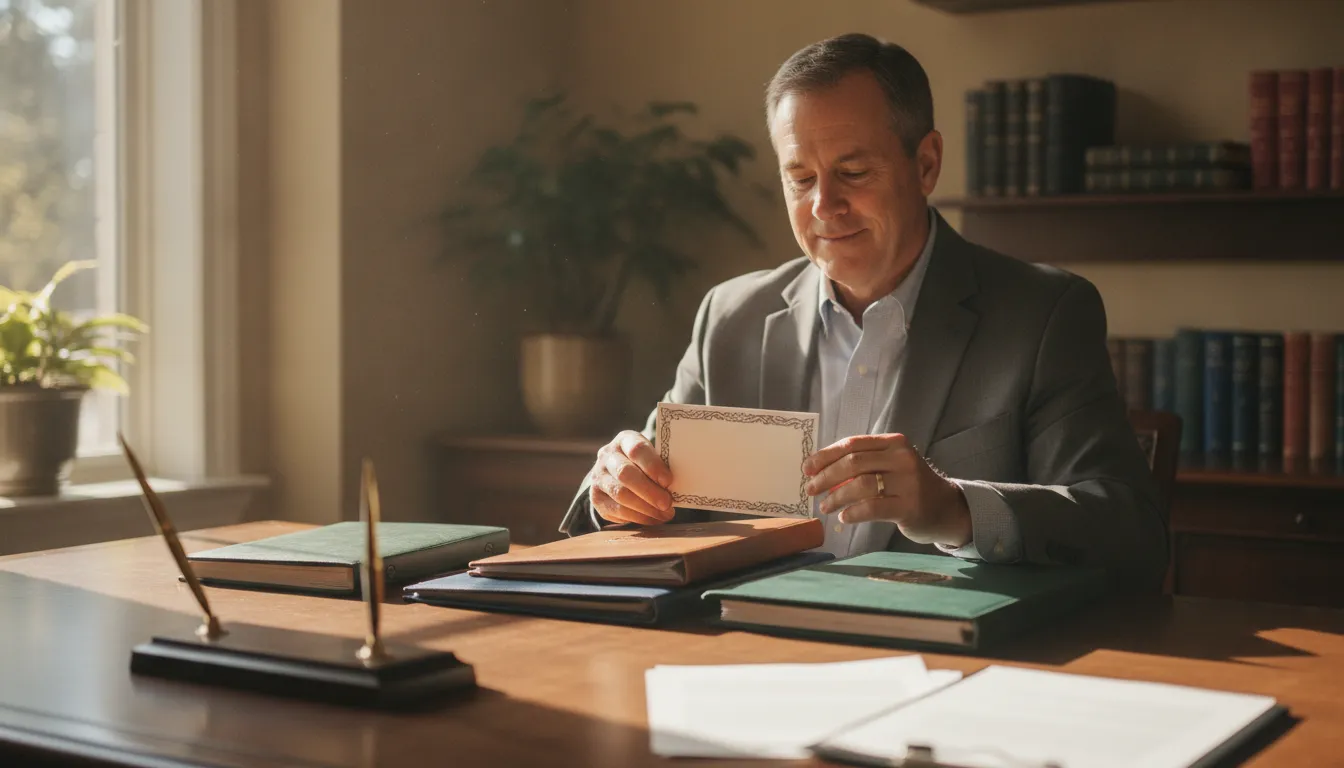
Answer: All Faith Ministry helps new ministers organize the documents that can make officiating more straightforward. An ordination certificate establishes your status, while a letter of good standing can provide additional verification. Training materials support your preparation, and identification or license records help you complete administrative steps accurately. None should be assumed legally mandatory in every situation.
When you get ordained in Jacksonville, keep your core documents together before you agree to officiate. Florida law identifies ordained ministers among the people authorized to solemnize marriages, but a clerk, couple, or other organization may still ask how your authority is documented. The right paperwork also gives you a practical reference point when questions arise.
| Document or record | Why it may help | What to check |
|---|---|---|
| Ordination certificate | Shows that you have been ordained and provides a clear credential to share when proof is requested. | Confirm that your name is spelled correctly and that the issuing organization and ordination details are easy to identify. |
| Letter of good standing | Offers an additional statement of your current standing, which can be useful for a clerk, venue, or other reviewing office. | Ask whether a current or notarized version is appropriate for the situation. Requirements can vary. |
| Training materials | Help you understand ceremony logistics, professional responsibilities, and the steps involved in handling a marriage license. | Use practical instruction that matches your role and review the latest local and state guidance. |
| Identification or license-related records | Support identity checks and help you keep the marriage license workflow organized. | Confirm which identification and license information applies to your assignment. Do not substitute personal records for required signatures. |
All Faith Ministry provides online ordination, credentials, training, and documentation options, including a Notarized Letter of Good Standing. You can also review wedding officiant training to build confidence before serving. Treat these resources as preparation tools, not a guarantee that a particular office will request or accept every item.
For Jacksonville assignments, check the Duval County Clerk's current instructions and keep digital and physical copies of your documents. That small step can reduce last-minute uncertainty while preserving the distinction between helpful proof and a requirement established by law.
What Can You Do After You Are Ordained?
After ordination, your next step is to turn your credentials into a clear, responsible ministry practice. All Faith Ministry helps newly ordained ministers move forward with documentation, training, and practical support. You might serve someone you know in Jacksonville or develop professional officiating work in Duval County. Keep your records organized, confirm current instructions, and understand your role before accepting an assignment.
Keep your credentials accessible
Save your ordination certificate in more than one place, such as a secure digital folder and a physical file. If a clerk's office, organization, or person involved in a ceremony asks how you are authorized to serve, provide your documentation promptly instead of searching through old messages. All Faith Ministry can also provide supporting documentation, including a Notarized Letter of Good Standing, when appropriate for your situation.
Training can help you build confidence beyond the certificate itself. Review wedding officiant training materials to strengthen your understanding of ceremony responsibilities, professional communication, and orderly recordkeeping. Keep notes about which documents you used and where they are stored, but do not assume that one county's process applies everywhere.
Handle the marriage license carefully
If you solemnize a marriage in Florida, the person performing the ceremony must sign the marriage license after the ceremony, as described in Florida Statute 741.07. Treat the license as an official legal document. Read the instructions, complete only the fields that belong to you, check your entries for accuracy, and follow the return instructions provided with the license. If anything is unclear, contact the issuing clerk rather than guessing.
For Jacksonville assignments, review the current information from the Duval County Clerk of Courts marriage license office before you serve. Local procedures and document requests can change. Ask whether the office has any current guidance for officiants and keep the answer with your preparation notes. This is a practical verification step, not a reason to assume that a separate county registration is always required.
Choose a ministry path that fits your goals
Some newly ordained ministers serve family, friends, or members of their community. Others use ordination as the foundation for a professional officiating practice, adding training and systems as their experience grows. You can begin with the type of service that matches your availability and values, then build a reliable process for communication, documentation, and follow-up. Staying current with Florida requirements and Duval County instructions protects the people you serve and supports your credibility as a minister.
How Quickly Can You Get Ordained Online in Florida?
All Faith Ministry offers an online ordination process designed to be convenient, but no responsible provider should promise one fixed turnaround for every applicant. The time needed to get ordained in Jacksonville depends on completing the application, receiving confirmation, gathering credentials, and checking the current requirements that apply to your planned ceremony.
Online ordination can remove unnecessary travel and make it easier to complete the initial steps on your own schedule. You may be able to submit the required information and complete the ordination process promptly, but ordination completion is only one part of preparing to officiate. Build in time to review your documents and confirm what you may need before the wedding date.
Separate ordination from officiant preparation
After ordination, organize your certificate and any supporting documentation you plan to carry or provide if requested. All Faith Ministry provides ordination credentials, training, and documentation such as a Notarized Letter of Good Standing, according to its company materials. The appropriate documents can depend on the situation, so do not wait until the ceremony is near to look for them.
Florida Statute 741.07 identifies regularly ordained ministers and other authorized officials as people who may solemnize marriages. That legal authorization does not create a guaranteed processing schedule for your ordination, and it does not replace ordinary preparation. If you plan to officiate in Jacksonville, review the current guidance from the Duval County Clerk of Courts and allow time to resolve questions about the marriage license process.
A practical approach is to start as soon as you know you may officiate. Complete the online steps, save digital and physical copies of your credentials, take relevant wedding officiant training, and confirm the latest local instructions well before the ceremony. This gives you time to correct missing paperwork without assuming that online convenience means instant readiness.
Review the All Faith Ministry ordination process before you officiate
Frequently Asked Questions
How can I legally officiate a wedding in Florida?
You must be an authorized person under Florida law, such as a regularly ordained minister or other clergy member recognized by the statute. Florida Statute 741.07 also describes the officiant's responsibility to sign the marriage license after the ceremony. Review the current statute before officiating: Florida Statute 741.07.
Can I get ordained online in Florida?
Yes. All Faith Ministry provides online ordination for people preparing to serve as ministers and officiants. Keep your ordination certificate and any supporting documentation accessible, then confirm that your intended ceremony process meets current Florida and local requirements.
How much does it cost to get ordained in Florida?
The cost depends on the organization and the credentials or training materials you choose. All Faith Ministry offers different ordination and documentation options, but you should review the current selection directly rather than relying on an old price or an informal quote. No specific price is required by Florida law.
How quickly can I get ordained in Florida?
Timing varies by the organization, the information you submit, and the credentials you need. All Faith Ministry can explain the available online process and documentation options, but avoid making a ceremony commitment until your ordination and supporting records are ready.
What are the wedding officiant requirements in Duval County?
Start by reviewing the current Marriage License instructions from the Duval County Clerk of Courts and ask whether the office needs any proof of ordination on file. Bring your certificate or letter of good standing if requested, and verify the license workflow directly with the Clerk because local procedures can change: Duval County Marriage License.
Ready to Get Started With Online Ordination?
Taking the next step can help you prepare with the credentials and information you need to serve confidently in Jacksonville and throughout Florida. Learn how to get ordained online with All Faith Ministry and review the process at your own pace.