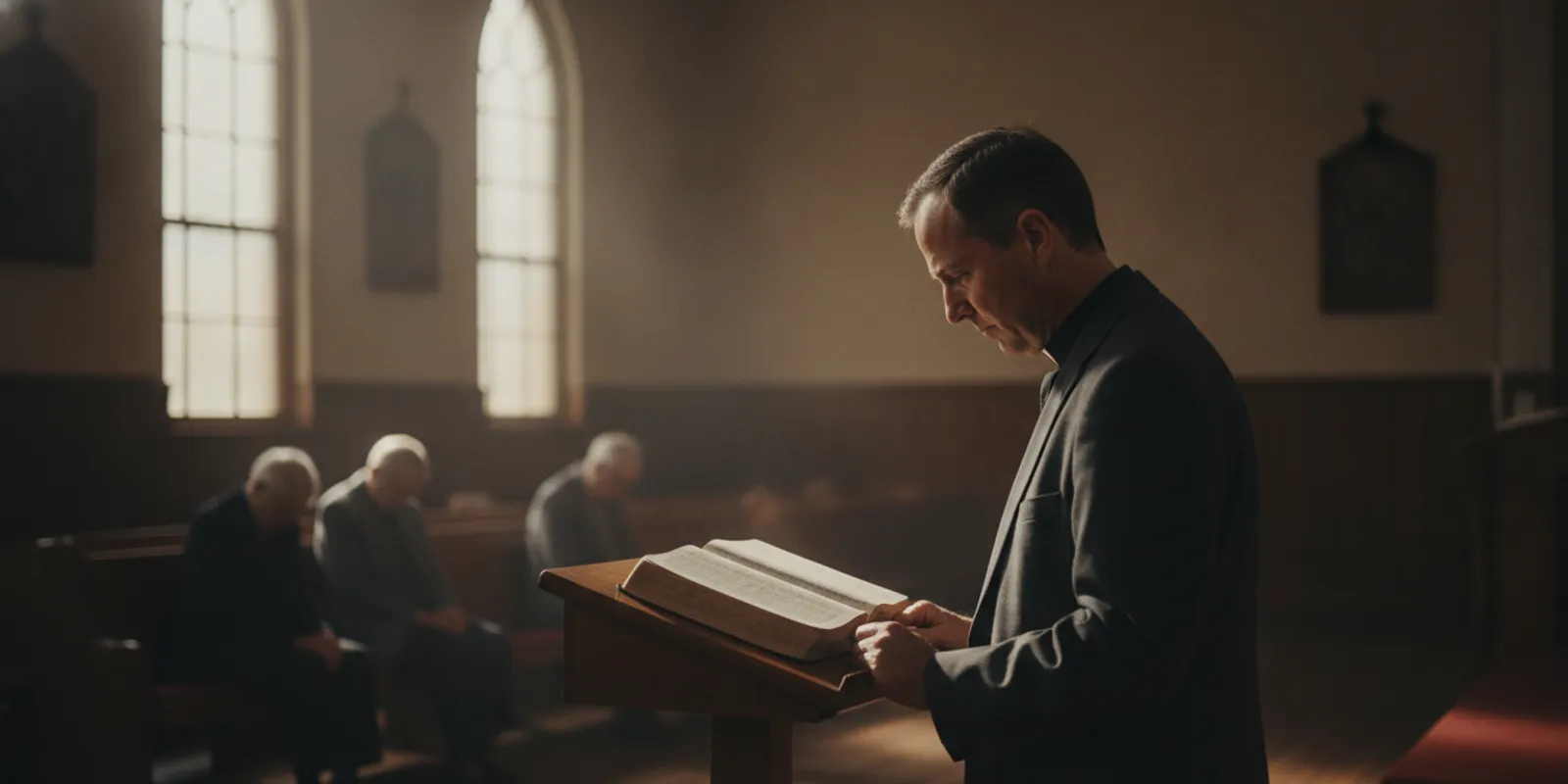
When you hear the term “ordained minister,” you might picture someone leading a traditional church service. While that’s one possibility, the role has expanded in incredible ways. Today, becoming an ordained minister is an accessible step for anyone who wants to officiate weddings, whether it’s for a loved one or as a fulfilling side business. It’s a role that puts you at the heart of people’s happiest moments. In this article, we’ll break down what it means to be ordained, the skills you’ll need to succeed, and how this can be the start of a rewarding career path for ordained ministers that fits your life and goals.
Key Takeaways
- Define your own ministerial path: Ordination opens doors to diverse roles beyond the traditional church, including becoming a professional wedding officiant, a chaplain, or a community leader, allowing you to build a career that aligns with your personal calling.
- Your goals determine your training: While a formal seminary degree is essential for some church roles, practical training and direct ordination are all you need to legally and confidently officiate weddings for friends or as a professional.
- Plan for a sustainable career: A long-lasting ministry requires more than just ordination; it's built on strong public speaking skills, smart business practices, and a solid support network to manage the emotional and financial realities of the work.
What Is an Ordained Minister?
At its core, an ordained minister is someone who has been formally authorized by a religious organization to perform spiritual duties and lead sacred ceremonies. Think of ordination as the official green light that gives you the authority to step into these important roles. This process confirms that you are prepared to guide people through some of life’s most significant moments, from weddings and baptisms to funerals and other rites of passage. It’s a formal recognition that you have the spiritual and legal standing to officiate these events.
While the path to becoming a minister once followed a very traditional route, today’s journey can look quite different. For some, it still involves years of study at a seminary and a deep commitment to a specific denomination. For others, especially those looking to officiate weddings for friends or build a new career path, the process is much more direct and accessible. Regardless of the path you take, becoming an ordained minister means you are stepping into a position of trust and responsibility. It’s a role that allows you to bring comfort, joy, and meaning to people’s lives, all while holding the legal standing to make it official.
The Traditional Role of a Minister
Historically, a minister’s work was centered within a specific church or congregation. They served as the spiritual leader of their community, responsible for everything from delivering weekly sermons to teaching from religious texts. This role involved guiding people on their spiritual journeys and providing a steady presence. Ministers have long been the ones to preside over major life events, offering pastoral care and counseling to families during times of celebration and hardship. They are the ones who stand with couples at the altar, welcome new members into the faith, and offer comfort to those grieving a loss.
Modern Opportunities in Ministry
Today, the opportunities for an ordained minister extend far beyond the walls of a traditional church. While leading a congregation is still a common path, ordination can open doors to a wide range of fulfilling roles. Many ministers now focus on specialized areas like spiritual counseling, community outreach, or serving as chaplains in hospitals and military settings. For many, the goal is to become a professional wedding officiant, creating personalized and meaningful ceremonies for couples. Once you apply for ordination, you can begin to build a career that aligns with your unique calling, whether that’s leading a nonprofit or starting your own officiating business.
What Kind of Education Do You Need?
The path to becoming an ordained minister isn't one-size-fits-all, and your educational journey will depend entirely on your goals. If you're dreaming of leading a congregation in a traditional church, your road will likely involve formal academic training. But if you feel called to officiate a wedding for a dear friend or want to start a business celebrating couples, your requirements will look quite different. Understanding the destination helps you map out the best route to get there.
For some, ministry is a calling that starts with years of formal education, including university degrees and seminary programs. These paths are designed to provide a deep, scholarly understanding of theology, church history, and pastoral care. They are often required by established denominations for anyone who wants to become a full-time pastor or priest. This traditional route is thorough and prepares individuals for the complex responsibilities of leading a church community.
However, a formal degree isn't the only way forward, and it's certainly not required for every ministerial role. Many people find their way to ministry through alternative routes that are more flexible and accessible. These programs are perfect if your goal is to serve your community in specific ways, like performing marriage ceremonies or offering spiritual guidance outside of a traditional church setting. Let’s look at the different educational options available so you can find the one that aligns with your unique vision for your ministry.
University Degrees in Ministry
For those aspiring to lead a church within a specific denomination, a bachelor's degree is often the first step. Many traditional churches expect their ministers to have this foundational education. You’ll typically find programs in Christian ministries, biblical studies, or divinity that equip you with essential theological knowledge and practical skills. Think of it as building the strong base you'll need for a career in ministry, giving you a comprehensive understanding of scripture, history, and the principles of pastoral leadership. This degree sets the stage for more advanced studies and is a key part of the journey for many traditional ministry roles.
Seminary and Master's Programs
After completing a bachelor's degree, the next step for many is seminary. A Master of Divinity (M.Div.) is a common requirement for ordination in numerous denominations. This isn't a light undertaking; these programs are rigorous and designed to prepare you for the multifaceted demands of ministry. You’ll study topics like church history, pastoral theology, leadership, and counseling. An M.Div. provides the in-depth theological and practical training needed to guide a congregation, offer meaningful counsel, and manage the responsibilities of a church. It’s a path for those committed to deep scholarly and spiritual development in their ministerial career.
Online Programs and Alternative Paths
What if a traditional degree or seminary doesn't fit your life or your goals? You're in luck, because there are other fantastic ways to pursue your calling. Online programs and alternative paths offer a flexible and direct route to ministry, especially for those who want to become a wedding officiant. These programs focus on the practical skills and legal knowledge you need to perform ceremonies with confidence and grace. Through organizations like ours, you can receive the training and ordination necessary to legally officiate weddings, whether it's for a loved one or as a new career path. This approach makes ministry accessible to everyone, regardless of their academic background.
How to Get Ordained: The Process Explained
Getting ordained is the formal process of being recognized as a minister, giving you the authority to lead ceremonies, provide spiritual guidance, and, of course, officiate weddings. The path to ordination can look very different depending on your goals and the organization you work with. For some, it’s a years-long journey through a specific denomination, involving extensive theological study, mentorship, and personal assessments. This traditional route is often geared toward those who want to lead a church or serve in a formal pastoral role.
For others, especially those looking to officiate for friends, start a wedding business, or serve their community in a more flexible way, the process can be much more direct. Organizations like ours provide a clear path to ordination focused on the practical and legal aspects of ministry, particularly for officiating ceremonies. Regardless of the route you take, ordination is a significant step. It signifies a commitment to serving others during life’s most important moments. The process is designed to ensure you are prepared, not just legally but also personally, for the responsibilities that come with the role. Below, we’ll walk through the key stages, from understanding the initial requirements to the final ceremony that makes it all official.
Understanding Denominational Requirements
If you’re pursuing ordination through a traditional Christian church, the first thing to know is that every denomination has its own set of rules. The requirements for becoming a Presbyterian minister, for example, are quite different from those for a Lutheran pastor. These paths are often designed for individuals seeking full-time roles within the church, like leading a congregation or serving as a chaplain. The process usually involves years of active membership, specific theological degrees, and a deep alignment with that denomination’s doctrines. It’s essential to connect with leaders in your specific church body to understand their unique process and what they expect from candidates for ministry.
Your Assessment and Preparation Checklist
The traditional path to ordination is a structured journey of preparation. It typically starts with a personal feeling of being "called" to ministry, which you then discuss with your local pastor or church leaders. From there, you’ll likely need to meet specific educational requirements, which can include a Master of Divinity degree from a seminary. The process also involves a series of interviews, personal essays, and sometimes even psychological evaluations to ensure you’re a good fit for the role. This thorough assessment is designed to prepare you for the deep responsibilities of pastoral care. For those focused specifically on officiating, our wedding officiant training offers a practical, focused alternative to get you ceremony-ready.
The Ordination Ceremony and Legal Status
The final step in your journey is the ordination ceremony itself. This is the formal event where you are officially recognized as a minister by the ordaining body. After completing your education, training, and any required internships, this ceremony confers upon you the title and legal authority to perform the duties of a minister. This legal status is what allows you to sign marriage licenses and perform other official rites. For many, this moment is a powerful and meaningful culmination of their hard work and dedication. If you're ready to take this step, you can apply for ordination with us to gain the legal standing you need to begin your work as an officiant.
A Day in the Life of an Ordained Minister
So, what does it actually look like to be an ordained minister? The truth is, no two days are exactly the same, which is part of the appeal for many. Your role can be incredibly dynamic, shifting from public speaker to private counselor to community organizer all in a single week. While many people who apply for ordination are focused on officiating weddings, the title opens doors to a wide range of meaningful work.
At its heart, the role is about guiding people through life’s most significant moments, both big and small. One day might be spent crafting the perfect wedding ceremony for a couple, and the next could involve offering a comforting word to someone navigating a difficult time. Beyond the ceremonies, there are often administrative tasks, community events, and ongoing education to manage. It’s a career that requires a unique blend of compassion, organization, and strong communication skills. Whether you’re serving a small community or building a business as a professional officiant, your days will be filled with purpose and human connection.
Leading Services and Ceremonies
This is the part of the job that most people picture first: standing before a group and leading a meaningful ceremony. As an ordained minister, you have the honor of officiating some of life’s most important events. You’ll work with couples to create personalized wedding vows, guide families through memorial services, and welcome new life during baptisms or baby blessings.
Each ceremony requires careful preparation, from writing scripts to coordinating with families and other vendors. Your role is to create a space where people feel seen, supported, and celebrated. Our wedding officiant training is designed to help you master the art of crafting and delivering a beautiful service, ensuring you feel confident and prepared for any occasion.
Providing Pastoral Care and Counseling
Beyond the formal ceremonies, a significant part of a minister’s work involves providing one-on-one support. This is often called pastoral care, and it’s about being a steady, compassionate presence for people during times of joy and sorrow. You might find yourself counseling a couple before their wedding, offering comfort to a family that has lost a loved one, or simply lending an ear to someone facing a personal challenge.
This work is built on a foundation of trust and empathy. It requires active listening and the ability to offer guidance without judgment. Following a professional code of ethics is essential to ensure you provide care responsibly and maintain the integrity of your role as a trusted guide.
Handling Admin and Community Outreach
The work of a minister isn’t always in the spotlight. A great deal of it happens behind the scenes, involving administrative tasks and community engagement. You’ll spend time responding to emails, managing your schedule, and handling the legal paperwork for ceremonies, which includes understanding specific state laws for marriage. If you run your own officiant business, you’ll also handle marketing, bookkeeping, and client contracts.
Beyond your desk, you might attend community events, connect with local organizations, or lead educational programs. This outreach helps you build relationships, find new opportunities to serve, and become a recognized and trusted figure in your community. It’s the foundational work that makes the big, public moments possible.
Career Paths for Ordained Ministers
Once you're ordained, a whole world of possibilities opens up. Your new credentials aren't just a piece of paper; they're a key to many different doors, depending on your passions and goals. For some, ministry is a full-time calling that leads them to the pulpit of a church. For others, it’s a way to serve people in unique settings, like hospitals or military bases. Many find joy and a great side income in helping couples celebrate the biggest day of their lives as a wedding officiant. And some use their leadership skills to make a difference by starting community programs or nonprofits. Let’s look at a few of the most common career paths you can take as an ordained minister.
Leading a Church
This is often the first role people think of when they hear "minister." Leading a church means becoming the spiritual guide for a community. Your days would involve preparing sermons, leading worship services, and offering spiritual counseling to your congregation. It’s a path that requires deep biblical knowledge and a heart for nurturing people's faith. Most denominations expect ministers to have a bachelor's degree in a field like biblical studies or divinity. This role is about more than just Sunday services; it’s about building a strong, supportive community and guiding it through life's ups and downs.
Serving as a Chaplain
If you feel called to serve beyond the walls of a traditional church, a career as a chaplain might be for you. Chaplains provide spiritual and emotional support in places like hospitals, universities, prisons, and the military. You’d be there for people during some of their most challenging or pivotal moments, offering comfort, guidance, and a listening ear, regardless of their faith background. While specific requirements vary, ordination is almost always a prerequisite for this line of work. It’s a deeply rewarding role that allows you to bring hope and compassion to diverse groups of people where they need it most.
Becoming a Professional Wedding Officiant
For many, becoming an ordained minister is the first step toward a fun and fulfilling career as a professional wedding officiant. This path offers incredible flexibility, you can build a full-time business or simply officiate for friends and family as a side hustle. As an officiant, you get to be part of a couple's most joyful day, crafting personalized ceremonies that celebrate their unique love story. With the right wedding officiant training, you can learn the ins and outs of the business, from marketing your services to writing the perfect script. Once you apply for ordination, you have the legal authority to perform weddings and create unforgettable moments for couples.
Running a Nonprofit or Community Program
Your ordination can also be a powerful foundation for making a broader impact through social action. Many ministers use their leadership and pastoral skills to run nonprofit organizations or community outreach programs. This could mean starting a local food bank, a youth mentorship program, or an advocacy group for a cause you’re passionate about. This path allows you to live out your calling by addressing tangible needs in your community. You’ll bring people together, create a sense of belonging, and work to make a positive change in the world, combining your spiritual leadership with practical, hands-on service.
Essential Skills for a Successful Ministry
Getting ordained is the first step, but becoming a truly great minister or wedding officiant requires a specific set of skills. These are the qualities that will help you create meaningful experiences for the people you serve and build a reputation that keeps your calendar full. It’s not just about what you say, but how you say it and how you handle the moments in between. Developing these abilities will give you the confidence to lead any ceremony with grace and professionalism, turning a special day into an unforgettable one. Think of these as the foundation upon which you’ll build a successful and fulfilling ministry.
Mastering Public Speaking
At its core, officiating a ceremony is a performance. All eyes will be on you, and your ability to speak clearly and confidently sets the tone for the entire event. Professional wedding officiants are well-practiced in the art of public speaking, and it shows. This doesn’t mean you need to be a booming orator, but you should be comfortable speaking in front of a crowd, projecting your voice, and maintaining a steady pace. Practice reading your scripts aloud, record yourself to catch any nervous habits, and focus on delivering each word with warmth and intention. Our wedding officiant training can help you build the confidence you need to command a room.
Honing Your People Skills
A ceremony is deeply personal, and your role is to connect with the people at the center of it. The best officiants have storytelling skills that can captivate guests and make a ceremony memorable. This starts with great listening skills. During your consultations, you need to hear the couple’s story, understand their personalities, and learn what matters most to them. This allows you to craft a ceremony that feels authentic and unique. Being organized, responsive, and empathetic throughout the planning process builds trust and makes the couple feel cared for. It’s a role that requires a big heart and a genuine interest in people’s lives.
Managing Crises with Confidence
No matter how well you plan, unexpected things can happen on a wedding day. The rings might be missing, a microphone could fail, or a groomsman might feel faint. Your ability to stay calm and think on your feet is crucial. A simple habit, like practicing the couple’s names until they roll off your tongue, can prevent the most common mistakes. For bigger issues, being a reassuring and resourceful presence can save the day. Come prepared with a small emergency kit and a list of vendor contacts. Your confidence in handling hiccups allows the couple to stay present and enjoy their moment without stress.
Common Challenges in Ministry (And How to Face Them)
A career in ministry is incredibly fulfilling, but it’s also a path with unique challenges. Being prepared for these hurdles is the first step in building a long and satisfying career. Whether you’re officiating a friend’s wedding or leading a congregation, you’ll face moments that test your resilience. The key is to approach these situations with awareness and a solid plan.
Thinking through these potential difficulties now helps you create the support systems and personal habits you’ll need later on. Let’s walk through some of the most common challenges you might encounter and discuss practical ways to face them head-on. By doing so, you can protect your passion and ensure your work remains a source of joy, not burnout.
Managing the Emotional Demands
As a minister, you often connect with people during life's most significant moments, from joyful weddings to difficult times of loss or illness. Walking alongside others in their vulnerability is a privilege, but it can be emotionally heavy. It’s easy to absorb the stress and pain of those you’re helping, which can lead to burnout if you’re not careful.
To manage this, it’s vital to establish clear emotional boundaries. You can be compassionate without carrying everyone’s burdens as your own. Building a support network of peers or mentors gives you a safe space to process your experiences. It also helps to follow a clear set of principles, like our Code of Ethics, to guide you through complex situations. Prioritizing your own self-care isn’t selfish; it’s essential for showing up fully for others.
Understanding the Financial Realities
Let’s be honest: the financial side of ministry can be unpredictable. Depending on your role, you might not have a steady salary or benefits, especially when you’re just starting out. Some ministers find they need another job to create a stable income, which can add another layer of stress to their schedules.
The best way to handle this is to be realistic and proactive. Create a solid financial plan and think about how you can diversify your income. For many, becoming a professional wedding officiant is a wonderful way to turn their calling into a reliable business. Investing in professional resources from the AFM Store can help you establish your services and confidently charge for your time. By treating your ministry like a profession, you can build a financially sustainable career.
Balancing Your Calling with Your Life
Ministry rarely fits into a neat 9-to-5 box. Your work will often include evenings, weekends, and unexpected calls for support. While this flexibility can be a gift, it can also make it difficult to protect your personal time for family, friends, and rest. Without intentional boundaries, your calling can quickly take over your entire life.
To create a healthy balance, you need to be disciplined with your schedule. Block out personal time on your calendar and treat it as non-negotiable. Learn to say no to requests that fall outside your established work hours or core responsibilities. Our Wedding Officiant Training covers the business skills you need to structure your work effectively. Remember, you can’t pour from an empty cup. A sustainable ministry is one that allows you to thrive in all areas of your life, not just your work.
What Is an Ordained Minister's Salary?
Talking about salary for an ordained minister can be tricky because the role looks different for everyone. For some, it’s a full-time calling with a steady paycheck from a religious organization. For many others, especially those who officiate weddings, it’s a flexible side business where your income depends on how many ceremonies you perform. Your earnings will ultimately reflect the career path you choose.
Whether you’re looking for a stable salary or want to build your own business on your terms, it’s helpful to understand the financial landscape. Let’s look at some typical salary ranges and the less tangible, but equally important, benefits of this work.
Typical Salary Ranges by Role
If you’re on a traditional path, the U.S. Bureau of Labor Statistics reported that the typical yearly pay for clergy members was $55,550 in May 2022. Those working directly for religious organizations often earned a bit more, with a typical salary of $61,840. For professional wedding officiants, however, income isn’t a fixed salary. Instead, you earn a fee for each ceremony you perform. This could be a great way to supplement your income or, with dedication, grow into a full-time career. The first step to earning that income is to get your ordination and legally establish yourself as a minister.
Beyond Salary: Benefits and Perks
The rewards of being an ordained minister go far beyond a paycheck. This is a unique and meaningful career that allows you to serve your community and be part of the most important moments in people’s lives. You get to share in their joy, lead them through sacred ceremonies like weddings, and offer support when it’s needed most. For many, the real perk is the deep sense of purpose that comes from this work. If you build a career as a wedding officiant, you also gain incredible flexibility and the satisfaction of running your own business. With the right wedding officiant training, you can confidently provide a service that is both personally fulfilling and professionally rewarding.
Chart Your Course for a Long-Term Ministry Career
Becoming an ordained minister is an incredible first step, but building a fulfilling, long-term career takes thoughtful planning. It’s about looking beyond the next ceremony and envisioning a path that sustains you spiritually, emotionally, and financially. Thinking about your long-term goals now will help you build a ministry that truly thrives. Whether you see yourself as a go-to wedding officiant, a spiritual counselor, or a community leader, creating a solid plan, committing to your growth, and finding your people are the keys to making it happen.
Create a Sustainable Career Plan
A sustainable ministry career starts with a clear vision. Think about what you want your work to look like in five or ten years. Do you want to specialize in weddings, or do you feel called to offer spiritual counseling, lead a small community, or perform other types of ceremonies? Your long-term goals will shape the decisions you make today. A career plan doesn't have to be rigid, but it should serve as your roadmap. It helps you identify the skills you need to develop, the communities you want to serve, and the kind of impact you hope to make. This clarity will guide you as you grow and ensure your ministry aligns with your personal calling.
Commit to Continuing Education
Your ordination is the beginning of your journey, not the end of your training. While some traditional ministry roles require a master's degree, continuing education comes in many forms. The most effective ministers are lifelong learners who are always honing their craft. You can deepen your knowledge through practical programs, like our wedding officiant training, which gives you the hands-on skills to lead beautiful ceremonies. You can also read books on public speaking, theology, and counseling, or attend workshops. Committing to ongoing learning keeps your perspective fresh and ensures you’re always prepared to serve people with confidence and compassion.
Build Your Support Network
Ministry is deeply rewarding, but it can also be emotionally demanding. You’ll be supporting people through some of life’s biggest moments, and you can’t pour from an empty cup. That’s why building a strong support network is essential. Connect with other ministers who understand the unique joys and challenges of this work. Find a mentor you can turn to for advice and encouragement. It’s also important to set healthy boundaries between your work and your personal life to prevent burnout. Following a professional Code of Ethics can also connect you to a community of peers who share your commitment to serving with integrity.
Related Articles
Frequently Asked Questions
Do I need a formal degree to officiate a wedding? Not at all. While leading a traditional church congregation often requires years of formal education, like a seminary degree, becoming a wedding officiant has a much more direct path. For the purpose of legally performing a marriage ceremony, you do not need a university or divinity degree. The key requirement is to be legally ordained through a recognized organization.
How long does the ordination process usually take? The timeline really depends on the path you choose. Traditional ordination through a specific denomination can be a multi-year journey involving extensive study, mentorship, and assessments. However, if your goal is to officiate weddings, the process is significantly faster. Through organizations like ours, you can complete the necessary steps to become legally ordained in a very short amount of time.
Is an online ordination legally valid for performing weddings? Yes, it is. A legal ordination grants you the authority to act as a minister, which includes solemnizing marriages. As long as you are ordained by a reputable religious organization, your status is legally recognized throughout the United States. It is always a good idea, however, to be familiar with the specific marriage laws in the state where the ceremony will take place.
Can I really make a living just as a wedding officiant? Absolutely. Many people build successful full-time careers as professional wedding officiants. Like any business, it requires dedication, professionalism, and smart marketing to build a steady stream of clients. Many others find it to be a wonderful and fulfilling side hustle that provides supplemental income. Your earnings will depend on your local market and how much time you invest in growing your services.
What’s the most important skill for a new wedding officiant to develop? Beyond anything else, your ability to speak confidently and connect with people is what will set you apart. A great ceremony isn't just about reading a script; it's about telling a couple's story with warmth and creating a memorable experience for everyone present. Honing your public speaking and active listening skills will help you build trust with your couples and deliver a ceremony that feels truly personal and heartfelt.